Trinidad and Tobago has two very different coastlines, and choosing the right beach or boat trip makes a big difference to a holiday. Trinidad's north coast is wild, dramatic and best for a day out, while Tobago's southwest is calm, easy and made for lazy afternoons. This guide sorts them out and explains how to stay safe, what is free and which water trips are worth booking ahead.
Trinidad's north coast
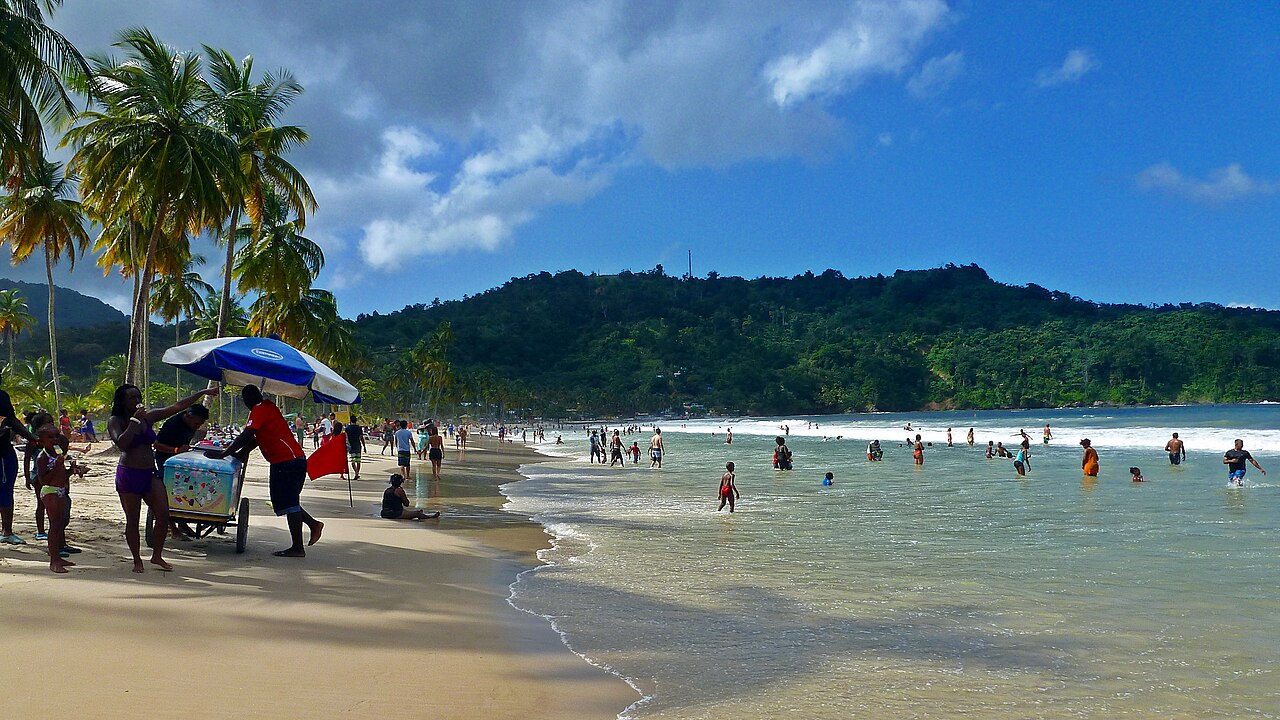
Maracas Bay is the island's best-known beach, a long, curved bay backed by green hills, where the surf can be lively and the famous bake and shark stalls do a brisk trade at lunchtime. It is a public beach, free to visit, with changing facilities and lifeguards in places, but strong currents mean you should read the flags and swim with care. Further along, Las Cuevas and Tyrico are quieter and more scenic, and Blanchisseuse marks the end of the road, where the forest meets the sea. Combine a swim with the Avocat Waterfall hike and a lunch stop for a satisfying day.
Tobago's southwest
Pigeon Point is the postcard beach, with white sand, calm water, a thatched jetty and food stalls. Store Bay, close to the airport and the Crown Point hotels, is just as accessible and usually has local vendors selling crab and dumplings. Mount Irvine Bay, further along the coast, is a favourite with surfers and golfers. The water on this side is shallow and gentle, which suits families and nervous swimmers.
Tobago's north coast
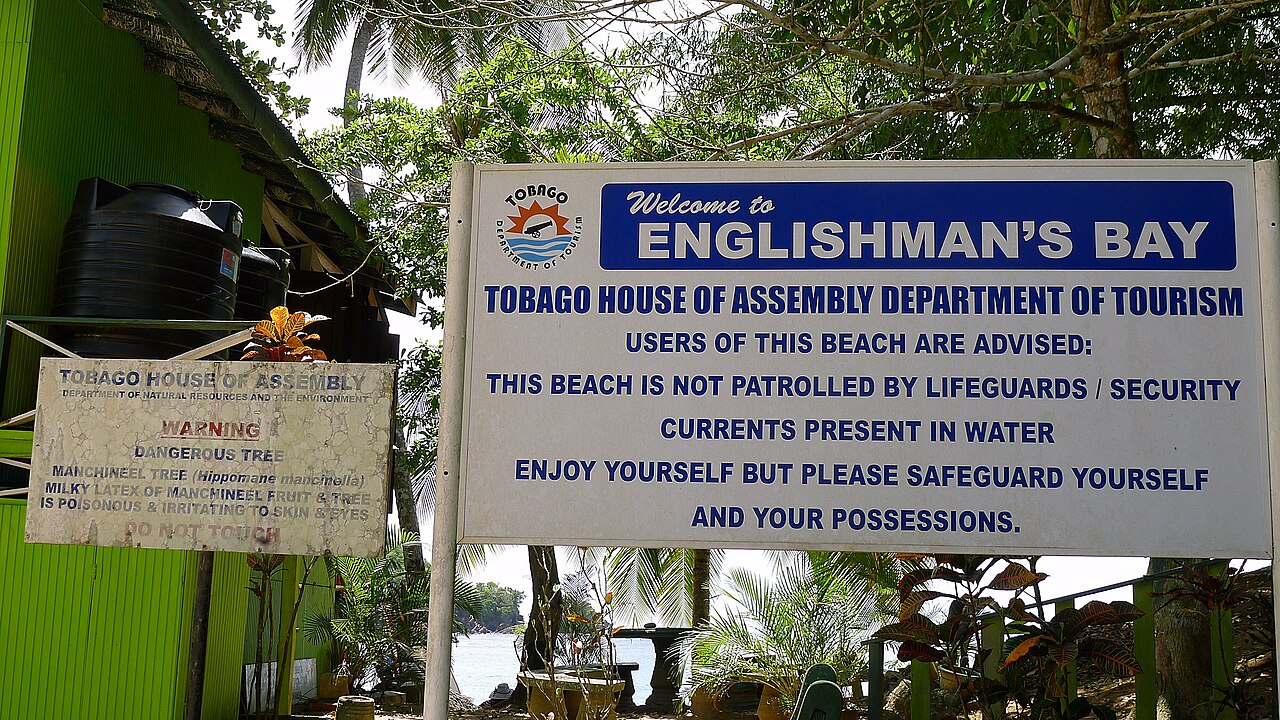
A drive along the Caribbean side reveals quieter bays such as Englishman's Bay, Parlatuvier, Castara and Pirate's Bay. These are smaller, prettier and less developed, with rainforest meeting the shore and few facilities. They are ideal for picnics and snorkelling, but take water and snacks because services are limited. Day trips from the southwest resorts usually include several stops along this coast.
Buccoo Reef and the Nylon Pool
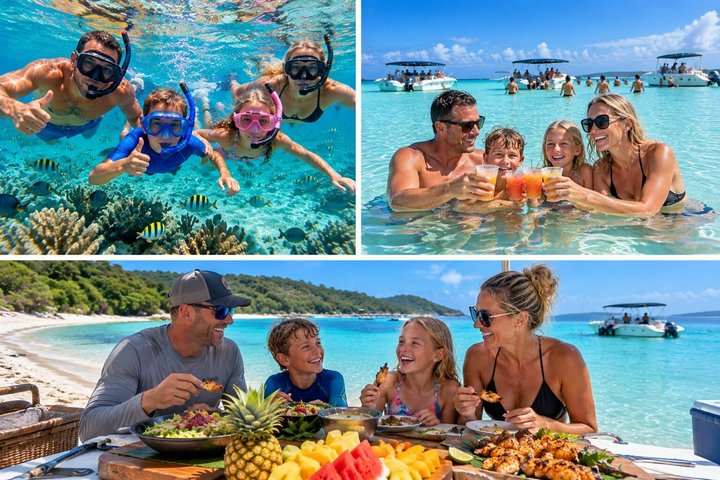
The classic Tobago water trip is a glass-bottom boat from the Pigeon Point area to Buccoo Reef, where you can look down on coral and fish, and on to the Nylon Pool, a shallow sandbar where the water is waist-deep and clear. Most trips allow a snorkel stop. It is one of the island's best-loved outings and is suitable for most ages, so book ahead in the dry season.
Little Tobago and Speyside
On the Atlantic side, Speyside is the departure point for glass-bottom boats to Little Tobago, a wildlife island with seabirds and a vibrant reef. The reefs here are also popular with divers, and the water is generally clearer in the drier months. Seas can be lively, so trips are dependent on the weather.
Night on the water
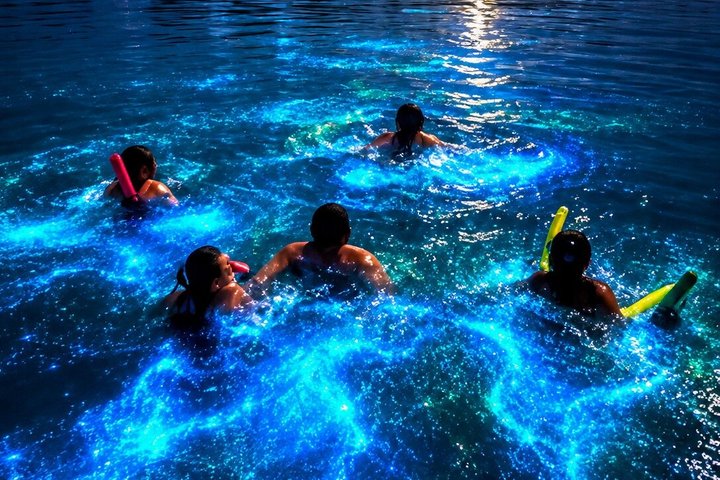
Tobago's bioluminescence trips take a boat out after dark, when disturbed water glows with microscopic organisms. It is a quiet, magical experience that suits couples and families, and it is best on darker nights. Ask the operator about conditions and the best time to go.
Staying safe
Currents on Trinidad's north coast can be strong, and some beaches have no lifeguards. Read the flags, avoid swimming alone and keep an eye on children. Use reef-safe sun protection, drink water often and keep valuables out of sight on the sand. Do not stand on coral and follow your boat crew's instructions.
Which to choose
For one day on Trinidad, go to Maracas or combine a beach with a waterfall. For Tobago, spend a morning on the Buccoo Reef trip, a full day exploring the north coast bays and one evening on a night boat. Mix free beaches with one or two paid trips and your days will feel varied without becoming expensive.
Families and first-timers
If you are travelling with young children, Pigeon Point and Store Bay are the easiest starting points, because the water is shallow and food and toilets are close by. Older children enjoy the glass-bottom boat and the Nylon Pool, while teenagers may prefer snorkelling or a north coast waterfall. Build in shade breaks, since the midday sun is fierce, and keep the more exposed Atlantic and north coast beaches for confident swimmers.
Practical points
Carry cash for vendors, chair hire and tips. Bring a towel, hat and sandals, and a dry bag for boat trips. Dry months from January to May give the calmest seas and clearest water, while the wetter months bring showers but also fewer people. Check conditions on the day, and enjoy the unhurried pace that makes the islands so appealing.