Trinidad and Tobago is warm all year, so the best time to go depends less on temperature than on what you want to see. The seasons are defined by rain rather than by cold, and the calendar of events, especially Carnival and the turtle nesting season, can matter more than the weather. This guide sets out the main periods and who each suits.
The dry season: roughly January to May
This is the most comfortable time for hiking, birdwatching and beaches, with more sunshine, lower humidity and calmer conditions for boat trips. It is also the busiest and most expensive period, particularly around Carnival, so book flights and hotels early. If you want to do everything in this guide, this is the safest window, because waterfall trails are easier, the reef boats run reliably and the Northern Range is at its most accessible.
Carnival: the season and the main days
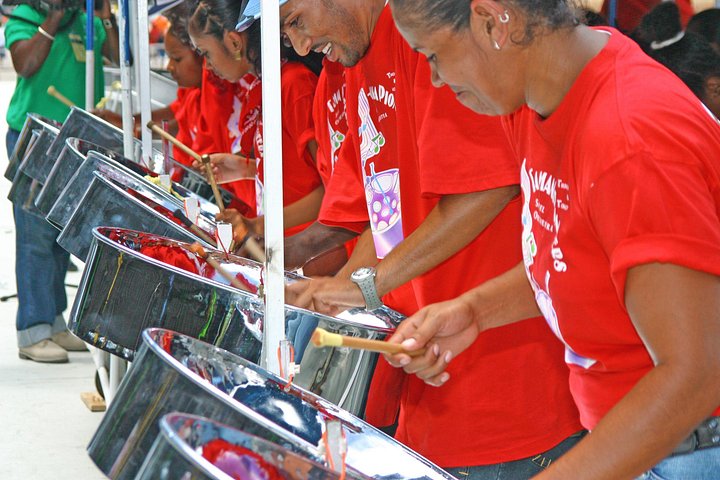
Carnival is a long season that begins soon after Christmas and builds to the main parade days on the Monday and Tuesday before Ash Wednesday, which fall in February or early March depending on the year. The steelband Panorama competition reaches its finals on the Saturday before, and J'ouvert, the pre-dawn street party, begins in the early hours of the Monday. Check the exact dates for your year on the national tourism site when you plan. If Carnival is your reason to visit, book flights and Port of Spain hotels as early as you can, since the city sells out and prices rise, and expect some roads and access points around Queen's Park Savannah to change. If you want to avoid the crowds, choose a different week, but know that the weeks before Carnival still have plenty of music in the pan yards.
Turtle season: March to August
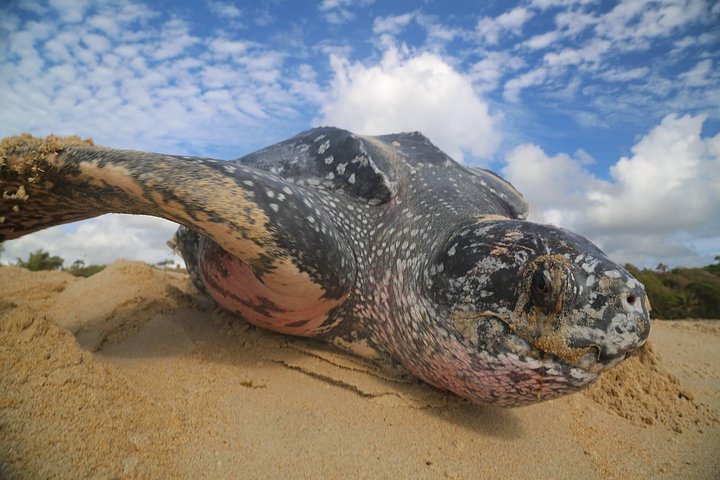
Leatherback turtles nest on Trinidad's north and northeast beaches from March to August, according to the national tourism site, and night visits must be with a licensed guide. Sightings are never guaranteed, but the season gives you a window in which a night on Matura or Grande Riviere beach is possible. It overlaps the end of the dry season and the beginning of the wet one, so combine it with a north coast stay.
The wet months: roughly June to December
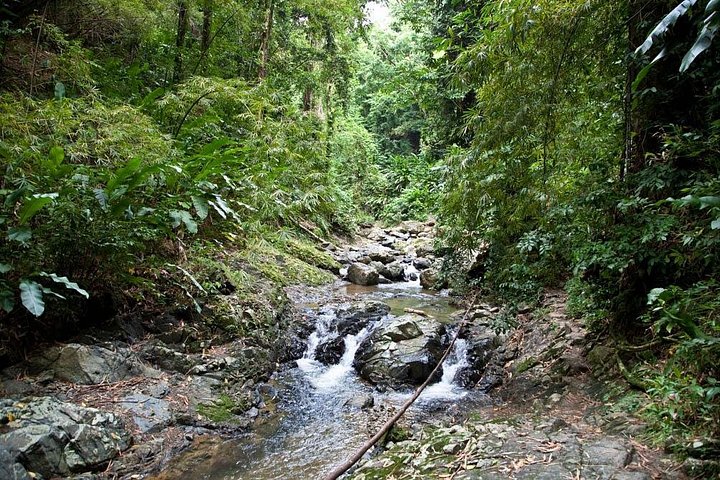
Heavier showers arrive, the hills turn vivid green, and waterfalls such as Argyle and Avocat run strongly. Visitor numbers and prices drop, and there is a quieter feel on Tobago's beaches and in the guesthouses. Rain often comes in short, intense bursts rather than all day, so plan outdoor activities for the morning and keep afternoons flexible. Trails can be muddier and rivers faster, so follow your guide's advice about swimming and crossing streams. The islands are generally outside the usual track of Atlantic hurricanes, though tropical weather and heavy rain can still affect plans, so keep your bookings flexible and your travel insurance in order.
Birdwatching and wildlife
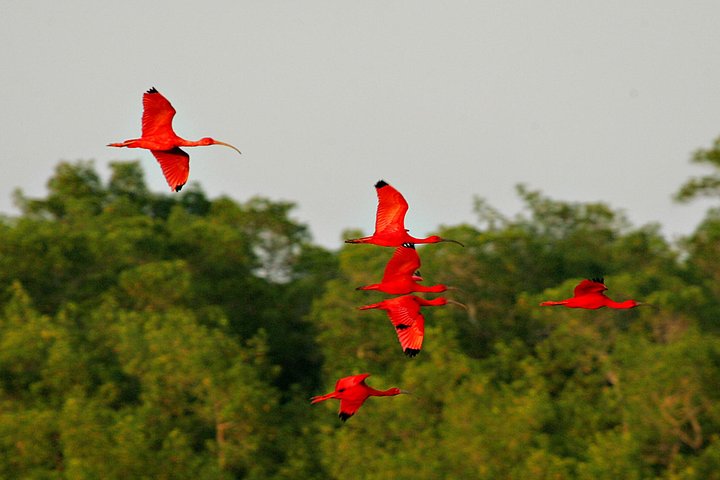
The Caroni swamp is rewarding all year, with the scarlet ibis flying in to roost at dusk, and the Asa Wright Nature Centre has hummingbirds and honeycreepers year-round. Timing a trip for the dry season means easier access and better visibility, but there is no bad month for birds. For Tobago's rainforest, early morning is best in any season.
Beaches and the reef
Sea conditions are generally calmer in the drier months, which is when the glass-bottom boat trips to Buccoo Reef and the Nylon Pool are most reliable. Bioluminescence trips depend on moonlight, weather and tides rather than on season, so book early in a stay to leave room to reschedule.
Festivals beyond Carnival
The islands have a lively calendar of cultural events through the year, from steelpan competitions to community festivals, and the national tourism sites list what is on. Check them when you plan, because an event can add a memorable evening to a trip or, in the case of the biggest ones, fill hotels and change prices. Whatever the month, a live steelpan evening is available year-round, so you do not need to time your visit to Carnival to hear the music Trinidad invented.
How to choose
For first-time visitors who want beaches and easy hiking, go in the dry season, ideally outside the Carnival weeks if you dislike crowds. For music and culture, go for Carnival and book far ahead. For turtles, go between March and August. For lower prices and green scenery, go in the wet months and carry a rain jacket. Whenever you travel, pack sun protection, insect repellent and light, quick-drying clothes, and check your government's current travel advice before you book.