Turks and Caicos is a warm destination all year, so the question is less whether to go than which trade-off you prefer. Winter brings the best weather and the highest prices, summer is hotter and quieter, and the Atlantic hurricane season shapes the calendar from June to November. Here is how to choose.
Winter and early spring: the high season
From roughly December to April, the island is at its busiest. Days are warm rather than hot, the air is drier and the breeze is steady, which makes beach days and boat trips comfortable. This is also when hotel rates are at their highest, especially over Christmas and New Year and around spring holidays, and when popular boat trips and restaurants fill up. Book flights, rooms and the key excursions well ahead for these dates. Winter can bring windier spells that churn the sea, so keep a spare day in case a boat departure moves, and carry a light layer for cooler evenings, particularly on the water.
Late spring: a good balance
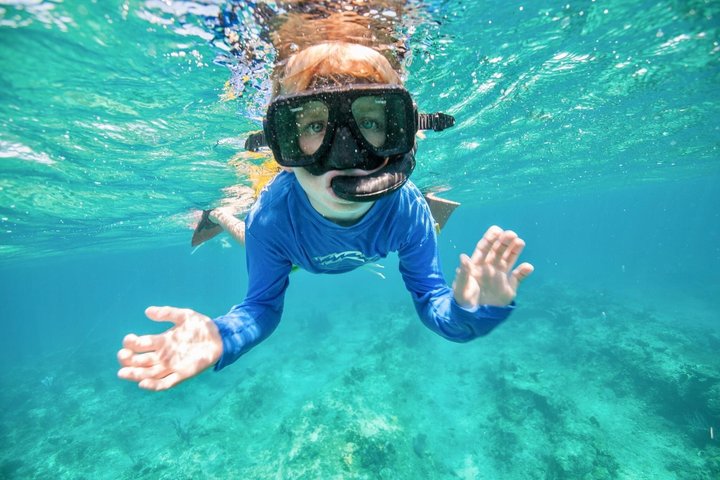
May and the shoulder periods between busy holidays can offer the best mix of settled weather, lower prices and fewer crowds. The water is warm and calm more often than not, which is good for snorkeling, and the beaches are quieter. Check holiday dates before you commit, because school breaks bring short spikes in demand and prices.
Summer: hot, quiet and cheaper
From about June to August the island is hotter and more humid, the sun is intense and the beaches are quieter. Rates are generally lower, and the sea is often calm and clear, so boat trips and snorkeling can be excellent. The trade-offs are the heat, the chance of tropical weather and the fact that some operators and restaurants may run reduced schedules. Plan outdoor activities for the morning, use the middle of the day for shade or a pool, and drink plenty of water.
Hurricane season
The Atlantic hurricane season runs from June to November, and the risk is generally highest from late summer into autumn. Most trips go ahead without any storm trouble, but you should plan for the possibility. Buy travel insurance that covers hurricanes and cancellations, read the booking terms for your hotel and your excursions, and keep your plans flexible. Check forecasts in the days before you travel and follow local advice if a storm threatens. Rates in the autumn can be attractive, but the risk of disruption is real, so weigh the saving against it.
How the seasons change the activities
Boat trips and snorkeling depend on wind and swell, which vary through the year, so the crew may change the order of stops or reschedule. Little Water Cay and other National Trust sites keep regular weekday and Saturday hours, and the North and Middle Caicos day trip is best on a weekday so the caves and other sites are open. Free sights such as Grace Bay Beach, Taylor Bay and Sapodilla Bay work in any season, but shade is limited, so bring a hat and sun protection whatever the month. Wildlife and the sea change with the season, and humpback whales pass through the region in winter and early spring, so ask operators what is running when you visit.
How to choose
Pick winter if the weather and certainty matter most and you can pay for it. Pick late spring for a balance of price and settled conditions. Pick summer if you want quiet beaches and lower rates and can handle the heat. Pick autumn only if the saving matters more than the risk of a disrupted trip, and buy good insurance. Whatever the season, book the weather-sensitive trips early in your stay, keep one flexible day and leave room for the beach, which is the point of the island.
Reading the weather
Look at the wind forecast as well as the temperature, because wind decides how rough the sea is and whether a boat trip is comfortable. Clear, calm mornings are common and are the best time for snorkeling, while an afternoon breeze often picks up. If a forecast looks poor, ask the operator about rescheduling before you cancel, and keep the beach and the shore reefs as backups.
Practical notes
The currency is the US dollar, and prices are high for the Caribbean in every season. Wear reef-safe sunscreen, never touch coral and bring a rash guard for long snorkels. Traffic drives on the left. Ask your hotel about seasonal closures at restaurants and facilities before you plan around them.