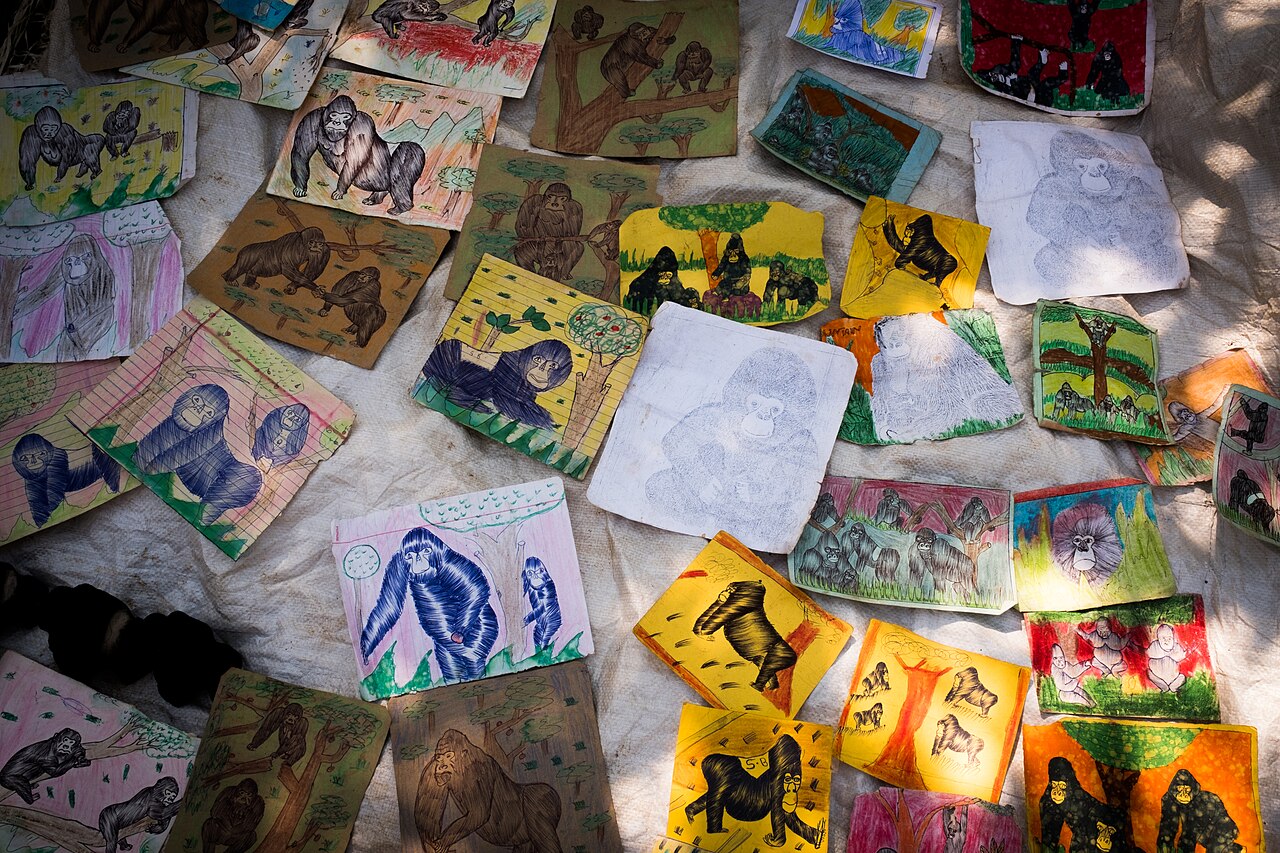
Uganda is a compact country with an unusually wide range of wildlife and landscapes, from mountain gorillas and chimpanzees to savanna game drives, the source of the Nile and snow-capped peaks on the Equator. Most trips start in Entebbe, where the international airport is, or in the capital Kampala about an hour away, and then fan out by road or small plane to the parks. Planning well matters, because the headline experiences are limited by permits and the distances between parks are long.
What to book first
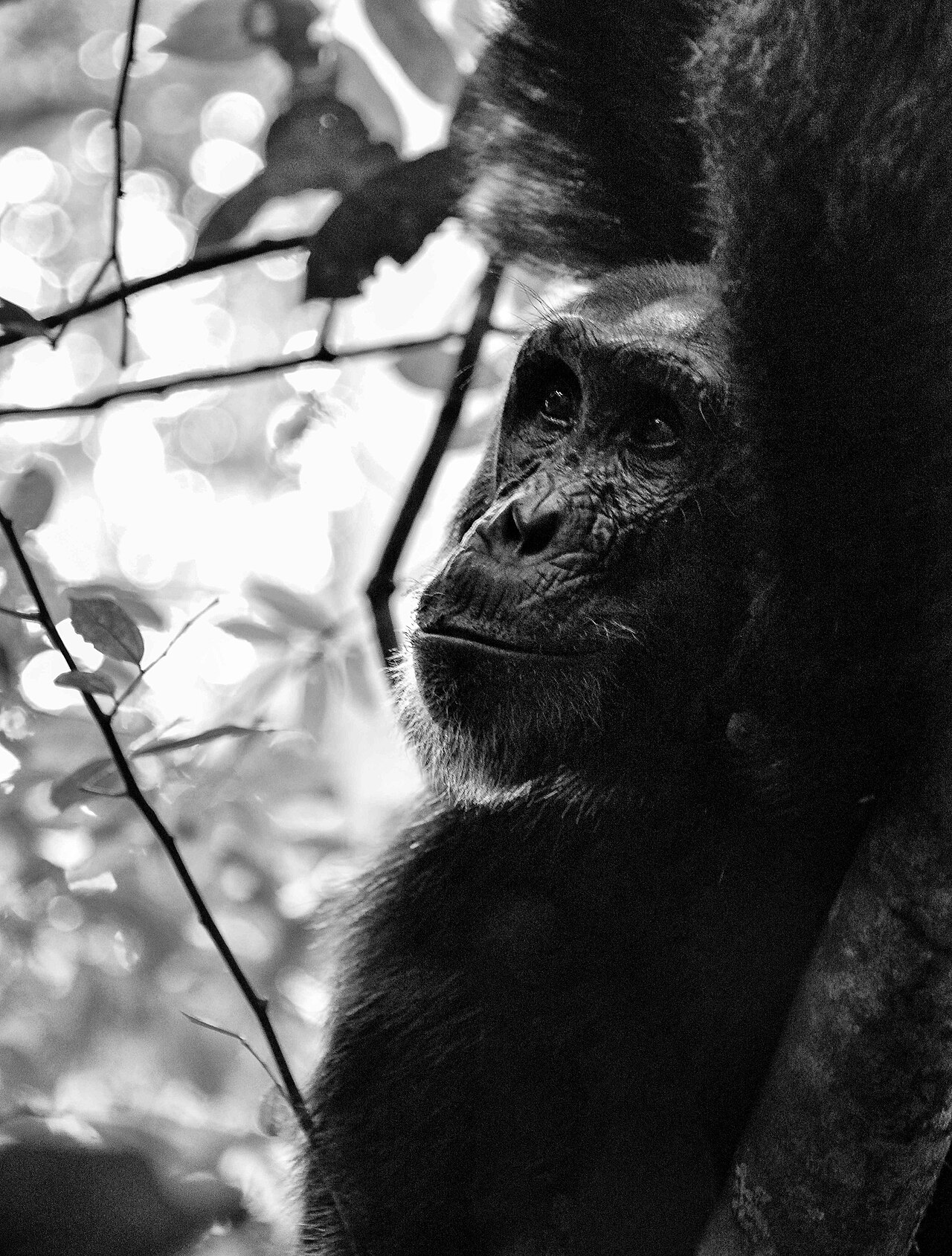
Book the gorilla permit before anything else. Permits are issued by the Uganda Wildlife Authority, either directly or through a tour operator, and they are limited, dated and tied to a sector of Bwindi or to Mgahinga. They cost several hundred US dollars for foreign visitors, and the rate can change, so confirm the current figure. Chimpanzee tracking in Kibale and Kyambura Gorge also needs a permit, at a lower price, and the park entry fees in each national park are charged separately. Book flights and lodges once the permits are confirmed.
Entry and health
Most visitors need a visa, which can usually be arranged online before travel, and a regional tourist visa exists for travellers visiting several East African countries. A yellow fever vaccination certificate is commonly required, malaria is present across the country, so speak with a doctor about prevention, and travel insurance that covers medical evacuation is wise. Check your government's current travel advice before you book, since some governments publish elevated advisories for parts of the country, and follow local guidance during your stay.
How many days
A short trip of five to six days covers Entebbe or Kampala, a Jinja day on the Nile and one wildlife park. Seven to ten days allows gorilla trekking in Bwindi, a safari in Queen Elizabeth National Park and a night in Kibale for chimpanzees. Ten to fourteen days adds Murchison Falls and Ziwa Rhino Sanctuary in the north, or Mount Elgon and Sipi Falls in the east. Remember that driving times are long: Bwindi is eight to ten hours from Kampala and Murchison five to six.
Getting around
The simplest option is to book a private vehicle with a driver-guide, who handles roads, park fees and routes and doubles as your wildlife guide. Self-drive is possible, but roads can be rough and traffic around Kampala is intense. Small domestic flights connect Entebbe or Kajjansi with airstrips near the main parks, which can save a day each way if budget allows. In cities, ride-hailing apps and motorbike taxis called boda bodas are common, and a helmet and a sensible driver make a big difference.
Money and connectivity
The currency is the Ugandan shilling, and US dollars are widely accepted at lodges and by operators, though notes should be recent and in good condition. Cards work in larger hotels and restaurants, but cash is needed in markets and rural areas. Mobile data is cheap and a local SIM card can be bought at Entebbe airport or in town. Power outlets use the British three-pin style, and the electricity supply is 240 volts.
What to pack
Pack neutral-coloured clothing, a warm layer for early mornings and high altitude, a waterproof jacket, sturdy waterproof hiking boots, gloves for gorilla trekking, a hat, sunscreen, insect repellent and binoculars. Soft bags are easier to load into vehicles than hard cases, and small bills are useful for tips. Bring a power bank, because electricity at remote lodges may be limited to certain hours.
Where the sights fit
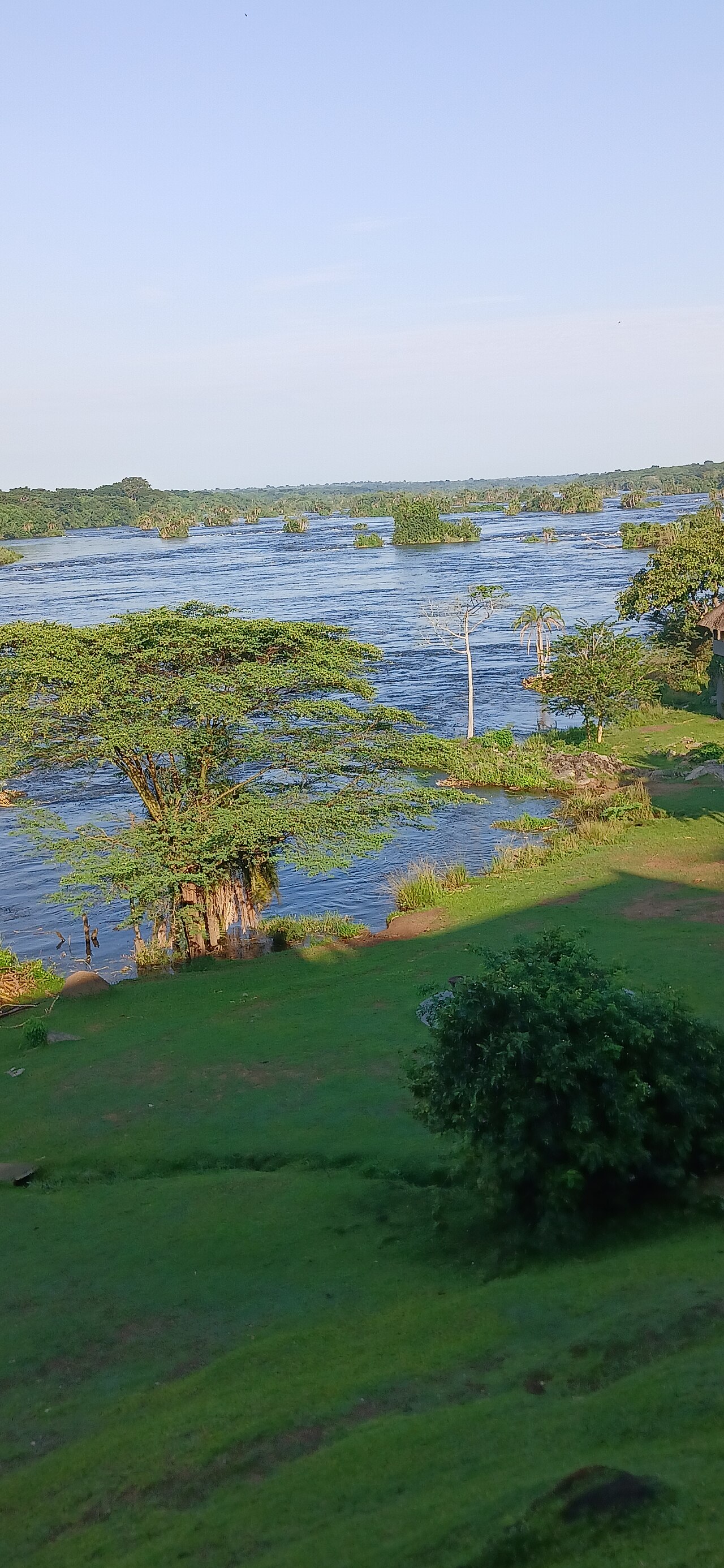
Begin with a day in Kampala or Entebbe to adjust, with the city walking tour or the botanical gardens. Take a day on the Nile at Jinja for the Source of the Nile, rafting or tubing. Head west for Queen Elizabeth National Park and the Kazinga Channel, then to Bwindi for the gorillas, with Kibale and the Rwenzori mountains as options. Go north for Murchison Falls, the boat cruise and Ziwa Rhino Sanctuary. Lake Mburo makes an easy overnight on the way to or from the south-west.
Responsible travel
Wildlife tourism pays for conservation and gives local people a reason to protect forests and animals. Choose licensed operators, keep to the distances your guides set, never feed animals and do not travel if you have a contagious illness before a primate trek. Buy crafts and coffee directly from cooperatives where you can, and tip guides, porters and drivers fairly. A visit that spreads spending across communities does the most good.