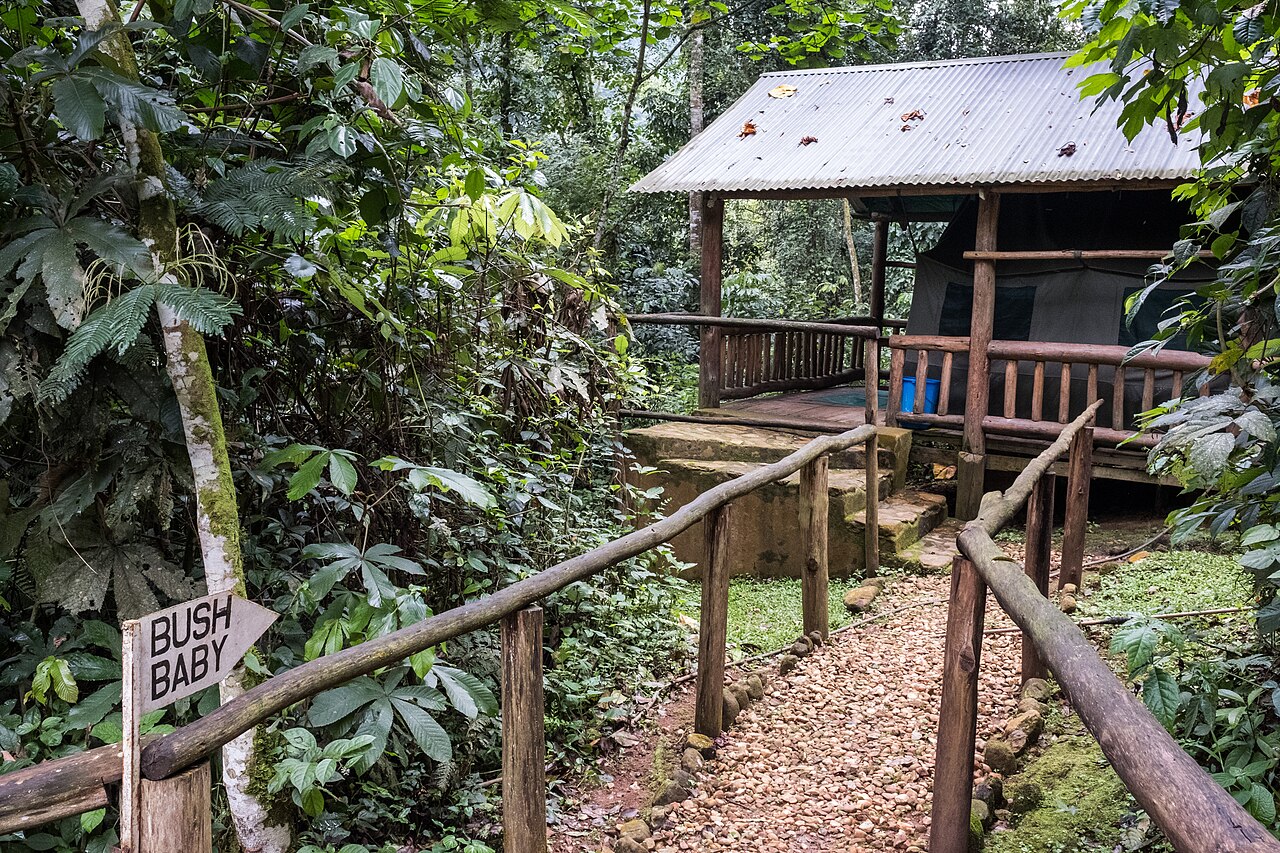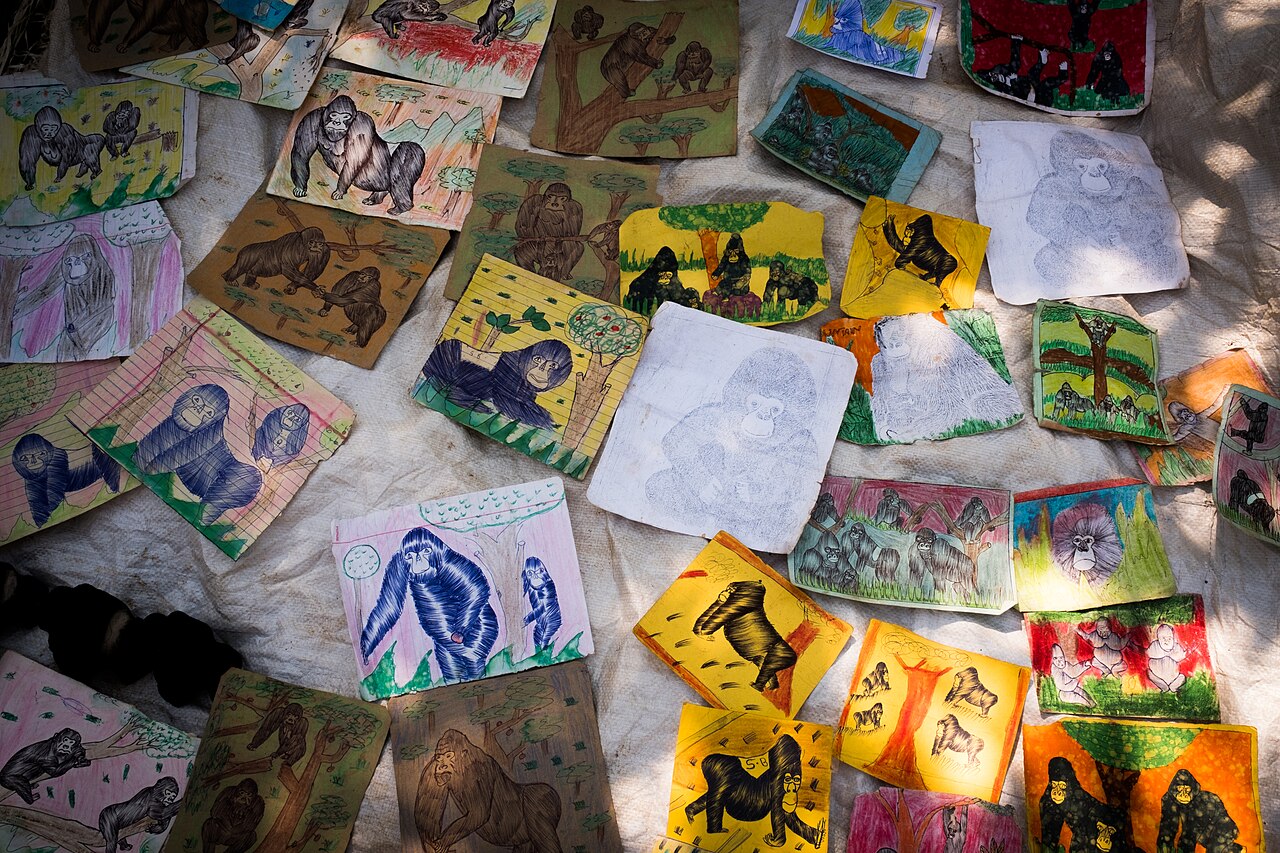
Uganda sits on the Equator, but its altitude keeps the climate mild, with warm days, cool nights in the highlands and no real winter. The seasons are defined by rain rather than temperature. There are two wetter periods and two drier periods each year, and the best time to visit depends on what you want to do. The country can be visited year-round, so use the seasons as a guide and not a barrier.
The dry seasons
The two drier periods run from December to February and from June to September. Roads are easier, trails are less muddy, game viewing is at its best as animals gather near water, and mountains such as the Rwenzori are most likely to be clear. These are the busiest times, so gorilla permits, lodges and flights fill early, and prices can be higher. If you want to visit in these months, book several months ahead, especially for gorillas.
The rainy seasons
The longer rains fall from March to May and the shorter rains in the last months of the year, though patterns vary and rain can fall at any time in the west. Wet-season travel has benefits: landscapes are green, birdlife is at its peak with migrants present, rates are lower and parks are quieter. The downsides are muddy roads, slippery forest trails and more cloud on the mountains, so pack waterproofs and allow extra travel time.
Gorilla and chimpanzee trekking
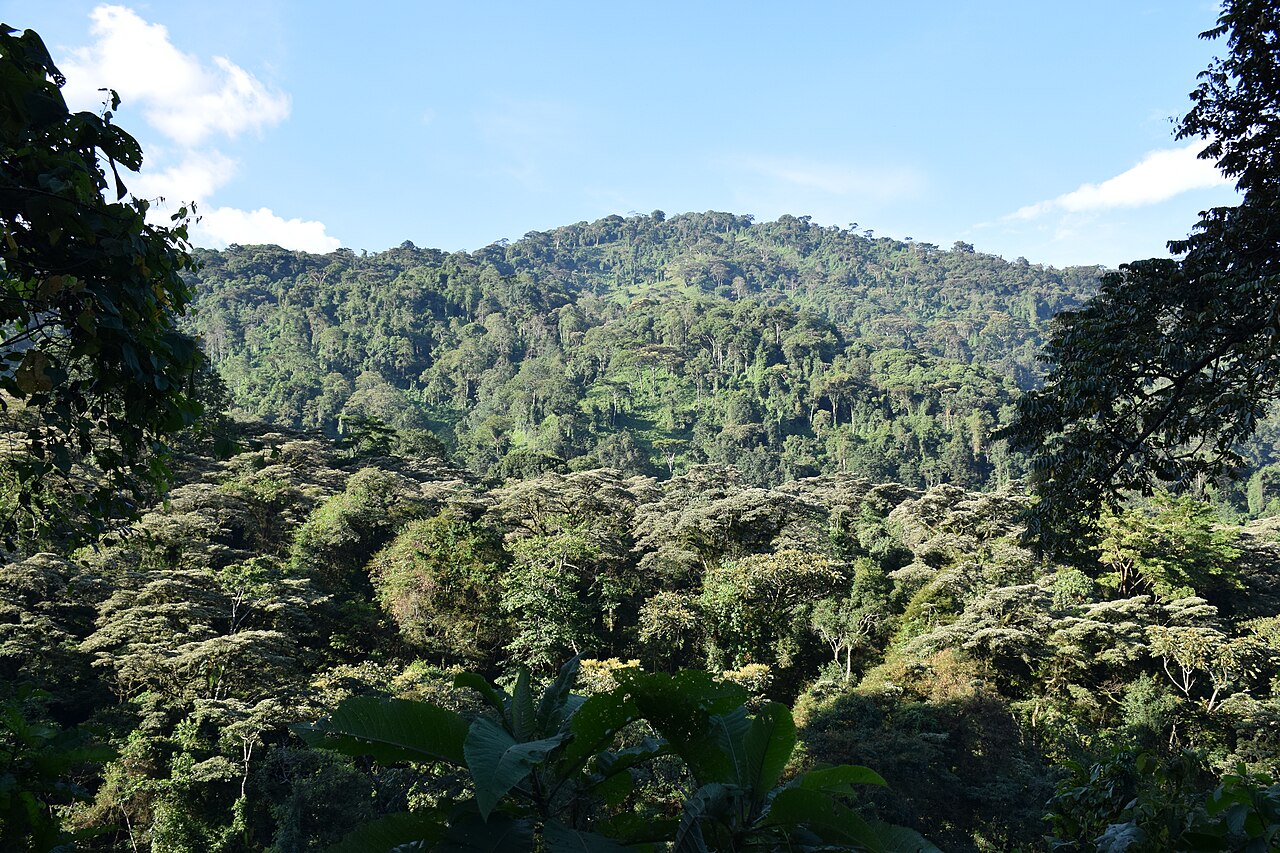
Trekking is possible all year, because the animals are found in forests that are wet and green in any season. Dry months make the hikes easier underfoot, but the forest is damp whatever the weather, and rain showers can fall at any time. In the wet months, some lodges and permits are cheaper, and trails are muddier, so wear good boots and gloves. Do not let the season put you off, since the experience is just as rewarding.
Safaris and game drives
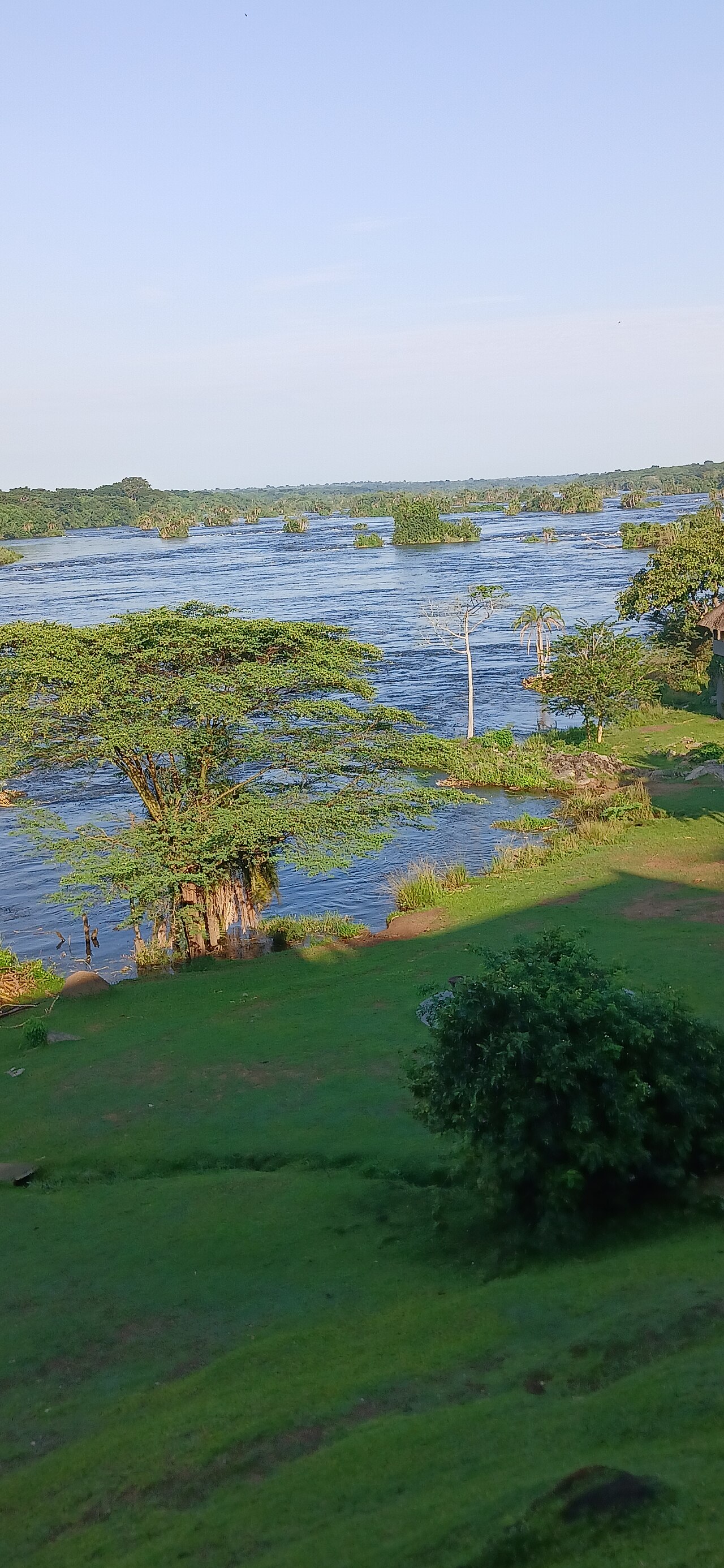
In the dry seasons, animals concentrate along rivers, channels and lakes, which makes sightings easier at Murchison Falls, Queen Elizabeth and Lake Mburo. Grass is shorter and views are clearer. In the wet seasons, wildlife disperses, grass is high and some tracks are tough, but there are fewer vehicles and newborn animals appear. Birdwatchers often prefer the wet months, when migratory species arrive and resident birds are in breeding plumage.
Adventure and the Nile
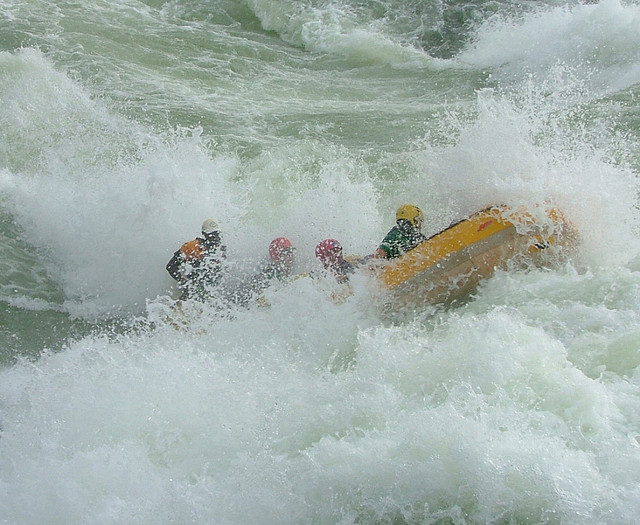
White-water rafting and tubing run year-round, since the Nile's flow is regulated by Lake Victoria and the dam. The water is warm in every season. Sipi Falls is most dramatic after the rains, and mountain trekking in the Rwenzori and Mount Elgon is best in the driest months, when trails are less slippery and skies are clearer.
Temperatures
Kampala and Entebbe have daytime temperatures in the mid to high twenties Celsius, with warmer, more humid conditions near the lakes and the north. Highland areas such as Bwindi, Kisoro and the Rwenzori are much cooler, and nights can be cold, especially at altitude. Pack layers, a warm fleece and a waterproof jacket for every trip, regardless of the season.
Crowds, prices and permits
Peak season, from June to September and December to February, brings the highest prices and the tightest availability. Shoulder months offer a balance, with good weather and fewer visitors. Gorilla permits and top lodges can sell out far ahead for peak dates, so be flexible about sector, date and lodge, and book as early as you can.
Planning by interest
Choose December to February or June to September if wildlife viewing, mountain hiking or the most reliable trails are your priority. Choose the wetter months if you prefer green scenery, lower prices and birds, and are happy to accept some rain and mud. If your dates are fixed by school holidays or work, do not worry: Uganda delivers in every season, and a good operator can adjust your route, for example by putting mountain days in the driest week and forest days when rain is likely.
Events and holidays
Local public holidays and school breaks can affect crowds at parks and on the roads, and some religious festivals bring heavy traffic around Kampala. Check the calendar when you plan. Seasonal patterns are a guide, not a guarantee, so keep your plans flexible, carry rain gear, and build a spare day into longer itineraries.