Uganda is one of the few countries where you can track mountain gorillas and chimpanzees in the wild, and it has the greatest range of primates in East Africa. The experiences are exciting, regulated and unforgettable, but they need planning, and the details of permits, fitness and behaviour matter. This guide explains how it all works.
Gorillas: where to go
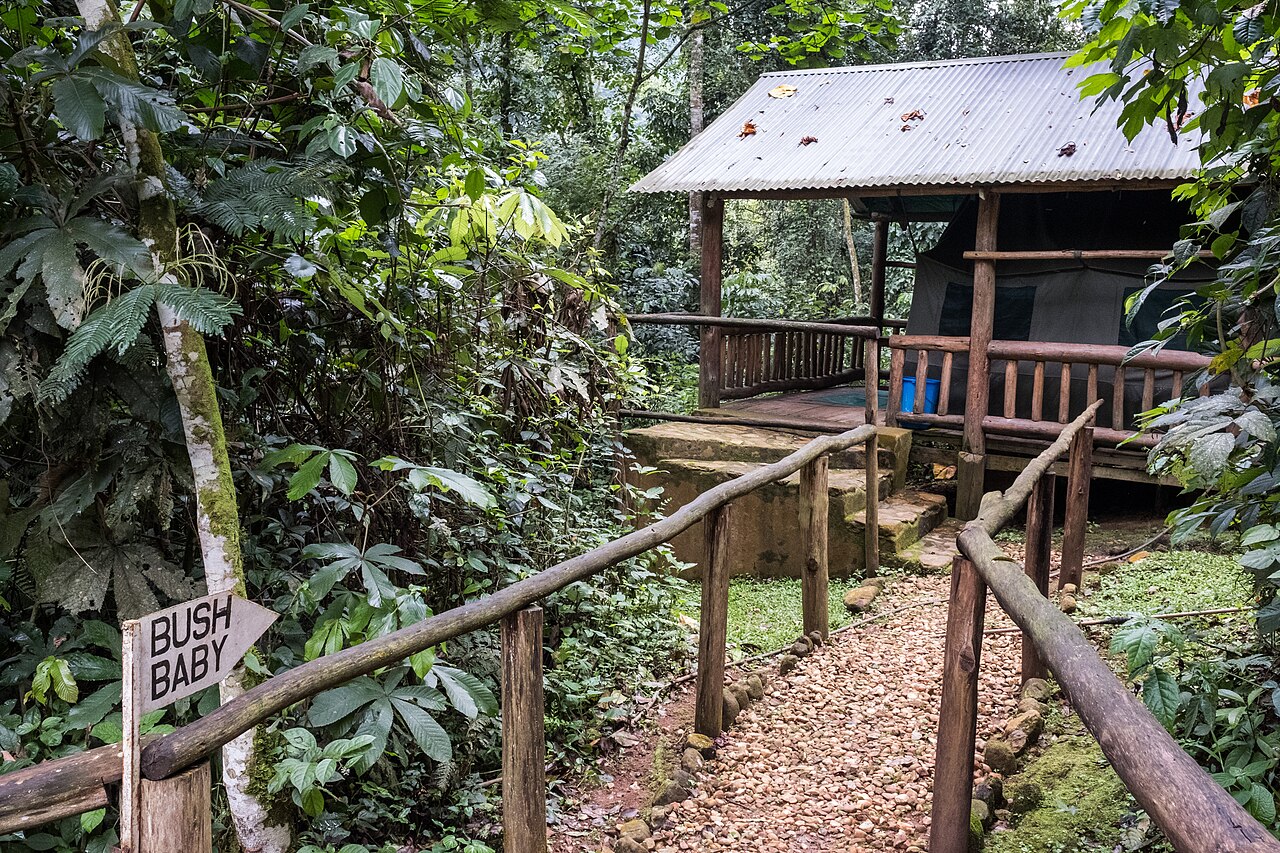
Uganda's mountain gorillas live in Bwindi Impenetrable National Park and Mgahinga Gorilla National Park, in the south-west. Bwindi holds the majority, with groups habituated in four sectors: Buhoma, Ruhija, Rushaga and Nkuringo. Mgahinga has a single habituated group that sometimes moves across the border. The right sector depends on fitness, the permits available and your route, and the permit you book decides your sector.
Permits and booking
Permits are sold by the Uganda Wildlife Authority, directly or through licensed operators, and each is tied to a date, a sector and your passport details. The price for foreign visitors is several hundred US dollars, set by the authority and subject to change, and a lower rate applies to eligible residents. Book as early as possible for dry-season dates, because permits are limited to eight visitors per gorilla family per day. Payments are usually non-refundable, so check change and cancellation rules.
What a trek is like
You meet your guides at the trailhead for a briefing, then walk into the forest with a ranger, trackers and often armed escorts for protection against wildlife. The trek can take from under an hour to most of a day, on steep, muddy paths through dense vegetation. When you find the group, you leave your bags and walk the last stretch, and you have one hour with the animals. Expect to see silverbacks, mothers and playful juveniles, and to hear the sounds of feeding and grooming.
Fitness and porters
The forest is steep and slippery, and altitudes of around two thousand metres make the walking harder, so a reasonable level of fitness helps, though trackers set a pace for the group. Hiring a porter is inexpensive, supports local families and eases the load. Walking sticks are provided at most trailheads. If you have limited mobility, ask about sedan-chair style carrying services, which are arranged for visitors who need assistance.
Rules for the gorillas
The rules protect the animals from human diseases. Keep to a distance of several metres, stay in a group, speak softly, avoid sudden movements, never use flash and do not eat or drink near the gorillas. If you need to cough or sneeze, turn away and cover your face. Visitors with colds, flu or other infections can be refused, so tell the rangers honestly. The minimum age is fifteen.
Chimpanzees
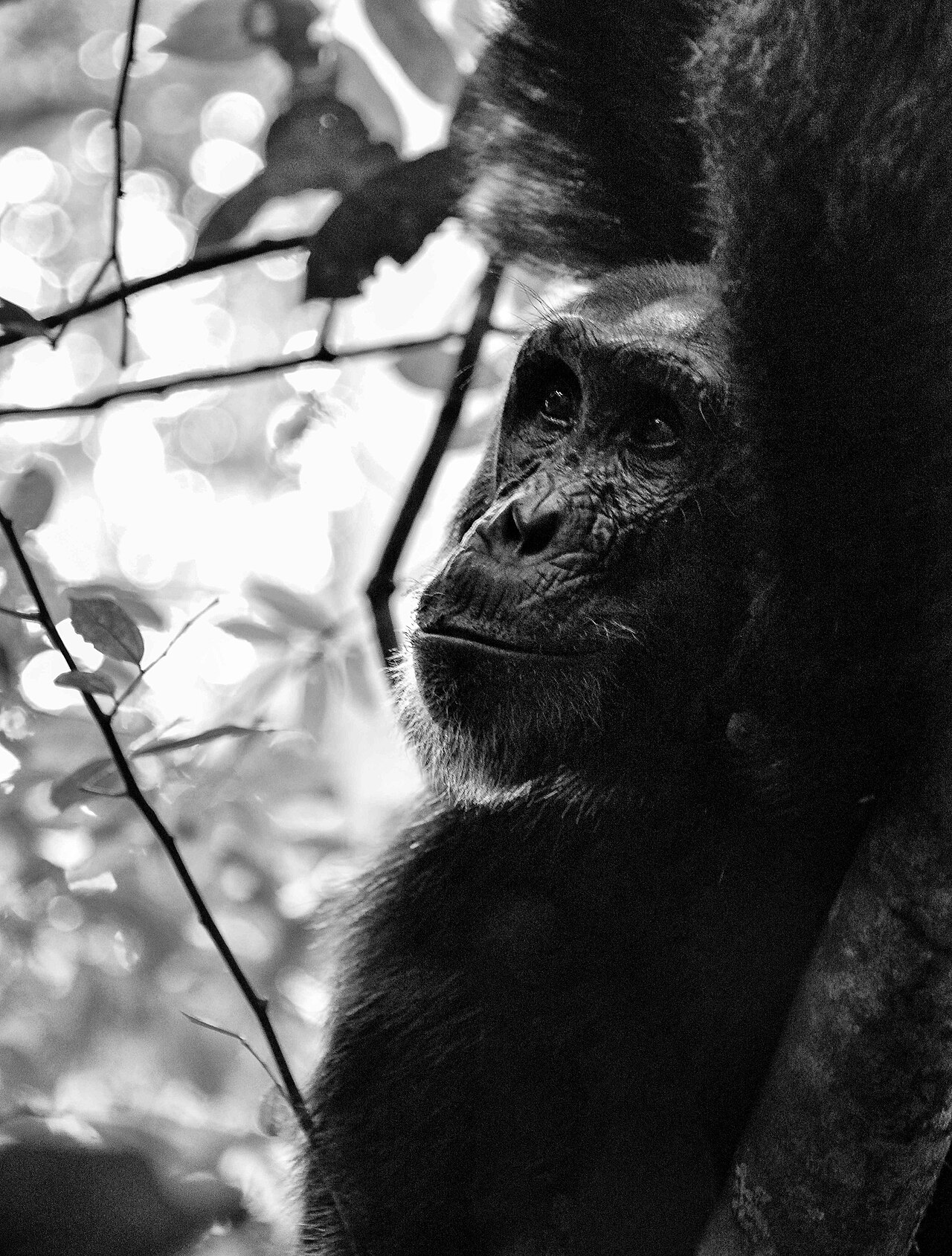
Chimpanzee tracking takes place in Kibale National Park, near Fort Portal, in Kyambura Gorge in Queen Elizabeth National Park, and at some other forests, such as Budongo near Murchison Falls. Sessions usually run in the morning and afternoon, with a briefing, a forest walk and an hour with the group. Kibale is the best-known option and gives high odds of a good sighting. The habituation experience offers a longer day with a group that is being accustomed to people. Minimum age is twelve.
Other primates
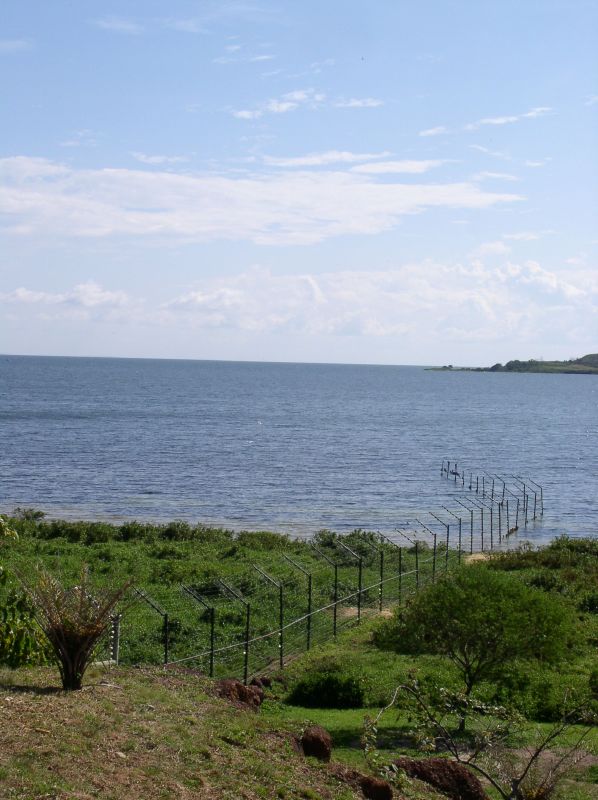
Golden monkey tracking in Mgahinga is easier and cheaper than gorilla trekking, and Bigodi Wetland near Kibale and other forests offer chances to see red colobus, black-and-white colobus, blue monkeys and many others. Ngamba Island Chimpanzee Sanctuary gives a way to see chimpanzees on a day trip from Entebbe, which suits visitors who cannot trek.
What to pack
Waterproof jacket and trousers, sturdy waterproof boots, long sleeves and trousers, gardening gloves, a hat, insect repellent, a daypack with water and snacks, a camera with a silent mode and a rain cover. Pack light, since the porter will carry your bag, and keep valuable items in dry bags.
Choosing an operator
Pick a licensed operator that explains what is included, handles permit paperwork, offers fair wages for guides and porters and cares for conservation. Compare the full cost, including the permit, transport, lodging and extras. Ask about safety, group sizes and the plan if the gorilla family moves. A good operator answers questions clearly and helps you choose between sectors, rather than selling a single package.