Ulaanbaatar has one of the most extreme climates of any capital. It is high, dry and far from any sea, so the seasons swing from hot summer afternoons to winters that stay below freezing for months. There is no single right time to go, but there is a right time for each kind of trip, and choosing well makes more difference here than in most cities.
Summer: June to August
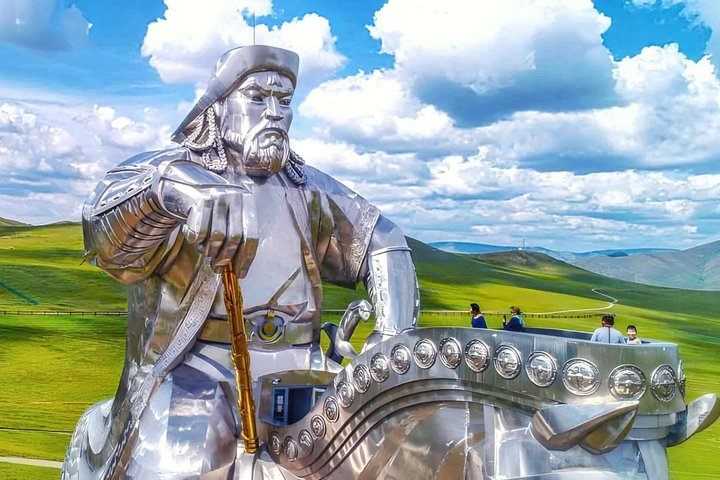
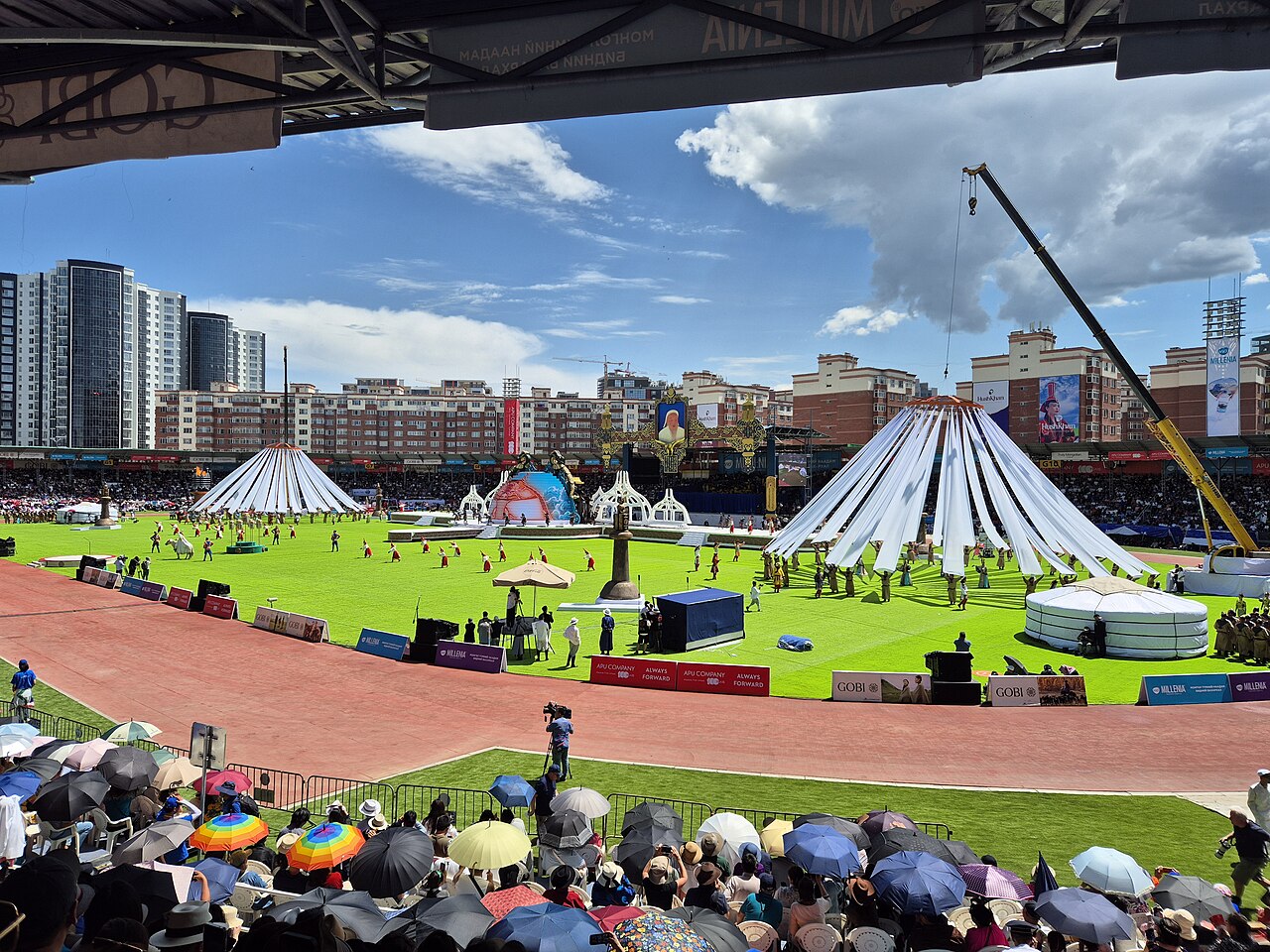
This is the peak season and the best time for first-time visitors who want the classic Mongolia. Days are long and warm, the steppe is green, ger camps are open, and horse riding and hiking are at their best. July brings the Naadam festival, with the national celebration on 11 July and events over several days, so it is the single most popular time to visit, and flights, hotels and tours sell out months ahead. Summer is also the rainy season, with showers and thunderstorms common in July and August, and prices are at their highest. Book early, and expect to share Terelj and the statue complex with large groups.
Autumn: September and October
Many experienced travellers consider this the best compromise. The summer crowds thin, prices ease, the air is crisp and clear and the light is excellent for photography. Nights turn cold early, and by October frost and the first snow are possible, so bring warm layers. Most ger camps run through September and some into October, but confirm before you plan an overnight stay. It is a good month for Hustai National Park, which is quieter once the summer tour traffic fades, and for hiking on Bogd Khan Mountain before the snow arrives.
Winter: November to March
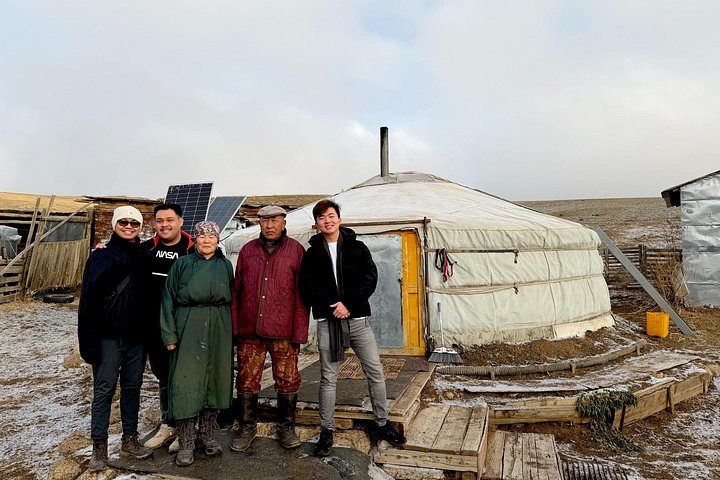
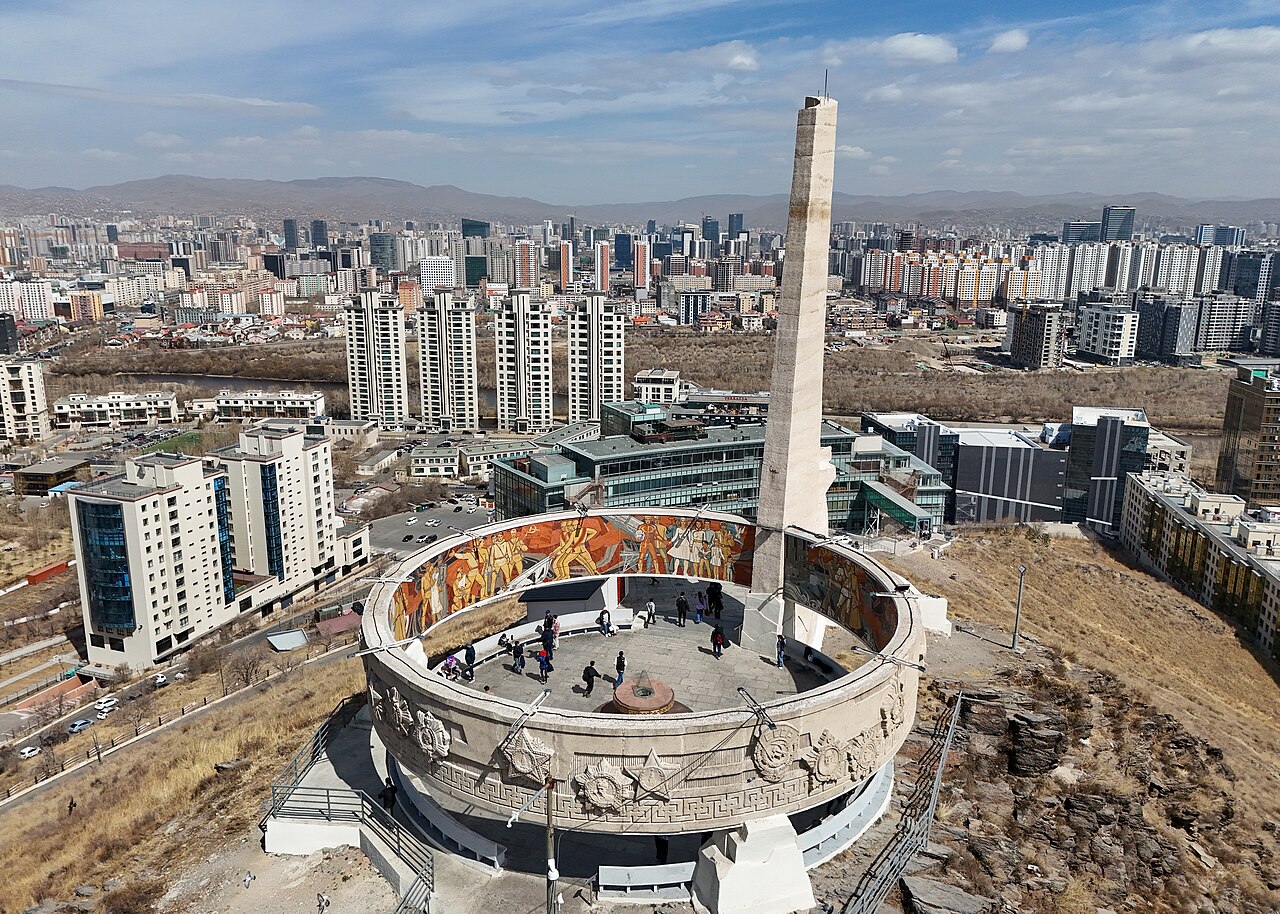
Winter is long, severe and very quiet. Daytime temperatures commonly stay below freezing, nights are far colder, and wind makes the open steppe harsher still. Air pollution from stoves in the ger districts is at its worst, which can haze the view from Zaisan. The reward is a different, intimate Mongolia: empty temples at Gandan, snow-covered hills, frozen rivers at Terelj, lower prices and the chance to see a herding family at the hardest time of the year. The city itself remains fully usable, with museums, restaurants and shows indoors. The cost is practical. Many ger camps close, daylight is short and icy roads can delay day trips, so choose a reliable operator and leave a spare day at the end of the trip. Winter also includes Tsagaan Sar, the lunar new year, in late winter, when families gather and visit one another. The date moves each year, and some shops and services close for a few days around it, so check before you travel.
Spring: April and May
Spring is the least appealing season for most visitors. It is cold, windy and dry, dust and smoke can hang in the air, and the steppe is still brown. Some camps have not yet opened. It is quiet and inexpensive, though, and by late May the grass begins to green. It suits travellers who want the city and the museums without the crowds, rather than outdoor trips.
Month by month in brief
June is fresh and green but can still be cool in the evenings. July is hot, lively and wet. August is warm and green with fewer crowds after Naadam. September is the calm, golden month. October is cold and clear. November through February is deep winter. March is still wintry, and April brings the first thaw, along with the wind. Whatever the month, nights on the steppe are cold, so a warm layer belongs in the bag.
Choosing by interest
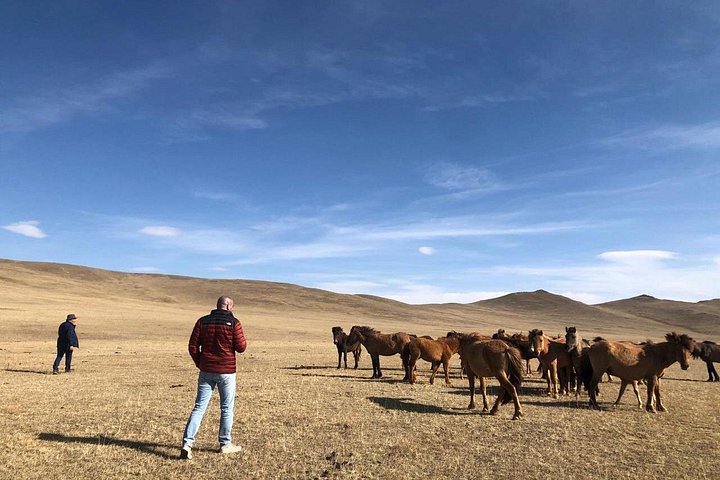
For Naadam and festivals, go in July. For landscapes, riding and ger camps, go from June to September. For photography and fewer people, choose September. For museums, monasteries and a low budget, choose winter and dress seriously. For wildlife at Hustai, aim for the quieter shoulder months, or go in winter if you can cope with the cold, when the open slopes make the herds easier to spot against the snow.
What to pack
In summer, bring layers, rain protection and sun cream, because the sun is strong at altitude. In winter, bring a windproof coat, thermal base layers, insulated boots with real grip, a hat that covers your ears and warm gloves, and consider a mask against the pollution. At any time of year, bring cash in tögrög for small purchases, comfortable shoes for uneven pavements and a power bank, because cold drains batteries quickly.
A word on planning
Whenever you go, allow a buffer day around any trip outside the city, because weather can change fast on the steppe. Book accommodation early for July, and in the cold months ask each ger camp directly whether it is open and heated. A little flexibility turns a hard season into a good one.