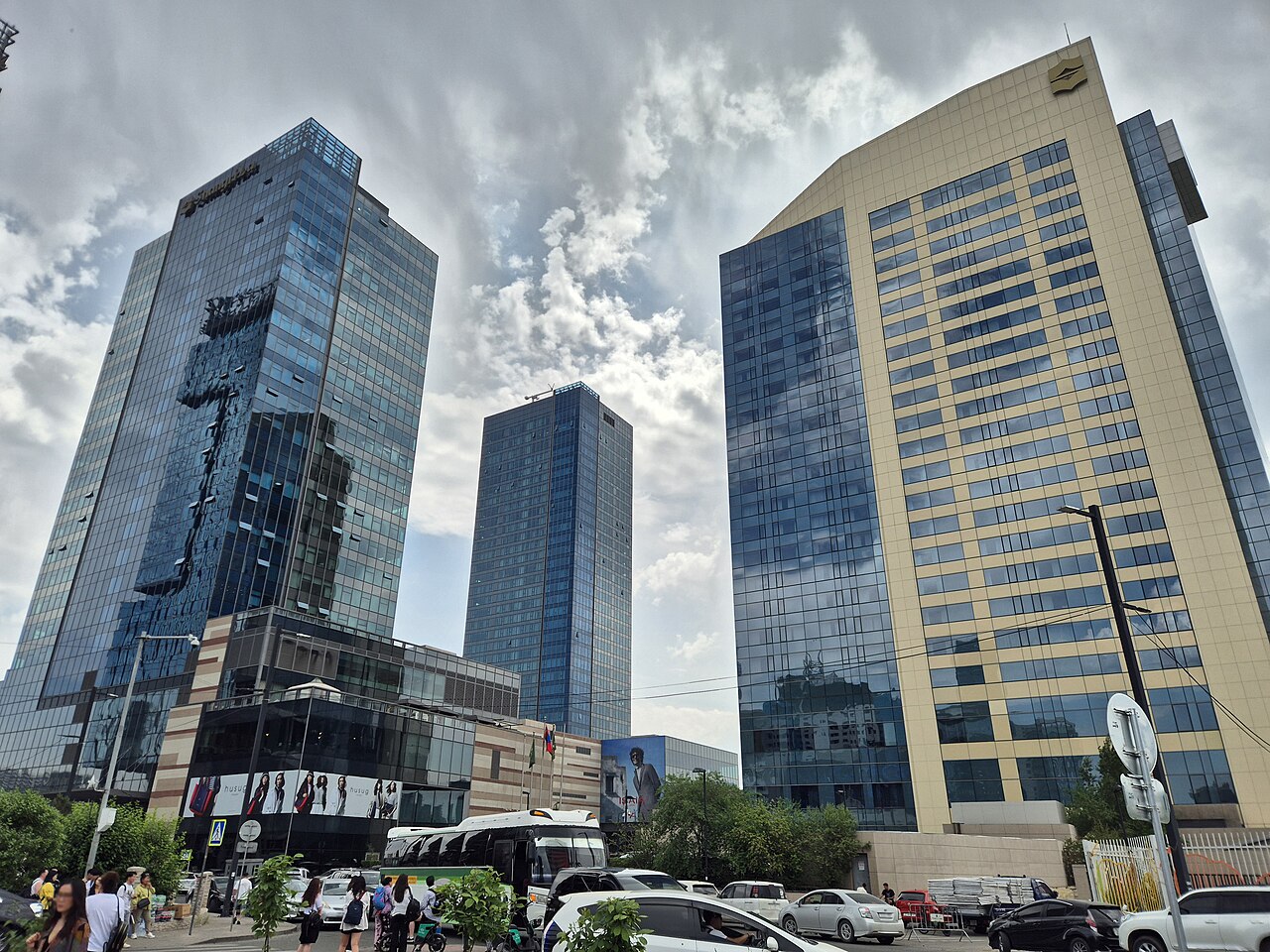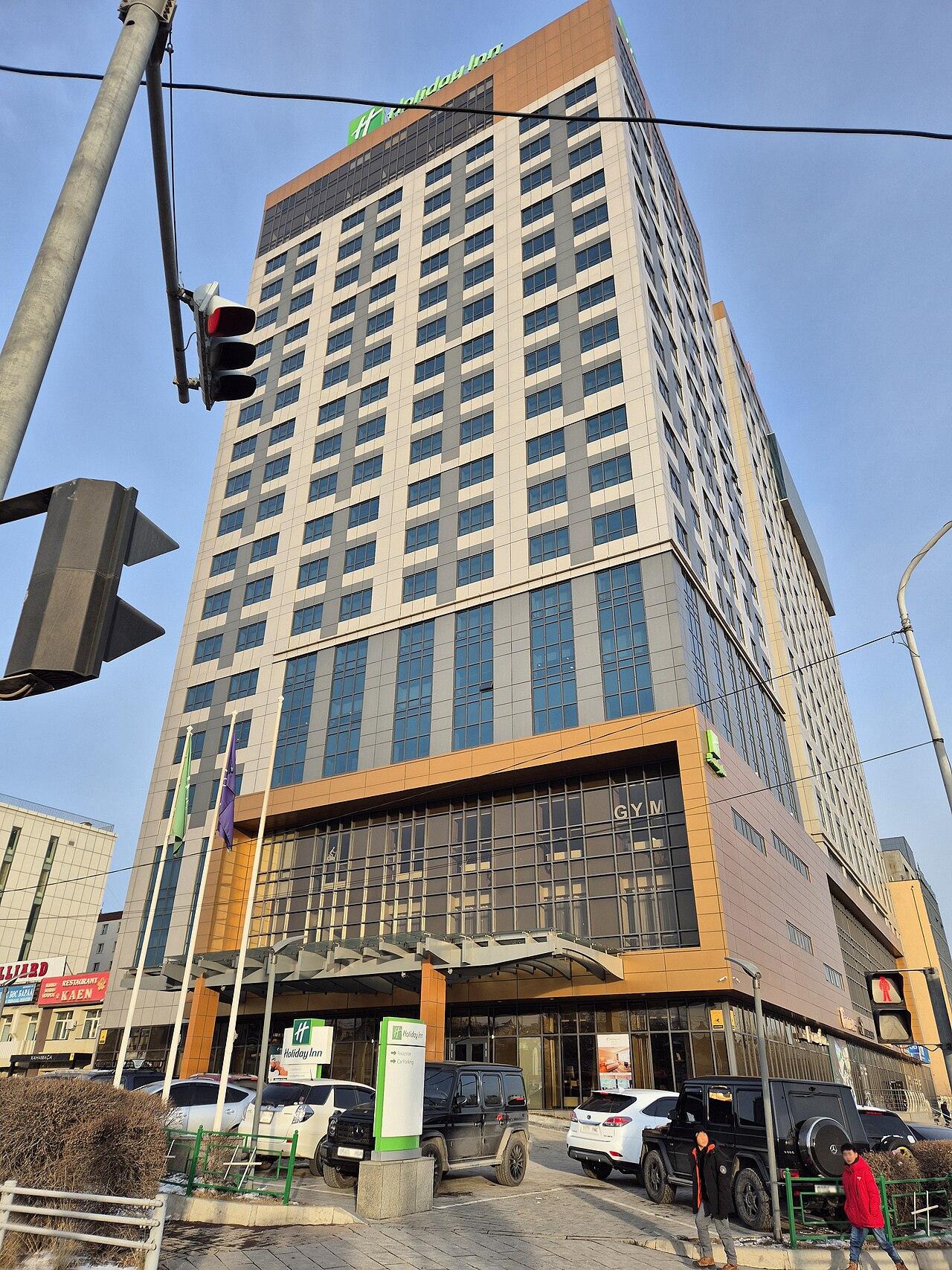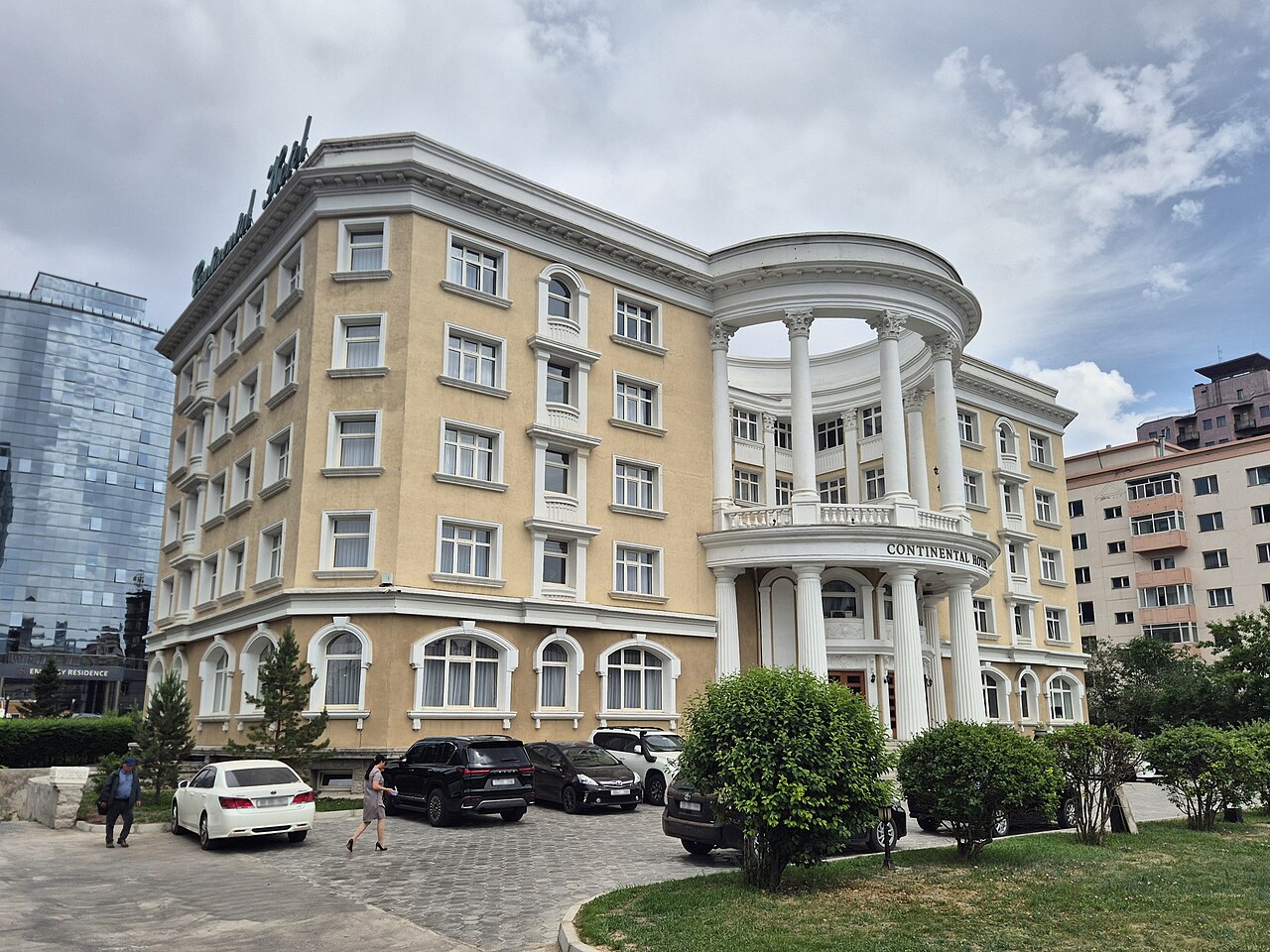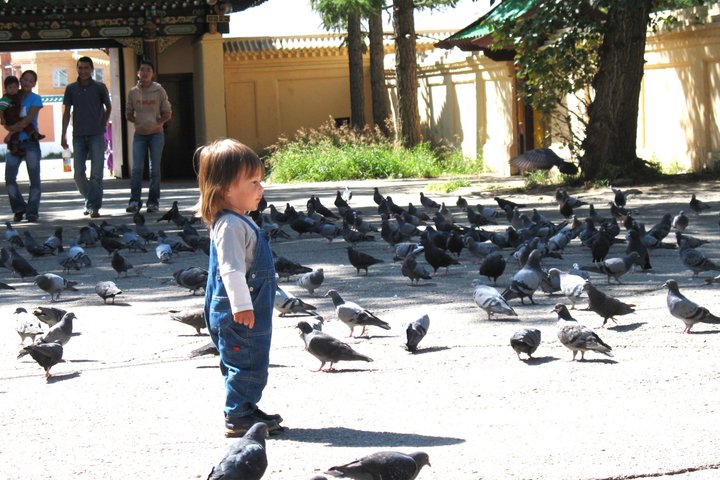
Ulaanbaatar is the world's coldest national capital, a high, dry city of about one and a half million people set in a valley beside the Tuul River at roughly 1,300 metres. It is busy, a little chaotic and surprisingly rich in temples, museums and monuments, and it is also the gateway to a landscape of steppe, granite hills and nomadic life that begins within an hour or two of the last apartment block. Most visitors spend two or three days in the city and add one or two days outside it.
How many days
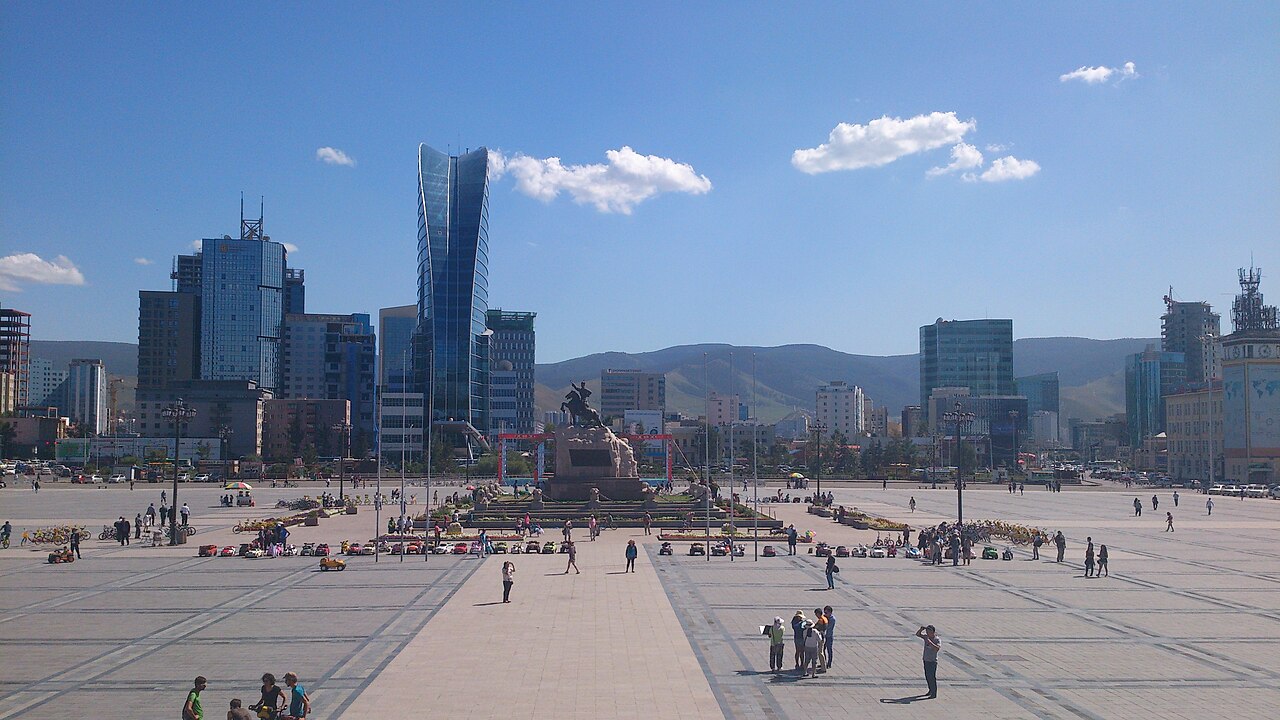
Two days covers the central sights, and three days adds one day trip. Four days lets you add a night in a ger. A good city rhythm is Gandan Monastery for morning chanting, the Chinggis Khaan National Museum at midday, a walk around Sükhbaatar Square in the afternoon and a folk show in the evening, with a second day for the Bogd Khan Palace Museum and the Zaisan Memorial viewpoint.
What to book ahead
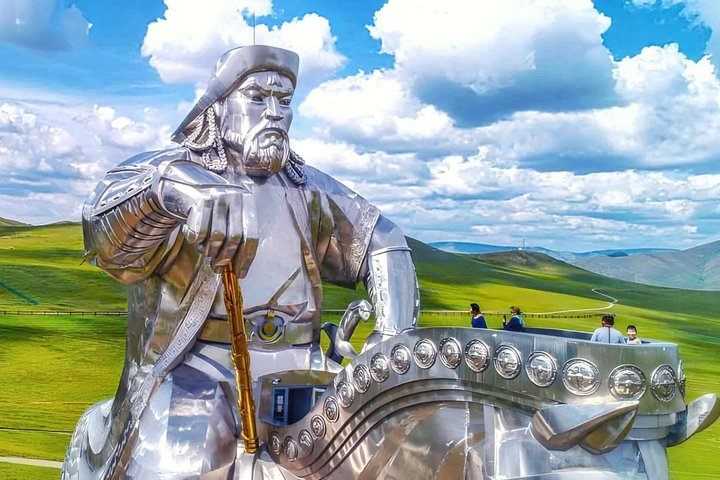
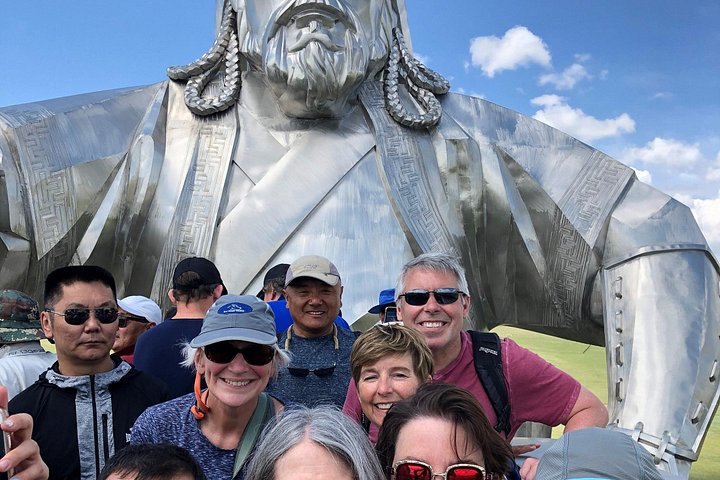
The city sights mostly need no advance booking, but the day trips and ger stays do. A guided day trip combining the Chinggis Khaan statue, Terelj National Park and Turtle Rock is the classic outing and is easy to book through a tour operator, while Hustai National Park for the wild Przewalski's horses suits a private day tour with a driver. If you want an English-language guided tour at the national museum, reserve it by phone in advance. For Naadam in July, book flights, hotels and tours many months ahead.
Where the sights fit
The central cluster is Sükhbaatar Square, the Chinggis Khaan National Museum and the National Museum of Mongolia, all within a few minutes of each other. Gandan Monastery is a short drive north, and the Bogd Khan Palace Museum and the Zaisan Memorial are on the southern side, so they pair well. Outside the city, the Chinggis Khaan statue lies east, Terelj north-east and Hustai south-west, which is why most day trips pair the statue with Terelj and treat Hustai as a separate day.
Getting around
The centre is walkable in mild weather, but distances between sights are longer than they look and traffic is heavy, especially in winter and at rush hour. Taxis and ride-hailing apps are inexpensive and are the easiest way to get around, and a hired car with a driver makes sense for day trips. Public buses exist but are crowded and hard to use without Mongolian. The new international airport is outside the city and a transfer takes about an hour, so arrange it ahead.
When to go
Summer is the peak season, with warm days, green steppe and Naadam in July, but also higher prices and crowds. Autumn is crisp and quieter. Winter, from November to March, is severe, with daytime temperatures often below freezing, nights far colder and air pollution from stoves in the ger districts at its worst, yet it brings empty temples, snow on the steppe and lower prices. Some ger camps close for winter, and some activities run on reduced schedules, so confirm each before you plan.
Practical tips
Dress in layers, with a windproof coat, thermal base layers, insulated boots with real grip, a hat that covers your ears and warm gloves, and consider a pollution mask in winter. Carry some cash in tögrög for temples, small shops and tips, and watch your belongings in crowds. Treat temples and ger hosts with respect by covering shoulders and knees, accepting tea with your right hand and asking before photographing people. Allow a spare day at the end of any trip with winter driving, because snow can delay a return.