Stanley Park was a home and a resource for Coast Salish peoples long before it was a park. A walking tour led by an Indigenous guide brings that history to life, with stories, plant knowledge and the meaning of the totem poles that visitors often photograph without knowing what they represent.
Stanley Park is a place of recreation, but it is also a place with deep Indigenous history. Coast Salish peoples, including the Musqueam, Squamish and Tsleil-Waututh Nations, lived in and around the peninsula for thousands of years, using its forests, shorelines and waters for food, materials and ceremony. A guided walk with an Indigenous guide presents the park through this lens, linking familiar landmarks with the stories, names and uses that were there long before the park was created.
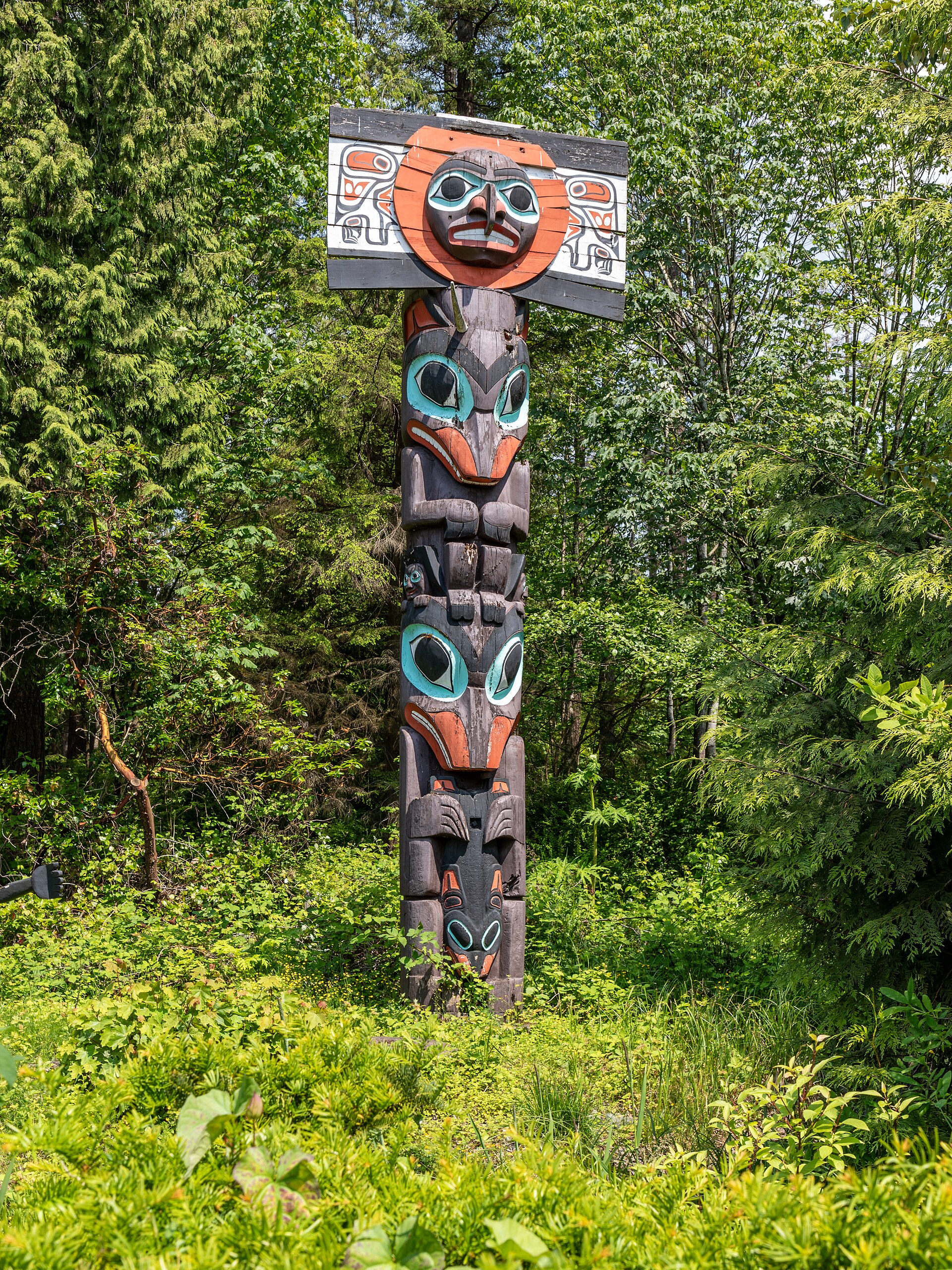
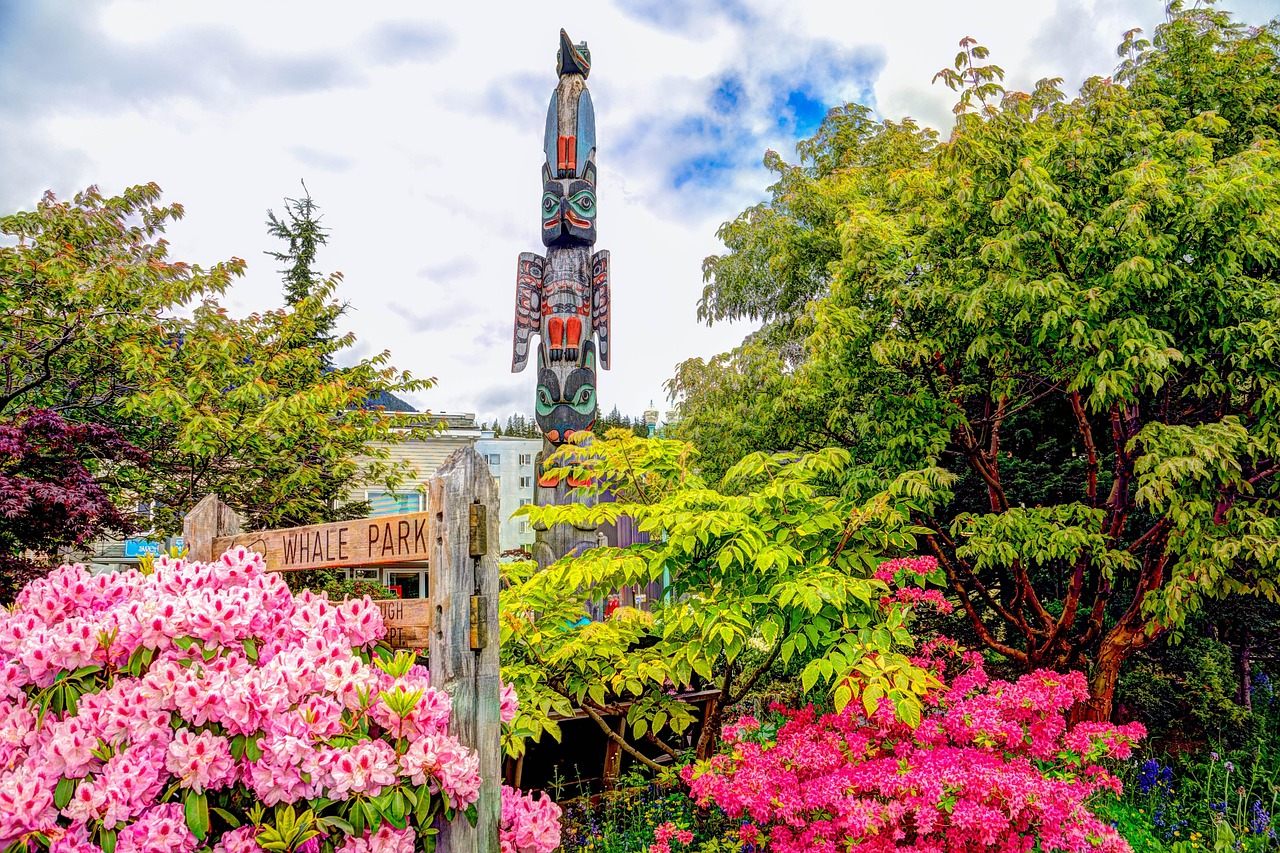
Tours generally focus on the Brockton Point area, where a cluster of totem poles has become one of the most visited sights in Vancouver. Guides explain what the poles represent, the different Nations and artistic traditions they come from, and the protocols around carving and raising a pole. Along the way, you may learn how cedar, one of the most important trees in the Pacific Northwest, was used for houses, canoes, clothing and tools, and how other plants in the forest served as food and medicine.
Many guides also share personal and family stories, which give the tour a human quality that a plaque cannot match.
The tour also addresses the more difficult parts of the park's history, including the displacement of communities that lived within its boundaries and the long period when Indigenous presence was ignored in public accounts. A good guide balances this with celebration of living culture, pointing to contemporary artists, to language revitalisation and to the ways that Indigenous peoples continue to shape the city. Visitors often come away with a different understanding of the park, and of Vancouver, and with a new respect for the territory they are standing on.
Walks are normally gentle and last around two hours on paved and groomed paths, with stops for explanation and questions. Wear comfortable shoes and weather-appropriate clothing, since tours run in light rain, and bring water. Be respectful on the tour: listen carefully, ask questions courteously and ask before taking photographs of people. Some guides prefer that you do not photograph certain items or ceremonial objects, and they will tell you at the start. Participation is a chance to support Indigenous-led tourism, which is a growing part of the local visitor economy.
The walk fits neatly into a day in the park. Before or after, you can ride or walk the Seawall, visit the aquarium or enjoy a picnic at one of the beaches. Many visitors take the tour on their first morning in Vancouver to give context to everything they see afterwards, and it works well for returning visitors who have already done the major sights.
If you want to learn more, the Museum of Anthropology at UBC is a natural follow-up, with major collections of Northwest Coast art and a thoughtful presentation of the cultures behind them.
It is worth thinking about how you will use what you learn. Many visitors find that the tour changes how they see the rest of the city, from the place names on road signs to the carved art in hotels and airports. Guides are generally happy to recommend books, galleries and Indigenous-owned businesses, from art studios to cafes, where you can continue learning and support local communities. Consider booking early in your trip, so that you can apply the context to everything else you see in Vancouver.
What to expect
The experience
Guided walk in Stanley Park led by a First Nations guide, with stops at the totem poles and forest trails, storytelling and plant knowledge.
Best time
Mornings and clear days are pleasant, but tours run in light rain. Year-round offering; check the schedule for the season.
How long
Around 2 hours at a gentle pace on paved and groomed paths.
Tips
Wear comfortable shoes and weather-appropriate layers, bring water and listen to the guide's guidance on photography. Ask questions respectfully and allow time afterwards to explore the park.
Quick picks
- Best for
- Curious visitors who want the Indigenous story behind Stanley Park and its totem poles.
- Families
- Suitable for school-age children who enjoy stories; the pace is gentle and the paths are easy.
- Couples
- A thoughtful, memorable start to a day in the park.
- Pair with
- The Seawall, Brockton Point and the Museum of Anthropology at UBC are natural companions.
- Time needed
- Allow 2 to 2.5 hours.
Good questions
Who leads the tour?+
Tours are led by Indigenous guides who share Coast Salish history, stories and plant knowledge, along with the meaning of the totem poles.
Where do the totem poles come from?+
The poles at Brockton Point come from several Nations and artistic traditions, and guides explain the differences and the stories carved into them.
How long is the walk?+
Most tours last around two hours at a gentle pace on paved and groomed paths.
Is it suitable for children?+
Yes, especially for school-age children who like stories. Paths are mostly flat and easy.
Can I take photographs?+
Usually yes, but listen to your guide at the start, since some items or moments may be off limits, and ask before photographing people.