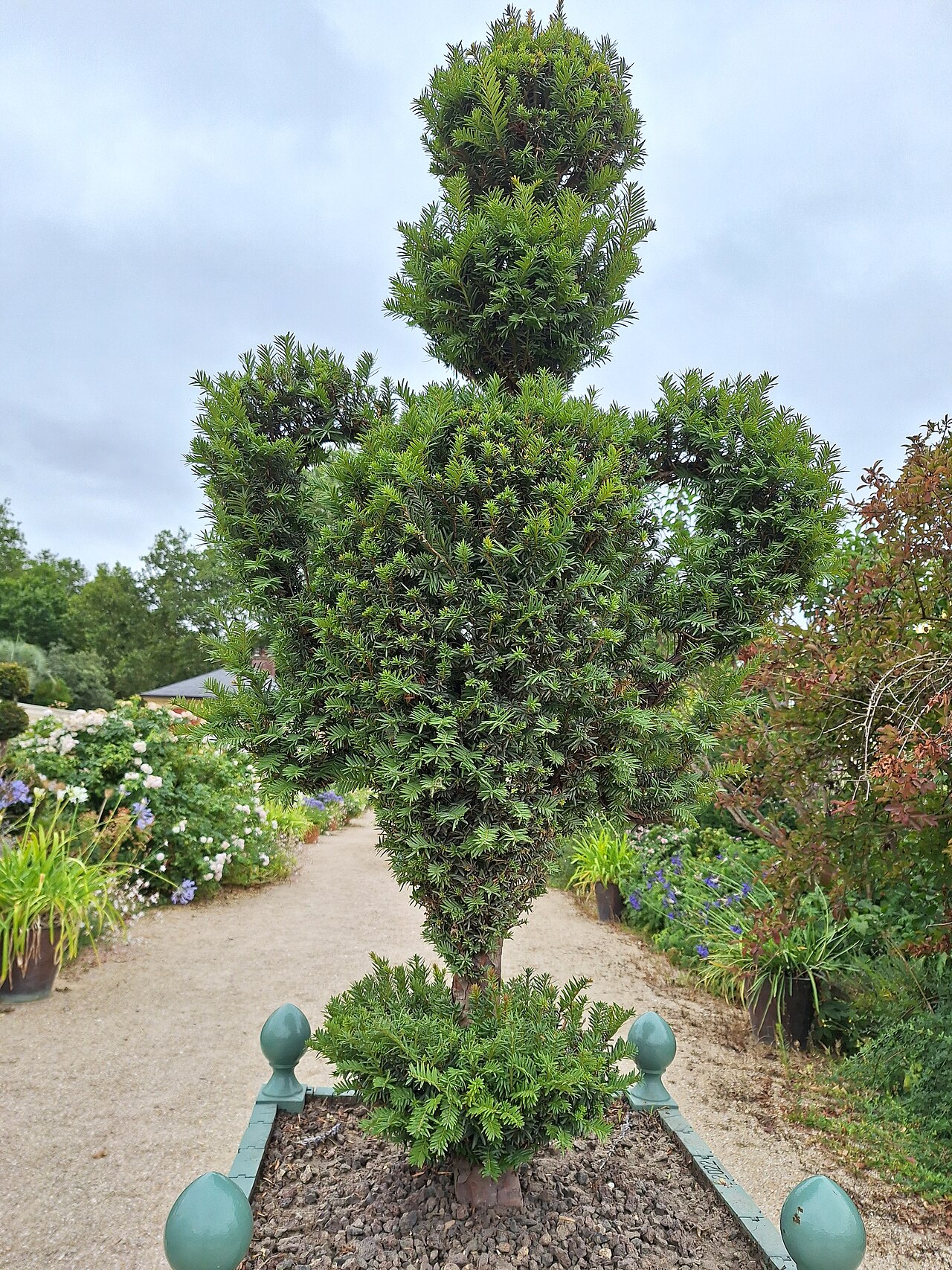
Not every royal garden at Versailles is about fountains and sculpture. The Potager du Roi was laid out between 1678 and 1683 by Jean-Baptiste de La Quintinie to supply Louis XIV and his court with fruit and vegetables, and it is still a working garden today. Nine hectares of sunken squares, espaliered fruit trees and neat vegetable plots sit in the heart of the town, a short walk from the palace gates, and the site grows more than seven hundred and fifty varieties of fruit and vegetables. It is protected as a historic monument and it also houses the national school of landscape architecture, so you may share the paths with students at work. The visit is gentle and quite different from the palace: this is about the craft of growing, the geometry of French garden design and the astonishing appetite of a court that wanted figs, peaches and asparagus out of season. Entry costs a modest fee that is lower in the winter months than in the summer ones.
Why it is worth the detour
The palace shows how the king displayed power, and the kitchen garden shows how he fed it. La Quintinie was one of the great horticulturists of his age, and his walled enclosures, stone-edged beds and trained trees were designed to coax early crops out of the Versailles clay.
Today the layout is the same classical grid, and the seasons change what you see: blossom on the trained fruit trees in spring, heavy crops and rows of vegetables in summer and autumn, and bare, graphic structure in winter. A boutique sells seasonal produce and garden products, and a bookshop focuses on gardens and landscape.
How to visit well
Allow an hour to ninety minutes for an unhurried loop, longer if you like to read every label and sit by the beds. Guided tours run on weekends from April to October, led by guides, gardeners or landscape students, and the guided visits are in French only, so most visitors in English walk it independently.
Opening days and hours change by season, so look at the ticket page before you set out. The garden is on the town side of the palace, about ten minutes on foot from the Versailles Château Rive Gauche RER station, and there is a car park and step-free access for visitors who need it.
Who it suits
Gardeners, cooks, photographers and anyone who has already done the palace and wants an hour of calm. It pairs naturally with the nearby Notre-Dame market, where the same produce culture continues, and with the Saint-Louis quarter and its cathedral. Children who are bored by gilded rooms often enjoy it, especially in summer when there is something to point at on every bed. In wet weather the paths can be soft, so wear shoes you do not mind getting muddy.
Because it is a working garden and a teaching site, it rewards a second look through the year: what is bare in February is crowded in August, so even people who visit Versailles often find a reason to return. Bring a camera for the geometry of the beds, which looks best in low autumn light, and look closely at how the fruit trees are trained flat against walls and along wires, a technique that was the pride of the king's gardener.
What to expect
The experience
A self-guided walk through the walled squares and espaliered orchards, with weekend guided tours in French from April to October.
Best time
A dry morning in spring, summer or early autumn, when the beds are in leaf and the trained trees are in flower or fruit.
How long
About an hour to ninety minutes.
Tips
Check the ticket page for the season's opening days, wear shoes that can cope with soft ground and combine it with the Notre-Dame market, ten minutes away.
Quick picks
- Best for
- Gardeners, cooks and anyone who wants a quiet hour away from the palace crowds.
- Families
- Good for children who like to see where food grows, especially in summer, though there is no playground.
- Couples
- A slow walk between the espaliers is a pleasant, uncrowded change after the palace.
- Pair with
- The Notre-Dame market and the Saint-Louis quarter, both within a short walk.
- Time needed
- One to one and a half hours.
Good questions
What is the Potager du Roi?+
It is the walled kitchen garden created for Louis XIV between 1678 and 1683 by Jean-Baptiste de La Quintinie. It is still cultivated today and grows hundreds of varieties of fruit and vegetables.
Is the kitchen garden free?+
No. There is a modest admission fee, and the winter rate is lower than the rate from April to October. Check the ticket page for the current price and opening days.
Are guided tours available in English?+
Guided tours run on weekends from April to October, but they are given in French only. Most English-speaking visitors walk the garden on their own.
How far is it from the palace?+
It is on the town side of the palace, about ten minutes on foot from the Versailles Château Rive Gauche RER station.
Can I buy produce there?+
A boutique on site sells seasonal produce and garden products, and a bookshop covers gardens and landscape. Stock changes with the season.