Versailles is open all year, but the experience changes with the seasons more than most palaces. The fountains run only from April to early November, the gardens are free for part of the year and charge for part of it, and the crowds swell and shrink with school holidays and the weather. This guide explains what each season offers so you can pick the one that suits you.
Spring, from April to June
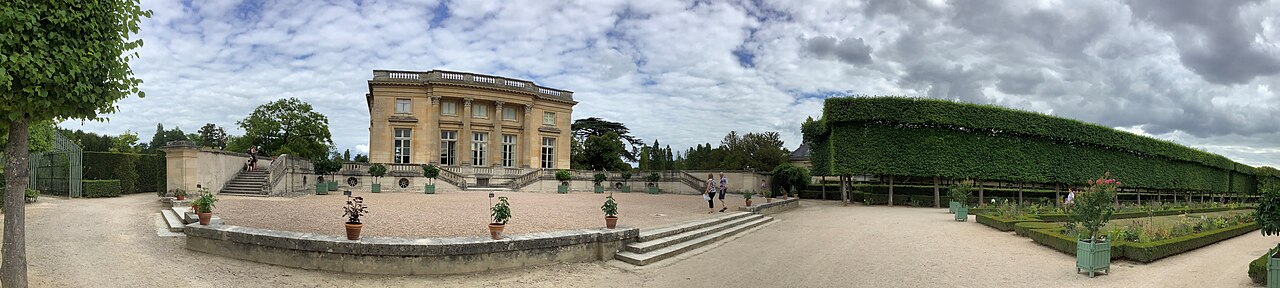
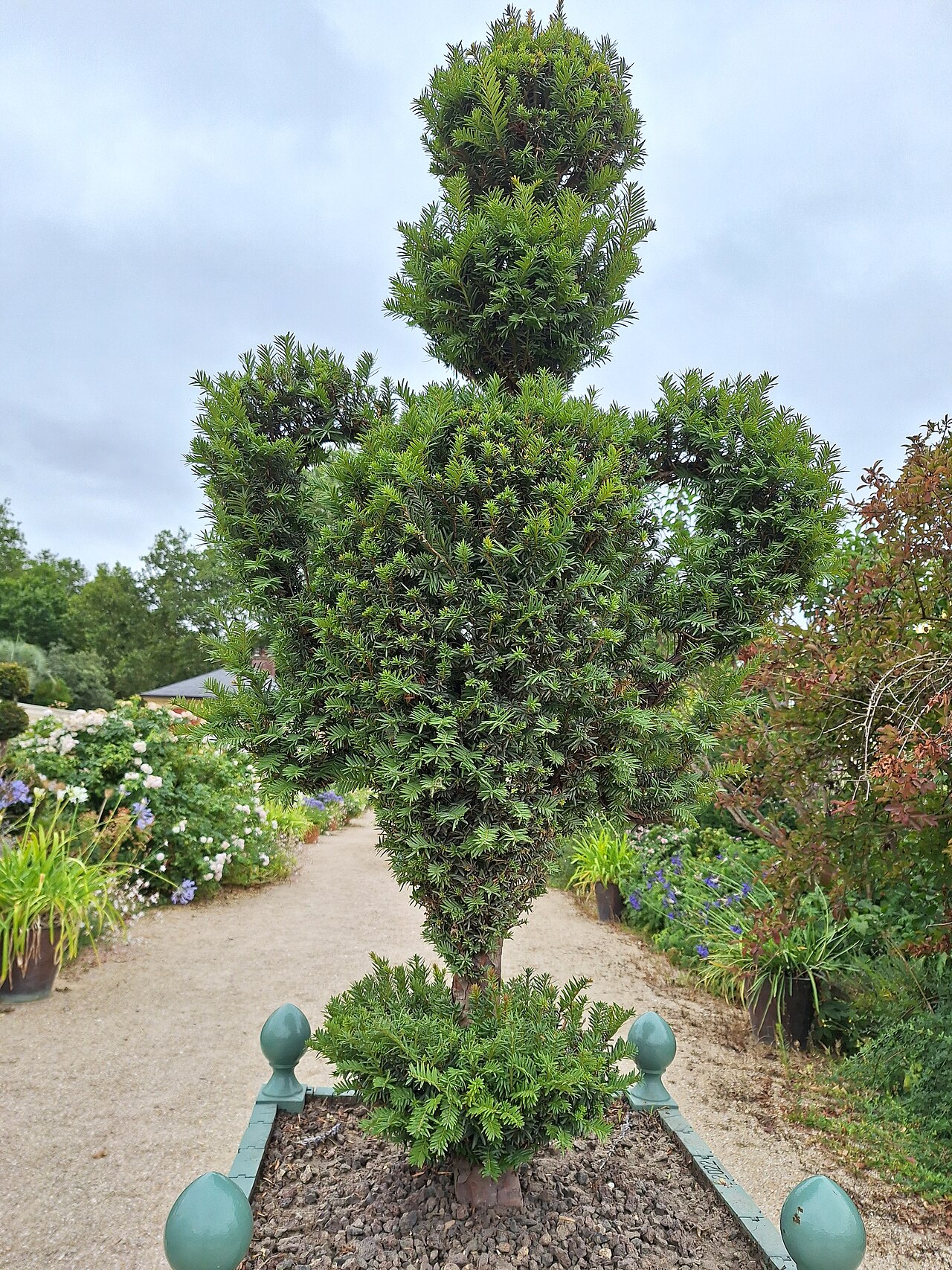
Spring is the best balance for many visitors. The Musical Fountains Show begins in April and runs on weekends, with extra Tuesday dates in late spring, and the Musical Gardens fill the groves with music on weekday afternoons. The gardens are green, the parterres are in bloom and the days are long enough to combine the palace and the estate of Trianon. On fountain days the gardens charge admission, which the Passport ticket covers. Expect more crowds than in winter, especially at weekends, so book a timed palace ticket and go early.
Summer, from July to August
Summer is the busiest season and the one with the most to do. The fountain shows run, the Trianon estate and the Queen's Hamlet are at their best, and on Saturday evenings in the season there is also a Night Fountains Show sold separately. The drawbacks are heat, long queues and higher hotel prices. Go on a weekday, start at the first slot of the day, carry water and use the shade of the groves in the afternoon. The Notre-Dame market is lively, and a picnic in the gardens is a good way to avoid expensive lunches.
Autumn, from September to early November
Early autumn is a strong second choice. The fountain season continues until early November, the crowds thin after the summer holidays and the light on the gardens is beautiful, with the trees turning colour in October. The Royal Stables resume weekend performances after their late-summer break, so an evening at the equestrian show fits well. Bring a layer, because mornings get cool, and check the fountain calendar if the shows matter to you.
Winter, from November to March
Winter is the quietest and cheapest time. The fountains are off from November to March, but the gardens are free every day, which makes it the best season for a budget visit. The palace opens at 9:00 with last entry at 16:45, and the Trianon estate opens from midday, so plan the palace for the morning and Trianon for the afternoon. Days are short, paths can be muddy and the open parterres are windy, so wear waterproof shoes and a warm coat. Hotel rates are lowest from November to February, and the palace is much easier to enjoy without the summer crowds.
Days of the week
The palace and the Trianon estate are closed on Mondays, and also on 1 January, 1 May and 25 December. Tuesday is often busy because it is the first day after the closure, and weekends are the most crowded. Wednesday to Friday mornings are usually the calmest. The Notre-Dame market halls are open Tuesday to Sunday, and the open-air stalls set up on Tuesday, Friday and Sunday mornings.
Choosing by priority
If you want the fountains, go from April to early October on a show day. If you want the gardens free and the palace quiet, go from November to March. If you want long days, warm weather and the full programme, go in late spring or early autumn. If you are travelling with children, a spring weekday with a fountain show or a summer morning in the gardens is hard to beat.
A word on weather
Paris-region weather is changeable in every season, so pack for a day outdoors even when the forecast is good: a light waterproof, comfortable shoes and a hat in summer, gloves in winter. The palace is indoors, but queues and the gardens are not, and the estate is large enough that you can be a long walk from shelter. A flexible plan that puts the palace on the wettest part of the day and the gardens on the brightest works better than a rigid timetable.
Planning tips for every season
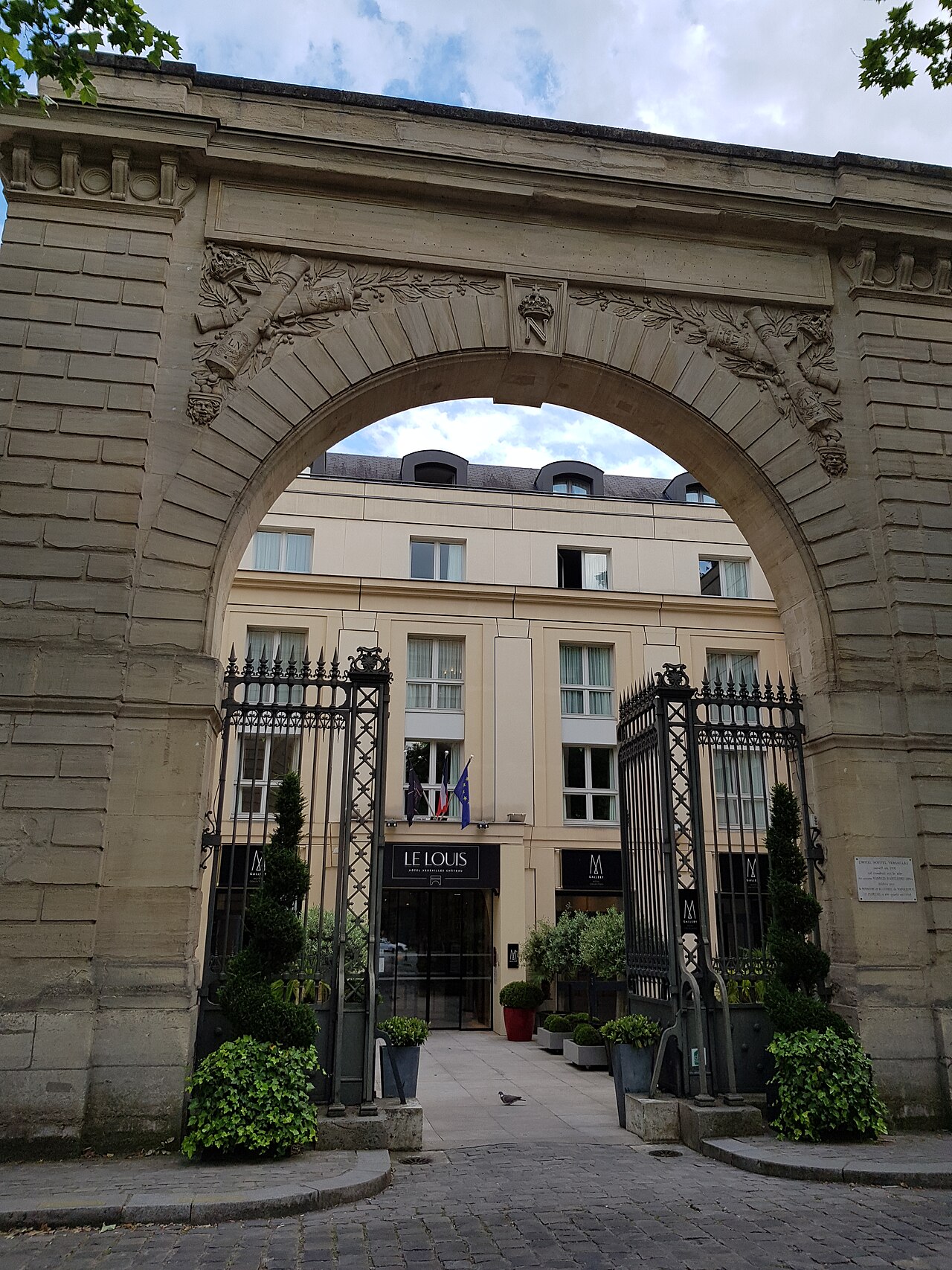
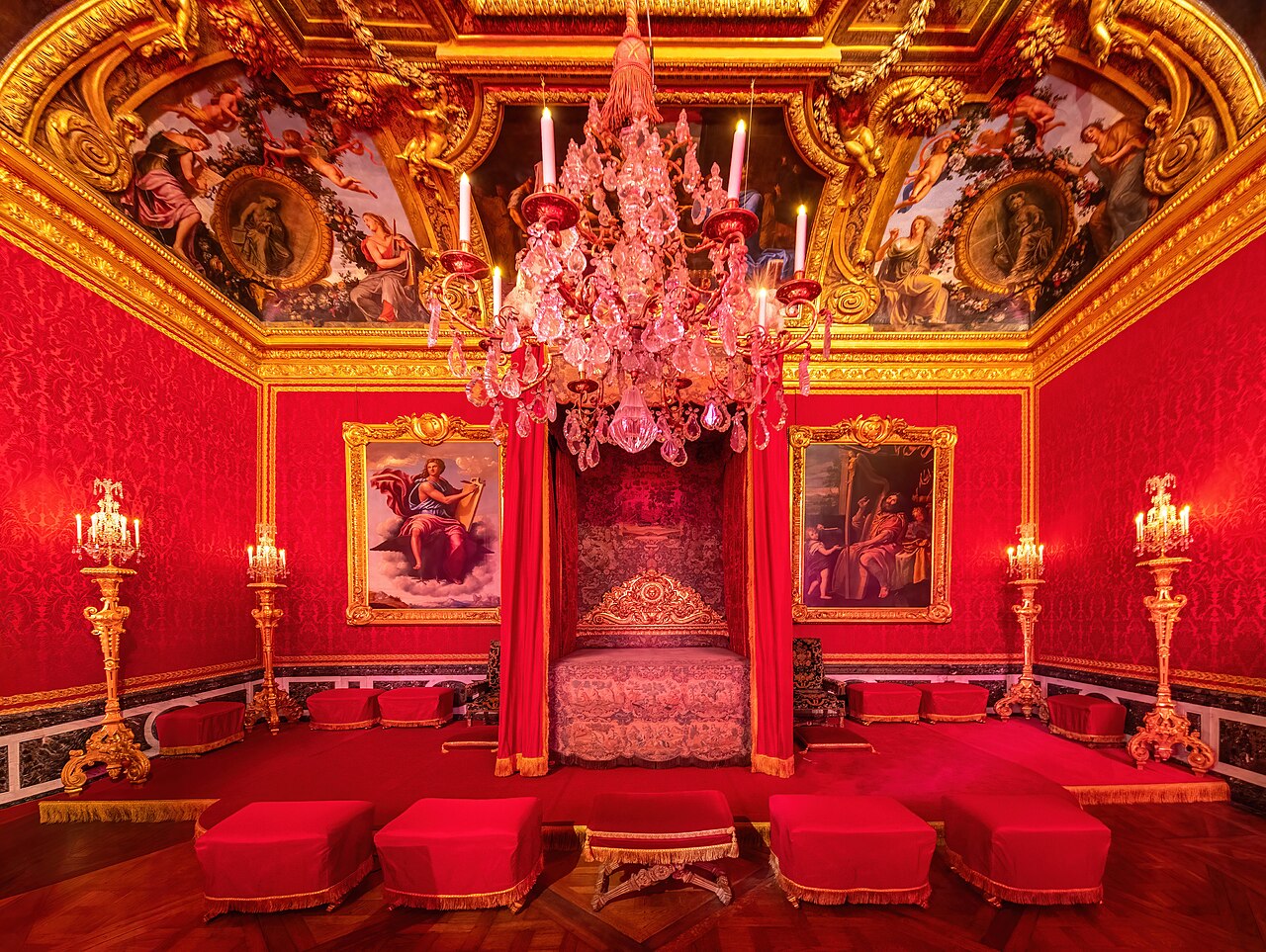
Book a timed palace ticket in advance and choose the earliest slot. Wear comfortable shoes, because the estate is huge. Check the booking page for room closures, and allow a full day if you want the palace, the gardens and the Trianon estate. If you are driving, remember that parking near the palace is limited, and consider the RER C from Paris instead.