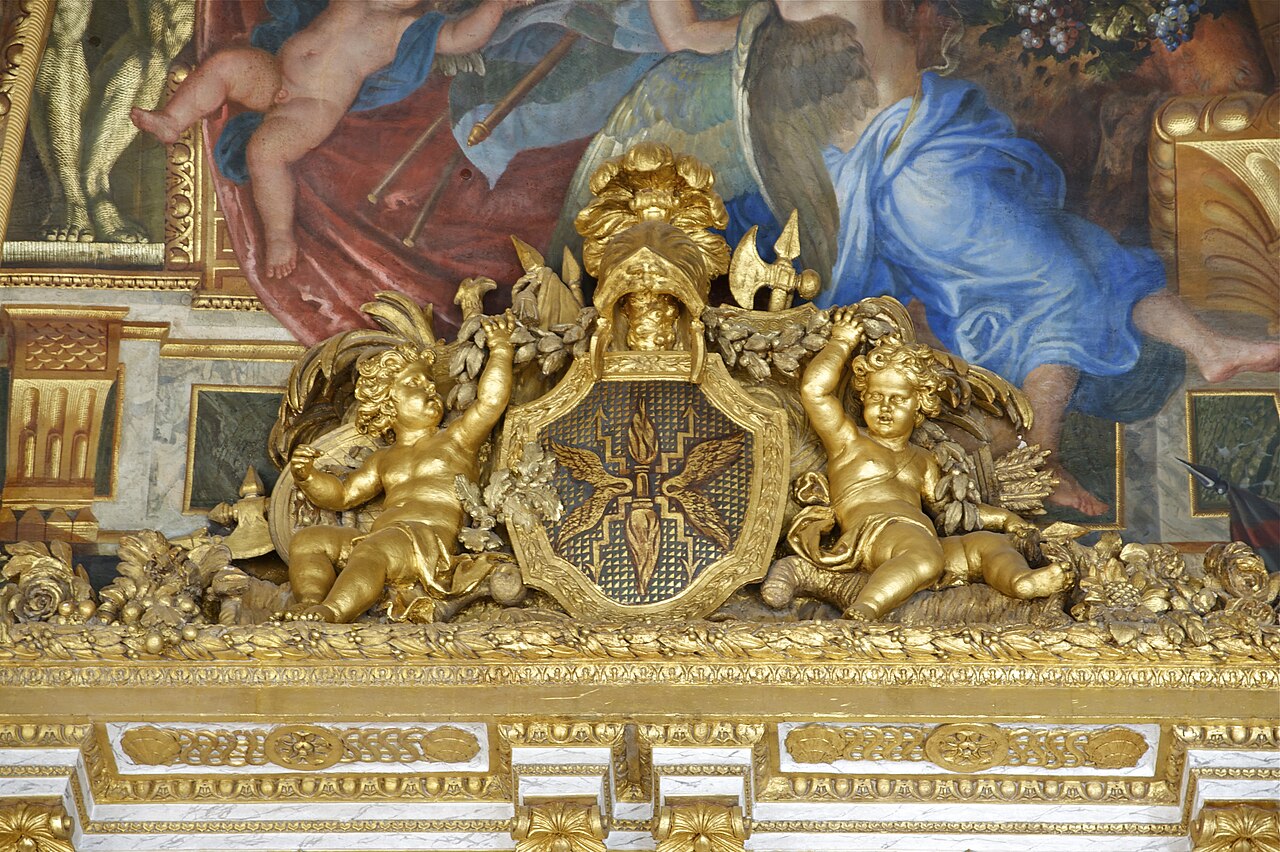
Versailles is a place where a few generations decided the shape of modern France, and where the story ends in revolution. If you like history, the town is richer than a single day suggests. This guide gives you a route through the main chapters, from a hunting lodge to the signing of a peace treaty, and points you to the smaller sites that fill in the gaps.
From hunting lodge to palace
Before Versailles was a palace, it was a village and a hunting lodge built by Louis XIII. His son, Louis XIV, was born in 1638 at Saint-Germain-en-Laye, a royal town to the north-west of Paris, and he grew up amid the troubles of the Fronde, a series of revolts that left him wary of Paris and of the great nobles. That distrust is the key to Versailles. The young king wanted a court he could control, far from the capital.
The inspiration
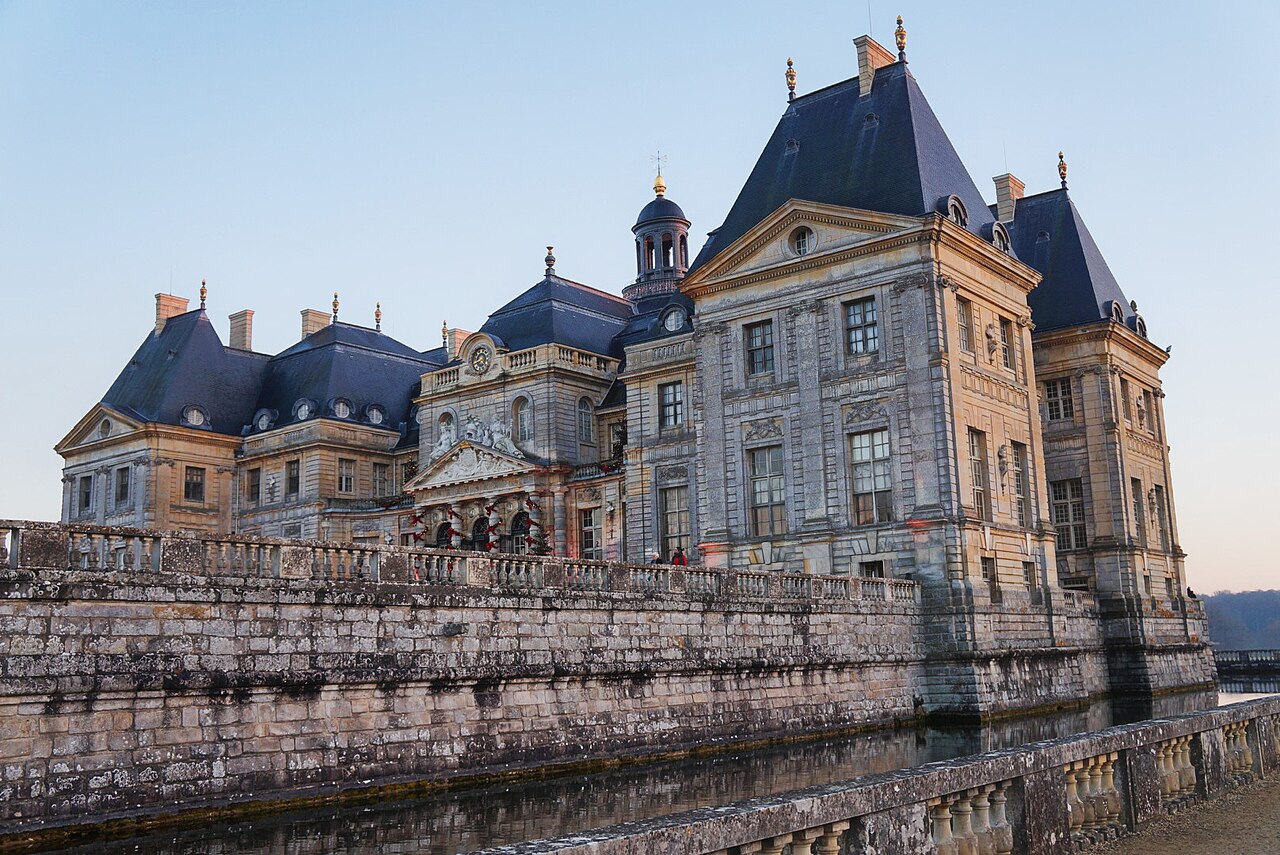
The turning point is often linked to the château of Vaux-le-Vicomte, built for the finance minister Nicolas Fouquet. Its architect, garden designer and decorators impressed the king so much that he took the same team and scaled up the idea at Versailles. A visit to Vaux-le-Vicomte shows the prototype, and then the palace shows what a king with the whole state budget could do with it.
The court of Louis XIV
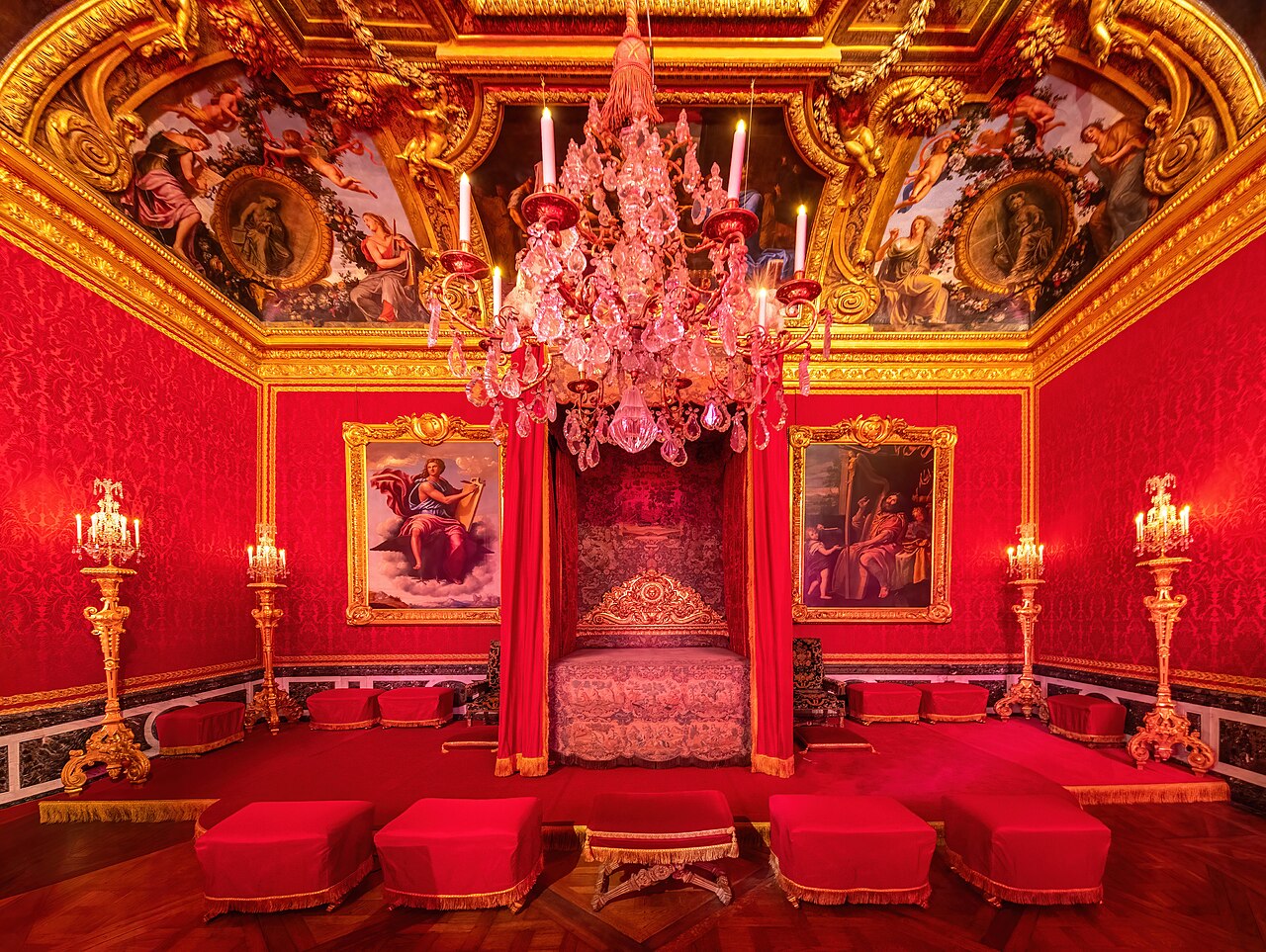
From 1682 the king governed from Versailles, and the court followed. Nobles who lived at the palace were kept busy with ceremonies, rank and favour, and had little time to plot. The State Apartments, the Hall of Mirrors and the royal chapel are the stage for this system. Read the rooms as political tools. The long Hall of Mirrors, with its windows facing the gardens and its mirrors facing back, was a corridor of power through which ambassadors walked to meet the king.
Louis XV and Louis XVI
The later kings added smaller, more private rooms, and the palace shifted from ceremony to comfort. The Petit Trianon was built for Louis XV and later given to Marie-Antoinette, who reshaped the gardens and added the Hamlet, a make-believe village that served as an escape from court etiquette. Visit the Trianon estate to see this softer side of the story, and notice how the architecture changes from the weight of the main palace to something lighter and more domestic.
The Tennis Court Oath
In the summer of 1789 the representatives of the Third Estate found themselves locked out of their meeting hall in Versailles. They gathered instead in the indoor Royal Tennis Court, where on 20 June they swore not to separate until France had a constitution. The room is small and plain, and that is the point. It is free to visit, which makes it an easy stop between the palace and the town. The nearby Gallery of Coaches shows another side of royal life, the vehicles that carried the court on ceremonial occasions.
October 1789
Later that year, a crowd of Parisians marched to Versailles, and the royal family was brought back to Paris. The palace ceased to be the seat of government, and the revolution moved on. When you stand in the royal apartments, think of how quickly the whole system ended after more than a century of splendour.
The town of Versailles
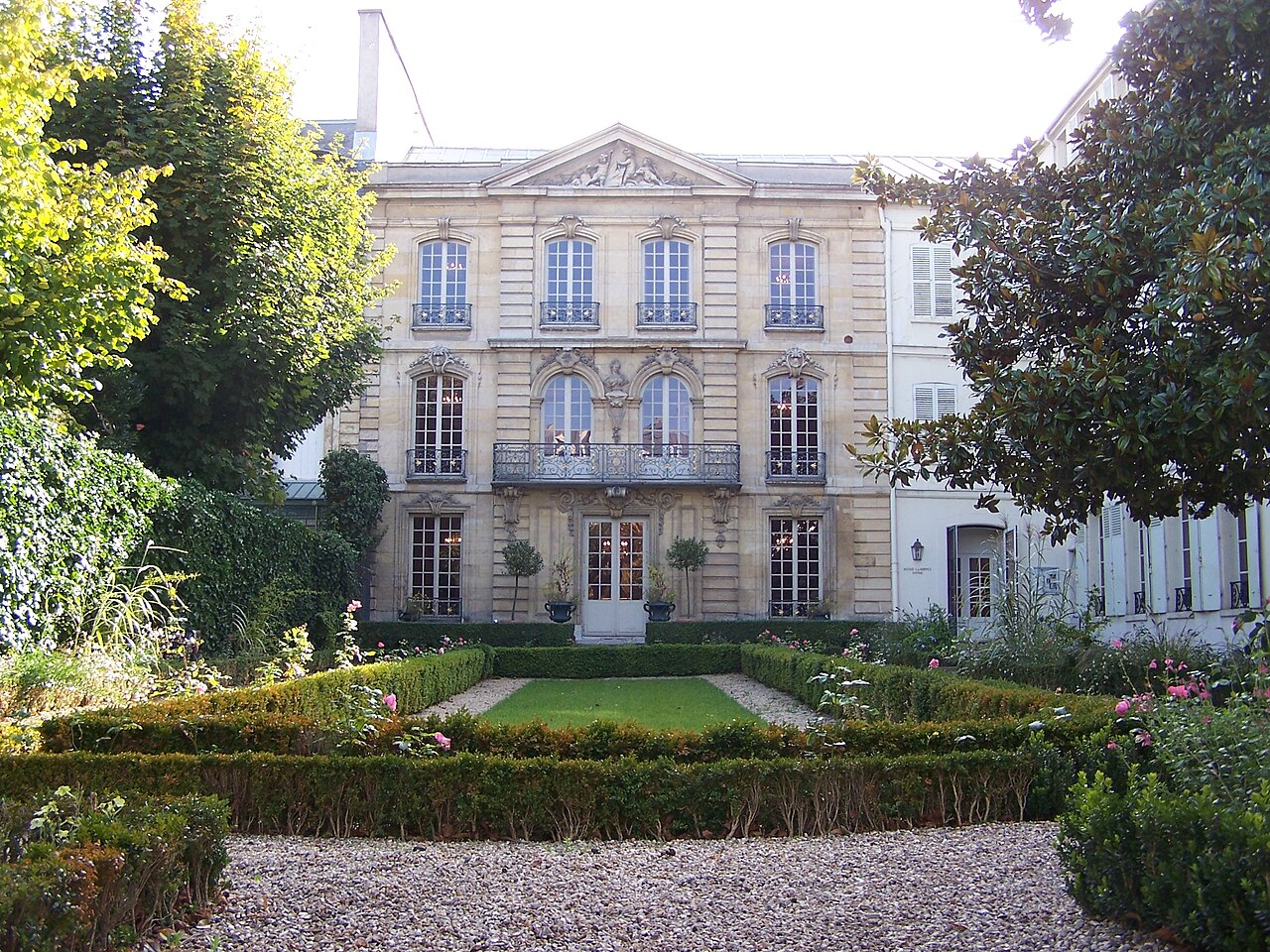
The Musée Lambinet, in an eighteenth-century mansion, tells the story of the town and its residents, with portraits, furniture and objects from the court era and the Revolution. It is a useful antidote to the palace, because it shows ordinary Versailles. The Notre-Dame quarter, with its market halls and narrow streets, is the old town that grew up to serve the court, and a walk through it adds the missing context.
After the monarchy
The palace survived because it was turned into a museum in the nineteenth century, under King Louis-Philippe, who dedicated it to the glories of France. The Hall of Mirrors then became the setting for two events that shaped Europe: the proclamation of the German Empire in 1871 and the signing of the Treaty of Versailles in 1919. Both took place in the same long gallery that Louis XIV had built to impress his guests. Stand in the hall and consider how different the same space looked in each of these moments.
Saint-Germain-en-Laye
For a longer view, take the train to Saint-Germain-en-Laye, where the château now houses the National Archaeology Museum. Its collections run from prehistory to the early medieval period, and the town gives a sense of royal life before Versailles. The terrace offers a wide view over the Seine, and the town is calm and pleasant for a half day.
A two-day history route
On the first day, visit the palace in the morning, the Hall of Mirrors and the State Apartments, then walk to the Royal Tennis Court and the Gallery of Coaches in the afternoon, and finish in the Musée Lambinet if it is open. On the second day, go to the Trianon estate and the Hamlet, and then take a day trip to Vaux-le-Vicomte or Fontainebleau to see where the story began and how it continued under later rulers.
Making it easier
A guided tour is worth it for a first visit, because the palace is large and the symbolism is easy to miss. If you prefer to read at your own pace, take an audio guide and spend more time in fewer rooms. Whatever you choose, book a timed entry in advance, and check opening days, because the palace and the Trianon are closed on Mondays.