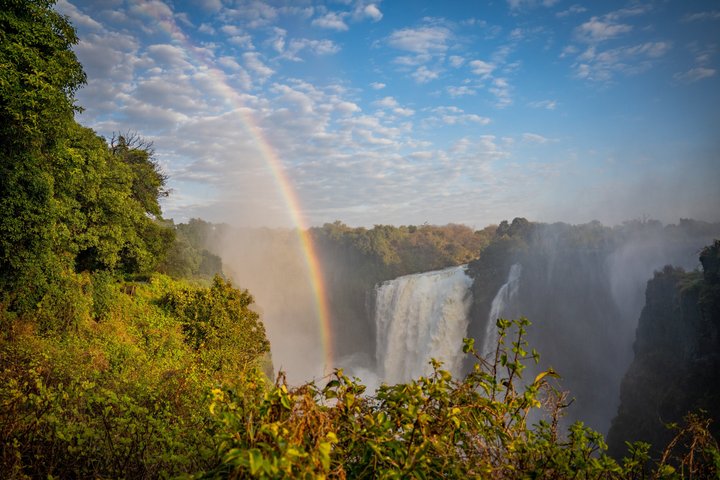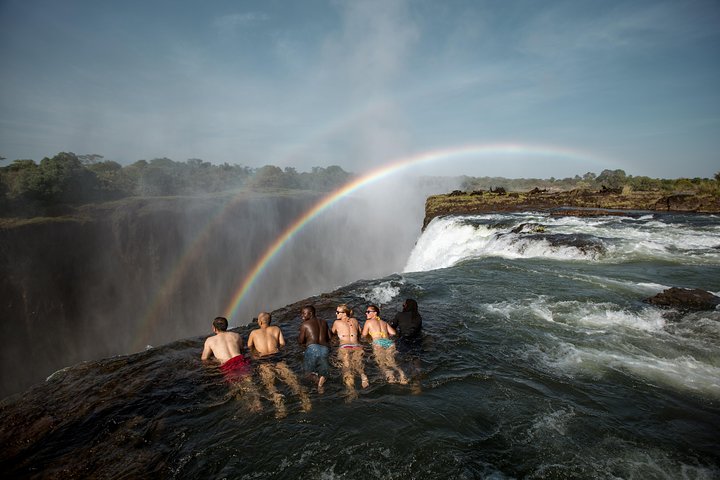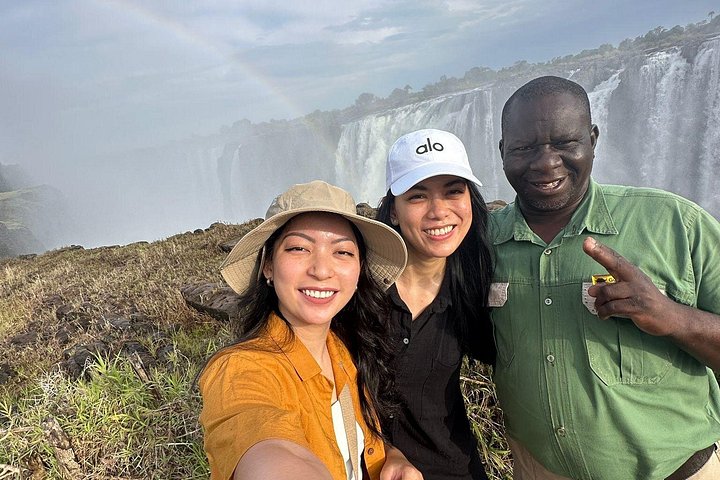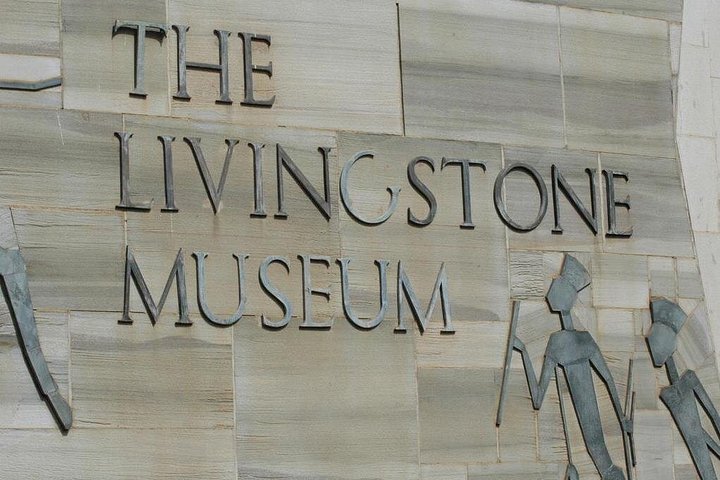
Livingstone is the Zambian town a few kilometres from the falls, named for the Scottish missionary and explorer David Livingstone, who reached the cataract in 1855 and gave it its English name. Most visitors pass through only on the way to Devil's Pool or the Zambian viewpoints, which means the town itself and its museum are easy to miss. This half-day tour fills that gap. It combines a drive through Livingstone, a visit to the Livingstone Museum and a stop at the falls, led by a local guide who handles the border logistics and the commentary. The museum is one of Zambia's best-known, with collections that cover archaeology, local cultures and the story of Livingstone himself, and it is the place to understand the region beyond the waterfall. The tour works best as a slower counterpart to the adrenaline activities: you get context, air conditioning in the galleries and a sense of how the two border towns developed on either side of the river. Allow about four hours and check the booking page for exactly what is included.
Who it suits
History readers, anyone curious about Livingstone and the early European encounters with the falls, and travellers who want something to do on a day when the weather or the river rules out other plans. Museums are also a useful option with older relatives or children who need a break from heat and spray. If you want only the falls and the knife-edge views, the both-sides tour is more direct. This one gives priority to the town and the stories.
Border and visas
Because the tour crosses into Zambia, you need the right visa or a KAZA Univisa and your passport on the day. Rules and fees change, so confirm them for your nationality before you book, and allow extra time at the crossing in busy periods. The guide usually helps with the process, but the paperwork is your responsibility. Carry some US dollars for entry fees and tips, and ask whether museum and park fees are covered by the tour price.
Practicalities
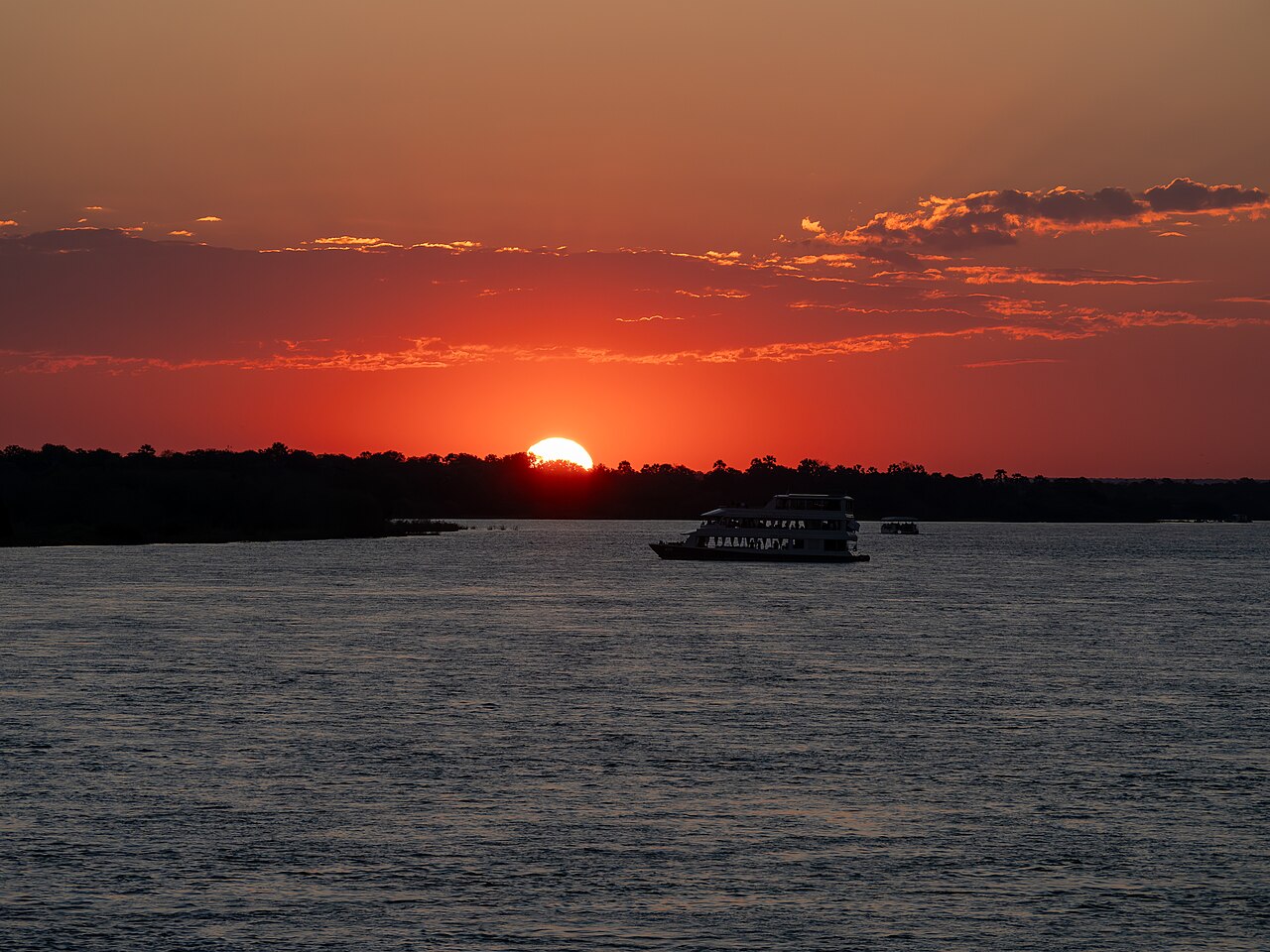
Wear comfortable shoes and light clothing, bring sun protection and a small bag, and ask about photography rules inside the galleries. The Zambian viewpoints can be much thinner than the Zimbabwean ones when the river is low, so go for the history and treat the falls stop as a bonus. Combine it with an evening back on the Zimbabwe side, such as a sunset cruise, and allow a relaxed morning start so you are not rushing the museum.
What to expect
The experience
A guided half-day tour that crosses into Zambia, visits the town of Livingstone and its museum and includes a stop at the falls.
Best time
Morning, before the heat builds and when the museum is quieter.
How long
About four hours including the border crossing.
Tips
Sort your Zambia visa or KAZA Univisa first, carry your passport and US dollars, and ask what fees the price covers.
Quick picks
- Best for
- History lovers and visitors who want context about Livingstone and the region.
- Families
- Fine for school-age children who enjoy museums; the air-conditioned galleries are a welcome break from heat.
- Couples
- A relaxed, thoughtful half day that pairs well with a sunset cruise.
- Pair with
- The Zimbabwe-side falls walk or a Zambezi sunset cruise.
- Time needed
- A morning.
Good questions
Do I need a Zambian visa?+
Most visitors do, or a KAZA Univisa covering Zimbabwe and Zambia. Check the current rules for your passport before you book.
What is in the Livingstone Museum?+
Collections covering archaeology, local cultures and the life of David Livingstone, among other themes. Exhibits can change, so treat this as a general guide.
Is this a good alternative to the both-sides falls tour?+
Yes if you care more about history and the town than about walking the falls trails. The both-sides tour is more falls-focused.
How much water will the Zambian falls viewpoint have?+
It depends on the season. In the low-water months the Zambian side can be thin, so the museum and town carry more of the day.
Are entry fees included?+
Check the booking page, because inclusions vary. Carry some US dollars for fees and tips.