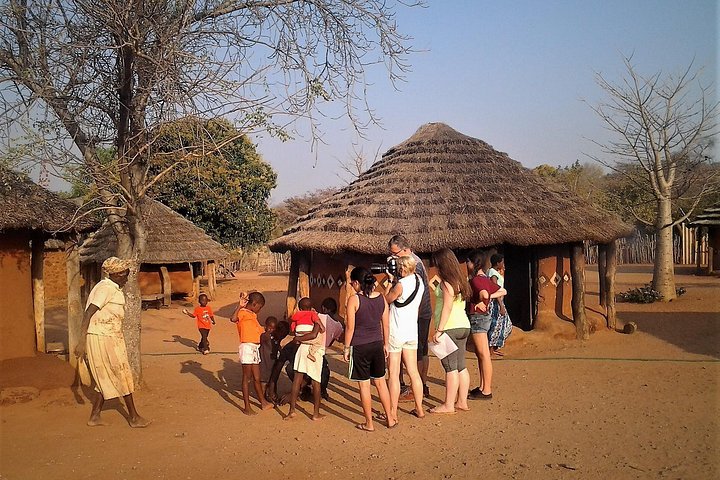
Most visitors to Victoria Falls spend their days at the water, in the air or on a river, and see very little of how people in the surrounding area live. A village tour fills that gap. This one is a private visit, so it is just your party and a local guide rather than a coach load, which makes it easier to ask questions and to move at the pace of the conversation. The programme is built around a rural homestead setting: you walk through a compound, see how houses and granaries are built, hear how families farm in a climate where the rains arrive in one short season, and learn about local crafts, customs and daily routines. Guides usually explain the roles of elders and chiefs, how food is grown and prepared and what changes when the rains are late. It is not a performance and it is not a museum, so what you see depends on the day and on the household, and that unscripted quality is the main reason to go. Allow roughly two to three hours including the transfer from town, and treat it as a morning or late-afternoon plan that sits comfortably between bigger activities.
Why choose it
The falls are the reason to come, but the region is also a living landscape, and an hour or two in a village changes how the rest of the trip feels. You come away with a better sense of how water, farming and wildlife shape daily life, why elephants wandering through crops are a serious matter for families and what tourism means to a community beyond the headline attractions. It also suits people who find the adrenaline menu less appealing, travellers with older relatives and families who want something that is not a physical challenge.
Etiquette and giving back
Dress modestly in light, covered clothing, ask before photographing people or their homes and let the guide set the tone for greetings. Many visitors carry a small amount of cash for craft purchases or a tip, and buying directly from makers is the most useful way to leave money in the community.
Avoid handing out sweets or money to children, which can create awkward habits, and ask the guide if you would like to bring something useful such as school supplies. Be honest with yourself about the format: it is a respectful visit to a working community, so keep expectations flexible.
Practicalities
Wear closed shoes you do not mind getting dusty, bring water, sun protection and insect repellent, and expect uneven ground. In the hot season go early or late in the day to avoid the worst of the heat. Check the booking page for what is included, such as transport and any local food, and confirm the pickup point. Pair it with a falls walk or a river cruise, and leave a free afternoon rather than stacking activities, because the visit is best done unhurried.
What to expect
The experience
A private guided visit to a rural village community with a local guide, walking through homesteads and learning about farming, crafts and daily life.
Best time
Morning or late afternoon, when it is cooler and households are active.
How long
Roughly two to three hours including transfers.
Tips
Dress modestly, ask before taking photos, carry a little cash for crafts and a tip, and wear closed shoes for dusty ground.
Quick picks
- Best for
- Travellers who want a human side to a trip dominated by waterfalls and adrenaline.
- Families
- Good for curious school-age children; keep them close and explain the etiquette beforehand.
- Couples
- A calm, thoughtful half morning that makes a change from adventure days.
- Pair with
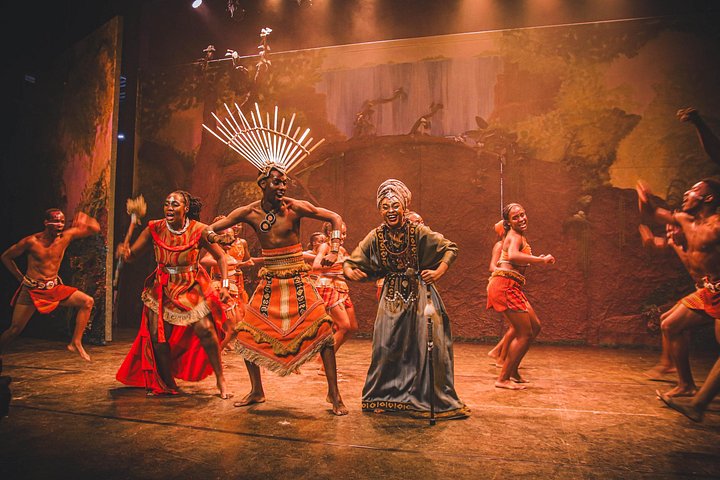
- A Zimbabwe-side falls walk or the Simunye theatre show.
- Time needed
- Half a morning or afternoon.
Good questions
Is a village tour respectful or touristy?+
It can be either, depending on the operator. A small private visit led by a local guide, with no staged performance, is the most respectful format, and buying crafts directly helps the community.
Can I take photographs?+
Ask first, both for people and for their homes. Your guide will tell you what is welcome.
Should I bring gifts or money for children?+
Avoid giving sweets or cash to children. Ask your guide about useful alternatives and support the community by buying crafts or tipping the guide.
What should I wear?+
Light, modest clothing that covers shoulders and knees, with closed shoes and sun protection.
Is it suitable for people with limited mobility?+
The ground is uneven and dusty, so speak to the operator beforehand about what the route involves.