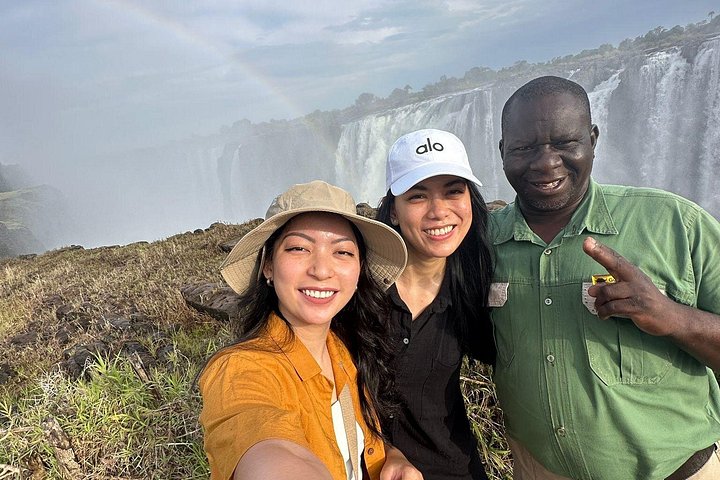
There is no single best month for Victoria Falls, because the river changes the whole experience. The Zambezi swells with rains that fall far upstream, so the falls are at their most powerful some months after the local rains begin, and at their thinnest at the end of the dry season. Each stage rewards a different kind of visitor. This guide walks through the year in four parts and explains how water level affects views, rafting, Devil's Pool and wildlife.
High water: roughly March to May
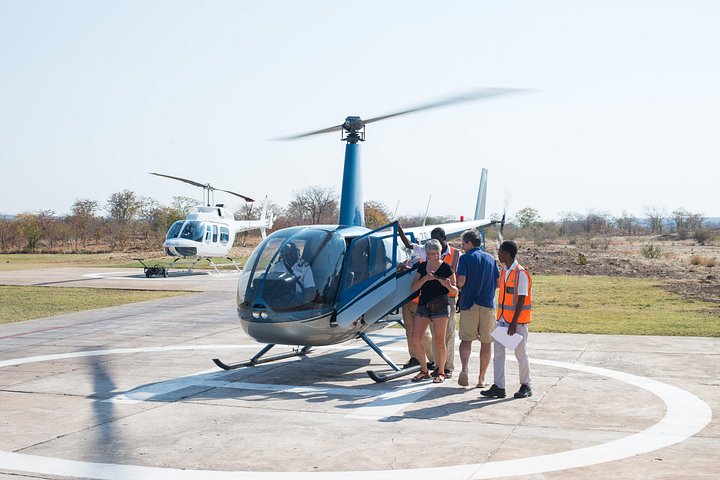
The falls are at their largest as the flood peaks, and the spray can reach a great height and soak anyone on the Zimbabwe-side path. The sight is dramatic, and the rainforest is lush, but visibility of the cliff face is often poor, the viewpoints can be hidden by mist and photographs are difficult. The helicopter flight is the best way to see the full volume, because the spray lifts above the cliff and you can look down into it. Rafting is limited at high water, and Devil's Pool and Livingstone Island are closed. Bring waterproofs for the walk, and protect your camera.
Cool and dry: roughly May to August
This is the classic comfortable season, with warm days, cool mornings and little rain. The falls are still strong at the start and gradually thin, so the Zimbabwe-side viewpoints open up and you can see the curtain and the rock without being drenched. Wildlife viewing improves as the bush dries out, and the nights can be chilly in town, so pack a jacket for early game drives and evening cruises. It is also the busiest and most expensive period, so book lodges and key activities well ahead. For a first visit this is the safest, most balanced choice.
Hot and low water: roughly September to November
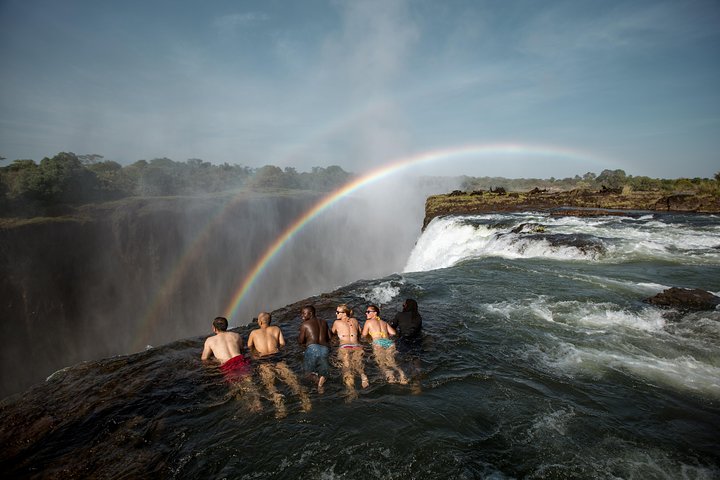
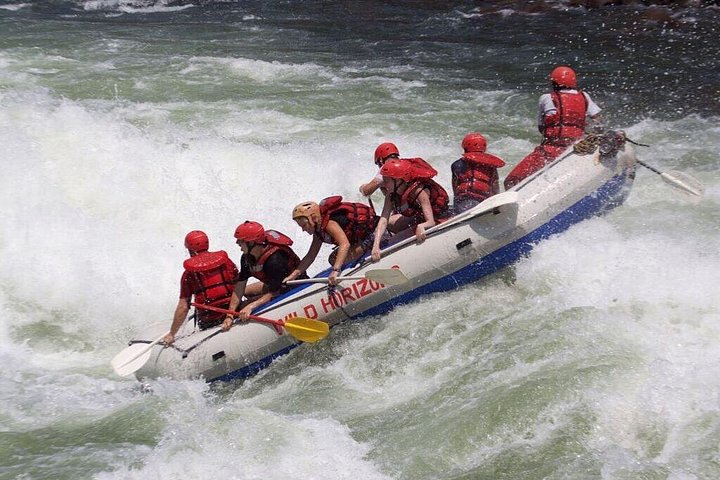
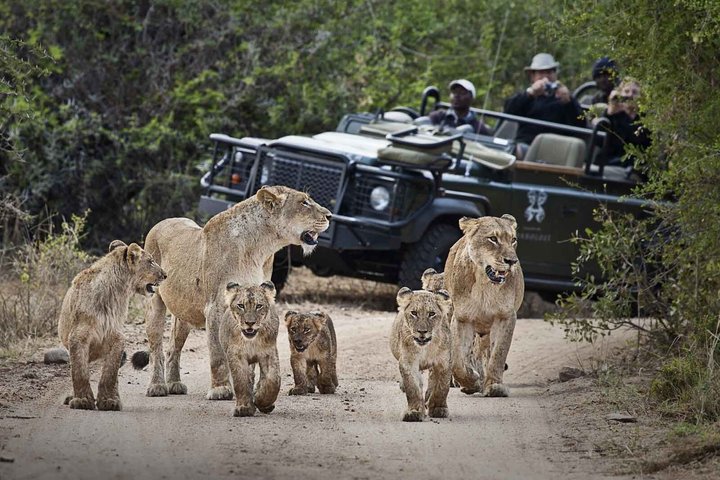
Water drops to its lowest, and the Zambian Eastern Cataract can be close to dry, while Zimbabwe still shows strong flow at Devil's Cataract and the Main Falls. Temperatures climb, and by November the heat is intense, with afternoon clouds building. The compensations are real: the cliff faces are bare and photogenic, the gorges are clear from the air, Devil's Pool opens when the river is low enough, normally from the second half of the dry season until the rains return, and full-day rafting can run the largest rapids. Game concentrates near the river and the waterholes, so Chobe, Hwange and Zambezi National Park are at their best. Expect a hat, sunscreen, water and an afternoon siesta to become the rhythm of the day.
The rains: roughly December to February
The first storms arrive late in the hot season and the green season begins, with dramatic skies, dust settling and rapidly rising rivers. Flow increases through the period, the scenery turns green and birdlife peaks, but the bush thickens and animals spread out, so game drives need more patience. Storms can delay a helicopter flight or a cruise, and roads to the parks can be slow, so build flexibility into your plan. Prices are often lower and crowds thinner, and the falls begin to roar again, which suits visitors who like moody weather and fewer people.
What to book by season
In high water, prioritise the helicopter flight and the guided falls walk with waterproofs, and expect less from Livingstone Island. In the cool months, add everything, from Chobe to the gorge activities. In the hot low-water months, book the cruise, the Devil's Pool swim if you want it and the full-day rafting, and arrange activities for the early morning. In the rains, keep indoor options in reserve, such as a seated theatre show, and be ready to move things around.
Packing by season
For the high-water months, bring a real waterproof jacket, a dry bag for cameras and shoes that tolerate soaking. For the cool dry months, add a fleece for dawn drives and evening cruises, plus a hat and sunscreen for the sunny days. In the hot months, pack light, breathable clothes, a wide-brimmed hat, a refillable bottle and a swimsuit for the pool. In the rains, carry a compact umbrella or poncho and keep a flexible mindset, since storms can cut an activity short. Insect repellent is sensible all year, especially near water and at dusk, and sturdy closed shoes help on wet or rocky paths everywhere.
Practical notes
Water levels vary from year to year, so treat the month ranges as patterns rather than guarantees, and ask operators about current conditions before you pay. Visa rules and fees change, so confirm them with the relevant immigration authorities before you travel, particularly if you plan to cross to Zambia or Botswana. Whatever the season, wear shoes with grip, carry a light waterproof and keep your passport safe.