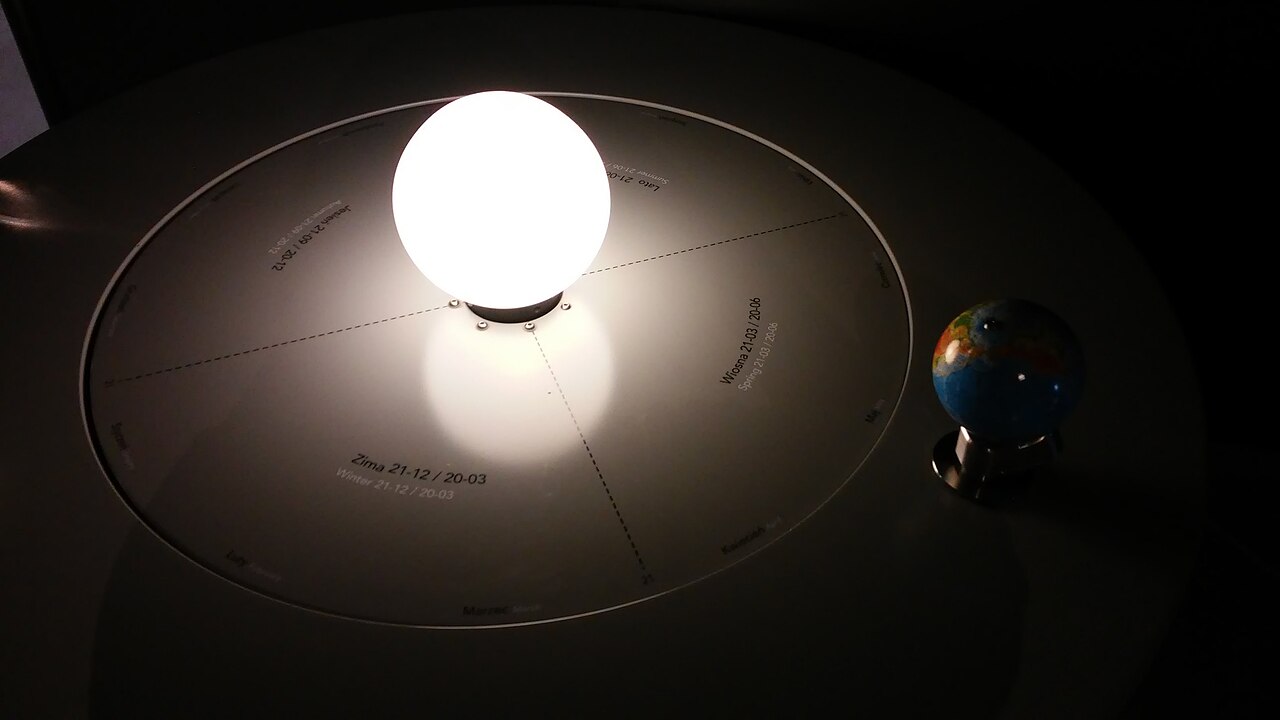
The Copernicus Science Centre is a modern museum of the interactive kind: instead of looking at objects behind glass, you pull, push, build, spin, listen and experiment. It stands on the Vistula embankment in Powiśle, and its exhibition halls hold more than four hundred exhibits spread across themed galleries on the human body, light, sound, motion, the natural world and the way people think and perceive. Red-shirted explainers circulate through the halls to answer questions, and a full visit to everything takes around five hours, so most families pick the galleries they like and leave happy. The planetarium has its own entrance on the river side and runs shows that need a separate time slot, and there are laboratories and demonstration sessions for younger children. A garden on the roof of the building gives you a calm place for a break above the river, with views across the water towards Praga. It is the obvious plan for a rainy day, but it works equally well in summer when you want an air-conditioned afternoon. Teenagers and adults get more out of it than many expect: the exhibits are designed to be absorbing at any age, and the text is available in English as well as Polish. The centre also runs quiet hours on a monthly schedule for visitors who find noise and lights overwhelming.
Planning your visit
The centre is at Wybrzeże Kościuszkowskie 20, beside the Centrum Nauki Kopernik station on metro line M2, so it is simple to reach from the city centre. Individual tickets cover the exhibitions and the planetarium separately, and you can buy them online or at the ticket office. Electronic tickets open the gates from thirty minutes before to one hour after the slot, you cannot re-enter once you have left through the gates, and late entry to planetarium shows is not allowed, so arrive about ten minutes early.
Pets are not allowed other than assistance dogs. There is an underground car park beneath the building for cars up to a stated height, and paid street parking nearby on weekdays.
How to visit well
Decide on your priorities before you start. Families with younger children do best by heading for the galleries on light, water and the body, taking a planetarium show in the middle of the visit and keeping the roof garden for a break. Teenagers tend to enjoy the experiments that reward patience.
Because the explainers are not tour guides, expect to explore at your own pace. Book timed tickets ahead in school holidays and on weekends, when the halls get busy, and go on a weekday morning if you want space at popular exhibits.
Who it suits
Children aged about four to fourteen, curious teenagers and adults who like experimenting. It is less compelling for visitors with only a short time in the city, who are usually better spending it on the history sights. Pair it with a walk along the Vistula boulevards, a river cruise or a trip to the Old Town, all within reach from the same area.
What to expect
The experience
A self-guided visit to interactive science galleries, with a separately ticketed planetarium and a roof garden.
Best time
A wet or cold day, or a weekday morning outside school holidays when the halls are quieter.
How long
Three to five hours; a full visit to every exhibit takes about five hours.
Tips
Arrive on time for planetarium shows, plan around the no re-entry rule and buy timed tickets ahead in busy periods.
Quick picks
- Best for
- Families with children and anyone who learns by doing.
- Families
- The best family attraction in Warsaw, with galleries and shows for a wide range of ages.
- Couples
- A good option on a wet day if you both like experiments, followed by a Vistula-side walk.
- Pair with
- A Vistula river cruise or a stroll along the boulevards by the water.
- Time needed
- Half a day, or three hours for a shorter selection.
Good questions
Where is the Copernicus Science Centre?+
It is at Wybrzeże Kościuszkowskie 20 in Powiśle, next to the Centrum Nauki Kopernik station on metro line M2.
How long does a visit take?+
Seeing every exhibit takes around five hours, but most visitors spend three to four hours and choose the galleries they like.
Is there a planetarium?+
Yes. It has a separate entrance facing the river and runs shows at set times; late entry is not allowed once a show begins.
Can I re-enter after leaving the exhibition?+
No. An exhibition ticket allows one entry, and you cannot come back in once you leave through the gates.
Is it suitable for visitors who find noise difficult?+
The centre holds quiet hours once a month, with loud exhibits switched off and a quieter show, which suits visitors on the autism spectrum.