Praga lies on the east bank of the Vistula, and for generations the people of Warsaw treated it with suspicion. It was a working-class district of tenements, markets, factories and legends, and because it was spared the worst of the Second World War destruction, it still looks like pre-war Warsaw in a way the rebuilt west bank cannot. Peeling facades, cobbled courtyards, shrines, workshops and brick factories now sit alongside galleries, restaurants, murals and small bars, making Praga the most atmospheric and fastest-changing neighbourhood in the city. A guided tour brings the district’s layers to life: the story of the Russian garrison, the legend of the bazaar, the famous courtyard shrines, the Orthodox church, the old Koneser vodka distillery that has been transformed into a cultural quarter, and the tenements that were once cheap and are now fashionable. The guide knows which doorway to peek through and which story belongs to which wall, and many tours finish with a coffee or a local snack. For visitors who have spent days in rebuilt streets and polished museums, Praga offers an essential counterpoint: the lived-in, slightly rough and thoroughly human side of Warsaw that rewards slow walking and curiosity.
Planning your visit
The tour takes two to three hours on foot, starts in the centre or near a metro stop and crosses the river by bridge or tram. Groups are usually small, and tours run in English. Streets are flat but sometimes uneven, with cobbles and tram tracks, so wear sturdy shoes. Many shops and galleries are closed on Sundays, and Monday is quiet in several cafes, so ask the operator which days offer the fullest experience.
How to visit well
Bring a camera, because the murals, courtyards and factory facades are some of the most photogenic subjects in the city. Keep a little cash for markets and small cafes, and if you enjoy food, finish the walk with a long lunch in one of the converted factory restaurants. In the evening Praga’s bars and clubs come alive, so if you like nightlife you can return after dinner. Standard city caution applies after dark, as it does anywhere: stay on lit streets and keep your belongings secure.
Who it suits
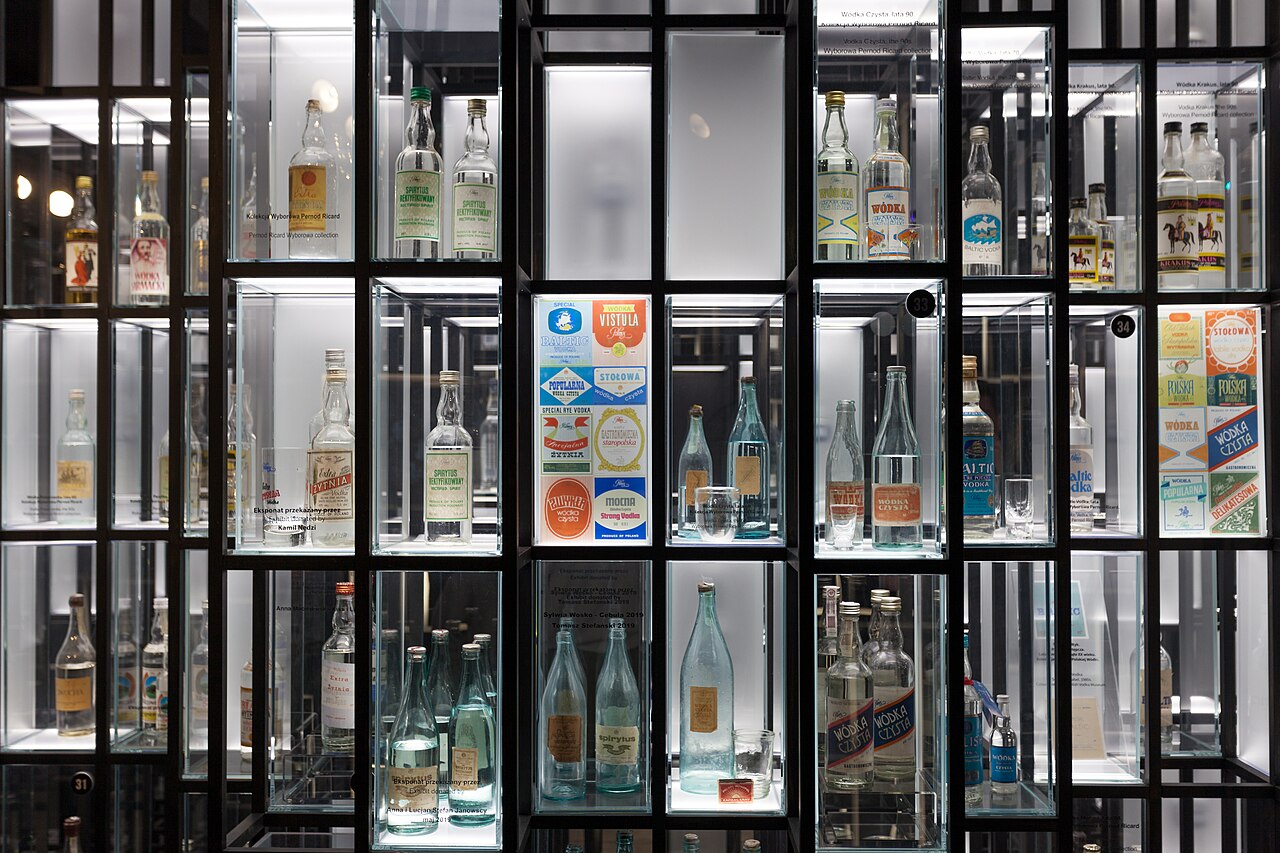
Repeat visitors, photographers, couples who prefer atmosphere to ticks on a list, and anyone curious about how a city lives rather than how it is presented. It is a good choice for a second or third day, once the Old Town and the headline museums are done. Pair it with a visit to the Polish Vodka Museum, which sits in the old distillery quarter, or with a river walk back to the west bank. Children can enjoy the street art and trams, although the route is more about atmosphere than activities.
Extra tips
Praga rewards a second visit in the evening, when the converted factory courtyards fill with music and lanterns and the street food stalls open. If you are interested in photography, ask the guide about the best light and which murals are newest, as the street art changes from year to year. Remember that some courtyards are private residential spaces, so follow your guide’s lead about when to enter and how quietly to behave.
A visit to the Praga museum or the Orthodox church can be added if you want more history, and the walk back across the river at sunset gives a memorable view of the Old Town skyline.
What to expect
The experience
A small-group guided walking tour through Praga’s courtyards, murals, markets and former factories, with local stories along the way.
Best time
Daytime from spring to autumn, with an afternoon or evening drink afterwards.
How long
Two to three hours on foot.
Tips
Wear sturdy shoes for cobbles, bring a camera and keep a little cash for cafes.
Quick picks
- Best for
- Visitors who want the lived-in side of Warsaw.
- Families
- Good for older children who enjoy street art and trams.
- Couples
- Atmospheric streets and plenty of bars for a relaxed evening.
- Pair with
- The Polish Vodka Museum or a Vistula riverside walk.
- Time needed
- Two to three hours.
Good questions
Why did Praga survive the war?+
The district on the east bank saw less destruction than the west bank, so many pre-war buildings and courtyards remain.
Is Praga safe to visit?+
It has changed greatly and is popular with locals, though normal city caution applies after dark.
How do I get there from the centre?+
By tram or metro across the river, or on foot over a bridge; the tour usually handles the route.
What should I wear?+
Comfortable shoes for cobbles and layers for the weather.
Can I combine it with the Vodka Museum?+
Yes, the museum is in the former distillery quarter and fits neatly after the walk.