Winnipeg is a city of extremes. It has bright, warm summers and one of the coldest winters of any major Canadian city, and the right time to visit depends on what you want to do. The sights in this guide work in every season, but the experience changes, so here is how to choose.
Summer: the festival season
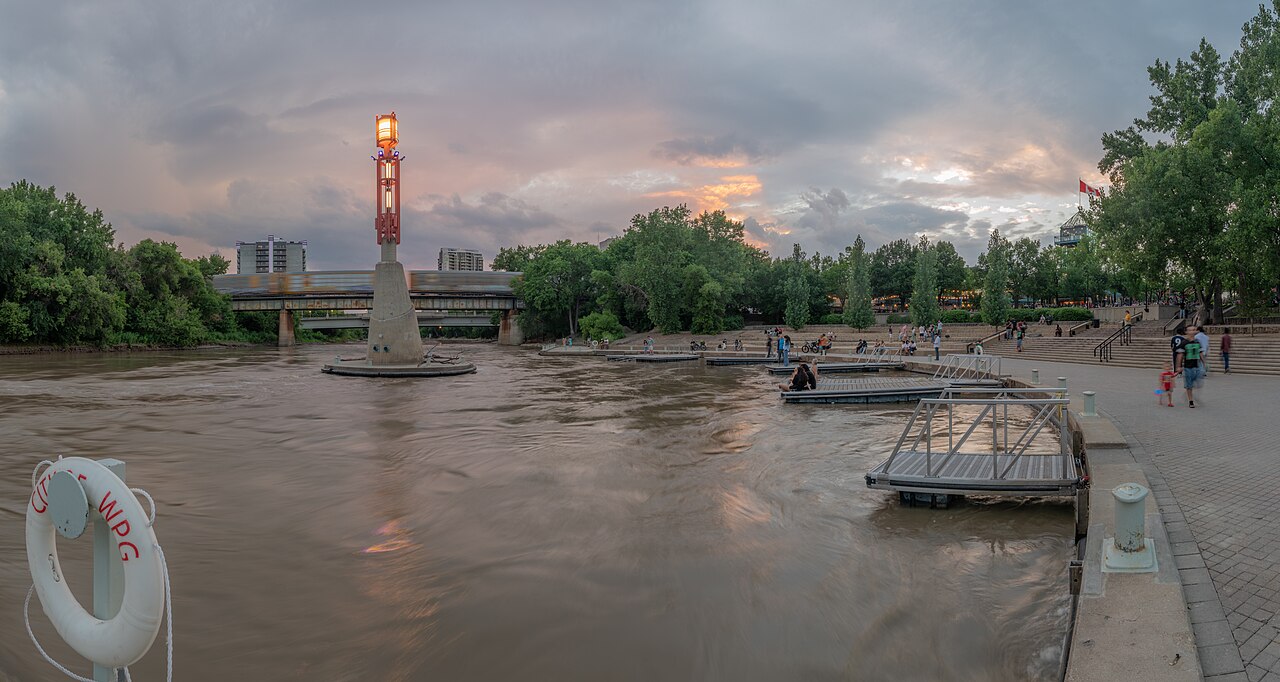
From June to August, Winnipeg is at its liveliest. Days are long and warm, patios are full, and the city hosts a run of festivals, including a large fringe theatre festival in July, a folk music festival just outside the city in July and Folklorama in August, a two-week celebration of the city's many cultures. The Forks is at its best, with events, river walks and markets, and the parks and gardens are in full bloom. Summer is also the best season for Lower Fort Garry, which runs its full programming, and for outdoor visits to FortWhyte Alive and Oak Hammock Marsh. The trade-offs are higher hotel rates, busier popular sights and mosquitoes, which can be intense in early summer near water, so bring repellent.
Autumn: colour and calm
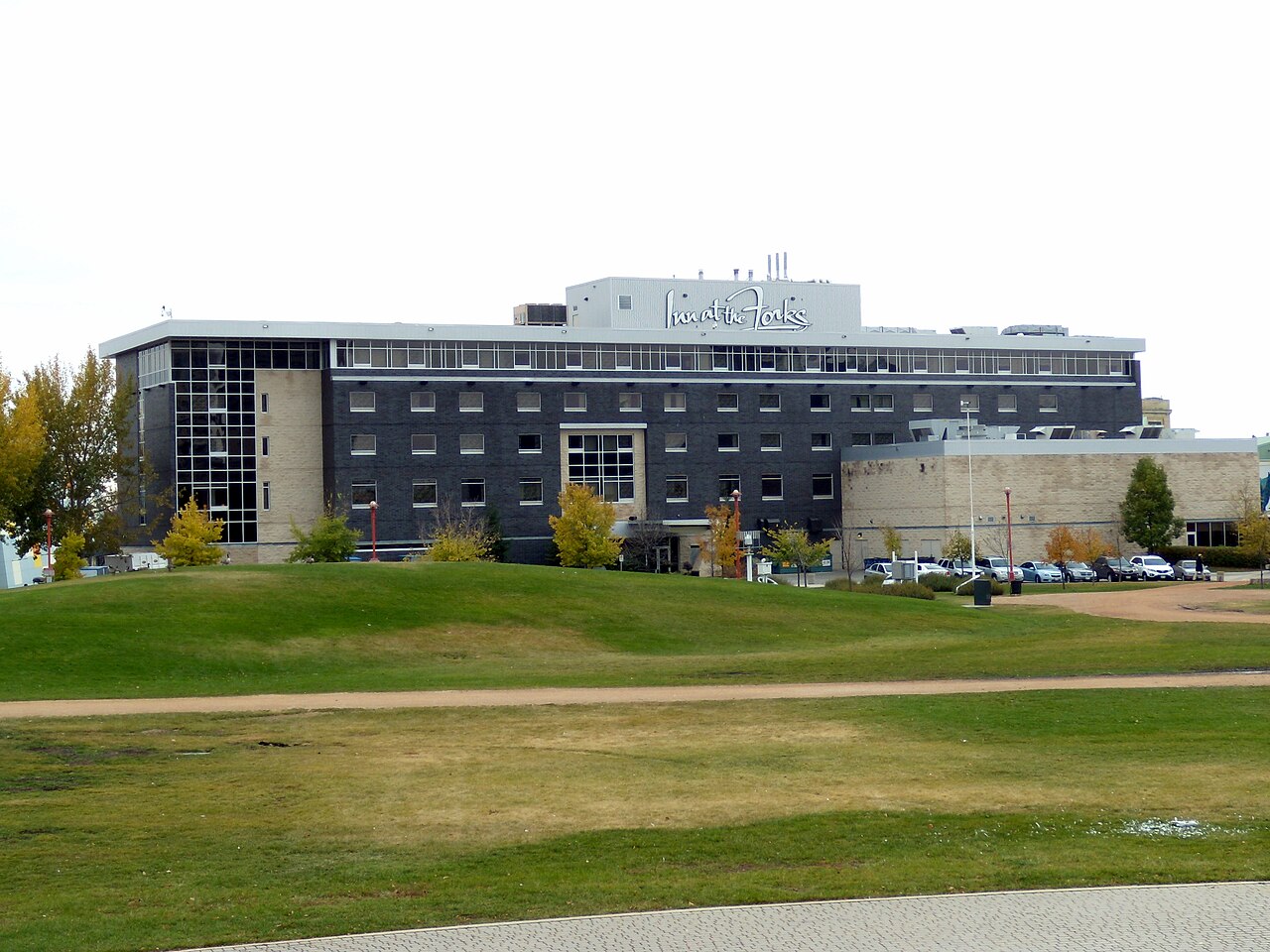
September and October are the quiet favourites of many locals. The air is crisp, the trees along the rivers turn gold, and crowds thin out. It is a superb season for Assiniboine Park, for walking at The Forks and for birdwatching, because Oak Hammock Marsh sees large flocks of migrating geese and ducks. Hotel rates often soften after the summer peak, and the museums are comfortable and uncrowded. Pack layers, because days can be warm and evenings cold, and the first snow can arrive earlier than you expect.
Winter: cold, bright and surprisingly welcoming
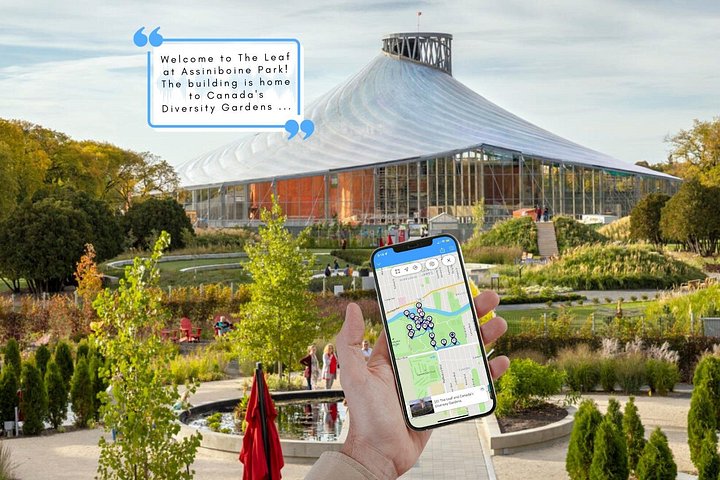
Winter is long and cold, with the deepest freeze generally from December to February, so pack insulated boots, a warm coat, a hat, gloves and a scarf. The reward is a city that has learned to enjoy the cold. The skating trails at The Forks appear when conditions allow, and the Festival du Voyageur in Saint Boniface in February is a lively celebration of French-Canadian and Metis culture, with snow sculptures, music and food. Indoors, the Human Rights Museum, the Manitoba Museum, Qaumajuq, the Mint and The Leaf are warm and uncrowded, and the zoo's polar bears and other cold-loving animals are active. Winter hotel rates are often the lowest of the year, outside holidays. Treat outdoor stops as short breaks, use taxis or rideshares for longer distances and check opening hours, which are often shorter in the cold months.
Spring: the thaw
March and April are a transition, with melting snow, muddy paths and unpredictable weather. It can be a quiet time to visit, with lower prices and fewer visitors, and the indoor sights are all open. By late April and May the marsh fills with returning birds, and the parks begin to green. Pack waterproof shoes and layers, and be ready for sudden changes in the weather.
If you are heading north
Winnipeg is the gateway city for Churchill, where polar bear viewing is generally best in the autumn and the northern lights are best in the colder months. If you plan to continue north, build a day in Winnipeg before or after your flight, and see the Churchill guide for planning advice. The zoo's Journey to Churchill exhibit is a good way to prepare, or to remember the trip.
Our recommendation
For first-time visitors who want warm weather, long days and festivals, choose July or August. For good value, gentle crowds and colour, choose September. For museums, winter festivals and the lowest hotel rates, choose February, with proper clothing. Whenever you come, check opening hours before you set out, because some sights close on Mondays or reduce their schedules by season, and keep a flexible hour or two in each day for weather.
What to pack
In summer, bring light layers, sun protection, insect repellent and a rain jacket. In autumn and spring, bring layers, a warm jacket and waterproof shoes. In winter, bring the warmest clothing you own, including thermal layers, insulated boots and a face covering for windy days. In every season, bring comfortable shoes, because the best parts of the city are best explored on foot.