Winnipeg sits almost exactly in the middle of the continent, where two rivers meet on the prairie, and it rewards visitors who come with a plan. The headline sights are close together, the museums are excellent in any weather, and the city is far easier to enjoy when you know what to book and when to go.
Start at The Forks
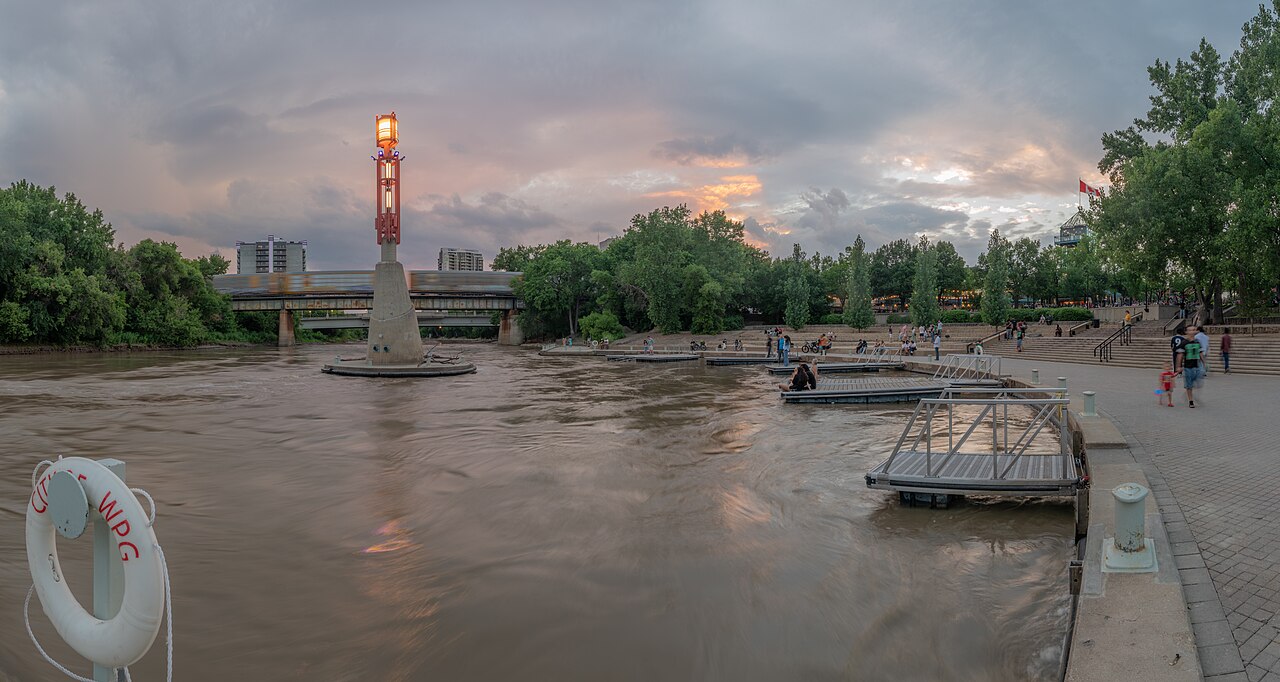
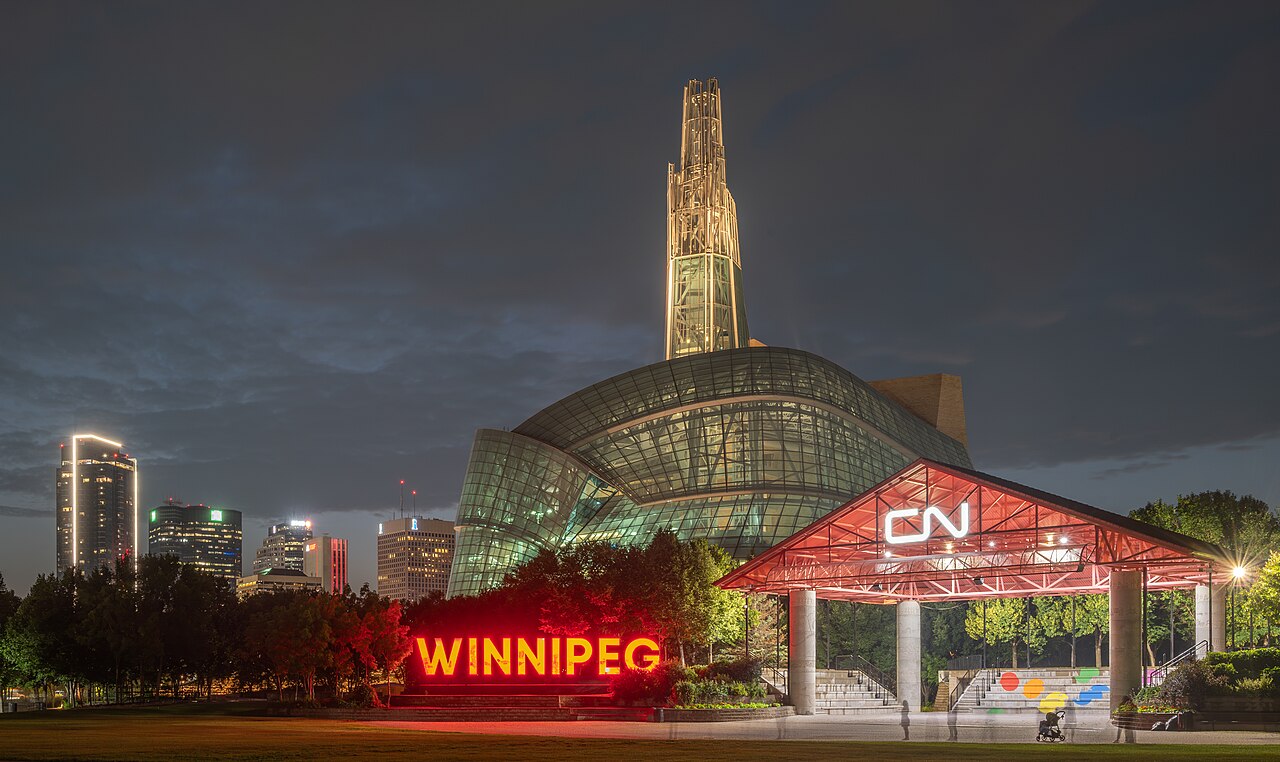
Almost every first visit begins at The Forks, the riverside district where the Red and Assiniboine rivers join. It is free to enter, the market is open every day, and the Canadian Museum for Human Rights stands right beside it. Give the museum two to three hours, remember that it is generally closed on Mondays, and check its website for holiday hours. Admission is free on the first Sunday of each month, which is also its busiest day.
What to book ahead
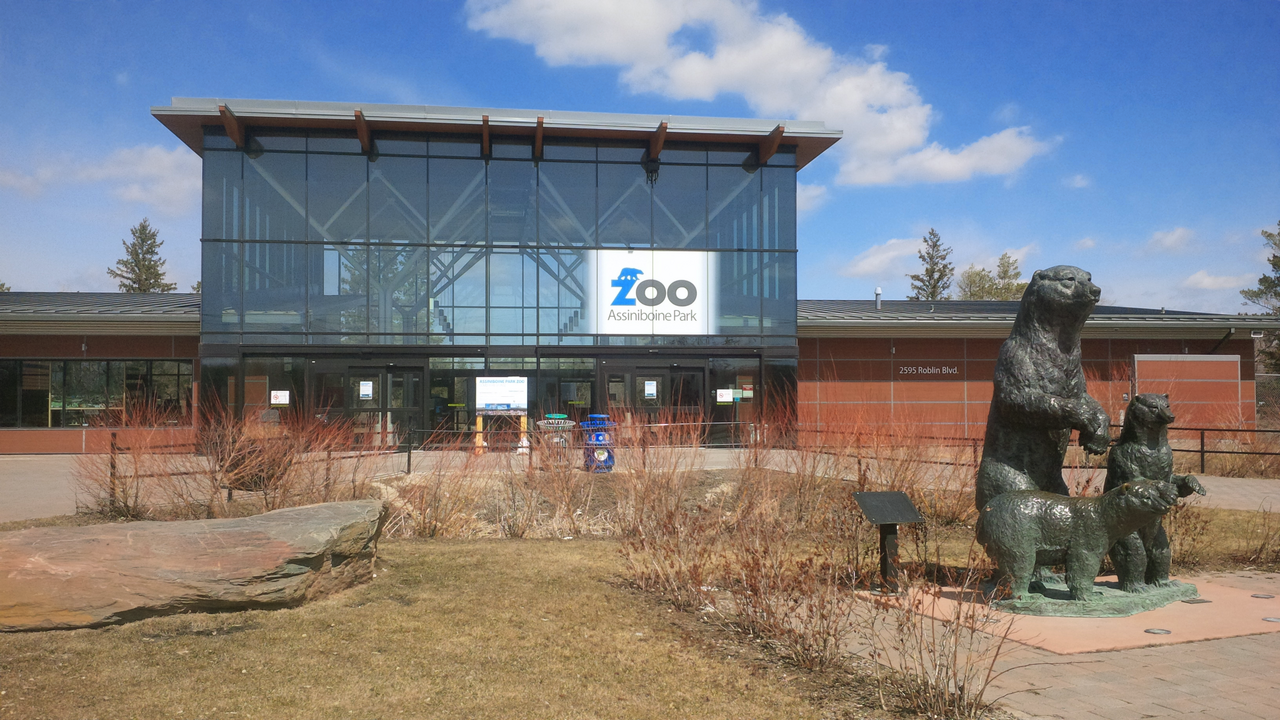
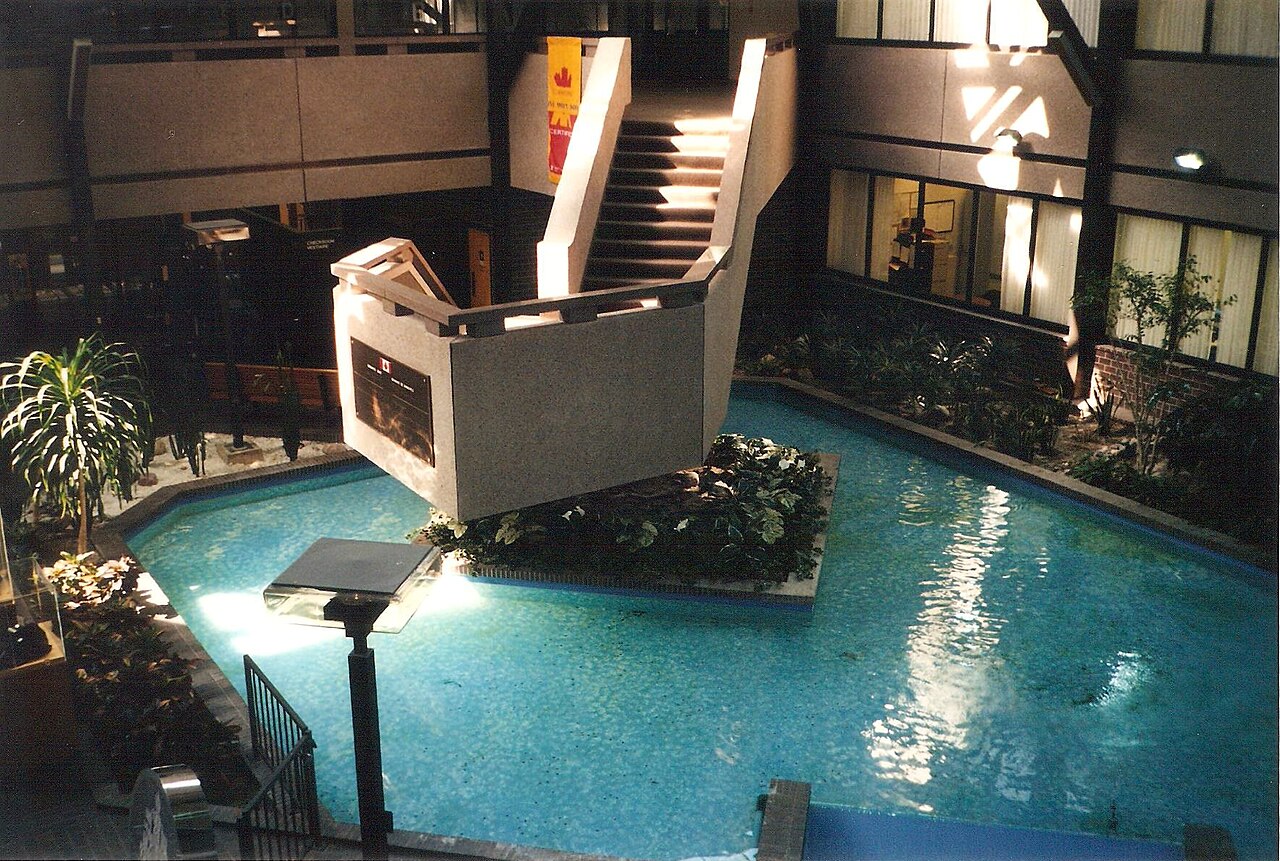
Winnipeg is not a city of long queues, but a few things are worth arranging. The Royal Canadian Mint runs a 45-minute guided tour on a limited winter schedule, so reserve a time slot. Assiniboine Park Zoo and its Journey to Churchill polar bear exhibit are much cheaper if you buy tickets in advance, and the zoo is open every day of the year except December 25. The Manitoba Museum sells separate access to its planetarium and science gallery, so decide what you want before you go. If you prefer a guide, a private city tour is a good way to see Saint Boniface and the west side in a few hours.
Getting around
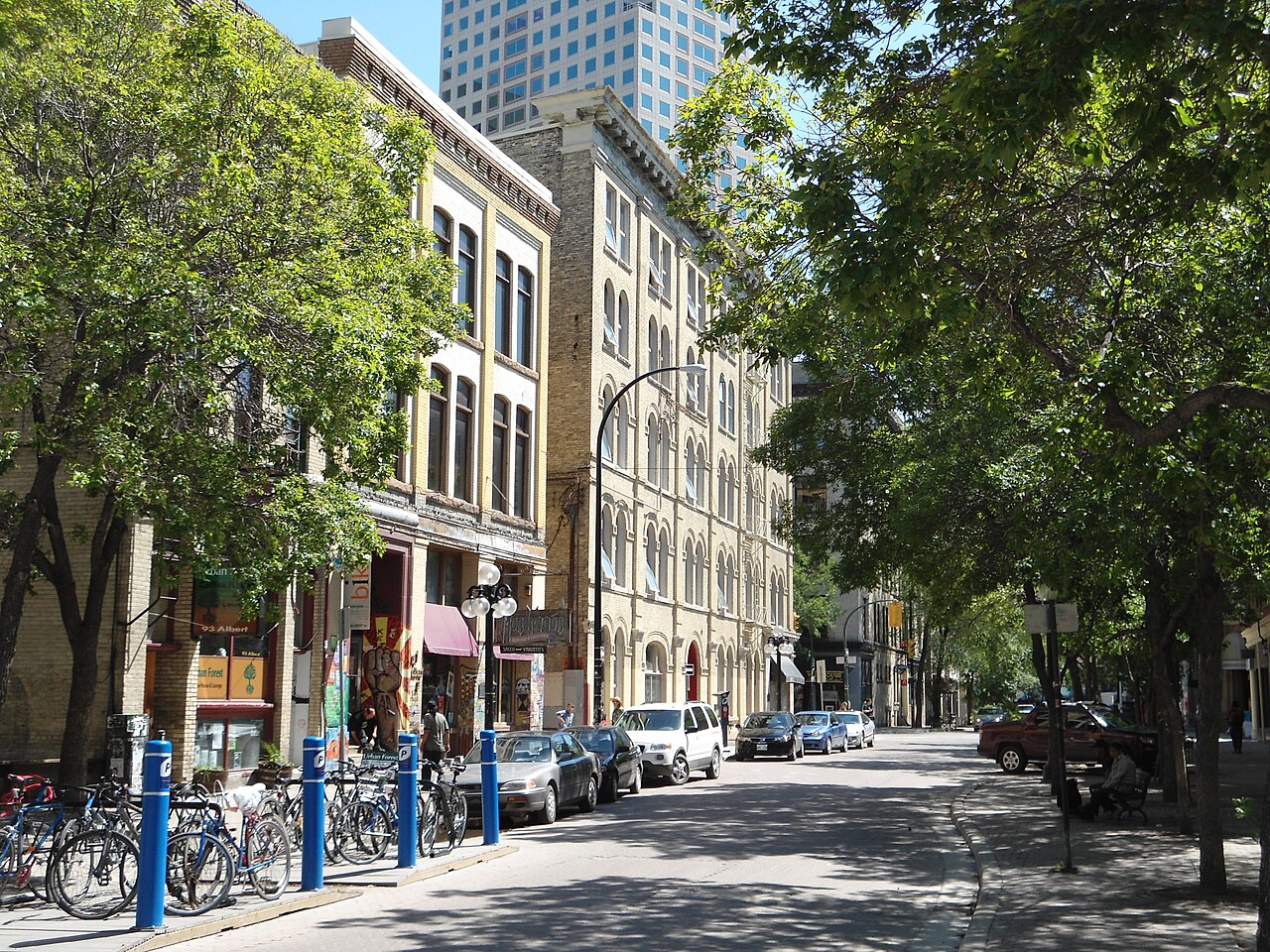
Downtown is flat and compact, and the Exchange District, The Forks and most hotels are a short walk or ride apart. Beyond downtown, a taxi or rideshare is easiest, and Winnipeg Transit buses cover the main routes. A car is useful for FortWhyte Alive, the Mint and the zoo, which sit on the edges of the city, but you can manage without one if you are happy to use rideshares. Parking downtown is paid at most places, and The Forks and the museum charge for it.
How many days
Two days covers the core: a first day built around The Forks, the Human Rights Museum and the Exchange District, and a second day for the zoo and Assiniboine Park, with the Mint or the Manitoba Museum as an afternoon stop. A third day adds FortWhyte Alive and the Manitoba Museum, and gives you slack for weather. If you are heading to Churchill for polar bears or the northern lights, Winnipeg is the gateway city, and Churchill has its own twickly guide.
Plan around the season
Winnipeg is cold and bright in winter, and the temperatures can be severe from December to February. Dress in layers, wear insulated boots and treat indoor sights as the backbone of a winter trip: the Human Rights Museum, the Manitoba Museum, the Mint and the market at The Forks are all warm. Winter also brings skating on the river trails at The Forks when conditions allow, and snowshoeing and tobogganing at FortWhyte Alive. Summer is the festival season and the best time for the outdoor tours, but it is also when hotel rates rise.
A simple first-day plan
Begin at the Human Rights Museum when it opens, walk across The Forks for lunch in the market, and spend the afternoon wandering the Exchange District, with an early dinner in one of its restaurants. On day two, head to the zoo in the morning, take a stroll through Assiniboine Park and then choose the Mint or FortWhyte for the afternoon.
Honest cautions
Opening days and hours change by season, and some attractions close on Mondays or shorten their winter schedules, so check each website before you go. Several sights, including the Manitoba Museum, have had works under way in recent years, so confirm which entrances and galleries are open. Finally, do not underestimate the cold: a few minutes outdoors in January can be uncomfortable, so plan to dip in and out of warm places.