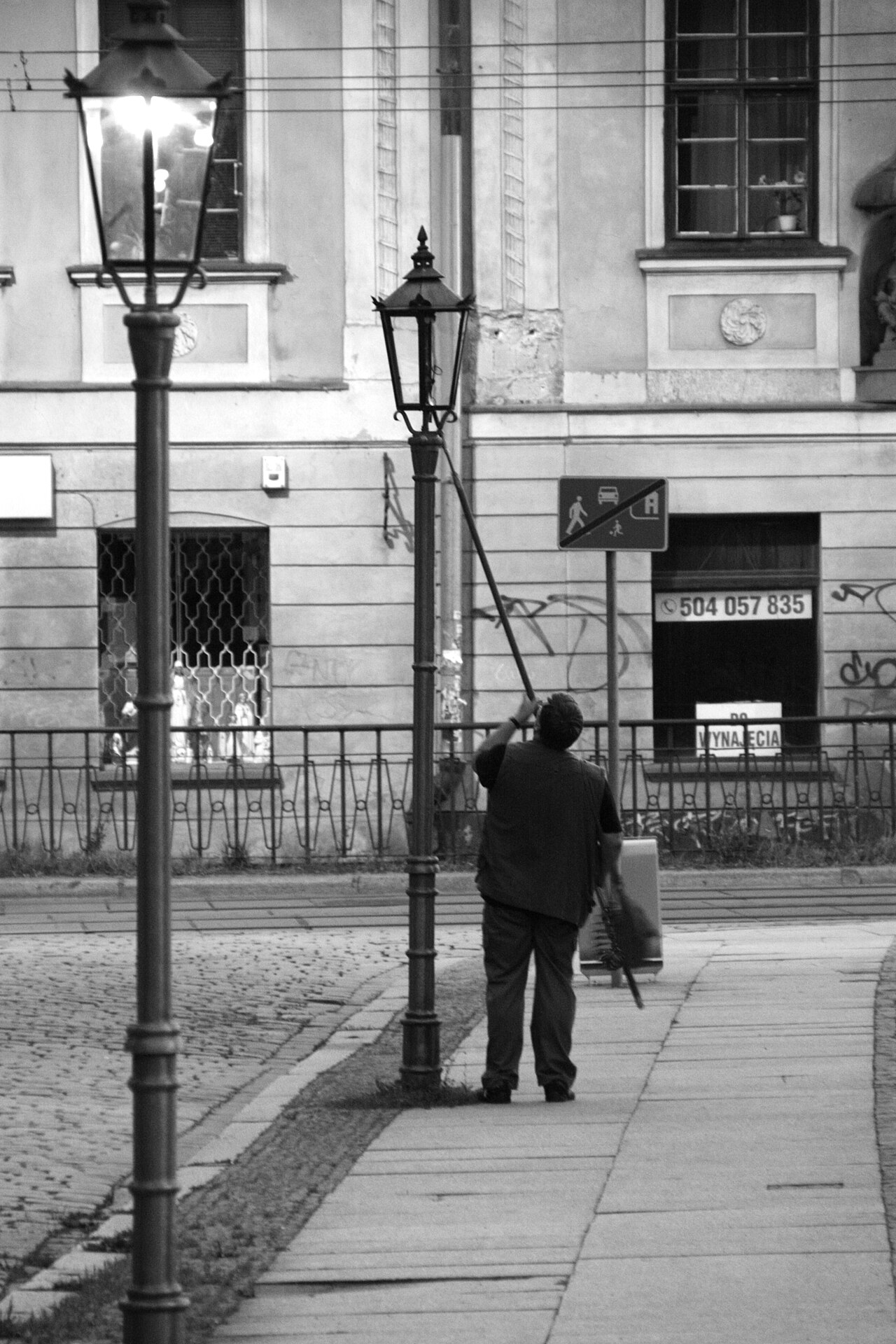
Ostrów Tumski is the birthplace of Wrocław, an old island district on the Oder, now joined to the mainland, where the first Piast rulers built their stronghold and the church later took over. Today it is a calm quarter of Gothic churches, clerical houses, small bridges and cobbled lanes, a world away from the busy Rynek. The Cathedral of St John the Baptist dominates the skyline. It was badly damaged in 1945 and rebuilt, and visitors can enter the cathedral free of charge, while the observation deck on the tower, the Baroque chapels and a few exhibitions are ticketed. The island's signature ritual is the lamplighter, who lights the gas lanterns by hand at dusk and extinguishes them each morning, one of the last places in Poland where this still happens. Tumski Bridge, long known as the Bridge of Lovers, links the island to the city centre side, and the walk across at twilight is one of the city's most atmospheric.
The island rewards slow walking. Cross from the Sand Island and the university quarter, wander past the Church of the Holy Cross and the Church of St Giles, one of the oldest buildings in the city, and loop back along the river. A highlight is the lamplighter at dusk: as the light fades he works his way along the gas-lit streets, so timing your arrival for late afternoon means you see both the daylight architecture and the lighting ritual. In November dusk comes early, so you do not have to wait long.
The cathedral tower is the main paid sight. You can reach the observation deck by lift or on foot, and from the top the city spreads out in every direction, with the red roofs of the old town and the Oder. Hours differ by day and the cathedral closes to sightseers during services, so check the cathedral's visiting information on the day. Entry to the nave is free, but be respectful of worshippers, and men are expected to uncover their heads.
Allow two hours for a comfortable visit. It combines naturally with the Panorama of the Battle of Racławice and the Rynek, which are both within easy reach on foot or tram. Wear shoes with grip, because the lanes are cobbled and slippery when damp. A private walking tour is possible if you want more history, but this is a place that is perfectly rewarding on your own, and the lamplighter ritual costs nothing to watch.
What to expect
The experience
A free walk through the old island district, with an optional ticketed climb of the cathedral tower.
Best time
Late afternoon, so you see the architecture in daylight and then the lamplighter at dusk.
How long
About two hours including the tower and the lamplighter.
Tips
Check the cathedral's visiting hours for the day, wear shoes with grip for the cobbles, and bring a hat or scarf for the wind on the tower.
Quick picks
- Best for
- Couples, history lovers and anyone who wants a quiet counterpoint to the busy square.
- Families
- Easy flat walking, and children enjoy the gas lamps and the bridges.
- Couples
- Cross Tumski Bridge at twilight and watch the lanterns come on one by one.
- Pair with
- The Rynek, the Racławice Panorama and a river cruise in season.
- Time needed
- Two hours, including the tower.
Good questions
Is Ostrów Tumski free to visit?+
Walking the island and entering the cathedral nave are free. The tower observation deck, the Baroque chapels and some exhibitions require tickets.
What does the lamplighter do?+
He lights the gas lanterns by hand at dusk and puts them out in the morning. It is one of the last places in Poland where gas lamps are tended this way.
Can I climb the cathedral tower?+
Yes, there is an observation deck reachable by lift or stairs. It is ticketed, hours vary by day, and it is closed during services.
Is there a dress code for the cathedral?+
Visitors should dress respectfully, and men are expected to remove hats inside. Sightseeing is not allowed during services.
How do I get there?+
It is a short walk from the Rynek and the university quarter, and several tram lines stop nearby. The route across the bridges is part of the pleasure.