Market Square (Rynek) and the Old Town Hall
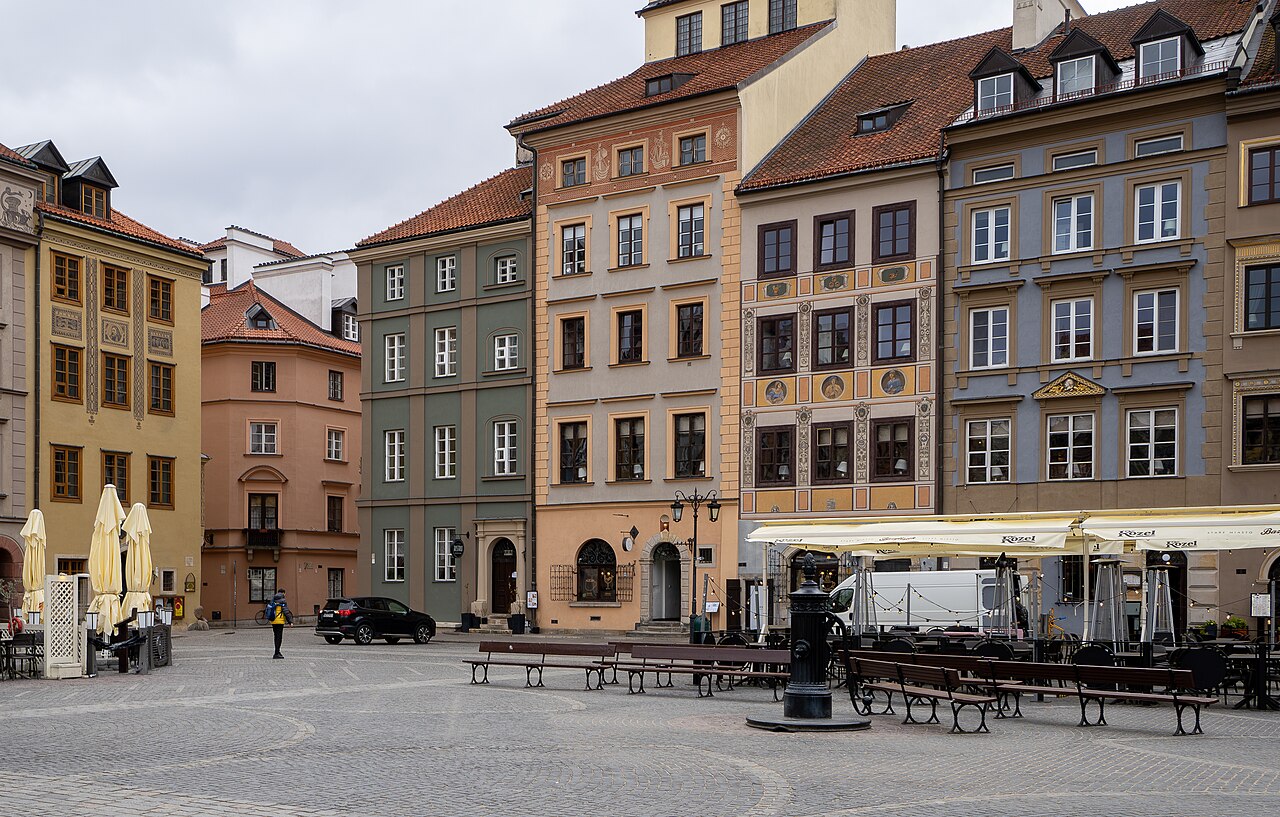
Wrocław's great medieval square, ringed by colourful gabled houses and anchored by the Gothic Old Town Hall, whose rooms now hold the city's Museum of Bourgeois Art. The natural start to any visit.
Lower Silesia (Poland)
Wrocław is the city that turned a painful century into a playful one.
Once the German city of Breslau, it became Polish after the Second World War and rebuilt itself around a medieval market square of pastel gables, a Gothic Old Town Hall, a university with a Baroque ceremonial hall and a cathedral island where a lamplighter still lights the gas lamps by hand at dusk. Today the city is famous for its small bronze dwarfs, hidden on pavements and ledges as a nod to an anti-communist street-art movement, and for a surprising range of world-class sights: the UNESCO-listed Centennial Hall, a giant circular painting of the Battle of Racławice, the Afrykarium in Poland's oldest zoo, and the underground exhibition rooms of Hydropolis. The Oder and its islands thread through the centre, with cruises in the warm months, and Książ Castle makes a dramatic single-destination day trip. This guide is honest about seasons: the Multimedia Fountain, Japanese Garden and most river cruises are warm-season attractions, and the Christmas Market opens in late November. It also matches you with eight hotels, from the Market Square to Cathedral Island, because in a compact city where you sleep shapes how you see it.
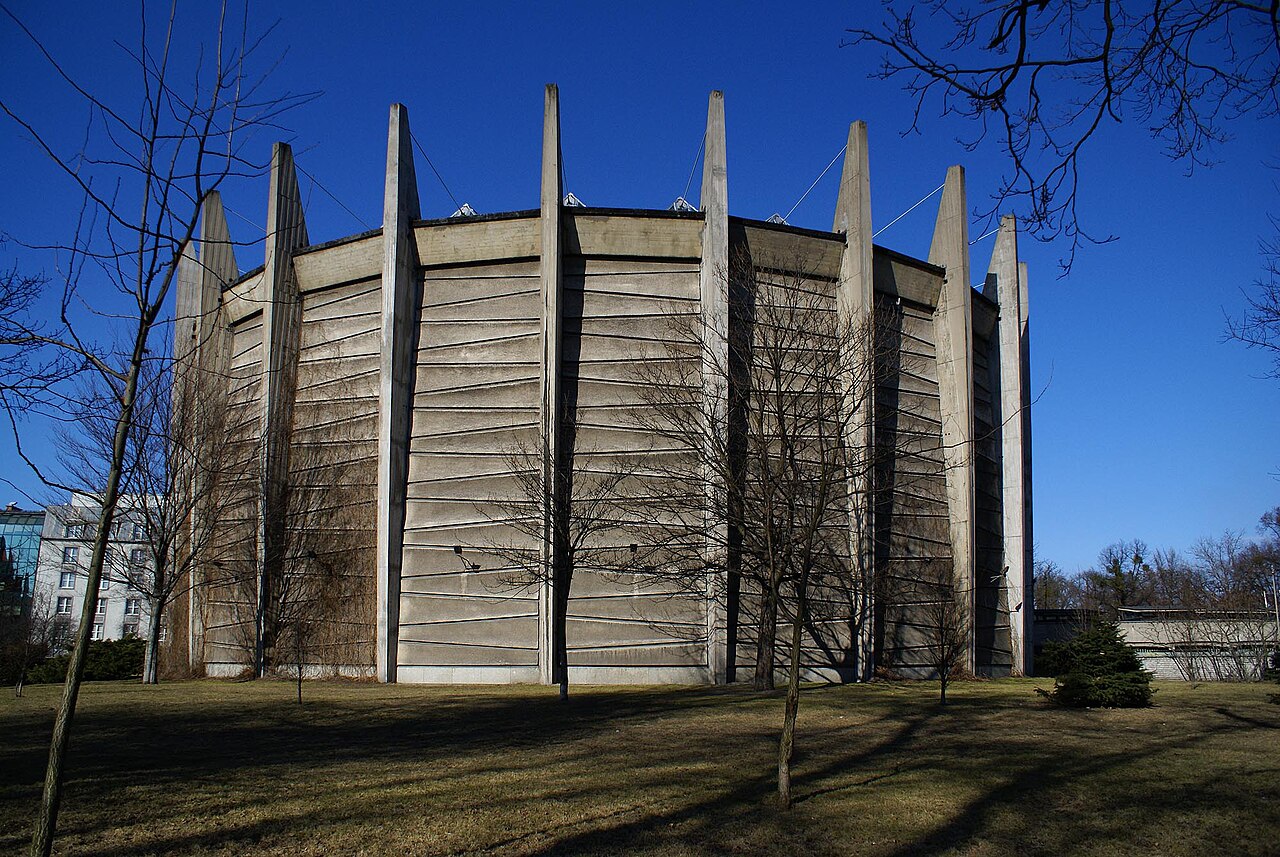
Panorama of the Battle of Racławice
A monumental circular painting of the 1794 Battle of Racławice, viewed from a central platform in a purpose-built rotunda. A strongly Polish story told on a vast canvas, and a good indoor choice in cold weather.
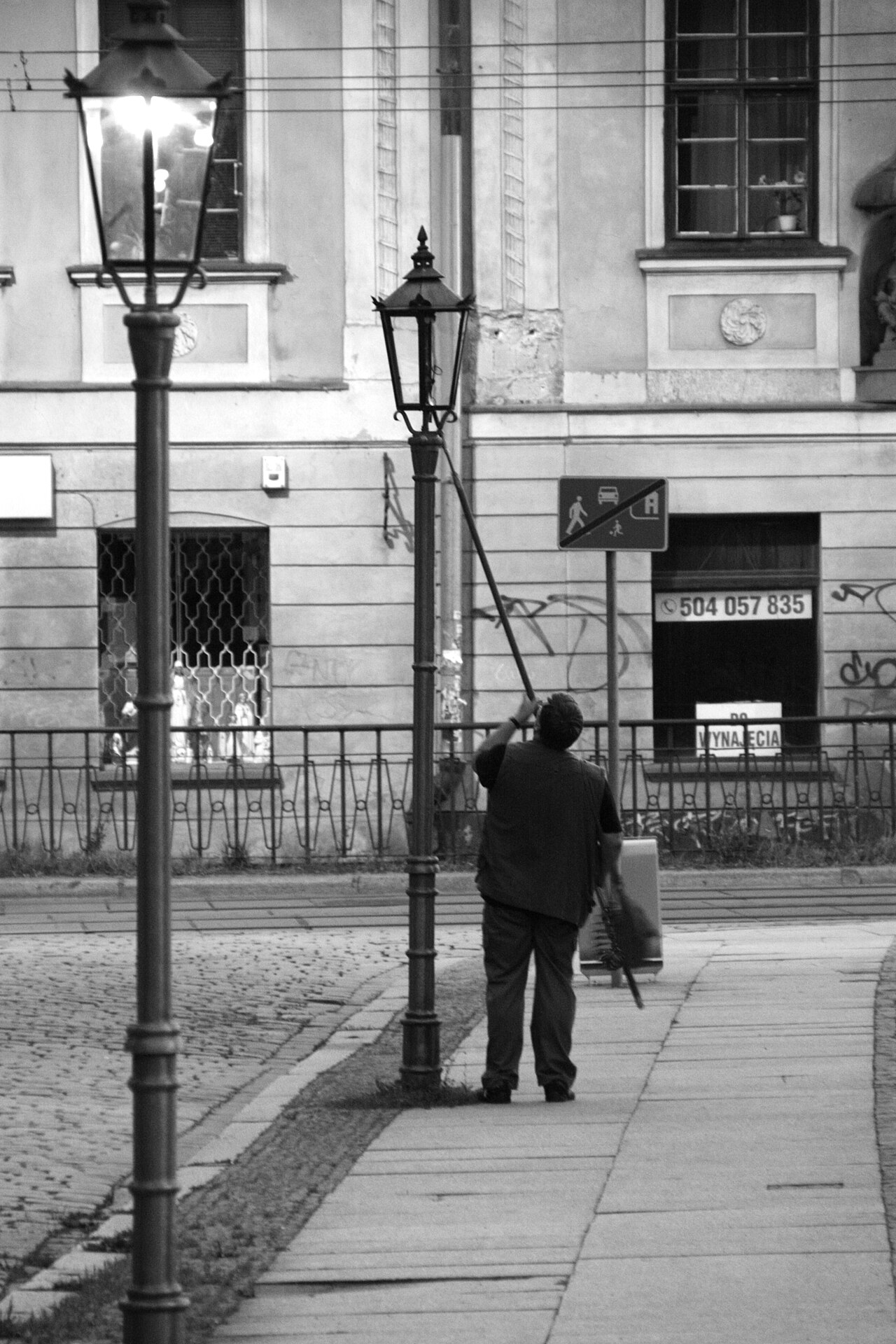
Ostrów Tumski (Cathedral Island) and the Lamplighter
The oldest part of Wrocław: a quiet district of churches, cobbled lanes and gas lamps lit by hand at dusk, with a cathedral tower you can climb for the best view over the city.
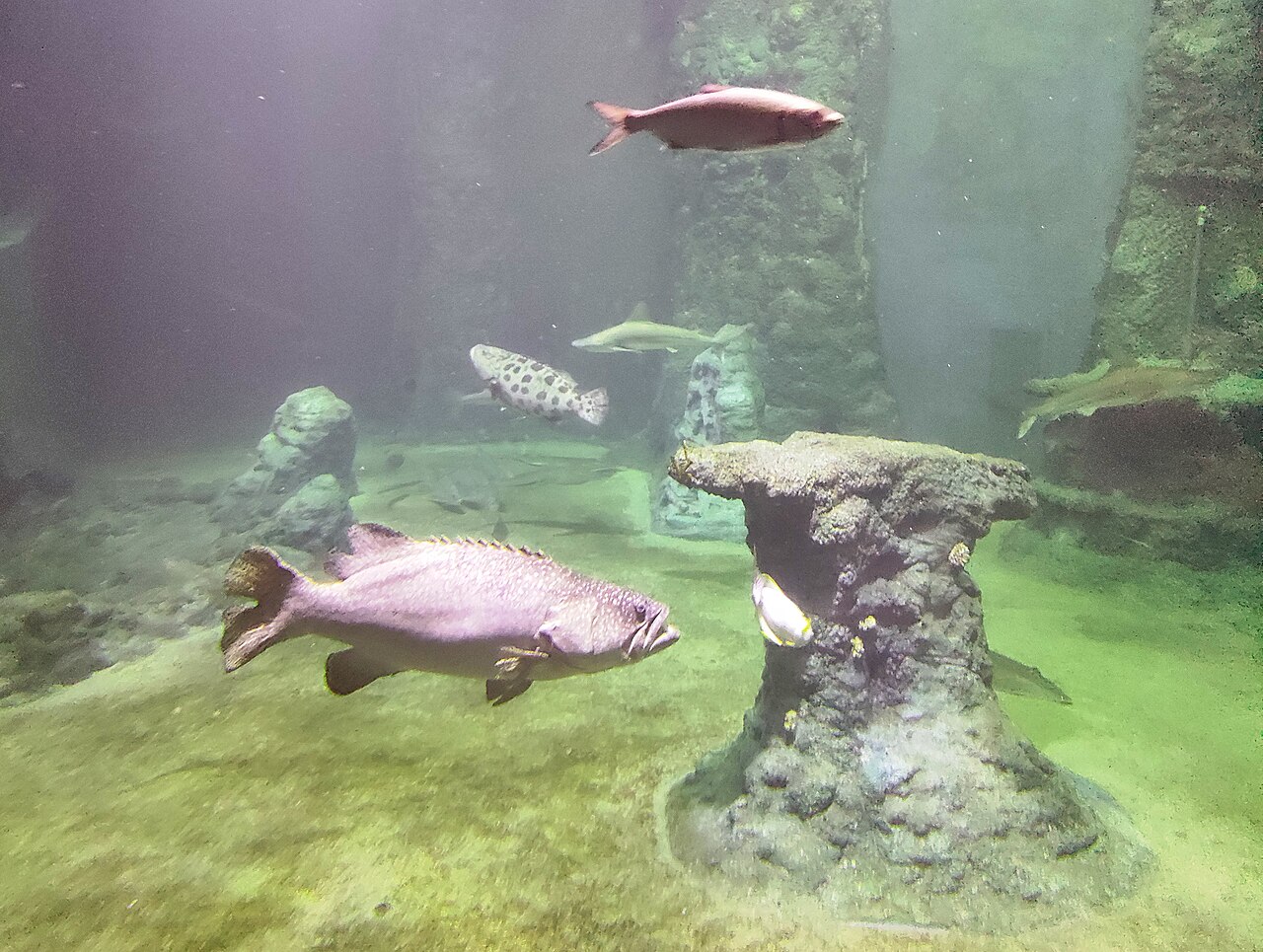
Wrocław Zoo and the Afrykarium
Poland's oldest zoo, home to the Afrykarium, an indoor oceanarium dedicated to African wildlife with a tunnel through the shark tank. Open every day of the year, so it works in any weather.
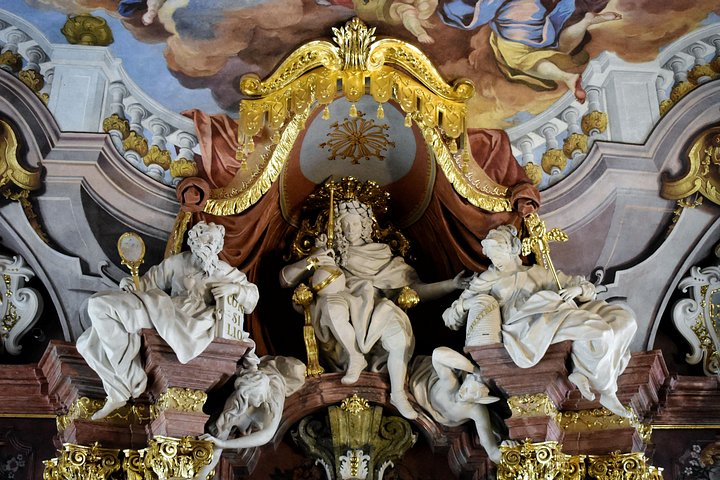
University of Wrocław: Aula Leopoldina
A glittering Baroque ceremonial hall of the University of Wrocław, with illusionistic ceilings and a musical gallery. One of the finest interiors in Poland, and an easy indoor stop beside the Rynek.
Hand-picked: every experience here has strong traveler reviews and a verified booking link.
Wrocław's great medieval square, ringed by colourful gabled houses and anchored by the Gothic Old Town Hall, whose rooms now hold the city's Museum of Bourgeois Art. The natural start to any visit.
Hundreds of small bronze dwarfs hide on pavements, ledges and lampposts across the centre. A free, self-paced treasure hunt that turns an ordinary walk into the city's best-loved game.
FreeThe oldest part of Wrocław: a quiet district of churches, cobbled lanes and gas lamps lit by hand at dusk, with a cathedral tower you can climb for the best view over the city.
A monumental circular painting of the 1794 Battle of Racławice, viewed from a central platform in a purpose-built rotunda. A strongly Polish story told on a vast canvas, and a good indoor choice in cold weather.
Max Berg's pioneering reinforced-concrete dome, a UNESCO World Heritage Site, with a Visitor Centre that explains how it was built. The Multimedia Fountain and Japanese Garden next door are warm-season extras.
Poland's oldest zoo, home to the Afrykarium, an indoor oceanarium dedicated to African wildlife with a tunnel through the shark tank. Open every day of the year, so it works in any weather.
A glittering Baroque ceremonial hall of the University of Wrocław, with illusionistic ceilings and a musical gallery. One of the finest interiors in Poland, and an easy indoor stop beside the Rynek.
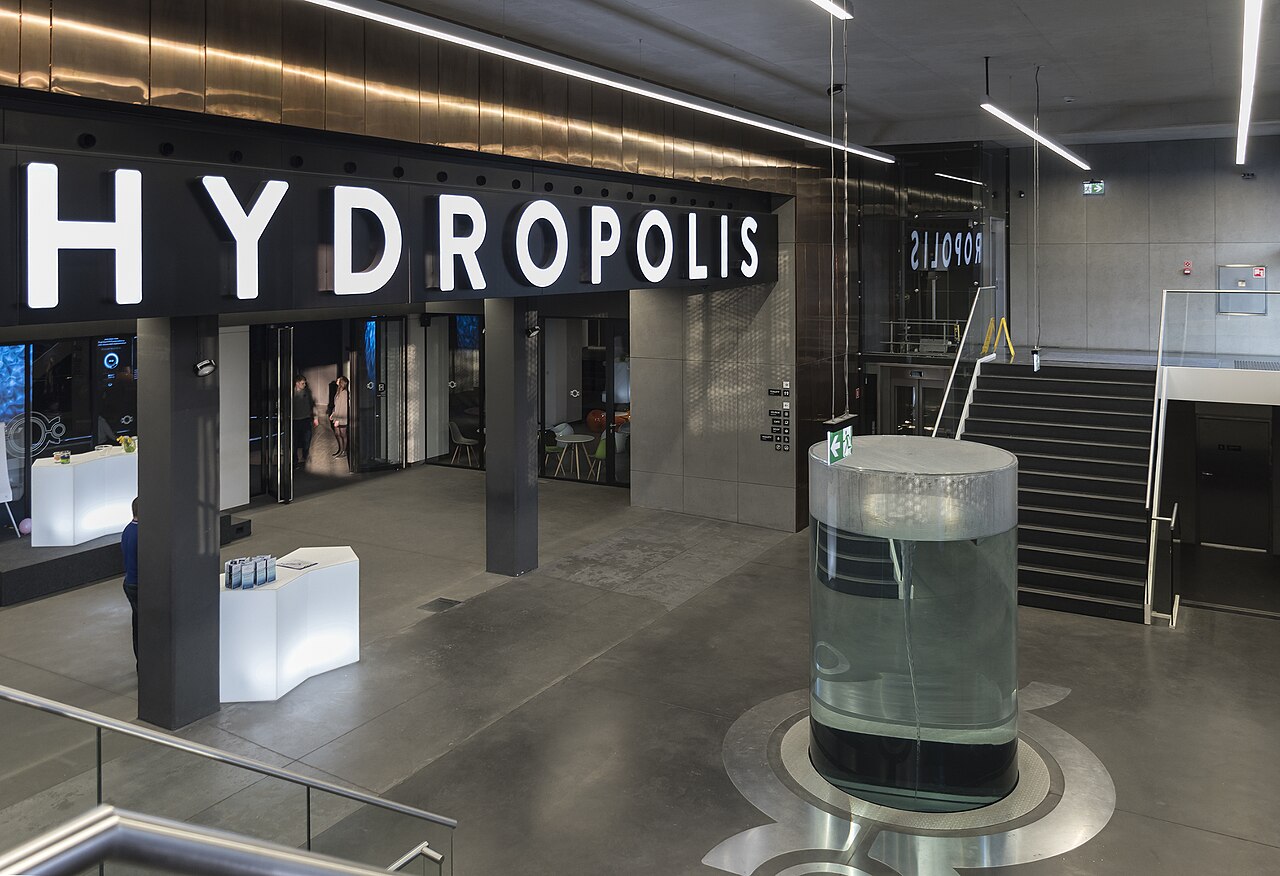
An interactive exhibition about water in a vaulted underground reservoir from 1893. Immersive and hands-on, it is one of the best indoor activities in the city for children and curious adults.
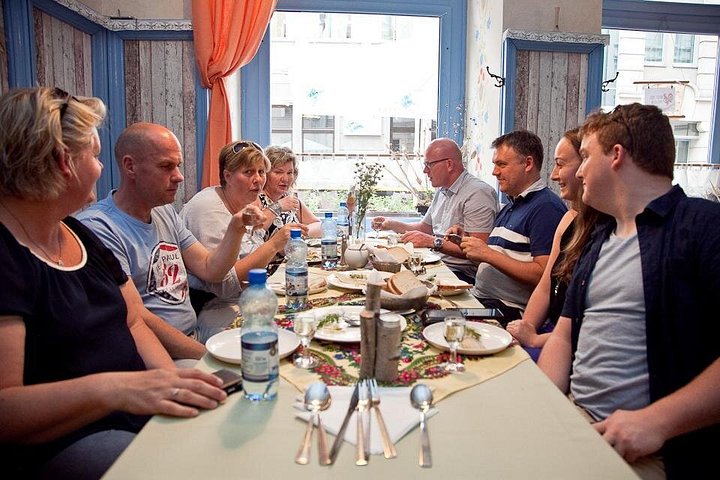
A three-hour guided walk from the Rynek that pairs Polish vodkas with food at local stops and stories about the city. A sociable introduction to Polish drinking and eating traditions.
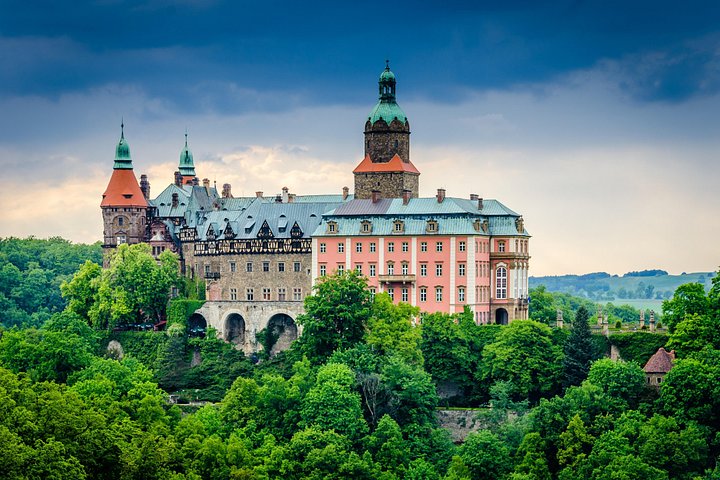
One of the largest castles in Poland, perched above a forested gorge near Wałbrzych. A single-destination day trip from Wrocław, with a Gardens of Light display in the colder months.
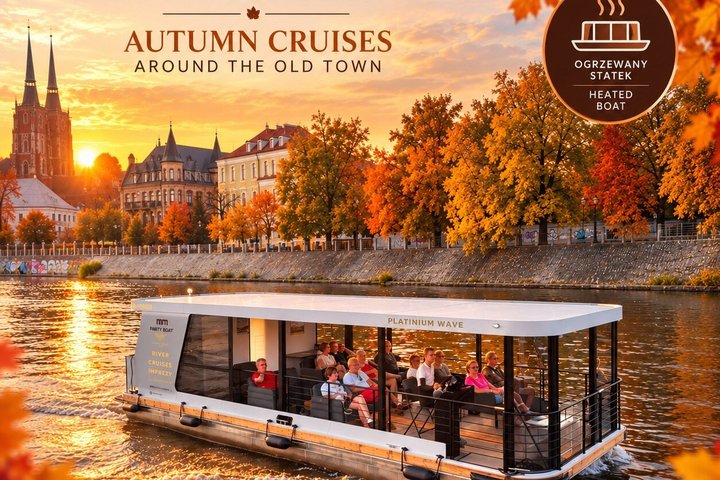
A short boat trip on the Oder past the old town and cathedral island. Most boats sail from April to October, but a 45-minute autumn and Christmas sailing is offered in the colder months.
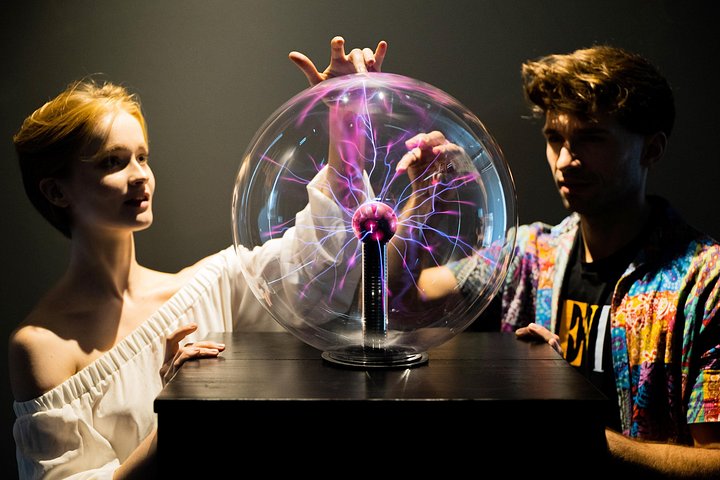
A small, hands-on museum of optical tricks, tilted rooms and photo-ready illusions on Staromłyńska street, an easy indoor stop close to the Old Town.
Hotels we would book ourselves, from splurges to good-value bases.
Ostrów Tumski (Cathedral Island)
A five-star boutique hotel on Cathedral Island, steps from the cathedral and the lamplit lanes of Ostrów Tumski. River views, a spa, a regional-cuisine restaurant and a rooftop terrace make it the splurge pick.
Check rates →Old Town
A large four-star hotel one minute from the Quarter of Four Denominations and about three minutes from the Market Square, with a spa floor, sauna, hot tub and recently renovated rooms.
Check rates →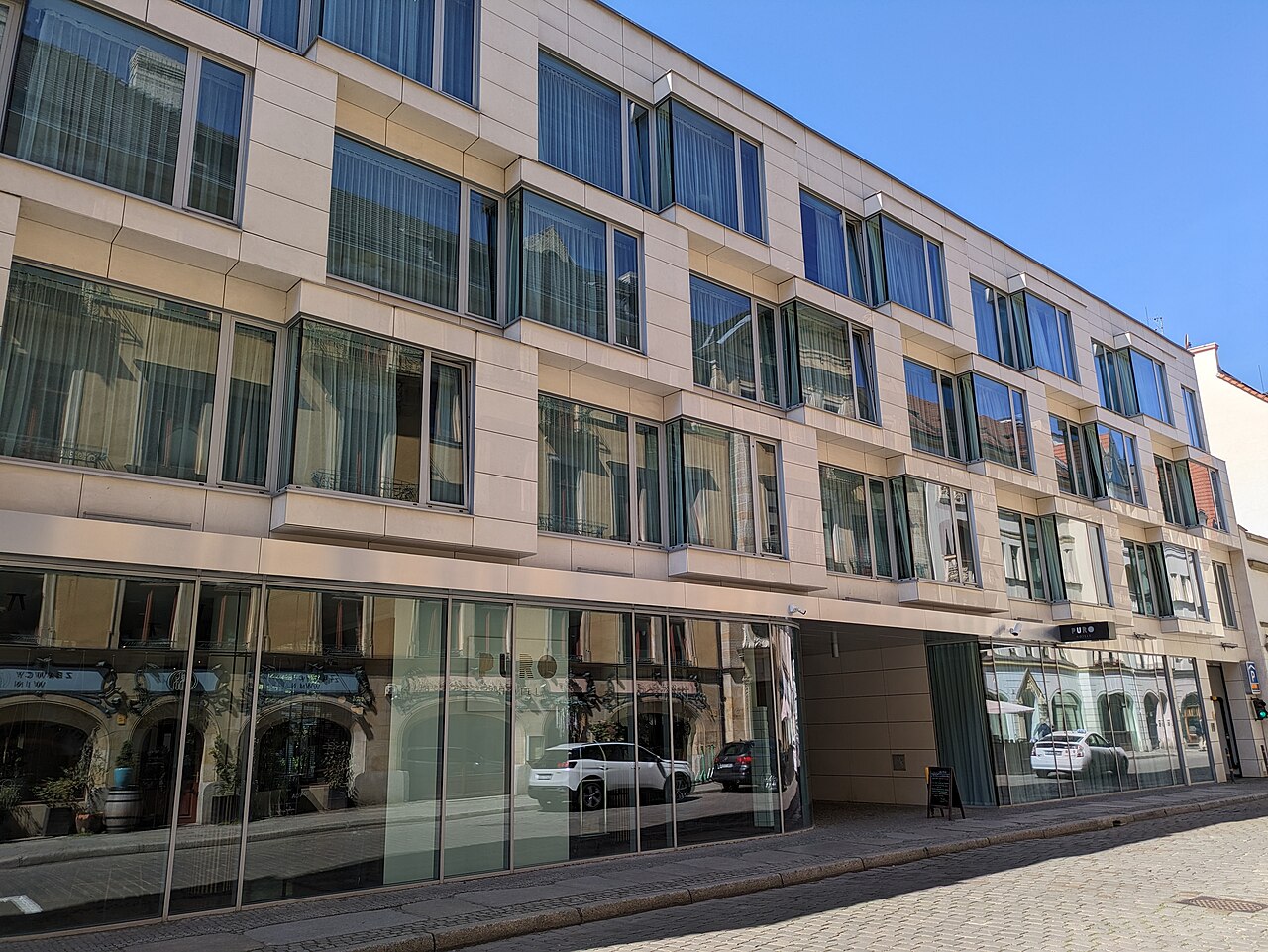 $$
Quarter of Four Denominations
A stylish design hotel on Włodkowica street, a minute from the Quarter of Four Denominations and six minutes from the Rynek, with free bicycle rental, a restaurant, a terrace and a library.
Check rates →Near the Central Station
A practical, colourful mid-range hotel with 133 rooms across from the main railway station, about a fifteen-minute walk from the Rynek. Easy for train arrivals and families.
Check rates →Market Square (Rynek)
Budget-friendly rooms in a 1931 Art Deco building right on the Market Square. Soundproofed rooms, 24-hour reception and the best location of any value hotel in the city.
Check rates →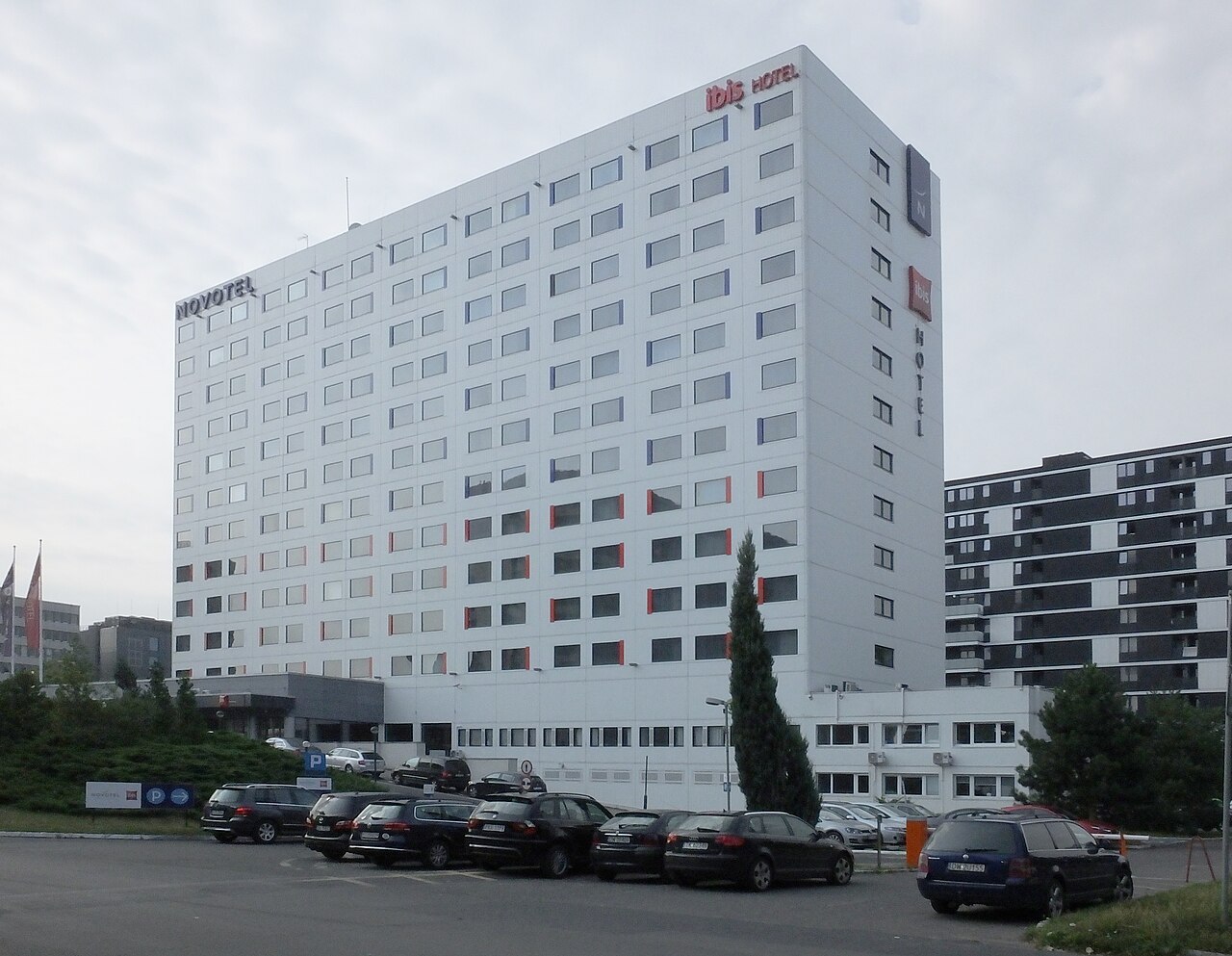 $$
Krzyki
A four-star hotel in Krzyki, about a twelve-minute walk from the main railway station, with a restaurant, bar, sauna and 24-hour gym, and a calmer base than the Old Town.
Check rates →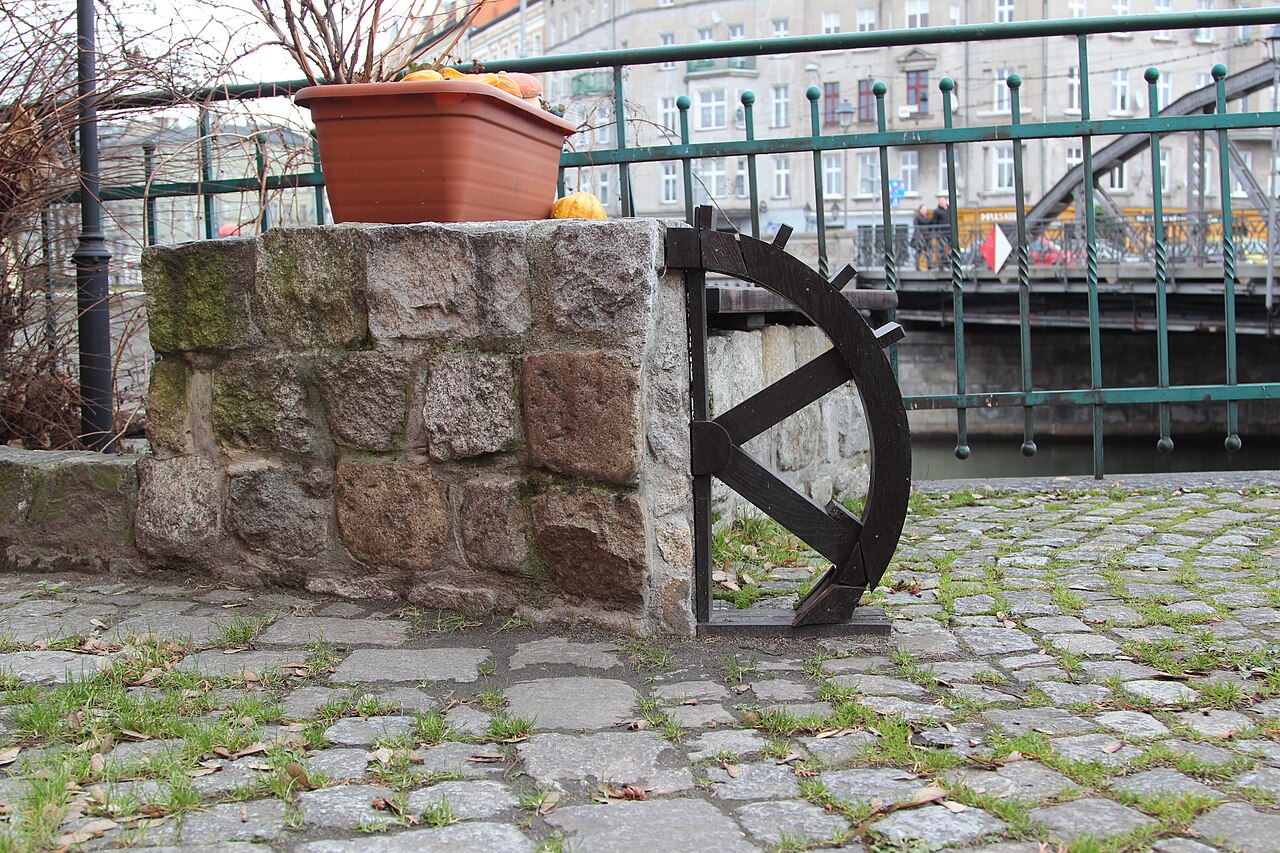 $$
Sand Island
A character hotel on Sand Island in the Odra, five minutes from the bridge to the cathedral island, with two restaurants, a terrace, a garden, a library and breakfast served on a barge.
Check rates →Old Town
A well-known mid-to-upper-range chain hotel in the old-town area of Wrocław, a dependable choice for first-time visitors who want to stay near the Market Square.
Check rates →A practical first-visit plan for Wrocław: the Rynek, dwarfs, Ostrów Tumski, the Panorama, Centennial Hall, how many days to allow and what is open in November.
Where to stay in Wrocław: the Market Square, the Quarter of Four Denominations, Cathedral Island and the station area compared, with five hotels matched to budget and style.
A three-day Wrocław itinerary: the Rynek and dwarfs, Ostrów Tumski and the Panorama, then Centennial Hall and Hydropolis or the zoo, with weekly closing days and rainy-day swaps.
What to eat and drink in Wrocław: pierogi, żurek and other Polish classics, milk bars, the market hall, craft beer and vodka tasting, with tipping and payment basics.
The best day trips from Wrocław: Książ Castle, the UNESCO Churches of Peace, the Sudeten hills, Kraków and cross-border options, with advice on trains, cars and tours.
How to enjoy Wrocław on a budget: free sights like the Rynek, the dwarfs and Ostrów Tumski, low-cost museums, cheap food and getting around without spending much.