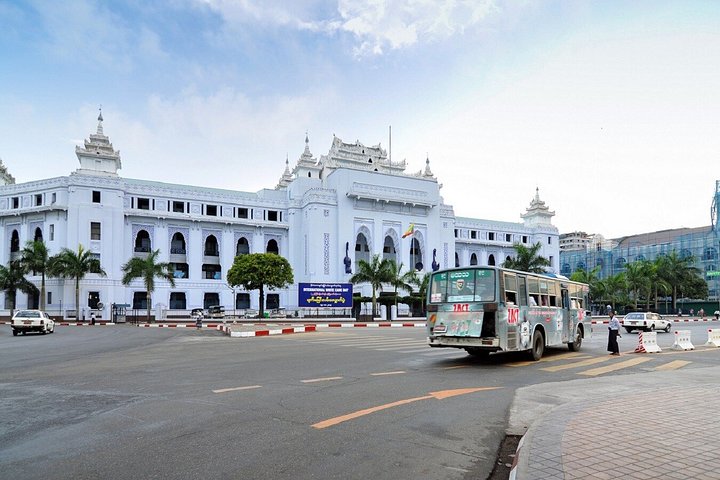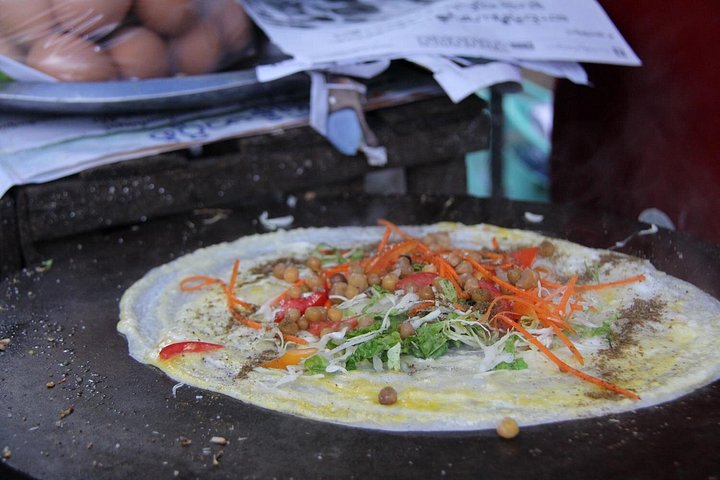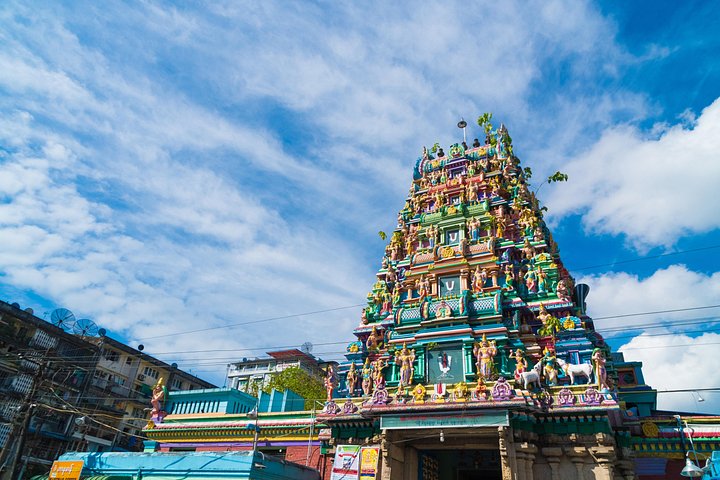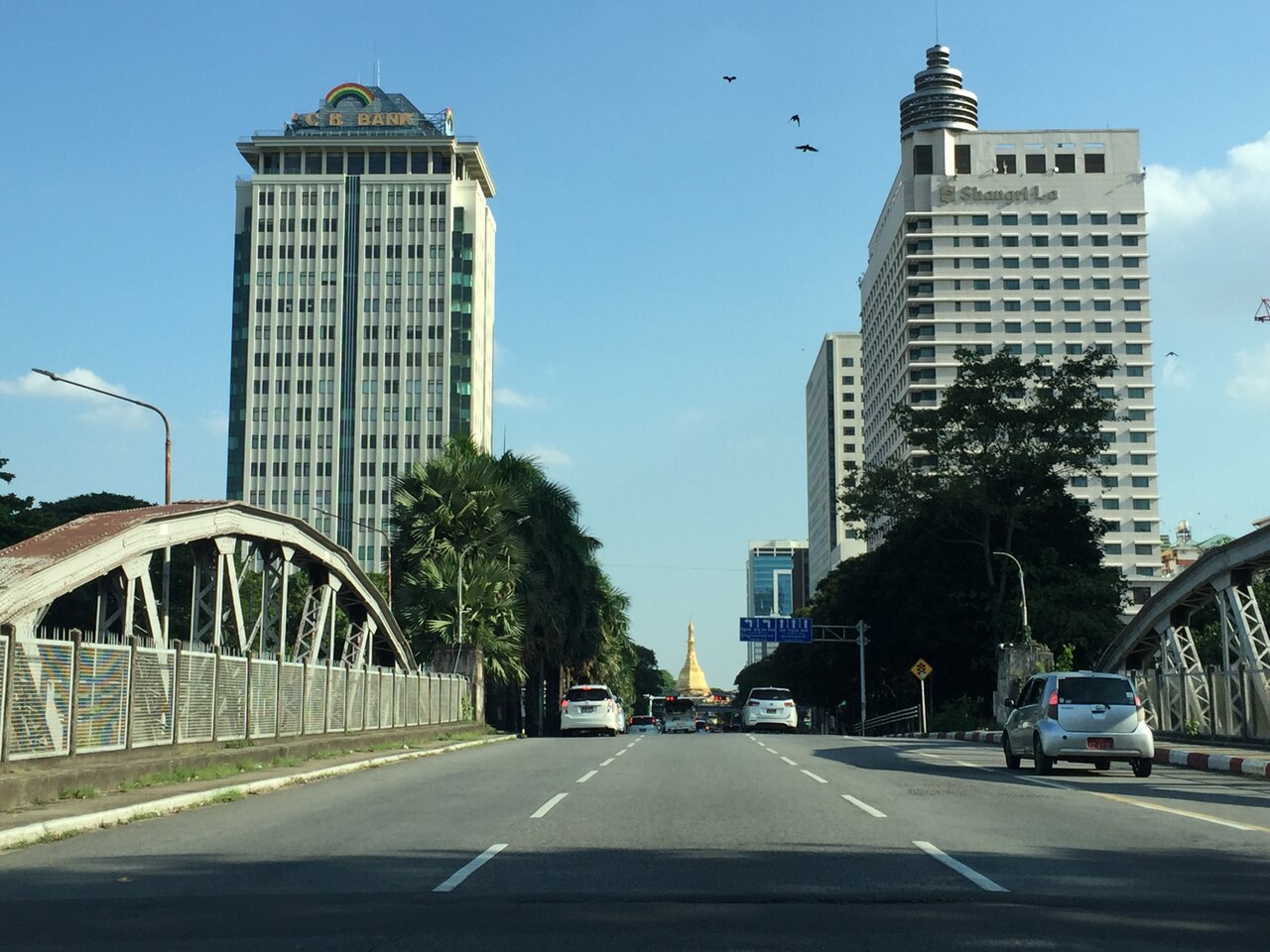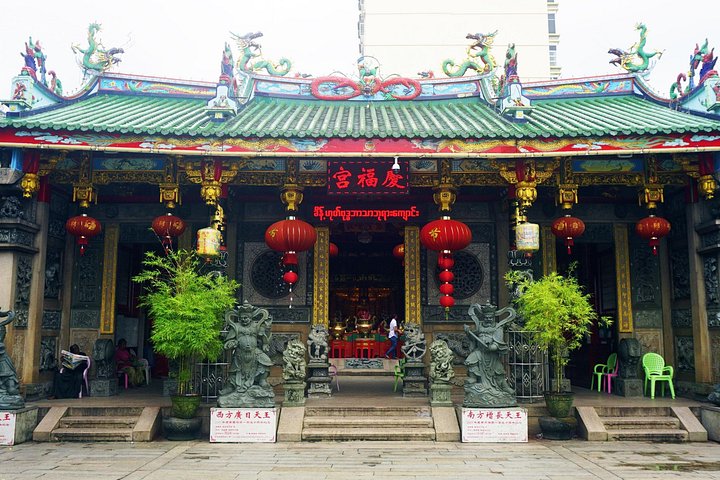
Chinese traders and labourers have been part of Yangon’s story for well over a century, and their legacy is visible in the streets of Chinatown, its clan associations, temples and food stalls. This guided immersion looks at that heritage in detail, taking you through the busy blocks around the 19th Street area and the lanes behind, where shops sell dried goods, herbal medicines, lanterns and hardware, and families have run businesses for generations. The guide explains how communities from Fujian and Guangdong arrived, how they organised themselves in associations that still maintain temples and halls, and how Chinese culture blended with Burmese traditions in food, festivals and family life. You visit temples with smoky incense, carved dragons and altars to deities that Burmese Buddhists and Chinese worshippers both revere, and learn about the role of ancestor worship and the Lunar New Year celebrations. The tour often includes food tastes, such as dim sum, noodles or sweet snacks, so you eat your way through the history. It is a good choice for travellers curious about the cultural mosaic of the city and for those who want to go beyond the pagodas to see how different communities live together.
How it works
A local guide leads a walking tour, typically lasting a few hours, through the Chinatown area and nearby streets. You visit temples and shops, taste snacks and hear about the history and traditions of the community. Check the meeting point, the duration and what is included.
What you see
Chinese temples and clan halls, narrow lanes with traditional shops, herbal medicine stores, tea merchants and street food stalls. During festivals such as the Lunar New Year, the streets are decorated with lanterns and filled with offerings.
Making the most of it
Wear comfortable shoes, bring water and carry small notes for snacks. Be respectful in temples, ask before taking photos of altars or worshippers and do not touch offerings. The area is busy, so keep your belongings close and follow the guide through the crowds.
Good to know
Evenings in Chinatown are lively, with food stalls spilling onto the street, so consider combining this tour with a dinner of grilled skewers and noodles. The cool season is the best time for walking, and the tour is well suited to travellers who enjoy history, food and photography. It also pairs well with a visit to the Indian and Hindu heritage tour to see how the city’s communities mixed.
Why it is worth the visit
Chinatown shows how migration shaped Yangon, and walking it with a guide turns a blur of shopfronts into a series of stories. You may learn why clan associations still matter, how temple festivals are organised, what the herbs in the medicine shops are used for and how Chinese dishes became part of Burmese menus. The mix of incense, spices, frying oil and tea in the air is a sensory introduction to the neighbourhood.
Who it suits
Curious travellers, food lovers and photographers. Pair it with an evening of grilled skewers and noodles along the lively streets to complete the picture.
Keep an eye out for the small details that guides love to point out, such as carved roof ridges, old shop signs in two scripts and the offerings placed at doorways each morning.
What to expect
The experience
A guided walking tour of Chinatown and its temples, with food tastings and local stories.
Best time
Morning or late afternoon, when the streets are lively but the heat is lower.
How long
About three to four hours.
Tips
Wear comfortable shoes, ask before photographing altars and keep belongings close in crowds.
Quick picks
- Best for
- Curious travellers who want to see Yangon’s multicultural side.
- Families
- Suited to older children who enjoy markets and food.
- Couples
- A shared cultural walk with tastings.
- Pair with
- The evening street food tour or the Hindu heritage tour.
- Time needed
- A morning or afternoon.
Good questions
What will I see?+
Temples, clan halls, shops, markets and food stalls in Yangon’s Chinatown.
Is food included?+
Tastings are usually part of the tour, but check the inclusions.
Can I take photos in temples?+
Ask first, and avoid photographing worshippers without permission.
When is the best time to visit?+
Morning or late afternoon, and during festivals such as the Lunar New Year for extra colour.
How long is the tour?+
About three to four hours.