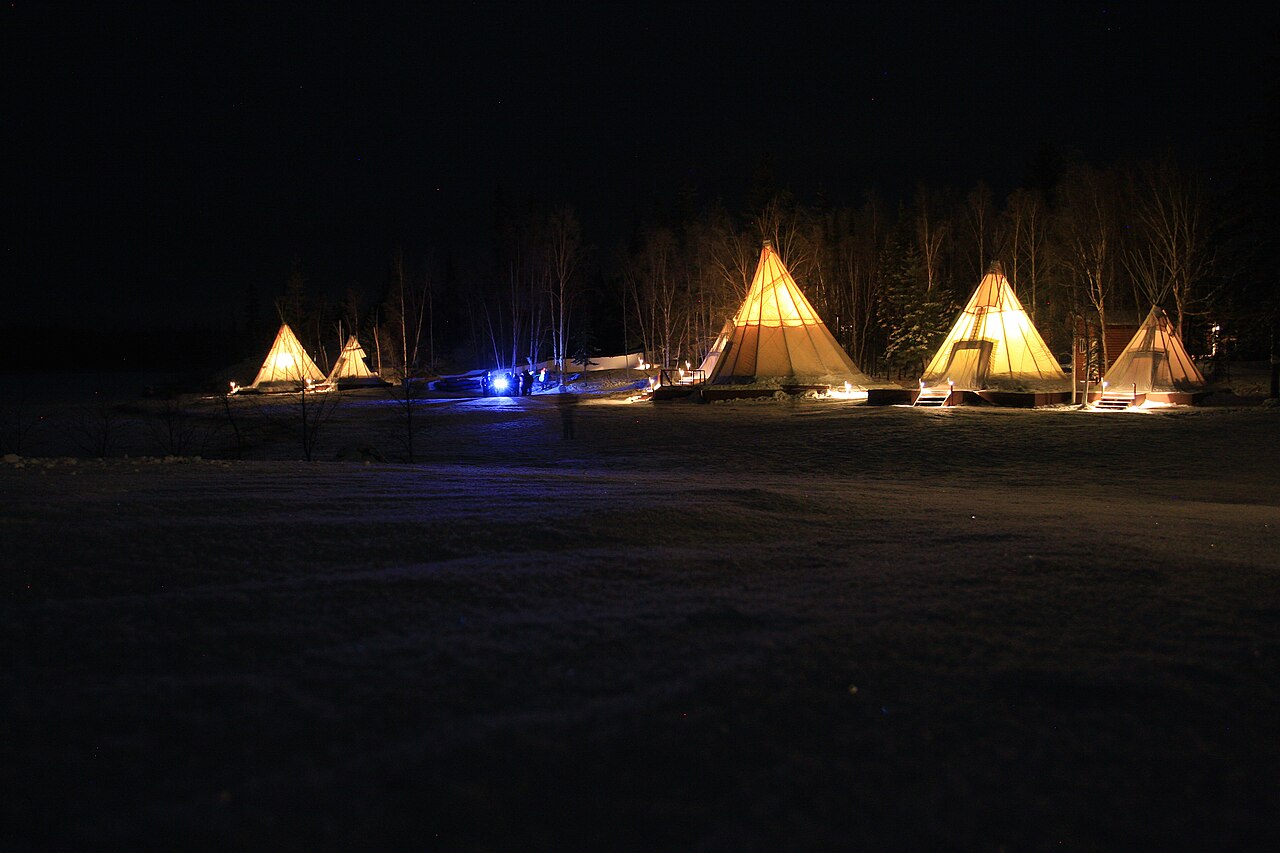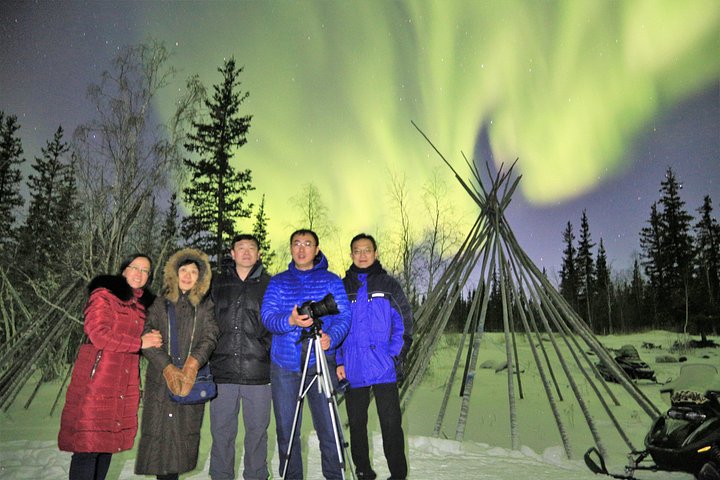
Yellowknife sits under the auroral oval and its dry climate means clear skies are common, which is why the city bills itself as one of the best places on Earth to see the northern lights, with up to 240 aurora nights a year in good conditions. A guided tour takes the guesswork out of it. Operators head away from town lights to a viewing spot chosen that evening from the cloud and aurora forecast, and a good guide will move you if the sky changes. Reviewers regularly mention hot drinks, warm shelter between sightings and help setting up cameras. This tour is one of the most reviewed in the city, with hundreds of traveller reviews and a high average score. Expect a long, late evening standing in the cold, so the right clothing matters more than any other choice you make. The shoulder weeks between the fall aurora season and the winter season that starts in mid-November are often cloudy, so check each operator's first winter departure date before you plan around it.
How a night works
You meet or are collected in the evening, drive out of town to a dark spot, and then wait. The aurora is a natural event, so some nights are spectacular and some are quiet, and no operator can promise a show. What a guide adds is judgment: where the cloud is breaking, when to step outside, and how to photograph faint green arcs on a phone or a camera.
When to go
The aurora is invisible in the summer midnight sun. The fall season runs from mid-August to late September, early October to mid-November is often cloudy, and the winter season runs from mid-November to early April. Late February and March are widely recommended for first-timers, and a stay of at least four nights gives you several chances because one cloudy night is common.
Tips that matter
Wear more than you think you need, with insulated boots, a warm hat, mitts and layered clothing, because standing still after dark is far colder than moving by day. Charge your phone and carry a spare battery inside your jacket. Try a different operator on a second night for a different viewing spot or a cultural program, and keep the first night free of early starts, since the best displays can run after midnight.
What to expect
The experience
A guided evening aurora hunt away from the town lights, with a viewing spot chosen that night from the cloud and aurora forecast.
Best time
Mid-November to early April for the winter season, with late February and March the favourite for first-timers; mid-August to late September is the fall season.
How long
Plan on most of an evening, and keep the next morning free.
Tips
Dress for deep cold, bring a charged phone and spare battery, and plan more than one night because cloud can win any single evening.
Quick picks
- Best for
- First-timers who want the aurora without arranging the logistics themselves.
- Families
- Fine for older children who can stay up late and tolerate the cold, but a poor fit for very young ones.
- Couples
- A quiet, memorable night, best paired with a warm dinner before pickup.
- Pair with
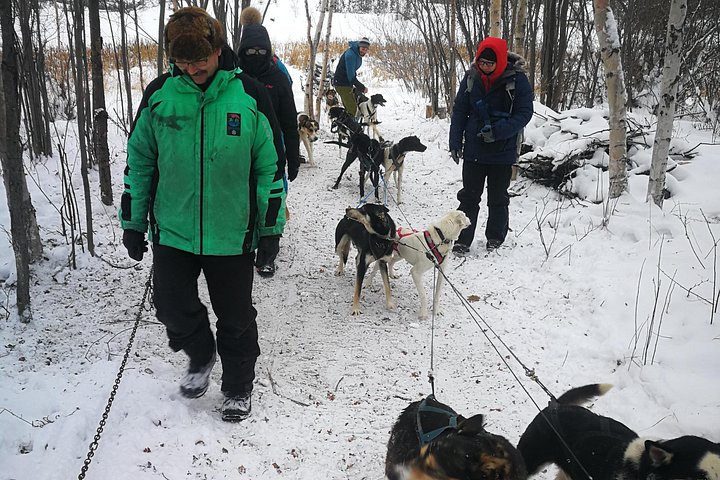
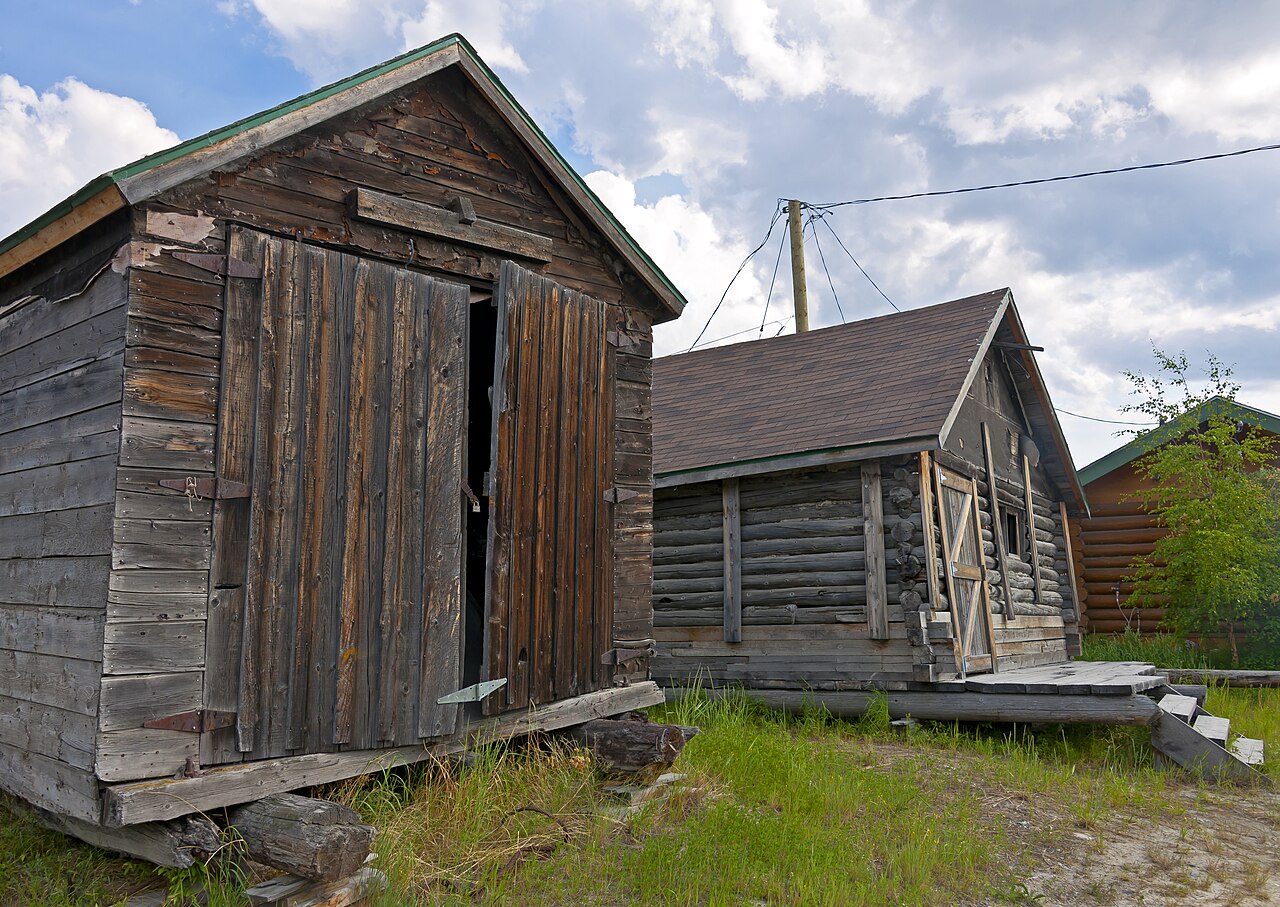
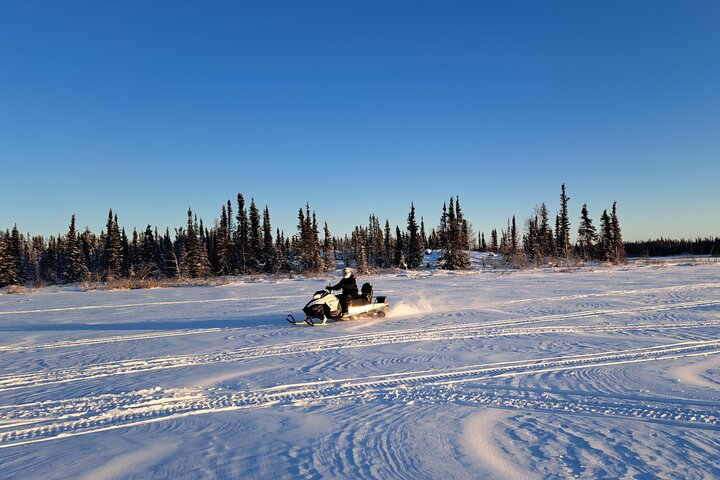
- A daytime dog sledding or snowmobile outing, and the Old Town walk.
- Time needed
- One evening, ideally two or more nights across the trip.
Good questions
Can you guarantee the northern lights?+
No, the aurora is a natural event and clouds or low solar activity can hide it. Staying several nights is the best way to improve your odds.
When is the best time to see the aurora in Yellowknife?+
The fall season runs mid-August to late September and the winter season runs mid-November to early April. Early October to mid-November is often cloudy, and summer nights are too bright.
What should I wear?+
Wear insulated boots, a warm hat, mitts and several layers, and carry hand warmers. Many operators and Aurora Village also rent winter clothing if you do not own it.
Do tours run all year?+
Not every operator runs in every season. Departures cluster in the fall season and the winter season, and some operators pause in the cloudy shoulder weeks between them. Confirm the first and last departure dates before you build plans around them.
How many nights should I plan?+
At least four nights gives you several chances, because a single cloudy night is common. Add a second operator on a later night for variety.