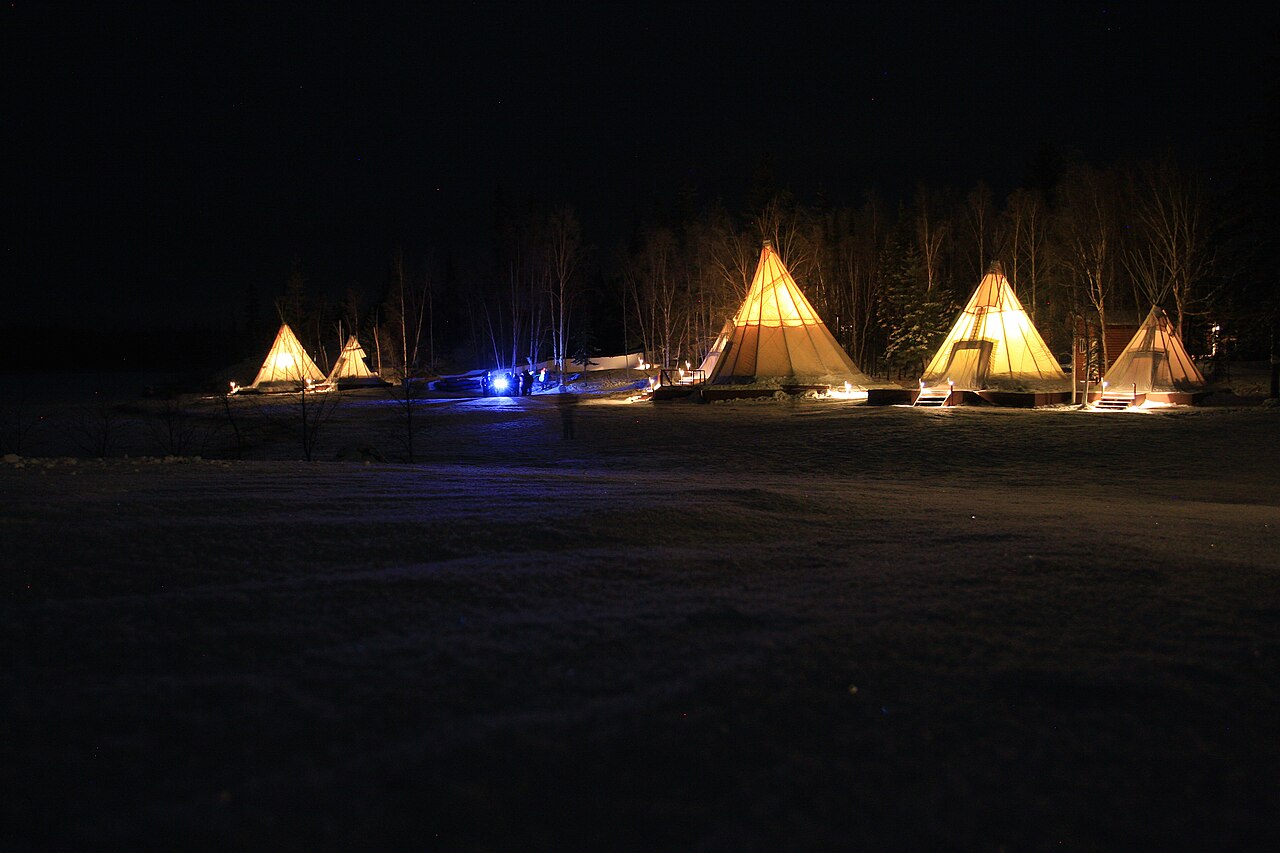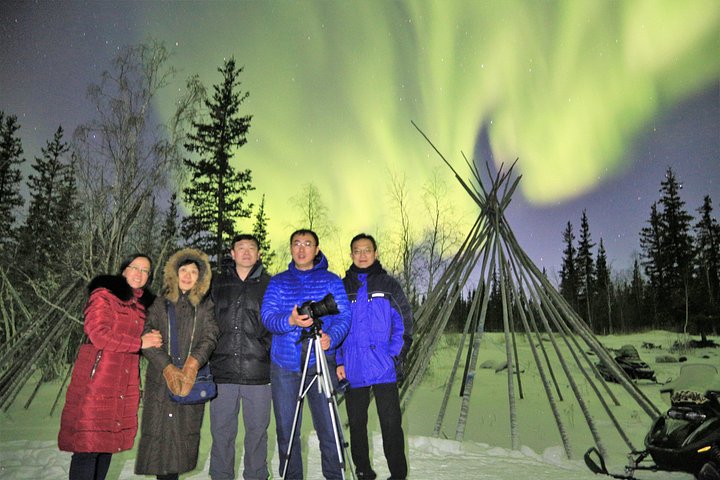
The hardest part of aurora hunting is the waiting. The lights come and go, sometimes after hours of nothing, and standing in minus thirty is nobody's idea of fun. A cabin-based tour solves the problem by pairing viewing with a heated shelter. You are taken out of the city to a dark site, you settle into a warm cabin and you step outside whenever the sky shows signs of life, or when your guide calls you. Small groups keep the atmosphere intimate, and guides often help with camera settings and portraits. The format appeals to couples, to travellers with children or older relatives, and to anyone who has been put off by tales of numb toes. It is also a gentle way to learn how the aurora behaves, because the guide explains the forecast, the clouds and the patterns as the night unfolds. As with any aurora outing, a clear sky is not guaranteed, so allow for more than one evening if you can.
How the evening runs
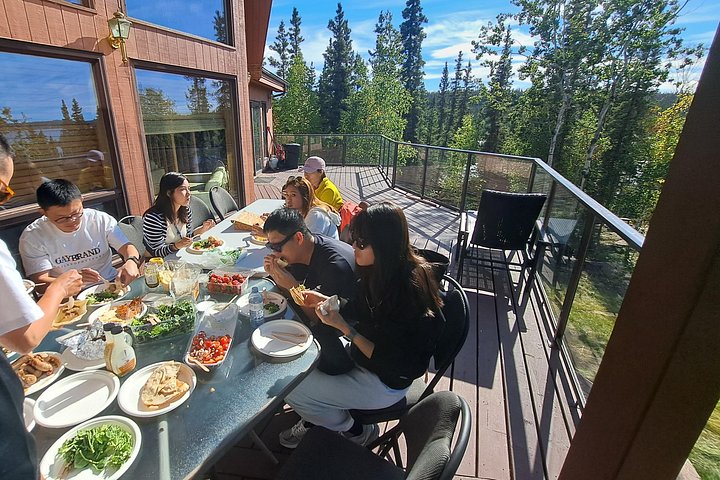
You are collected from your hotel, driven out to the viewing site and settled into the cabin, where there is warmth, seating and often hot drinks. The guide monitors the sky and alerts the group when activity picks up. Then everyone heads out, watches, photographs and returns to warm up. The cycle repeats through the evening, which may last several hours. Some operators include photography help and tripod use, so ask what is on offer.
Why it works
Aurora viewing is as much about comfort as it is about sky. When you can retreat indoors, you stay longer, you stay patient and you stay in a good mood. Children and older visitors often manage a whole evening that would be too long in an open lot. The cabin also makes it easier to eat a snack, charge a phone and chat with other guests, which adds to the social side of a trip.
Planning notes
Book for more than one night if your schedule allows, because the first evening may be cloudy. Dress warmly even though there is a cabin, since you will spend real time outside. Bring a camera that works in cold, spare batteries kept in an inside pocket, and consider a tripod if the operator does not provide one.
Confirm pickup points, the departure time and whether clothing is provided. Check the aurora season for your dates, and remember that fall and winter seasons are separated by a cloudy gap. If you want a more private experience, ask the operator about smaller departures, since the intimate setting is the main selling point.
What to expect
The experience
A small-group aurora evening at a dark-sky site with a heated cabin to warm up between viewing sessions.
Best time
Mid-August to late September and mid-November to early April, with late February and March the favourites.
How long
An evening of several hours; confirm the hours for your departure.
Tips
Dress warmly, bring spare camera batteries and book more than one night to improve your odds.
Quick picks
- Best for
- Couples, families and anyone who wants warmth between aurora sightings.
- Families
- A comfortable way for children and grandparents to enjoy the lights.
- Couples
- An intimate setting with warmth and hot drinks.
- Pair with
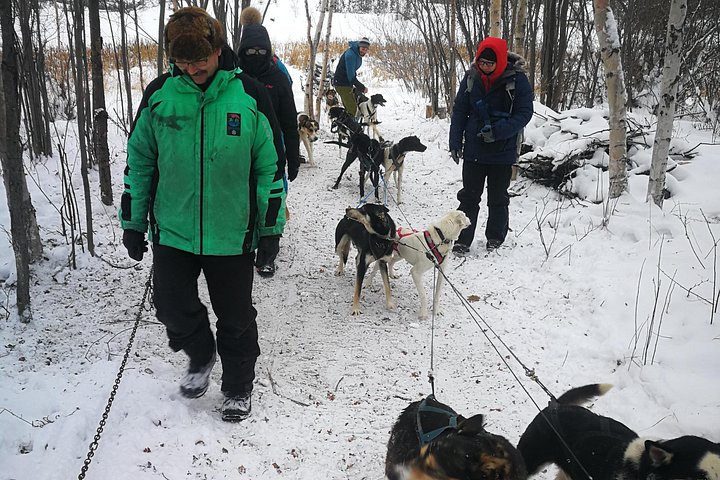
- Dog sledding or a city tour by day.
- Time needed
- One evening, ideally repeated across two or three nights.
Good questions
What makes this different from a standard aurora tour?+
The evening is based around a heated cabin, so you can warm up between viewing sessions instead of waiting in the cold.
Is the aurora guaranteed?+
No. The lights depend on solar activity and clear skies. Booking more than one night improves your chances.
Is hotel pickup included?+
Many operators collect from downtown hotels. Confirm pickup points when you book.
Can I take photographs?+
Yes. Bring a camera that handles cold, spare batteries and a tripod if the operator does not supply one.
Is it good for children?+
It is one of the more comfortable options for families, though the evening is long and a nap beforehand helps.