Yellowstone is one of the best family destinations in the country, but it is also big, slow to drive and full of rules that matter. Children enjoy erupting geysers, bison and boardwalks, yet they struggle with long car rides and crowded stops. The trick is to plan in small pieces, build in breaks and make safety rules part of the game. This guide explains how to pace a family visit, which stops work best, how to use ranger programs and how to stay safe without ruining the fun.
Pace the days
The roads between sights are long and speed limits are low, so a day with three major stops is already full. Aim for one morning activity, a long lunch and one afternoon stop, with a swim, a playground or a quiet picnic in between. Start early, since children are often at their best in the morning and the crowds are lighter. If you are staying in a gateway town such as West Yellowstone, use the evening for ice cream, a walk and early bedtimes. Younger children tire quickly at altitude, so build in rest and plenty of water.
Choose kid-friendly highlights
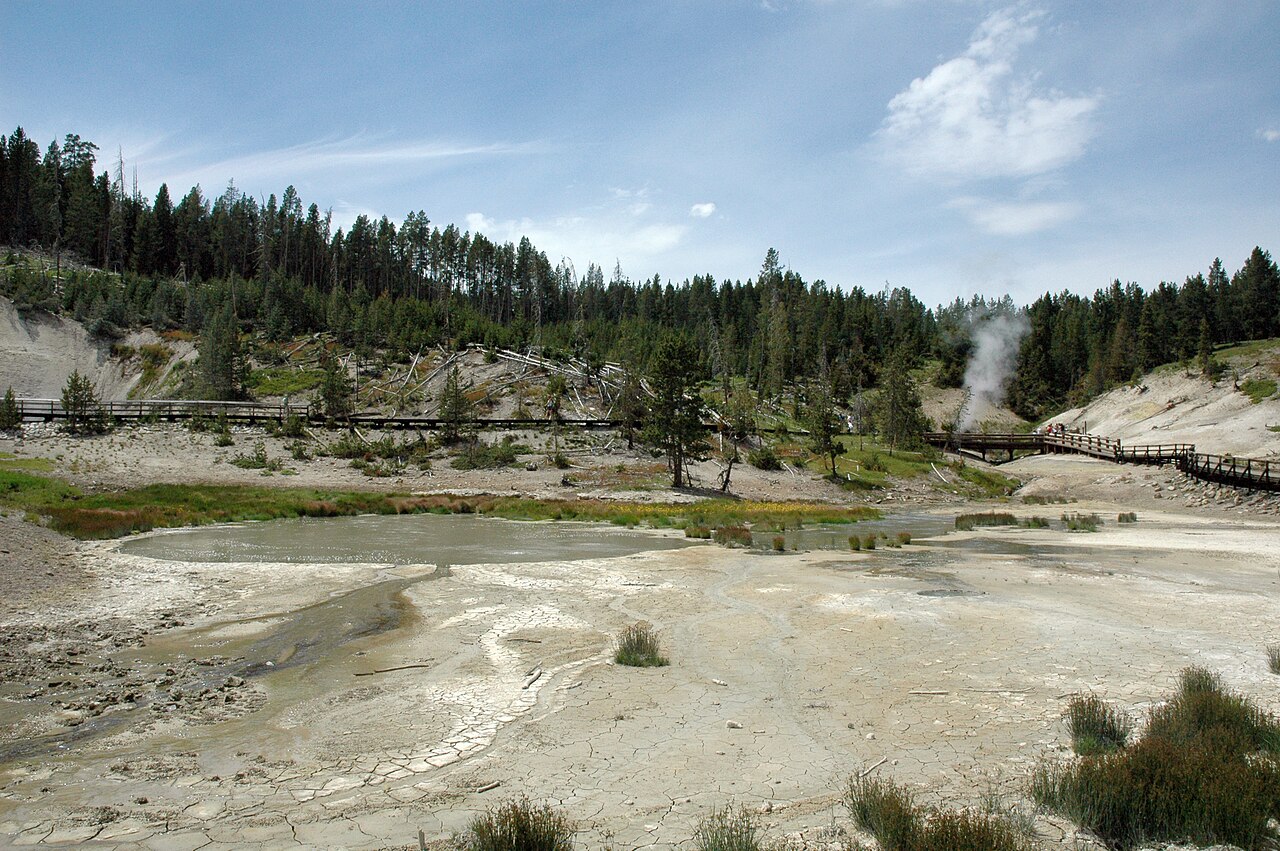
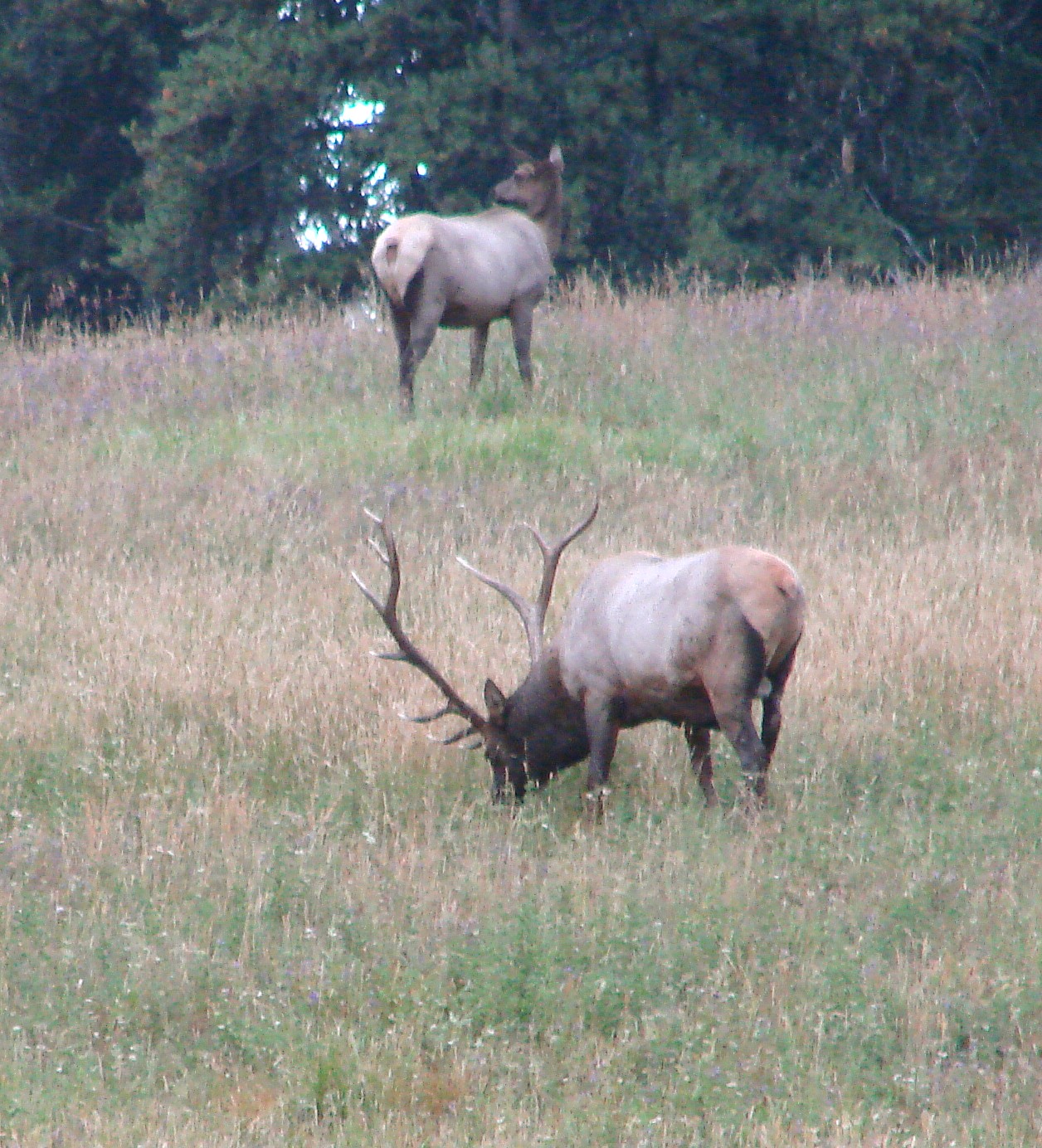
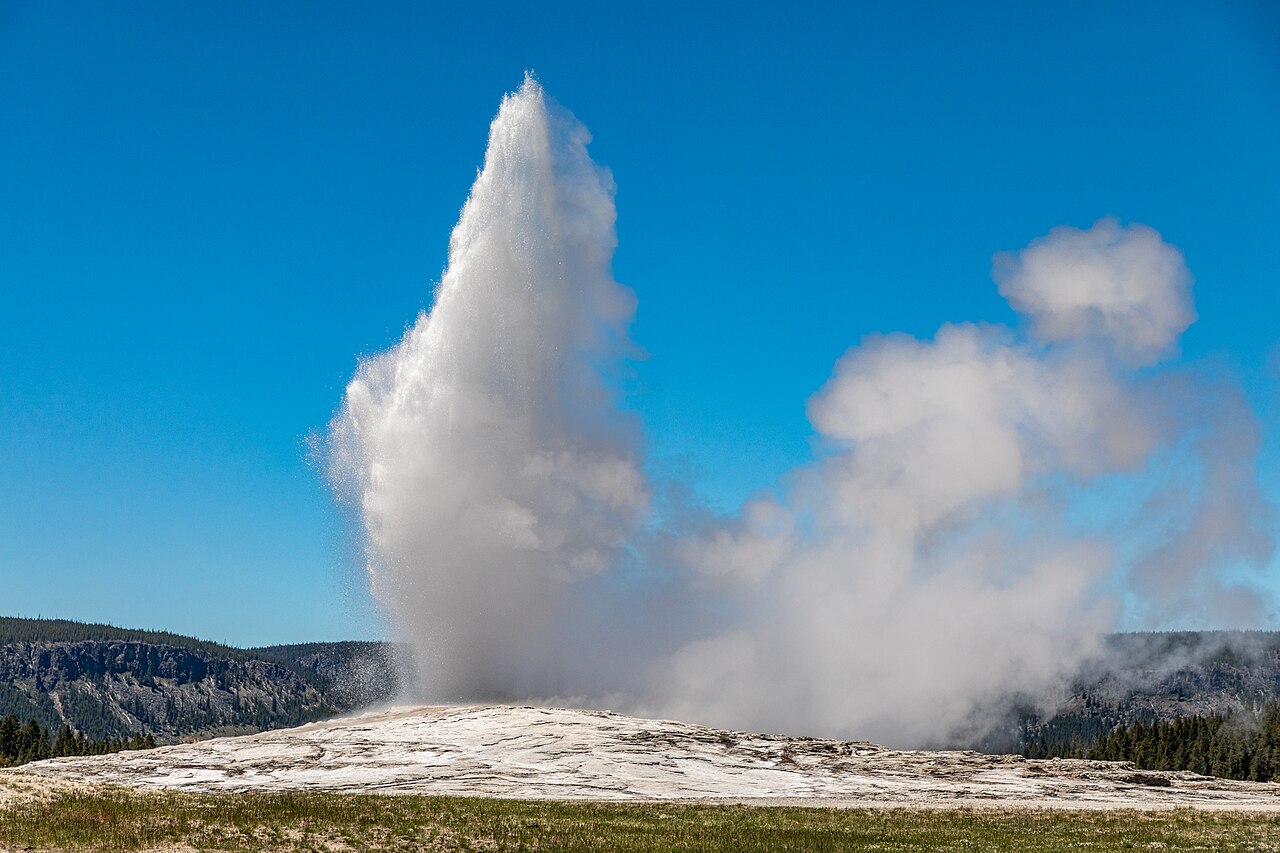
Old Faithful works because eruptions are predicted, so you can plan around them and avoid a long wait. The boardwalks in the Upper Geyser Basin offer many features in a small area, and children can look for different shapes, colours and sounds. Mud Volcano and Fountain Paint Pot are short walks with bubbling mud, which children usually find hilarious. West Thumb Geyser Basin sits beside the lake, adding scenery. Grand Prismatic Spring is impressive from the boardwalk, and an overlook hike is suitable for older children. Wildlife watching in Hayden Valley or Lamar Valley can be rewarded with bison, elk and sometimes bears at a safe distance.
Make safety rules into habits
Two rules matter most. First, stay on boardwalks and trails near thermal features, because the ground can be thin and the water is scalding. Hold hands with small children and keep a firm grip on strollers. Second, keep your distance from animals: at least 25 yards from bison and elk and 100 yards from bears and wolves. Bison look calm but can charge suddenly. Teach children to stay in the car or well back when animals are near. Binoculars turn a distant animal into a close-up without risk, and children often love using them.
Use the Junior Ranger programme
The park runs a Junior Ranger programme that gives children activity booklets and a chance to earn a badge. It teaches wildlife, geology and park rules and gives children a reason to pay attention at each stop. Ranger talks and walks, offered at visitor centres and some geyser basins, are free with park entry and often hold the attention of younger audiences. Check schedules when you arrive. Visitor centres also have exhibits that offer a break from the weather.
Plan for weather and comfort
Mornings are cold even in summer, afternoons can be hot and storms arrive quickly. Dress in layers, bring hats and sunscreen, and keep rain jackets in the car. Pack snacks and water for every outing, since food options inside the park are limited and queues can be long. Bring a small first-aid kit, insect repellent in early summer and a few quiet activities for car time, such as a sketchbook or audio stories. A self-guided audio tour can also turn drive time into learning time.
Add gateway-town breaks
Rest days make the whole trip better. West Yellowstone has a museum, a wildlife centre and easy restaurants. Cody offers a trolley tour, a major museum complex and a summer rodeo. In Jackson Hole, a scenic float on the Snake River is gentle enough for many children, while horseback rides and whitewater trips suit older ones. Choose one extra activity per two park days so that no one burns out.
Keep the memories simple
Let children choose one stop each day, whether a gift shop, a picnic spot or a favourite animal to find again. Take photographs at eye level, keep a short list of sightings in the car and talk about what you saw at dinner. Those small rituals make a long trip feel like an adventure instead of a schedule, and they give younger travellers a sense of ownership over the park.
Choose family-friendly lodging
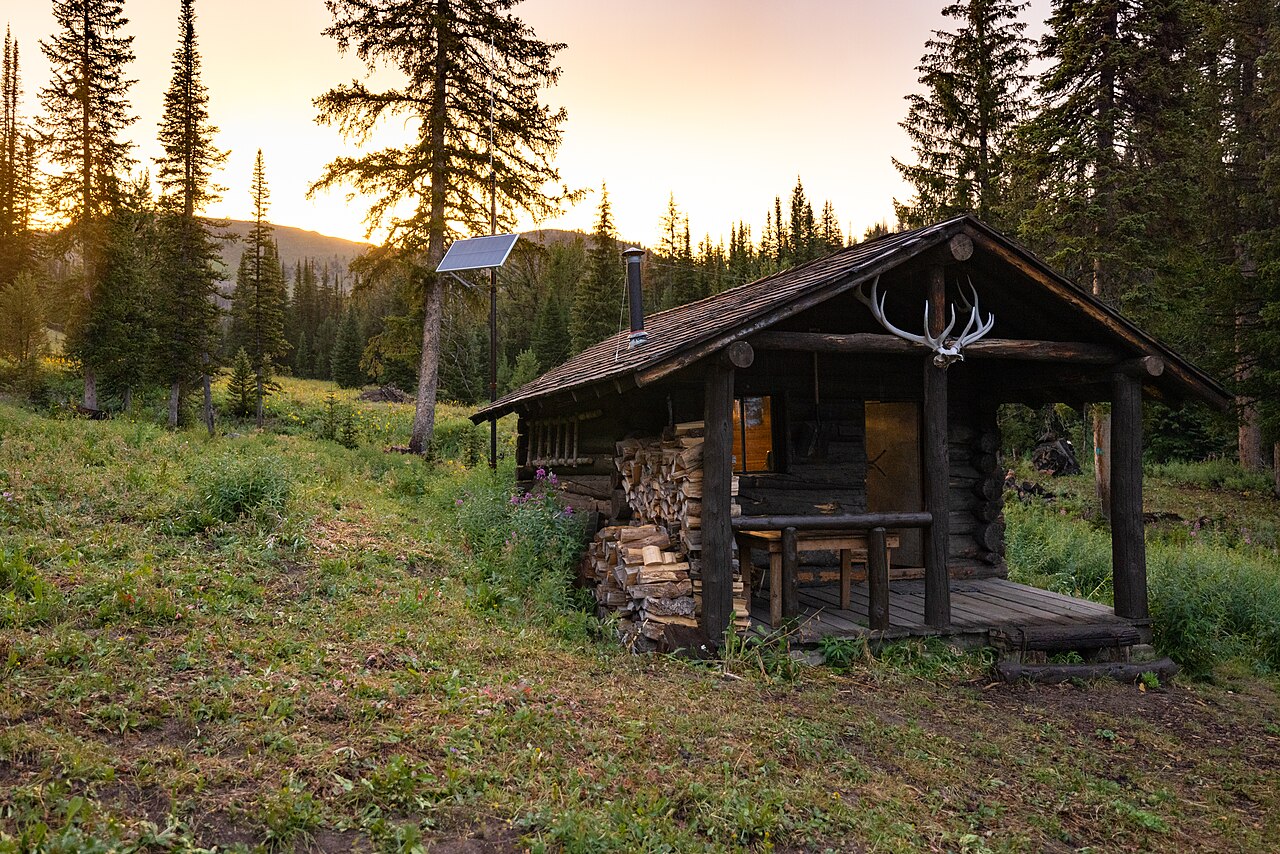
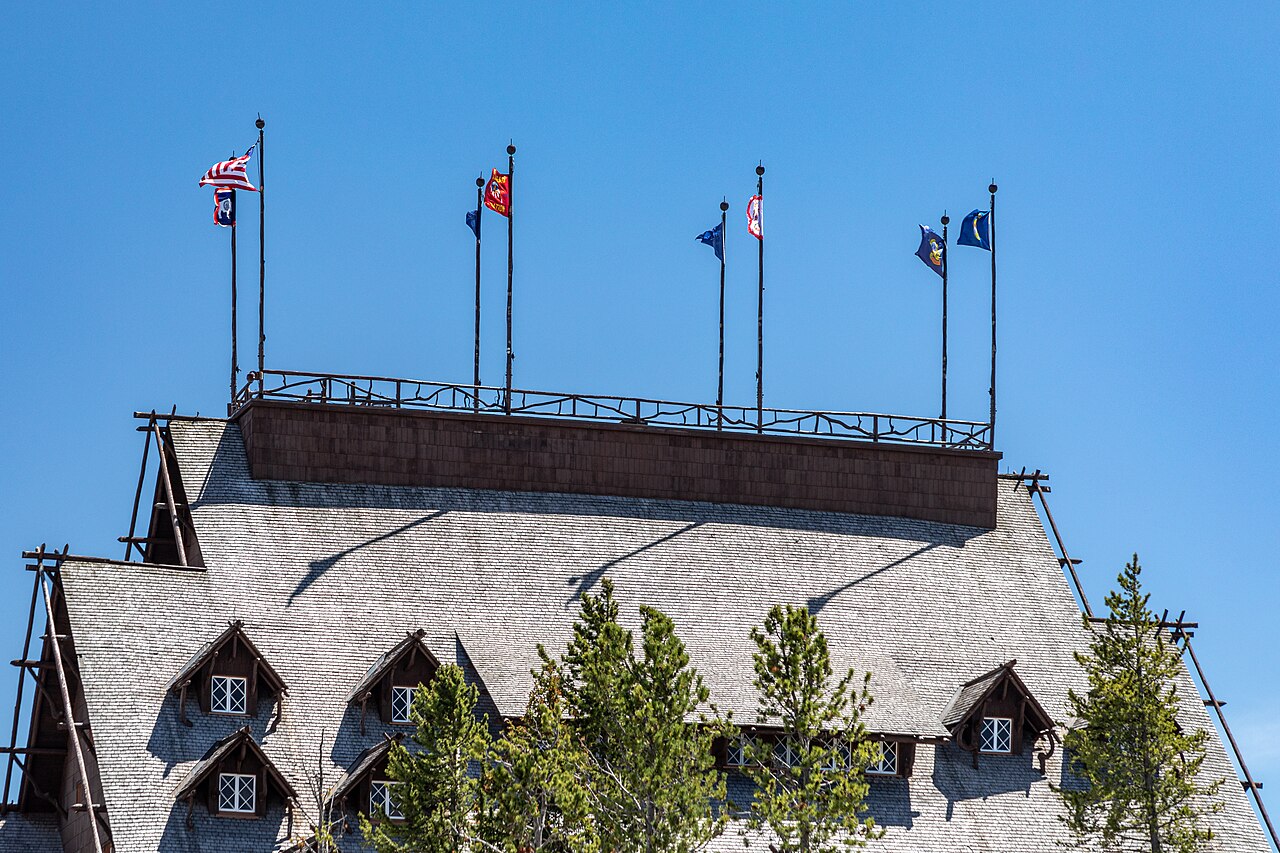
Cabins with kitchenettes and outdoor space make meals easier, and rooms near the park entrance cut driving time. In-park lodges book far in advance, so reserve early or use a gateway town as a base. Whichever you choose, keep an eye on bedtime. A rested child makes a better wildlife spotter, and a well-planned trip leaves everyone wanting to return.