Yellowstone is known for roadside wonders, but its best moments often arrive a mile or two from the car. Boardwalk crowds thin out quickly, the thermal features look different from a ridge, and wildlife behaves more naturally when you are quiet and on foot. This guide covers the practical side of hiking in the park: choosing trails, staying safe around bears and thermal ground, handling altitude and weather, and deciding when a guide is worth it.
Start with realistic goals
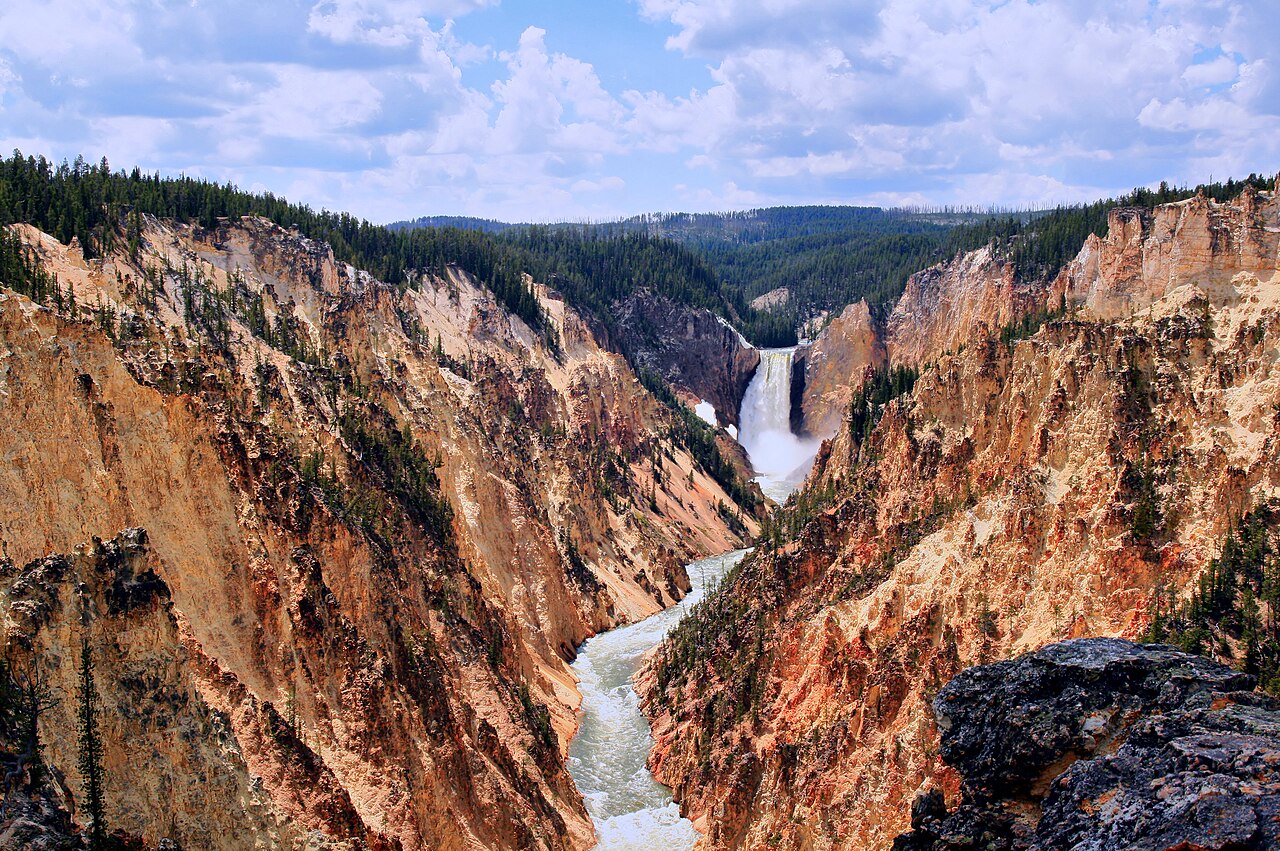
The park has more than a thousand miles of trails, but most visitors do best with short or moderate day hikes. Good first choices include the walk to Fairy Falls and the Grand Prismatic overlook, the trail to Lone Star Geyser along the Firehole River, the rim walks at the Grand Canyon of the Yellowstone, and the gentle loop at Storm Point near the lake. Mount Washburn is the classic bigger effort, a climb to a fire lookout with a view across the whole park. Choose one anchor hike per day and leave margins for wildlife stops, because a bison on the trail can reset your schedule.
Understand altitude
Most of the park sits between 6,000 and 8,500 feet. Even fit visitors feel short of breath on the first day, and headaches or poor sleep are common. Arrive hydrated, drink water steadily, wear sunscreen and avoid starting with your hardest hike. If you are coming from sea level, a gentle first day is wise. Weather changes quickly, with sun, hail and thunderstorms possible in a single afternoon, so carry a rain jacket and an insulating layer even in July. Start early in summer to avoid afternoon lightning, and turn back if clouds build above ridgelines.
Treat bear safety as a routine, not an emergency
Yellowstone is home to both grizzly and black bears. The park recommends carrying bear spray, keeping it accessible on your belt or chest strap rather than in a backpack, and learning how to use it before you need it. Hike in a group of three or more when possible, make noise in thick forest and blind corners, and never run. Keep at least 100 yards from bears and wolves and 25 yards from other large animals. Food, including snacks and garbage, should be stored properly and never left unattended. Many rental shops in gateway towns rent bear spray; ask them for a quick demonstration.
Respect the thermal ground
Many trails pass hot springs, mud pots and fumaroles. The ground around them is often thin crust over scalding water, and every year visitors are injured by leaving the path. Stay on marked trails and boardwalks, keep children and dogs close, and never touch the water. Dogs are not allowed on trails or boardwalks, so plan accordingly. In spring and early summer, trails can be wet or snow-covered, especially at higher elevations, and stream crossings may be dangerous. Ask at a visitor centre about current conditions, closures and bear activity before you set out.
Pack the basics
Water, snacks, a map or offline app, sun protection, a warm layer, a whistle and a small first-aid kit are the minimum. Sturdy shoes or light boots matter more than fashion, since many trails are rocky or sandy. Trekking poles help on descents. Bring a headlamp if you are hiking near dusk, and tell someone your plan. Cell service is patchy, so download maps in advance. Binoculars add a lot, because wildlife may be far off even when it is visible.
Know when a guide helps
A guided hike removes planning and adds knowledge. Guides carry bear spray, watch for animals, explain the geology and ecology and choose routes that suit the group's fitness. They are especially useful for visitors who are new to bear country, for families who want a structured day or for hikers who want access to a trail with a pickup and lunch. The Fairy Falls and Grand Prismatic overlook hike is a good example, combining a waterfall and the best view of the spring in a single walk. Other guided options include canyon rim hikes, Lamar Valley wildlife hikes and longer outings for strong walkers.
Build a simple plan
On a three-day trip, you might spend the first morning on a short trail to adjust to altitude, the second on a moderate hike such as Fairy Falls, and the third on a bigger effort like Mount Washburn if weather and legs allow. Pair each hike with an easy afternoon at a boardwalk basin or a lakeside picnic. In shoulder seasons, check road openings and trail conditions, and in winter consider snowshoes or guided oversnow trips instead. Whatever you choose, leave no trace: pack out all waste, stay on paths and take only photographs. The park rewards patience, and a slow, well-prepared day on foot is often the one you remember longest.