York is a year-round destination, but each season gives a different visit. The medieval walls, the Minster and the museums are always there, while the gardens, the day trips and the festivals change with the calendar. This guide states the seasons plainly so you can pick the time that suits you, and then explains the practical differences, especially in winter, when opening hours and daylight shrink.
Spring, from March to May
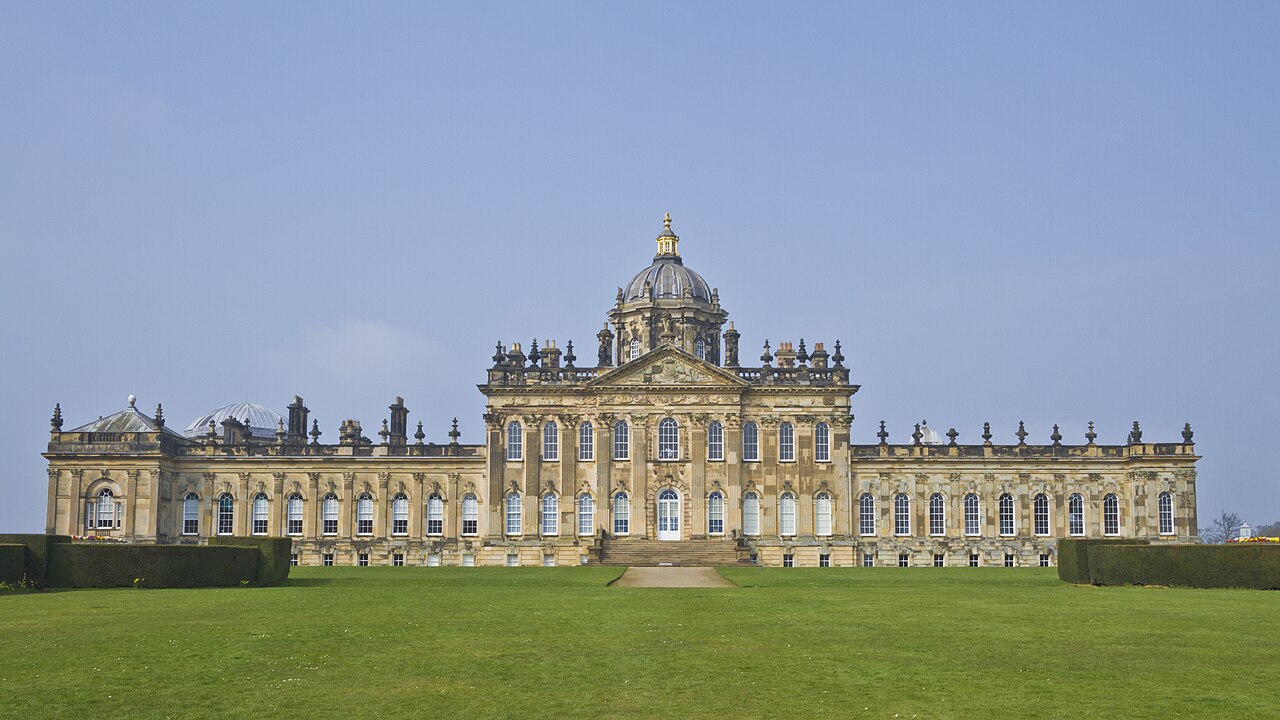
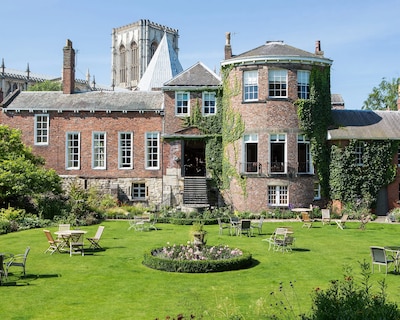
Spring is a gentle time to visit. The Museum Gardens and the Minster precincts come into bloom, daylight lengthens and the crowds are lighter than in summer outside the school holidays. Castle Howard’s house opens from spring and the gardens are fresh, and many day trips are running again. Expect changeable weather, with sun and showers on the same day, so carry a waterproof.
Summer, from June to August
Summer is the busiest and warmest season. The days are long, so you can walk the City Walls in the evening, picnic in the Museum Gardens and take a river cruise on the Ouse in comfortable weather. The trade-off is crowds on the Shambles and at JORVIK and the Minster, and higher hotel prices, so book timed tickets and rooms well ahead. The North Yorkshire Moors Railway and the Whitby and Dales day trips are at their best in this season, and Whitby can be very busy at weekends.
Autumn, from September to November
Autumn is many people’s favourite time. The crowds thin after the school holidays, the arboretum at Castle Howard and the trees along the river change colour and the pubs start to light their fires. Days are shorter by November, and the first signs of Christmas appear.
Winter, from December to February
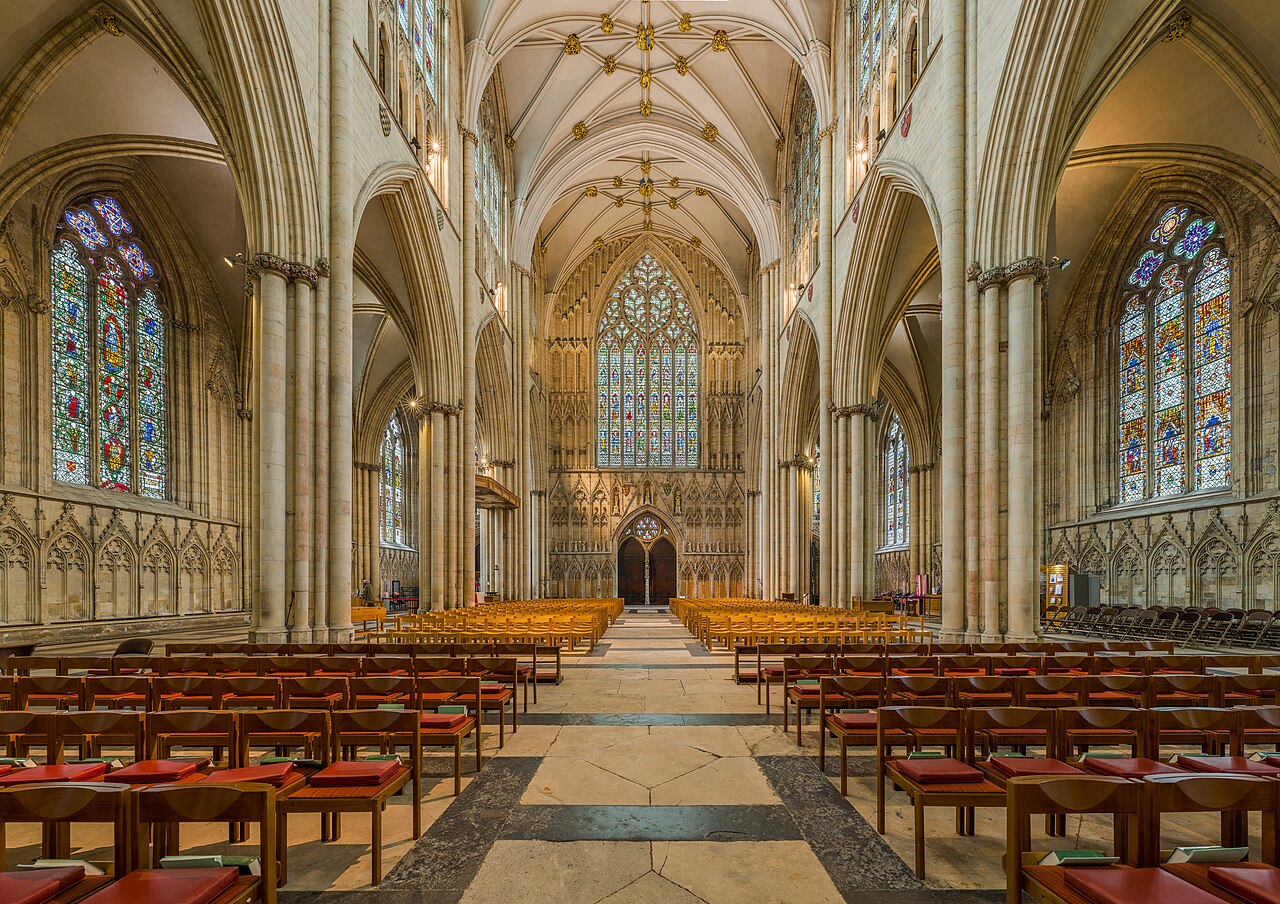
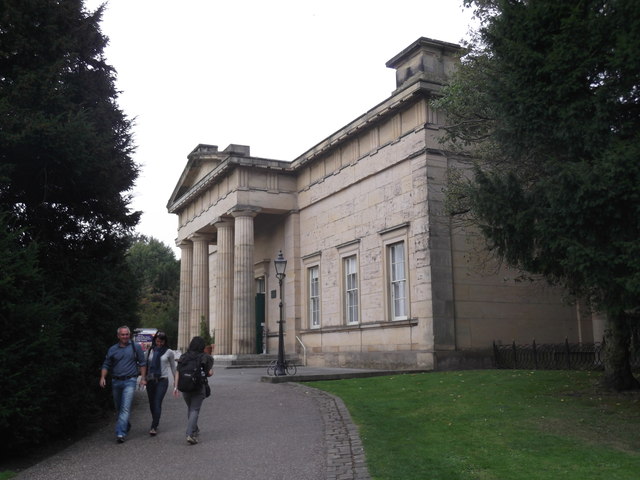
Winter in York is cold and atmospheric, with short days, with sunset around four in the afternoon in December, and lights in the old streets. The city is cheaper outside the festive weekends, and indoor sights such as the Minster, JORVIK, the railway museum, York Castle Museum and the Yorkshire Museum are quiet. In February, the JORVIK Viking Festival brings parades and re-enactments to the city.
The Christmas market
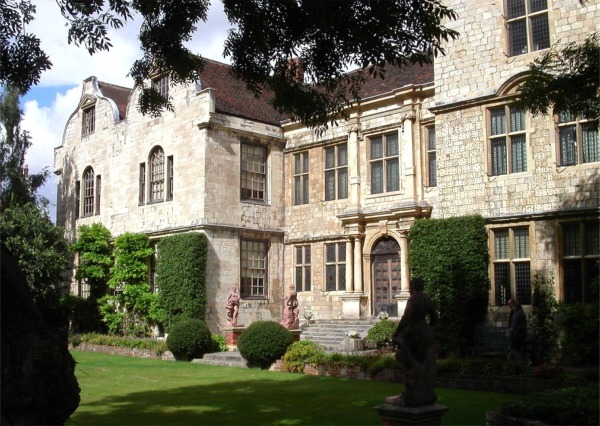
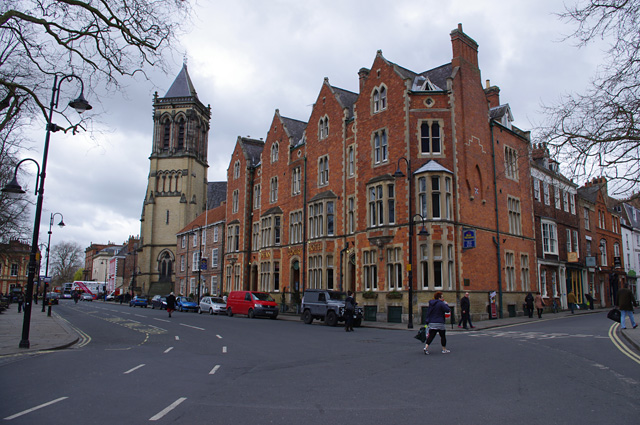
In most years the St Nicholas Fair Christmas market fills Parliament Street and St Sampson’s Square from mid-November until shortly before Christmas, with chalets selling food, gifts and mulled wine. It is busiest at weekends and in the evenings, so go on a weekday afternoon for space, and check the fair’s own site for the dates and closing days each year. Treasurer’s House dresses its rooms for Christmas, and Castle Howard’s house closes its normal season to be transformed for the festive period, with tickets that sell out.
What changes in winter
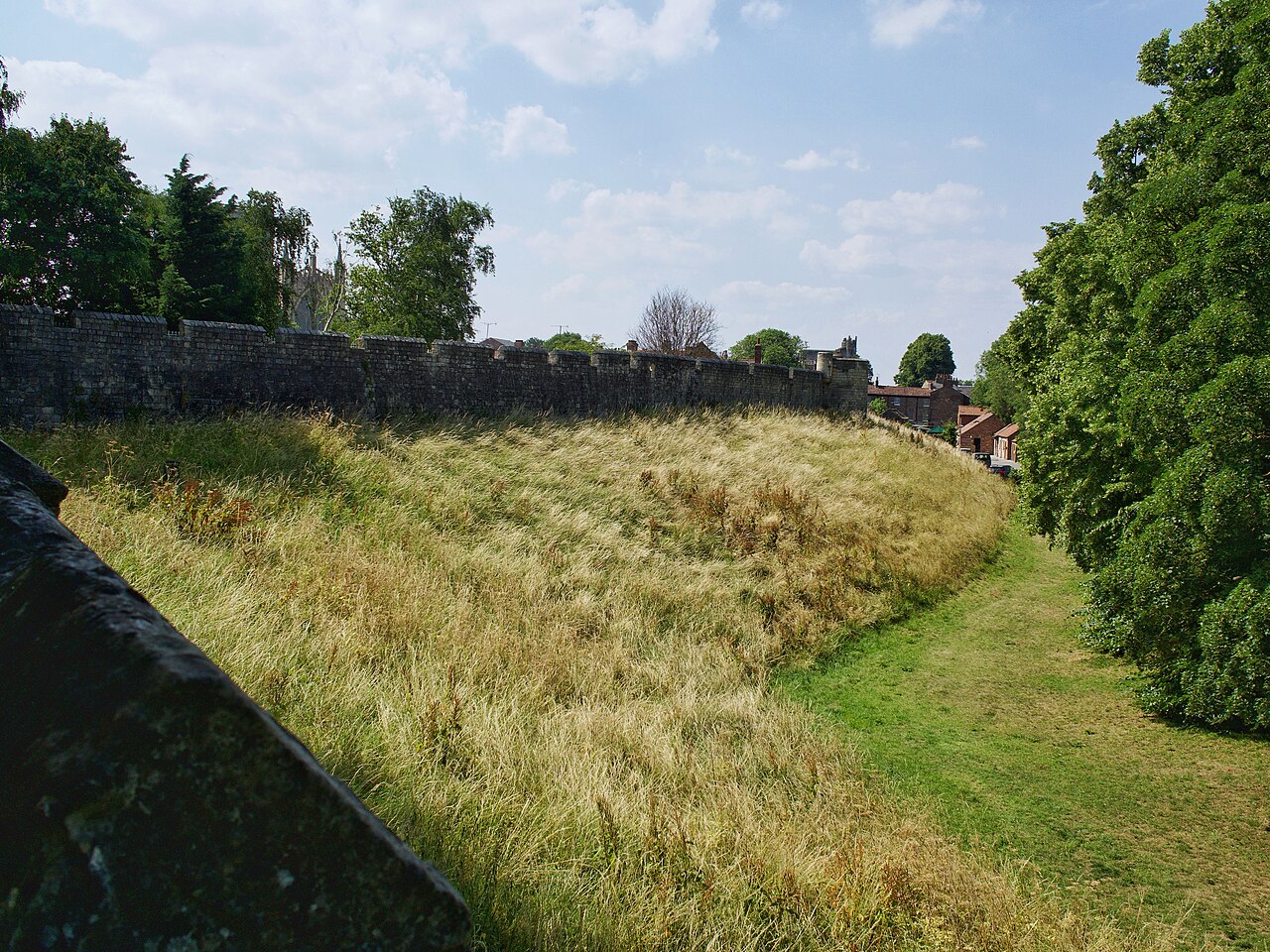
The City Walls gates usually lock earlier in the afternoon in the dark months, and the walkway can close entirely in icy weather. The Minster’s sightseeing hours end mid-afternoon, and are shorter on Sundays because worship comes first. River cruises run less often in winter and can stop when the Ouse is high after heavy rain, and York’s riverside pubs flood in the worst weather. Museums sometimes close a few galleries for short periods to install seasonal displays, and the National Railway Museum closes for a few days around Christmas while York Castle Museum closes for a few days in early January, so check each site. The steam trains on the North Yorkshire Moors Railway do not run every day in the quieter months.
How to plan a winter trip
Do the outdoor sights, the walls, Clifford’s Tower and the Museum Gardens, in the middle of the day while there is light, and keep museums and the York Dungeon for the afternoon. Wear warm layers, a hat and shoes with grip, because stone steps and cobbles are slippery after frost. Book dinner early at weekends, and stay in the centre to save walking in the dark. The Ghost Bus Tour is atmospheric in winter, and the Hop-On Hop-Off Bus runs a reduced winter service with an early last departure, so start before lunch.
Clothing and bags
Pack for several seasons in one day, because York’s weather can swing quickly. A waterproof coat, a warm layer and comfortable shoes are useful all year, and gloves and a scarf are essential from November to March. Travel light if you can, since several attractions have no left-luggage facility, and large bags are not allowed in some galleries, so ask your hotel to hold your suitcase on arrival and departure days.
The short answer
For fine weather and long days, choose late spring or early summer. For colour and fewer crowds, choose September or October. For lights, markets and a cosy city, choose the weeks before Christmas, and book early.