Zagreb has plenty of museums that ask you to stand still and read, and the Museum of Illusions is the one that asks you to move, tilt your head and laugh. It belongs to an international family of illusion museums, and the Zagreb branch fills a series of bright rooms with exhibits built to fool the eye and the brain: holograms that seem to float, paintings that change as you walk past, rooms where people appear to grow or shrink, a tunnel that makes you feel as if the floor is spinning, and mirrored spaces that multiply a single visitor into a crowd. Nothing is behind glass. Almost every exhibit is meant to be touched, stood in or photographed, and the museum is designed so that the best pictures need a second person, which makes it an easy, sociable stop for friends, couples and families. Most visitors spend about an hour, a little longer if they queue for the popular rooms or stop to work through the puzzles on the tables. It is not a substitute for Zagreb’s serious museums, and it does not try to be. Its job is to give a group of mixed ages something to do together when the weather is cold, wet or hot, and it does that job well. A ticket for a specific date and time is sensible in busy periods such as the Advent season and summer weekends, when walk-up queues can build.
Where it fits
The museum is in central Zagreb, which means it pairs naturally with a day spent around the main square and the Lower Town. Plan it as a one-hour break between the walking-heavy parts of your itinerary rather than as a headline stop. It works well in the early afternoon, after a morning at Dolac Market and the cathedral, when children need a change of pace, or in the evening after dinner when the Upper Town is cold and dark.
What you will see
The rooms are grouped by type of effect. Expect visual illusions that play with size and perspective, tricks of light and mirrors, and rooms where the walls and floor are set at angles so that your eye and your balance disagree. Short explanatory panels tell you what is happening in each case, usually in Croatian and English, so you leave knowing why your brain was fooled as well as having a few good photographs.
Several exhibits are puzzles you can handle, which suits older children and adults who like to be challenged. Some rooms are better with two or more people, so a solo traveller may find the experience slightly less fun than a pair or a family.
Making the most of it
Bring a fully charged phone, because photography is a large part of the appeal, and ask a staff member or another visitor to help with group shots. Wear flat comfortable shoes, since a few rooms involve standing at angles. Go early or late in the day to avoid school groups at peak times, and allow extra time if you travel with young children who will want to repeat favourite rooms.
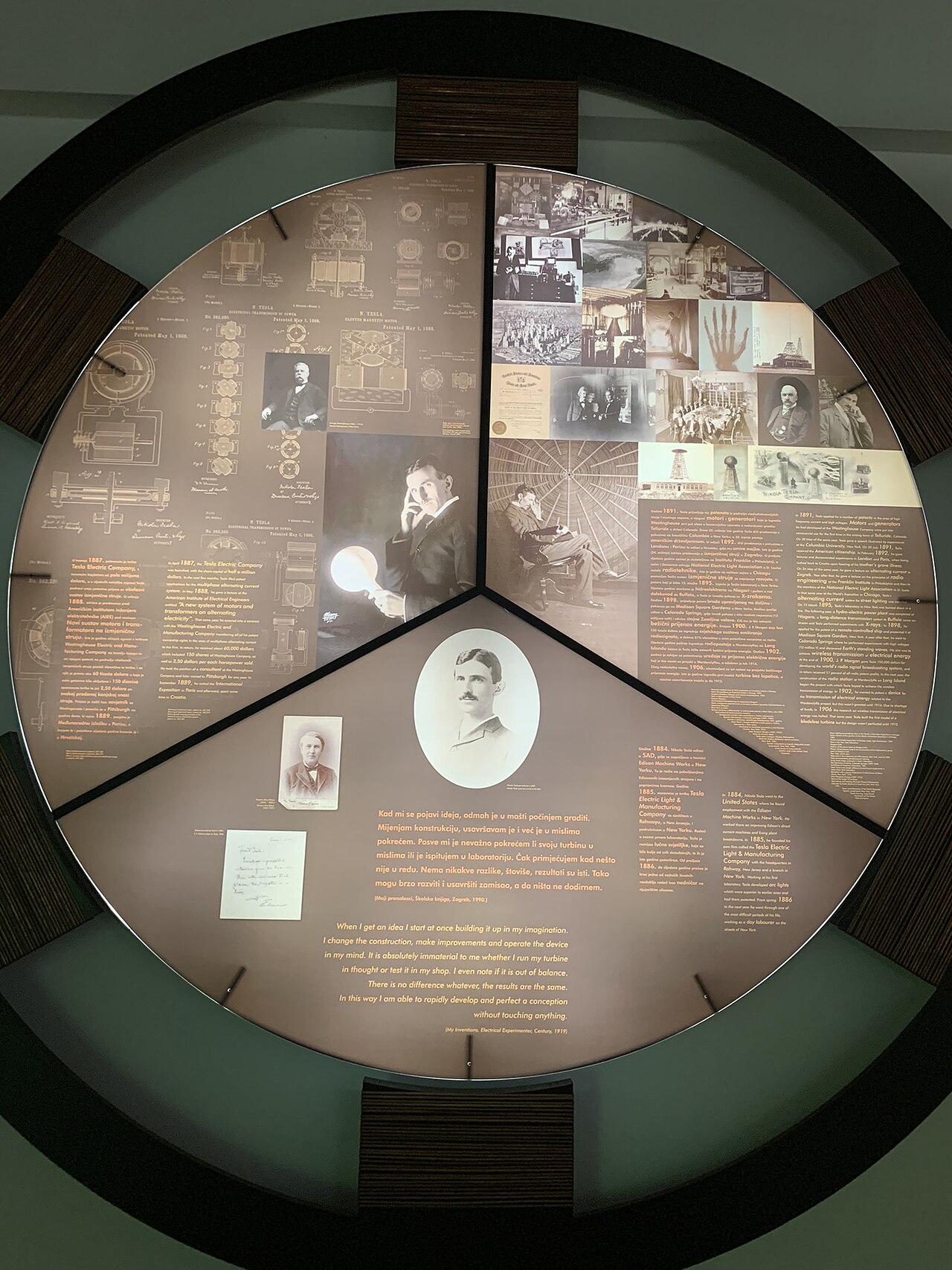
If you are choosing between this and a traditional museum, the Museum of Broken Relationships and the Technical Museum Nikola Tesla offer more depth for adults, while this is the one that will have a teenager laughing. Check the current opening hours and any age guidance for specific rooms when you book, since details change with the season.
What to expect
The experience
A self-guided visit through interactive rooms of optical illusions, holograms and mirrored spaces, with short explanatory panels.
Best time
Early afternoon on a weekday, or in the evening, to avoid school groups and weekend queues.
How long
About one hour, a little more with children.
Tips
Charge your phone, wear flat shoes, bring a companion for the photo rooms and book a time slot at busy periods.
Quick picks
- Best for
- Families, groups of friends and anyone who wants an easy indoor activity.
- Families
- Children and teenagers usually enjoy it more than any other museum in town; most exhibits can be touched.
- Couples
- A playful, photogenic break that works well before dinner.
- Pair with
- Dolac Market, the cathedral and Ban Jelačić Square.
- Time needed
- One hour.
Good questions
How long does the Museum of Illusions in Zagreb take?+
Most visitors spend about an hour. Allow a little longer with young children or if you want to work through the puzzles.
Is the Museum of Illusions good for children?+
Yes. The exhibits are hands-on and visual, and children and teenagers usually find it the most entertaining museum in the city.
Do I need to book the Museum of Illusions in advance?+
It is not essential outside busy periods, but a ticket for a chosen date and time saves queuing during Advent, school holidays and summer weekends.
Is it suitable for a rainy day?+
It is entirely indoors, so it is one of the best options in Zagreb when the weather turns wet, cold or very hot.
Can I take photographs inside?+
Yes, photography is encouraged and many exhibits are designed around it. Bring a charged phone and, ideally, a companion.