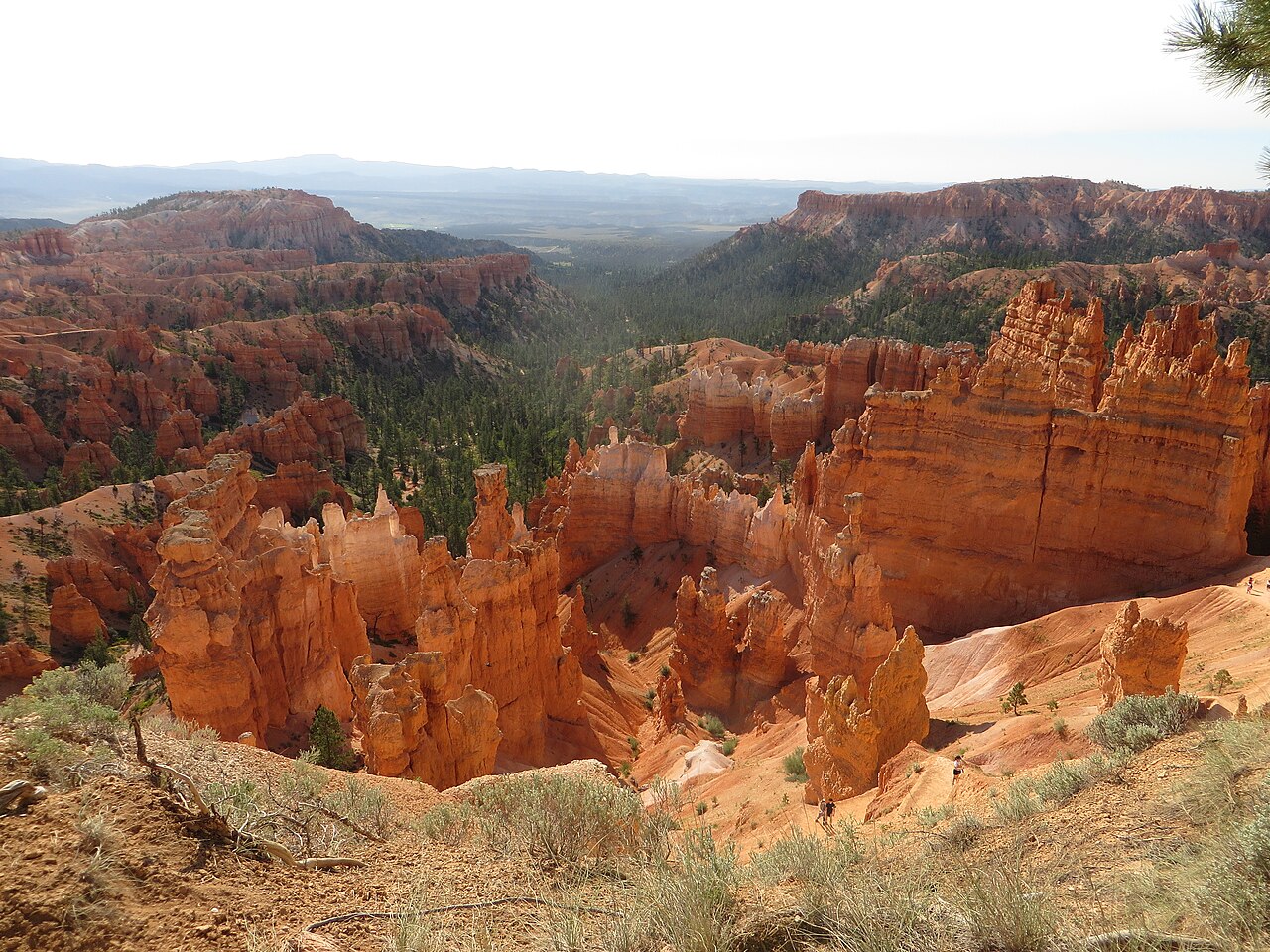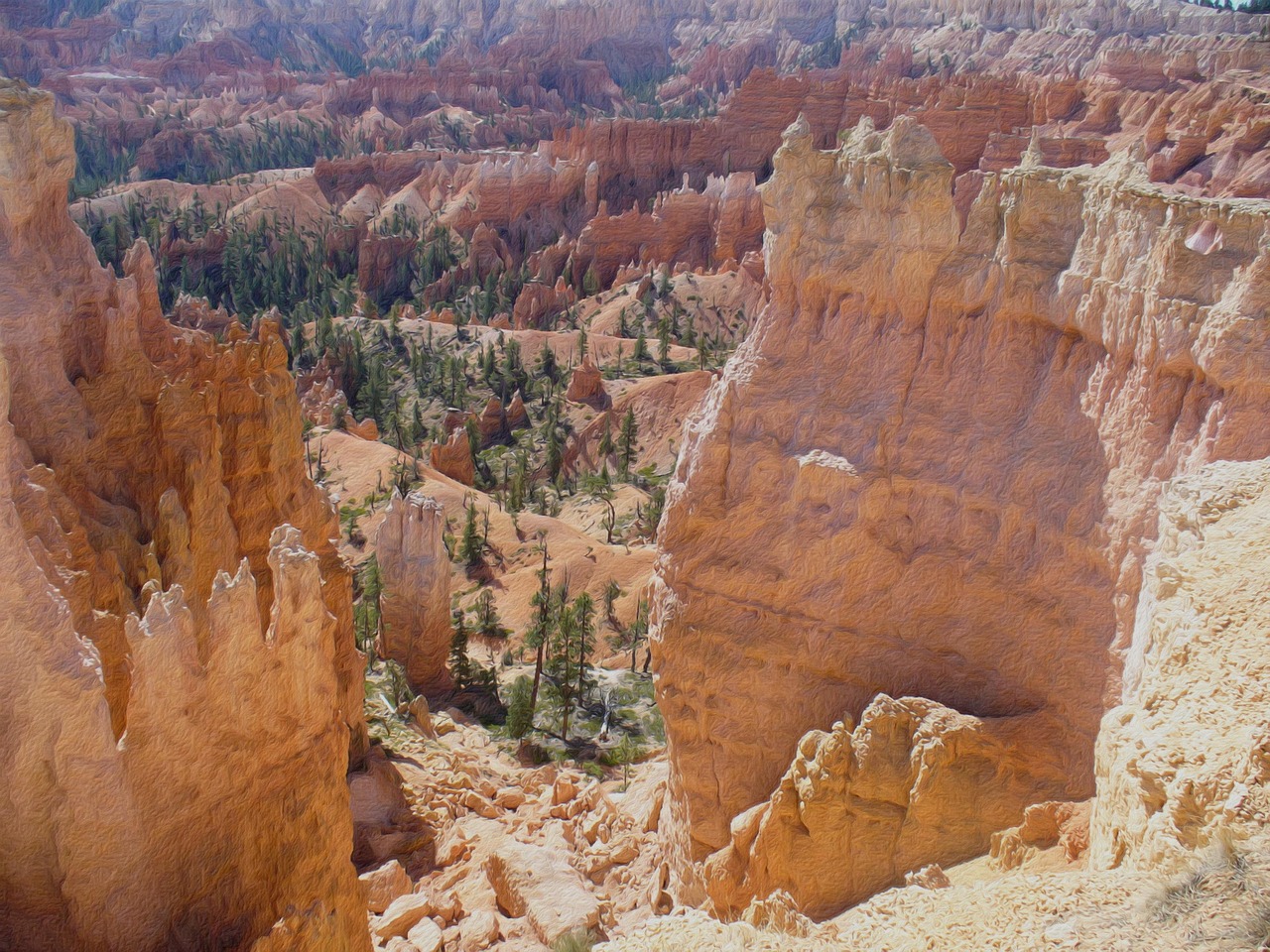
Cedar Breaks is the high country cousin of Bryce Canyon: a vast bowl of eroded limestone spires, fins and ridges in shades of orange, red, cream and purple, dropping roughly 2,000 feet from a rim that sits more than 10,000 feet above sea level on the Markagunt Plateau east of Cedar City. The amphitheater is more than three miles across, and because it sits so high, the air is cool even in summer, wildflowers carpet the meadows in July and August, and the forest edges hold bristlecone pines, some of the oldest living trees on Earth. The monument is also an International Dark Sky Park, with exceptional stargazing. The National Park Service's conditions page is the key planning tool, because Cedar Breaks is a strongly seasonal place. State Route 148, the main road that runs along the rim past the Point Supreme, Sunset View and Chessman Ridge overlooks, usually closes to vehicles from mid-November to mid-May because of deep snow. State Route 143, which runs through the northern part of the monument from Brian Head, stays open almost year round, so the North View Overlook can still be reached by car. The visitor center closes from mid-October to late May, and the campground opens only in summer. In winter, the rim viewpoints can be reached on snowshoes, cross-country skis or snowmobile, and rangers have run guided snowshoe tours on winter weekends, with snowshoes and poles provided.
Visiting in the snow season. From late fall to spring, Cedar Breaks becomes a quiet winter landscape, with the orange spires dusted or buried in white. Drive SR-143 to the North View Overlook for a roadside look, or strap on snowshoes and follow the closed rim road toward Point Supreme. Recent winter seasons have brought ranger-led snowshoe tours starting the first weekend in January, on Fridays and Saturdays, about a mile round trip and an hour to an hour and a half long, with equipment provided; check the park website for the current schedule and registration. Conditions at this elevation are serious: temperatures can be far below those in Zion or St. George, storms arrive fast, and roads can close temporarily during heavy snow or wind. Carry layers, water and traction, and call the Utah Department of Transportation for road updates.
Visiting in summer. When SR-148 reopens, usually in late spring, the full rim drive opens up, with short trails to Spectra Point and the Ramparts Overlook among bristlecone pines and the Alpine Pond loop through forest and meadow. The summer wildflower display is famous, and night sky programs draw visitors from across the region. Be aware that afternoon lightning is common and dangerous at this elevation, so plan hikes for the morning, and give yourself time to adjust to the thin air.
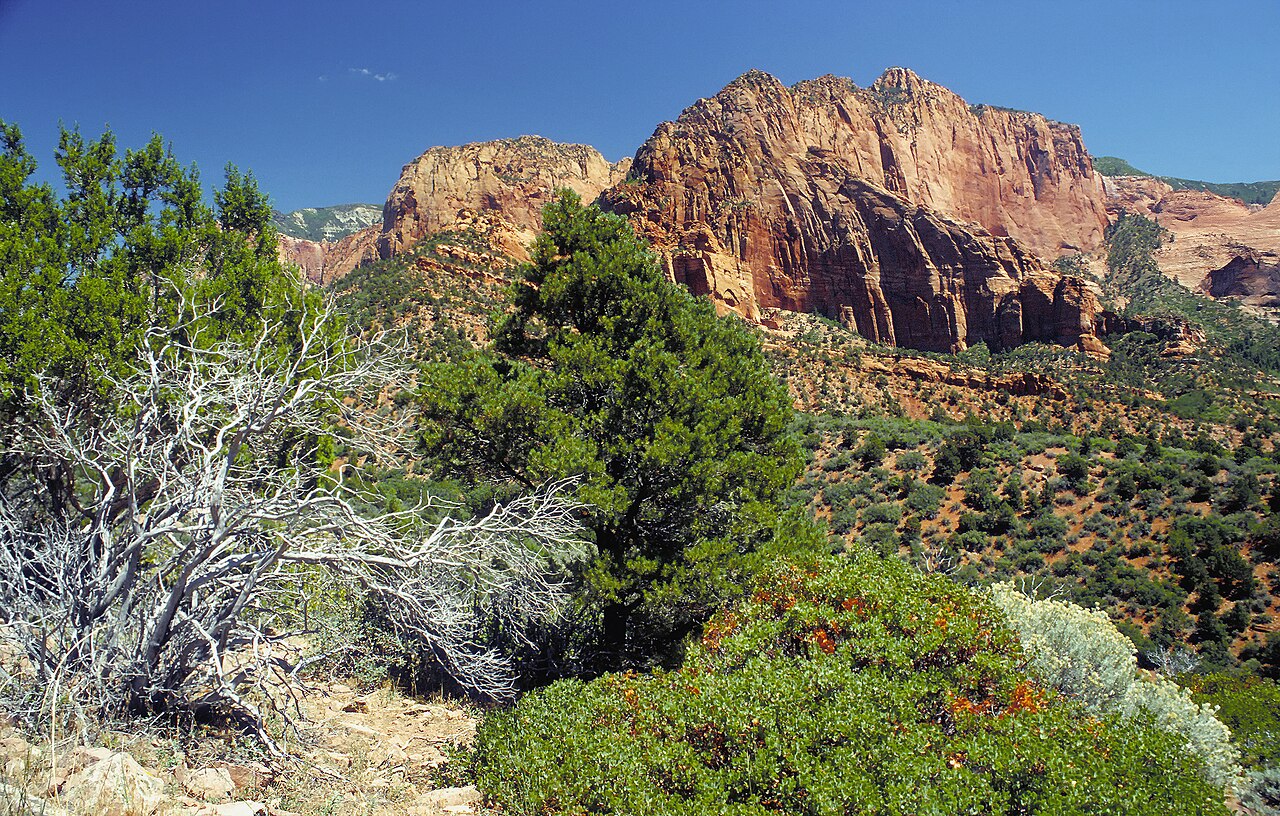
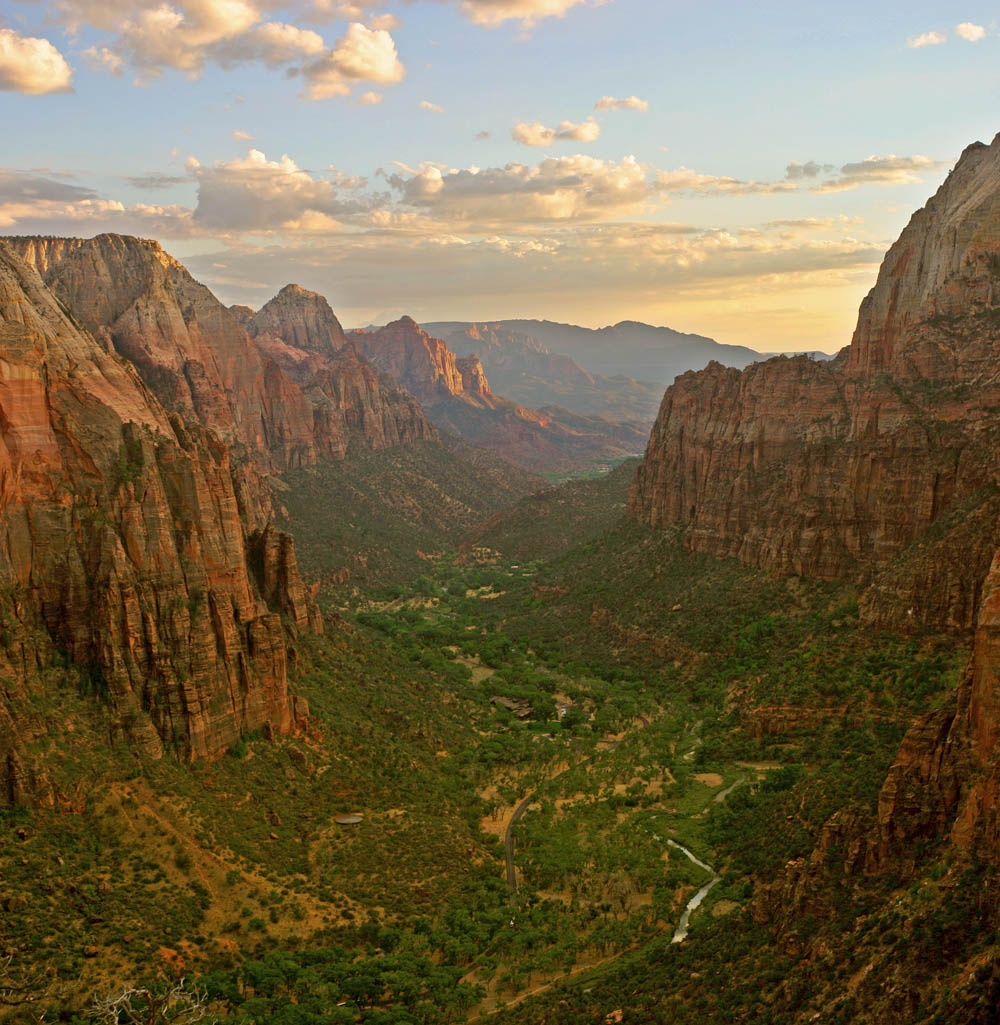
Fitting it into a trip. Cedar Breaks pairs naturally with Kolob Canyons, which sits just off Interstate 15 south of Cedar City, and makes a scenic alternative route between Zion and Bryce via Cedar City and Panguitch in summer. It is a short drive from the Brian Head ski area, so winter visitors can combine skiing with a snowshoe to the rim. Expect an entrance fee in the operating season, and check fees and conditions before you go.
What to expect
The experience
A high-elevation amphitheater of eroded spires viewed from rim overlooks and short trails; in winter, viewpoints are reached by snowshoe, ski or snowmobile, with the North View Overlook open by car.
Best time
July and August for wildflowers; mornings to avoid afternoon lightning; winter weekends for snowshoe tours when offered.
How long
Two to four hours, including short walks.
Tips
Check the conditions page before you go: SR-148 usually closes mid-November to mid-May and the visitor center closes mid-October to late May. Dress for cold and wind at over 10,000 feet.
Quick picks
- Best for
- Road-trippers who want a Bryce-like amphitheater without the crowds.
- Families
- Easy overlooks in summer; snowshoe tours for older kids in winter.
- Couples
- Sunset at the rim and a starry sky in a Dark Sky Park.
- Pair with
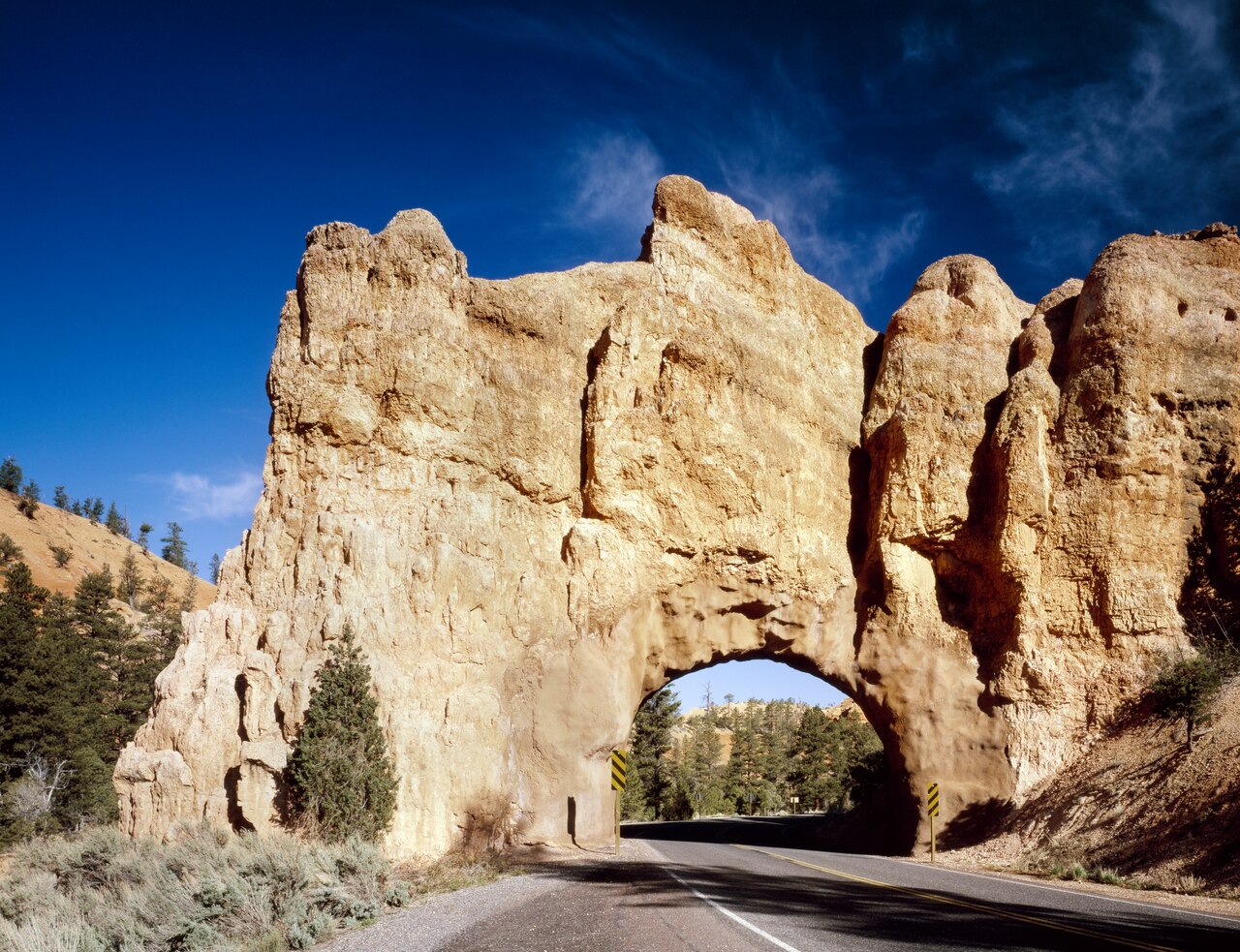
- Kolob Canyons near Cedar City, or Red Canyon on the way to Bryce.
- Time needed
- Half a day.
Good questions
Is Cedar Breaks open in winter?+
The monument is open, but State Route 148 usually closes to vehicles from mid-November to mid-May. The North View Overlook stays reachable by car on SR-143, and the rim viewpoints can be reached on snowshoes, skis or snowmobile.
Is the visitor center open?+
It closes for the season from mid-October to late May. Restrooms at the visitor center close too, so plan accordingly.
Are there ranger snowshoe tours?+
Recent winters have offered guided snowshoe tours on Fridays and Saturdays starting in early January, with snowshoes provided. Check the park website for the current season.
How high is Cedar Breaks?+
The rim sits above 10,000 feet. The air is thin, temperatures are cool and afternoon lightning is common in summer.
How does it compare with Bryce Canyon?+
It has a similar amphitheater of colorful spires, but higher, quieter and with fewer trails into the formations. It is a great add-on rather than a substitute.