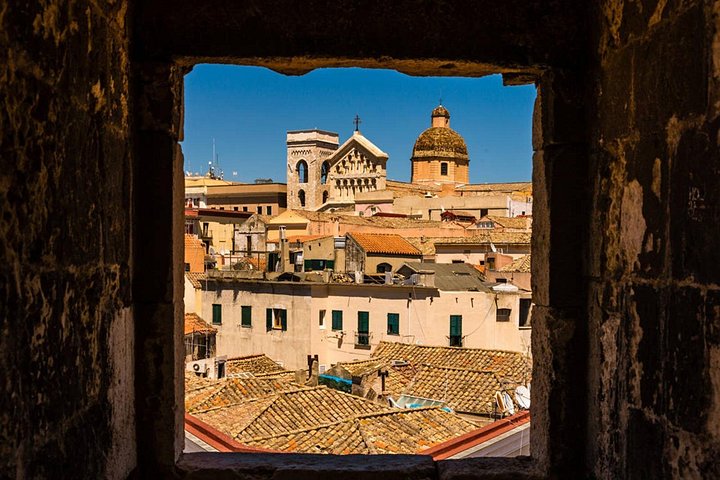
Healthy places to visit
The blue zones
A handful of places around the world have been described as home to unusually many people living into their nineties and beyond. They make some of the most rewarding trips you can take: slow food, long walks, village life and a different idea of what a good day looks like.
Six places, one idea
Researchers who studied these regions found the same habits again and again: plenty of everyday walking, meals built on beans, greens and whole grains, close family and friends, a sense of purpose and time to rest. You can see all of it as a visitor, and most of it travels home with you.
ItalySardinia
Shepherd villages in the highlands of Ogliastra and Barbagia, where long-lived men first drew researchers.
 Japan
Okinawa
Subtropical islands long known for some of the longest-lived women on record.
 Costa Rica
Nicoya Peninsula
Farm towns and Pacific beaches where older Costa Ricans speak of their plan de vida.
Ikaria
A rugged Aegean island of late lunches, afternoon naps, herb teas and all-night village festivals.
 California, USA
Loma Linda
A Southern California city whose large Seventh-day Adventist community has been studied for decades.
 Singapore
A city-state named a "blue zone 2.0": long lives shaped by policy, design and good food on every corner.
Italy
Sardinia
The first region to be called a blue zone is not the whole island but a cluster of mountain villages in central-eastern Sardinia, in the Ogliastra and Barbagia areas of Nuoro province. Demographers noticed unusually many men there reaching 100, which is rare anywhere.
Life in the villages runs on steep walks to pasture, family meals, sheep cheese, beans, sourdough bread and a glass of local Cannonau. For a visit, base yourself on the east coast around Cala Gonone or Arbatax and drive up into the hills, or join a day trip from Olbia or Cagliari.
Japan
Okinawa
Okinawa became famous for its older women, many of whom kept gardening, cooking and meeting friends well into their nineties. Locals talk about ikigai, a reason to get up in the morning, and moai, small groups of friends who support each other for life.
The traditional diet leans on sweet potato, tofu, seaweed and goya (bitter melon). Younger generations eat a more modern diet and Okinawa has slipped down Japan's life-expectancy rankings, but the older food culture is still easy to find. The village of Ogimi in the north is the place most often linked with the island's centenarians.
Costa Rica
Nicoya Peninsula
Inland from the surf beaches of Guanacaste, the towns around Nicoya and Hojancha have been described as home to unusually many people living past 90. Costa Ricans call a reason for living a plan de vida, and family, faith and outdoor work fill most days.
Meals are built on corn tortillas, black beans, squash and tropical fruit. Visitors usually stay on the coast, in Sámara, Nosara, Santa Teresa or Tamarindo, and head inland to see the farms and small-town life.
Greece
Ikaria
Ikaria, in the eastern Aegean, has been described as a place where unusually many people reach their nineties. Island life moves slowly: mountain villages, gardens and goats, wild greens, beans, olive oil, honey and herbal teas, a nap after lunch and long summer panigiria, village feasts that run until dawn.
Ikaria is reached by ferry from Piraeus or by a short flight from Athens. Stay in Agios Kirykos, Evdilos or Armenistis, and plan an Athens stay either side.
California, USA
Loma Linda
Loma Linda, in the Inland Empire east of Los Angeles, is home to a large Seventh-day Adventist community. Many members eat a vegetarian or mostly plant-based diet, avoid alcohol and tobacco and keep a weekly day of rest, and long-running health studies here have tracked them since the 1970s.
It is an easy add-on to a Southern California trip: Riverside is next door, and the hiking trails of the San Bernardino Mountains and the desert of Palm Springs are both within an hour or so.
Singapore
Singapore
Singapore is the newest place added to the list, and the first described as engineered rather than traditional. Life expectancy has climbed by about twenty years since 1960, helped by walkable neighbourhoods, green space, public health programmes and hawker centres full of fresh, affordable food.
For travellers it is the easiest of the blue zones to visit: parks and nature reserves, the Botanic Gardens, waterfront walks and some of the best street food in Asia.
Questions
Can I visit blue zones as a tourist?+
Yes, all of the places that researchers have called blue zones are ordinary destinations that welcome visitors. You will not find a dedicated attraction, just everyday life in the villages and towns. Go for the scenery, food and slower pace, and treat the area like any other holiday region by respecting local customs and residents' privacy.
Where is the best base for visiting Sardinia's mountain villages?+
The east coast around Cala Gonone or Arbatax is a convenient base, with beaches, restaurants and hotels, and the hill villages of Ogliastra and Barbagia are a drive away. Hiring a car makes the trip much easier, because public transport inland is limited. Day trips from Olbia or Cagliari are possible but long.
Which blue zone is easiest for a first visit?+
Singapore is the simplest, with excellent transport, easy flights, a huge choice of hotels and plenty to see in a few days. Nicoya, Okinawa and Sardinia reward a longer stay with more planning, and Loma Linda fits neatly into a Southern California trip. Ikaria needs a ferry or short flight from Athens, so it suits a slower, island-style holiday.
How long should I spend visiting a blue zone?+
Allow at least three or four days for the island or regional ones, so you can reach the villages and still have time at the coast. A day trip works in Loma Linda, and Singapore is fine for a short city stay. Choose a base for several nights rather than moving each day, and let meals and walks set the pace.
A note on the science
Sardinia, Okinawa, Nicoya and Ikaria were identified by demographers who checked birth, marriage and church records, and Loma Linda and Singapore were added later. Some researchers have questioned how reliable very old age records are in parts of these regions, while the teams behind the studies say the ages were carefully verified. Either way, the everyday habits these places are known for are good ones, and the places themselves are worth the trip.
Blue Zones® is a registered trademark of Blue Zones, LLC. twickly is not affiliated with or endorsed by Blue Zones, LLC; we use the term only to describe these regions. Nothing here is medical advice.