Seasonal trips
Northern lights
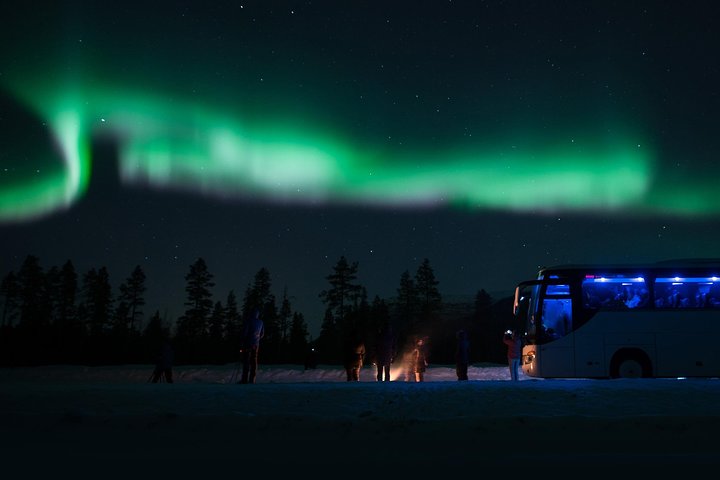
The best places on Earth to see the aurora: dark skies, a long night season and plenty to do while you wait, from husky rides to hot springs.
The season runs from roughly September to March. Clear skies matter more than anything, so stay three or four nights and give yourself several chances.
Norway, Sweden & Finland
Aurora tourTromsø
The classic aurora city, right under the auroral oval, with fjords all around.
 Aurora tour
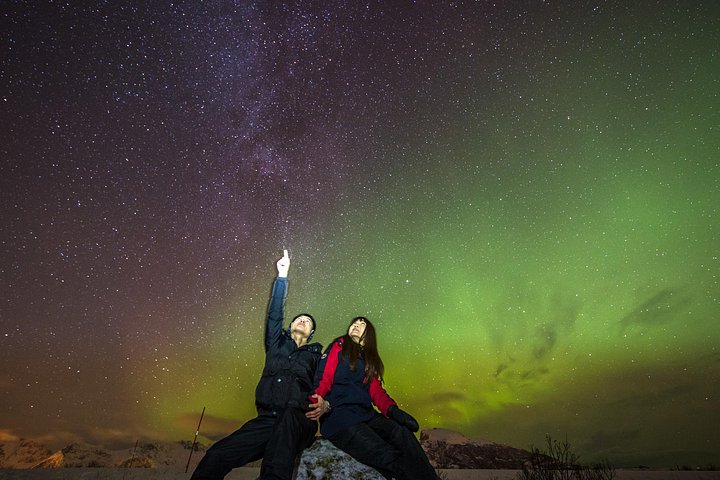
Lofoten Islands
Lights over jagged peaks and fishing villages.
 Aurora tour
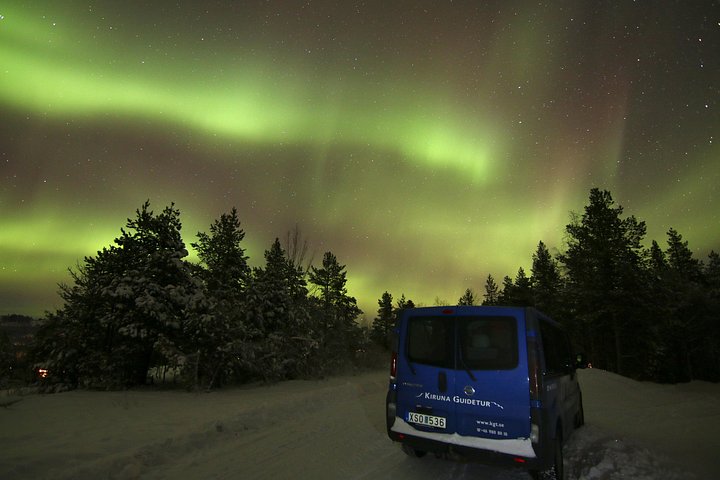
Kiruna
Swedish Lapland, the Icehotel and the dark skies of Abisko nearby.
 Aurora tour
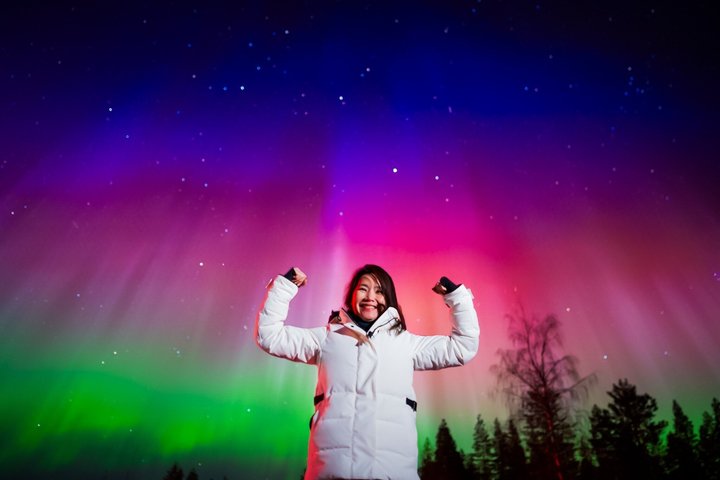
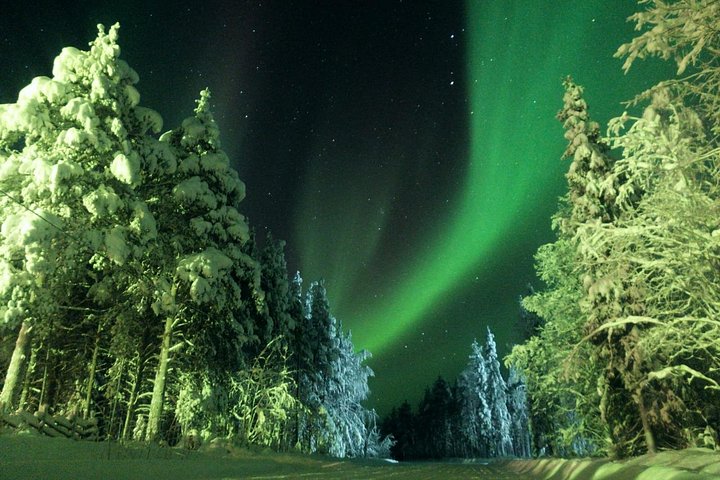
Rovaniemi
Finnish Lapland’s capital: reindeer, huskies and glass-roofed cabins.
 Aurora tour
Levi & Finnish Lapland
A ski resort deep in Lapland with long, dark nights.
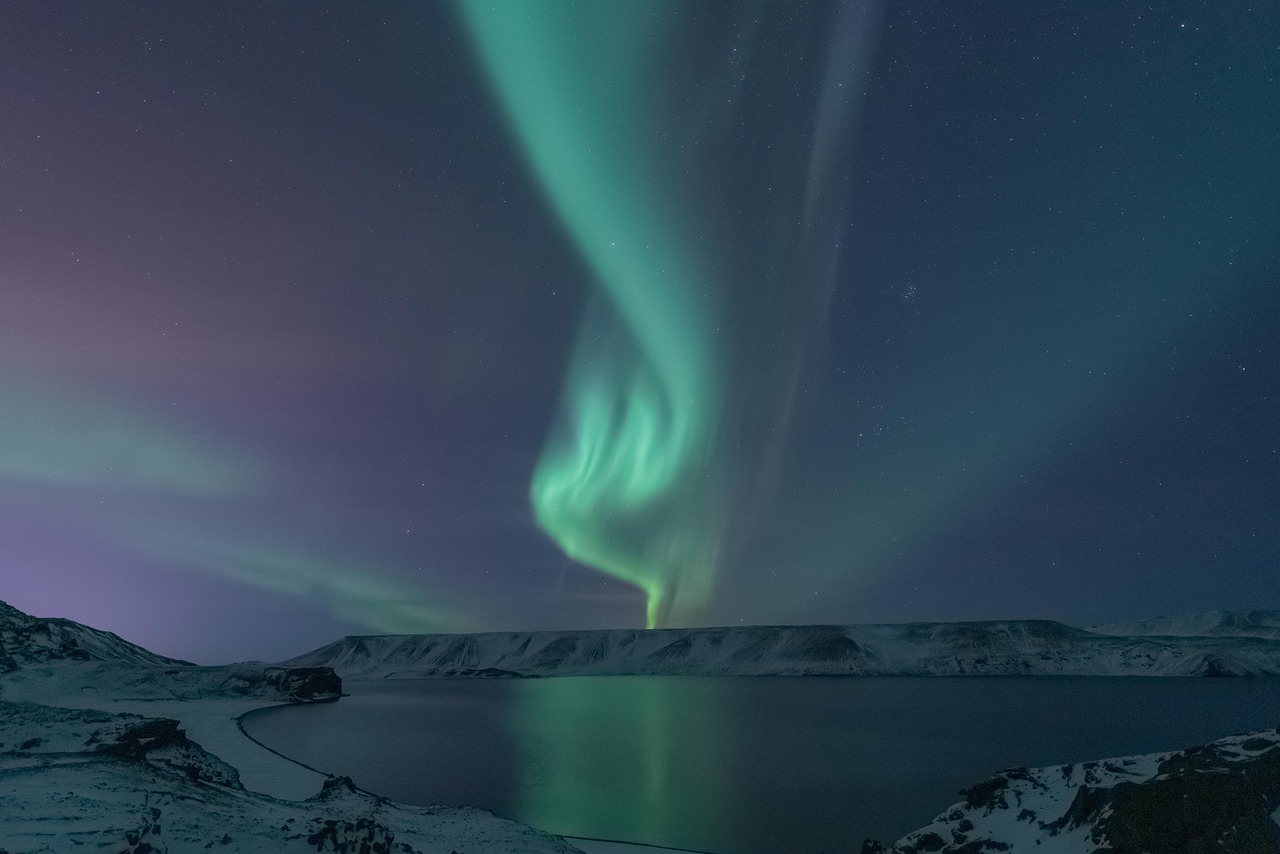
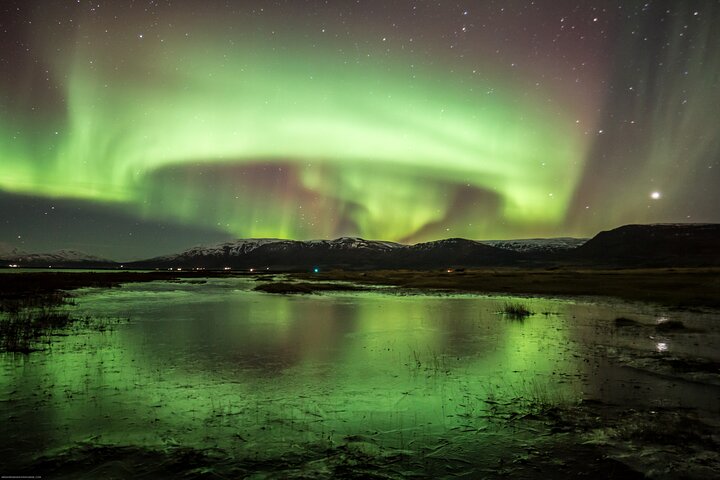
Iceland
Alaska & northern Canada
 Aurora tour
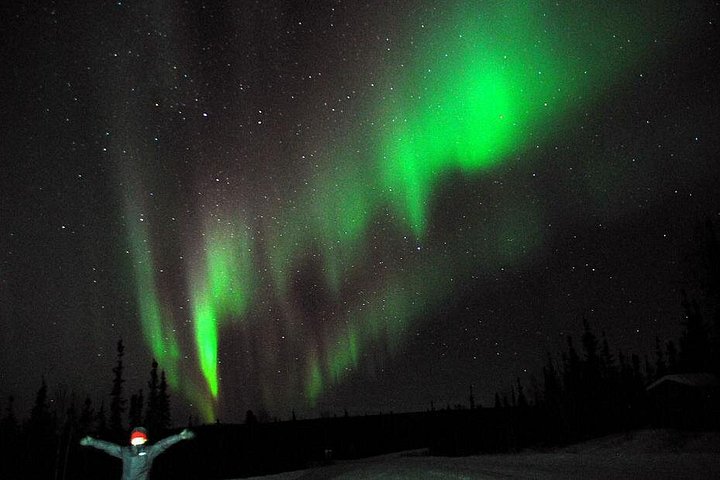
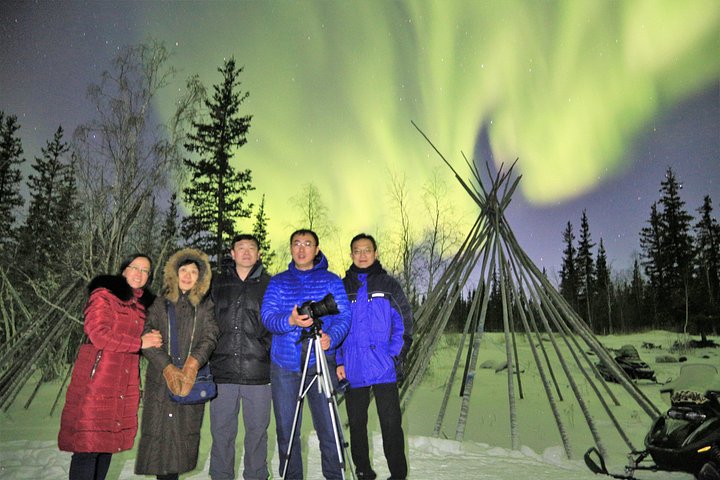
Fairbanks & Denali
One of the most reliable aurora spots in the world, with hot springs nearby.
 Aurora tour
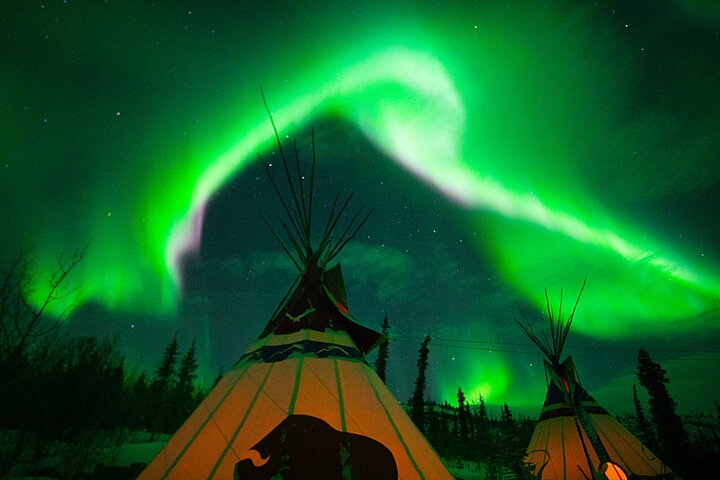
Yellowknife
Flat land and clear, dry skies make for frequent displays.
 Aurora tour
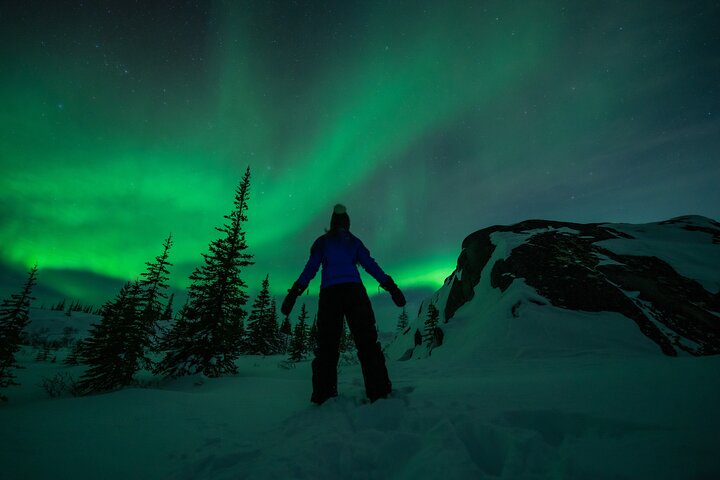
Whitehorse
Yukon wilderness lodges far from any light.
 Aurora tour
Churchill
Polar bears in autumn and lights over Hudson Bay.
 Aurora tour
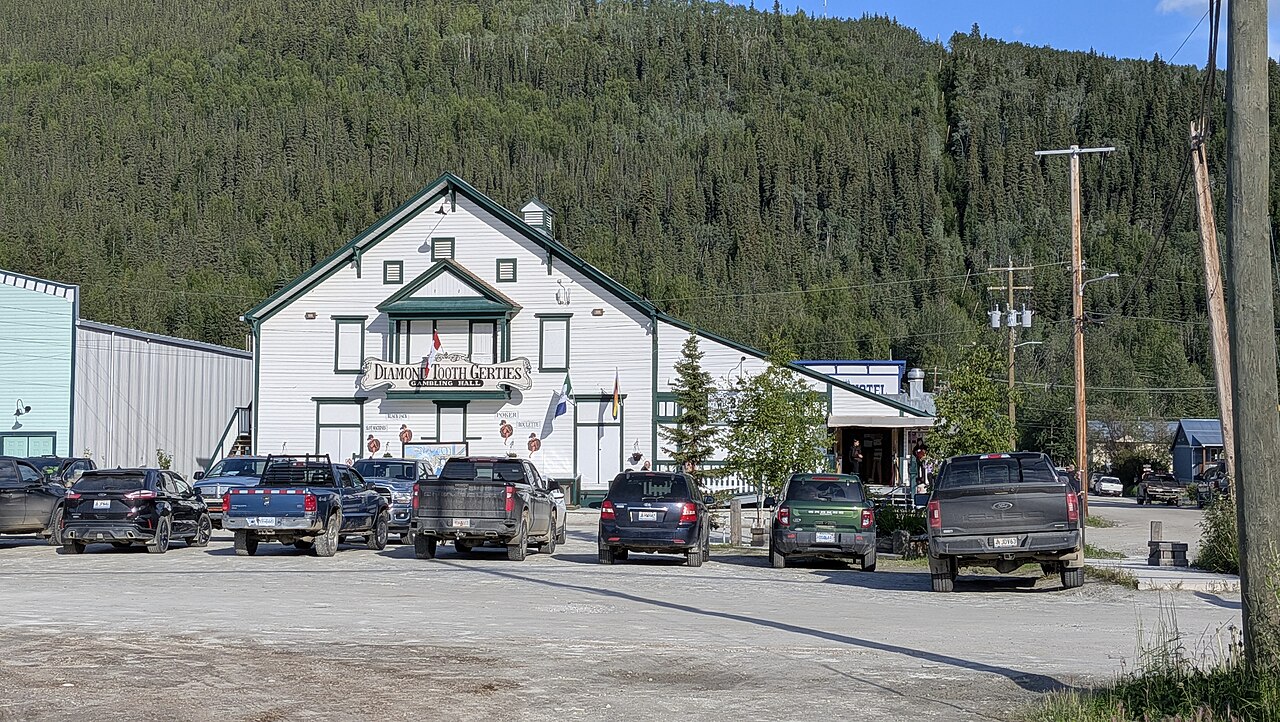
Dawson City
A Klondike gold-rush town under the northern sky.
Planning tips
Seeing the aurora is partly about place and partly about patience, so choose a base that gives you the most chances. Tromsø, Kiruna, Rovaniemi, Levi, Fairbanks and Yellowknife all sit under or close to the zone where displays are most frequent, which makes them the strongest choices if seeing the lights matters most. Iceland and Lofoten are a little more exposed to changeable coastal weather, but they offer dramatic landscapes in the foreground. Akureyri and Whitehorse often have good clear spells, and Churchill and Dawson City suit people who want a more unusual journey.
Think about who is coming and what else they want to do. Rovaniemi and Levi are the easiest for families, with reindeer, husky rides and glass-roofed cabins. Tromsø is lively and suits those who want a proper town, plus fjords and whale watching in the right season. Reykjavik is the easiest to reach and combines the lights with geothermal pools and the south coast, but it is better with a hire car or guided tour to get away from the city lights. Fairbanks has hot springs, Yellowknife has flat, dry skies, and Churchill adds polar bears in autumn.
Stay at least three or four nights, ideally more, because clear skies are the main thing and a single night is a gamble. Book the longer tours that go out each night, and go with an operator who will move to find gaps in the cloud. Dark, moonless nights are better, and the season usually runs from around September to March. Midwinter is cold but long on darkness, while autumn and early spring are milder.
The most common mistake is expecting a guarantee. The aurora is a natural event, and even in the best places some nights are cloudy or quiet. Do not plan every night with a fixed activity, and keep your first evening free. Dress warmly, with insulated boots, a wind layer and good gloves, and bring a tripod if you want to photograph the lights. Remember that they often look paler to the eye than they do on camera, and that is completely normal.
Questions
When is the best time to see the northern lights?+
The season runs from roughly September to March, when nights are long and dark. Many people favour the months around the equinoxes, September and March, as well as the deep winter. What matters most is clear skies and several nights in the right place, so stay three or four nights at the very least.
Where is the best place to see the northern lights?+
Tromsø, Swedish and Finnish Lapland, Fairbanks and Yellowknife are all excellent, because they sit close to the zone where displays are most frequent. Iceland and Lofoten are also very popular. The best choice depends on whether you want a lively town, a quiet cabin or a landscape you can combine with other activities.
How many nights do I need to see the northern lights?+
Plan three to five nights. The lights depend on both solar activity and clear skies, and neither is predictable, so a longer stay gives you several chances. A single night is a gamble even in the best locations. Choose a base where you have other things to do on cloudy evenings.
Do I need a guide to see the northern lights?+
No, but a tour helps. You can see the lights by yourself in many places if you can get away from city lights, and some lodges offer wake-up calls. Guides, however, know where skies are clearest, drive you there, and often help with photographs and warm clothing, which is useful in remote and very cold places.