Seasonal trips
Christmas markets
Mulled wine, gingerbread, carols and wooden stalls glowing under old-town towers. These are the Christmas markets worth travelling for, with tours and places to stay in each city.
Most markets open in late November and run until around Christmas, and a few stay open into the new year. Dates and hours change from year to year, so check before you book, and book hotels early for December weekends in the most popular cities.
Germany
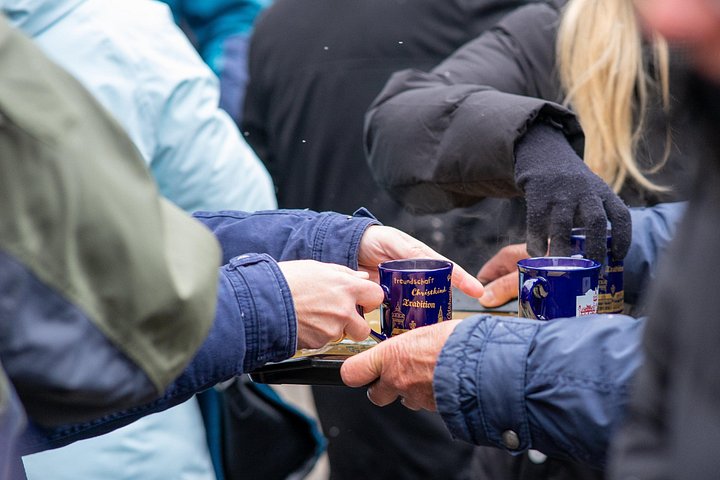
Market tourNuremberg
The Christkindlesmarkt on the Hauptmarkt: gingerbread, little grilled sausages and a tradition that goes back centuries.
 Market tour
Dresden
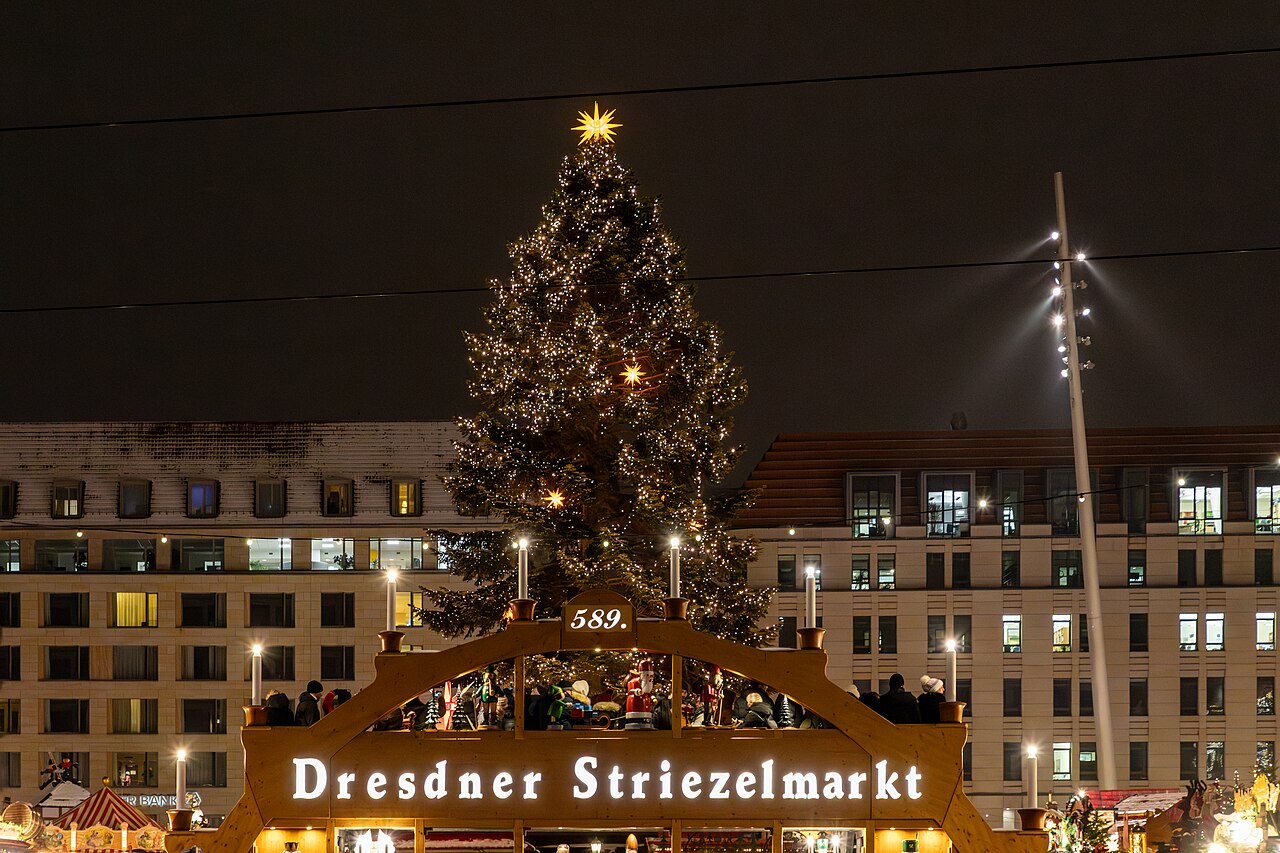
The Striezelmarkt dates back to 1434 and takes its name from Striezel, the old word for Dresden stollen.
 Market tour
Cologne
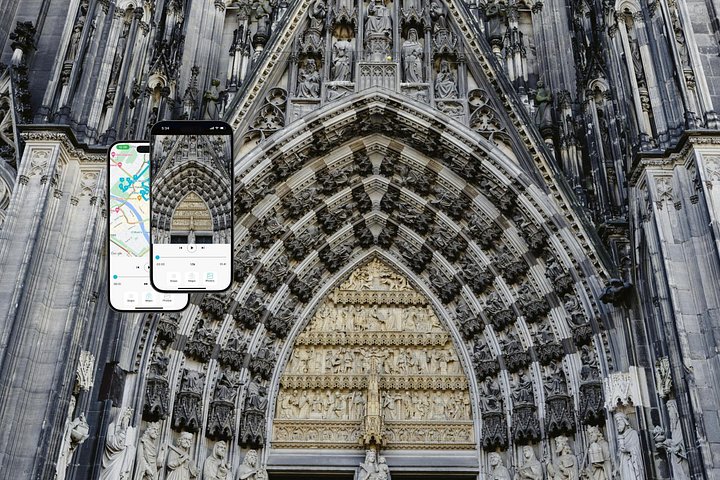
Several markets across the old town, the biggest right beneath the twin spires of the cathedral.
 Market tour
Munich
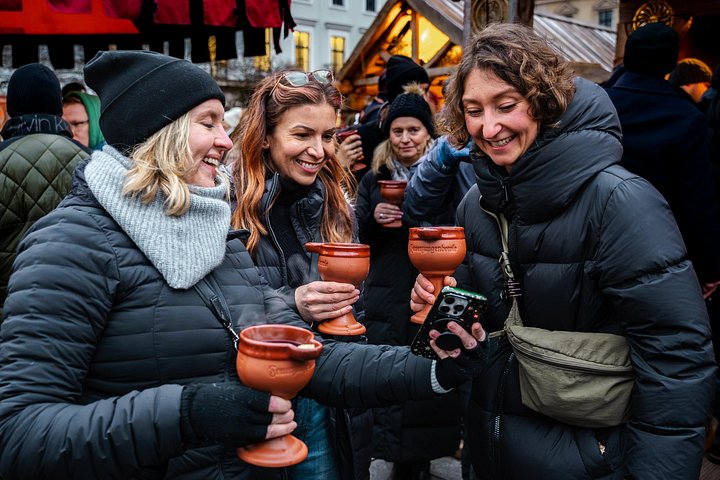
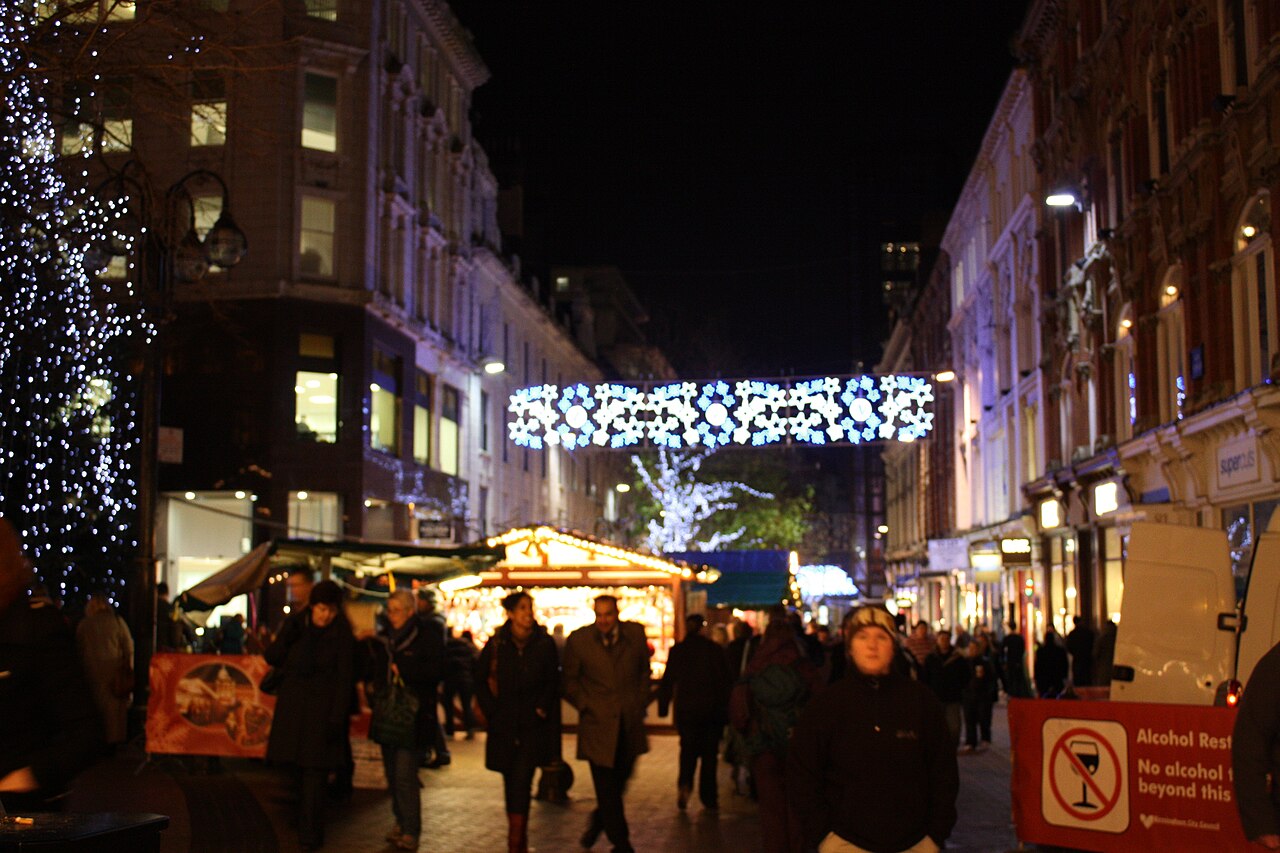
The main market fills Marienplatz, with themed markets around the city, including a medieval one.
 Market tour
Frankfurt
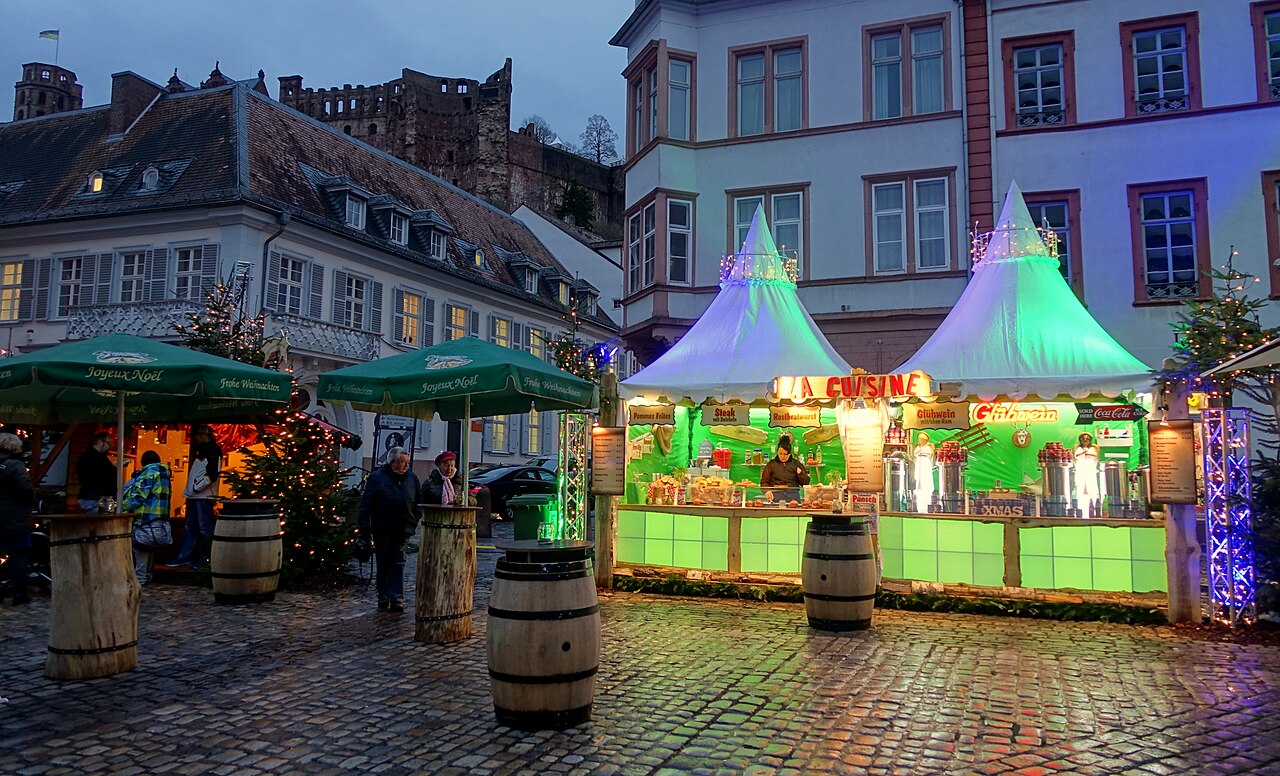
One of Germany's largest, set around the half-timbered houses of the Römerberg.
 Market tour
Heidelberg
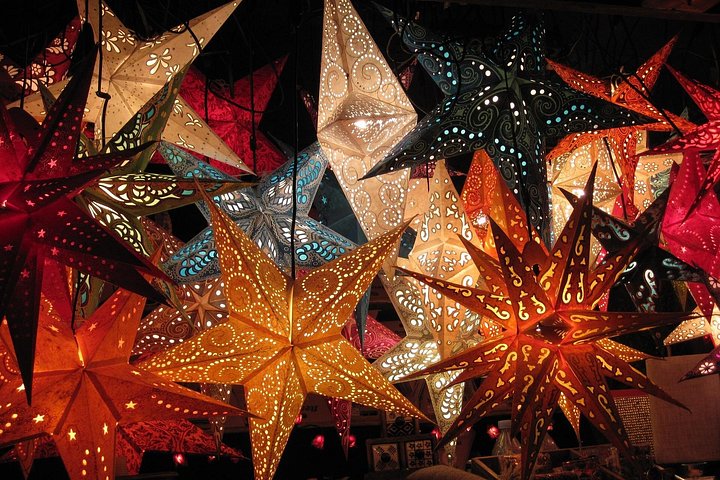
Markets spread across the old town squares, with skating below the castle.
 Market tour
Hamburg
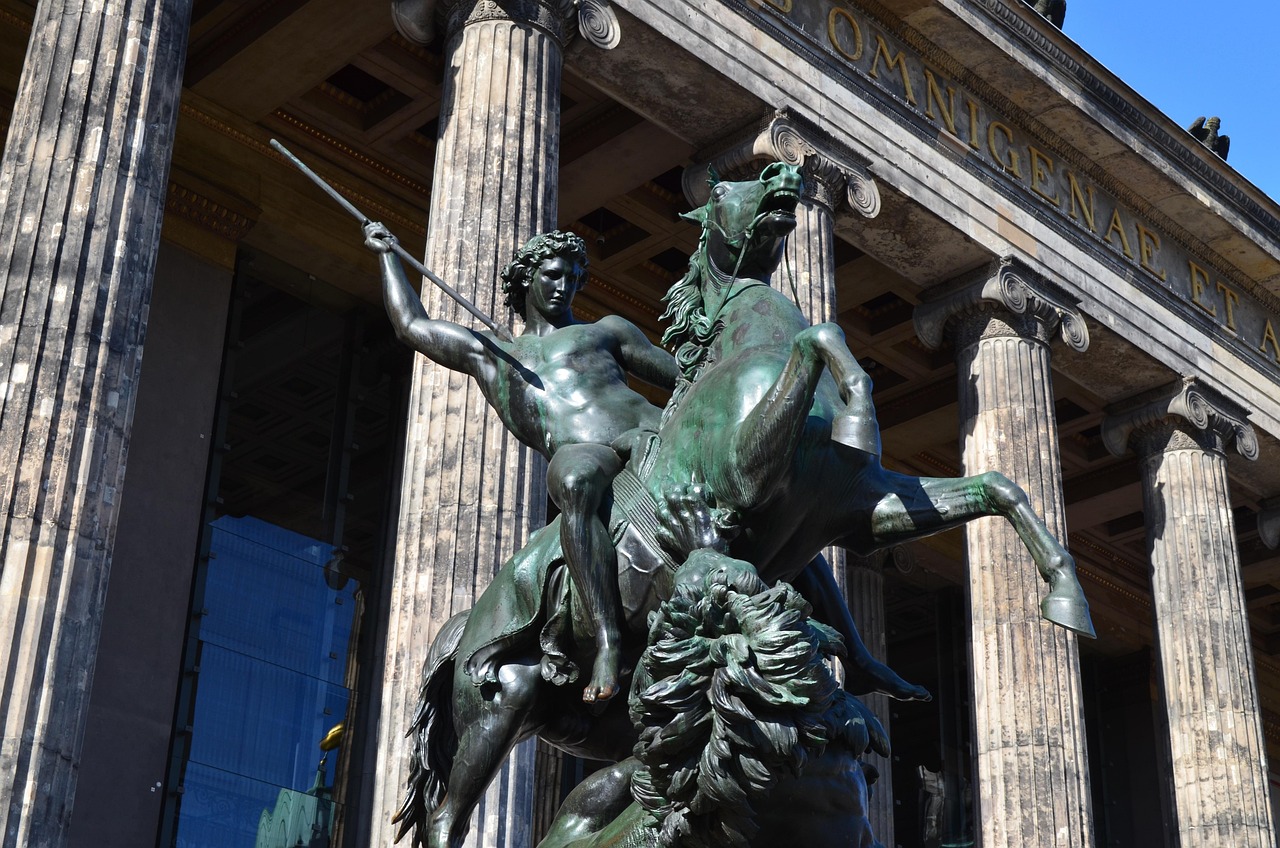
A historic-style market in front of the grand city hall, plus smaller ones by the water.
 Germany
Berlin
Dozens of markets, from Gendarmenmarkt to the grounds of Charlottenburg Palace.
France
 Market tour
Strasbourg & Alsace
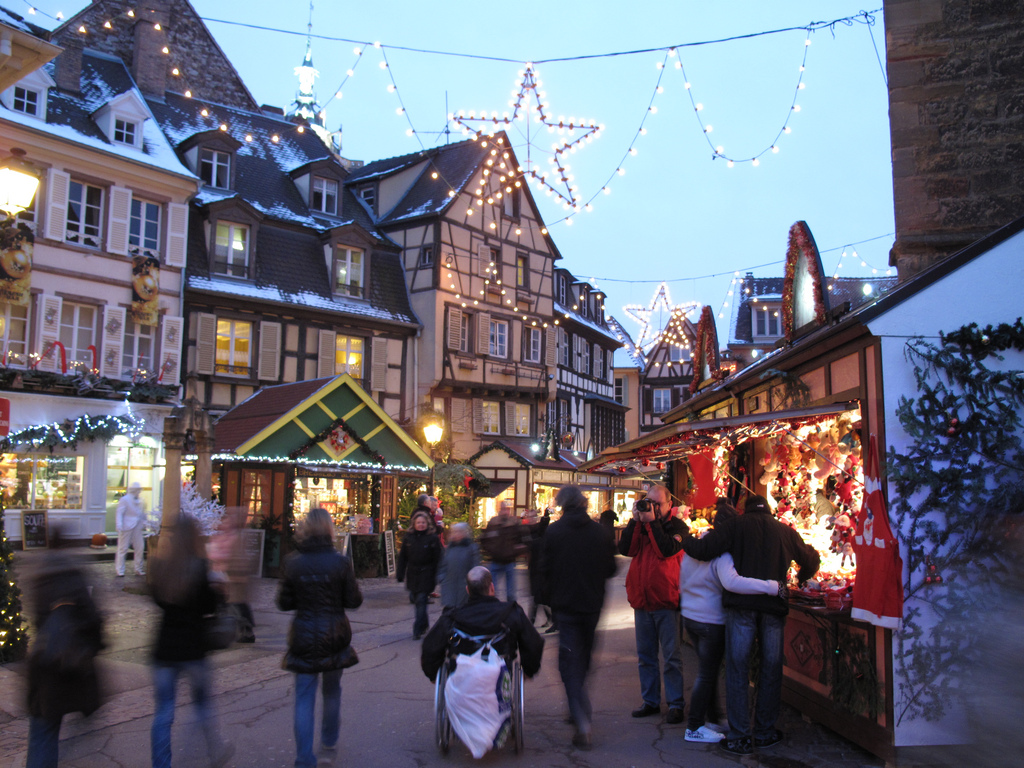
The Christkindelsmärik has run since 1570, and the city calls itself the capital of Christmas.
 Market tour
Colmar
Small markets tucked among the half-timbered houses and canals of Little Venice.
 Market tour
Reims & Champagne
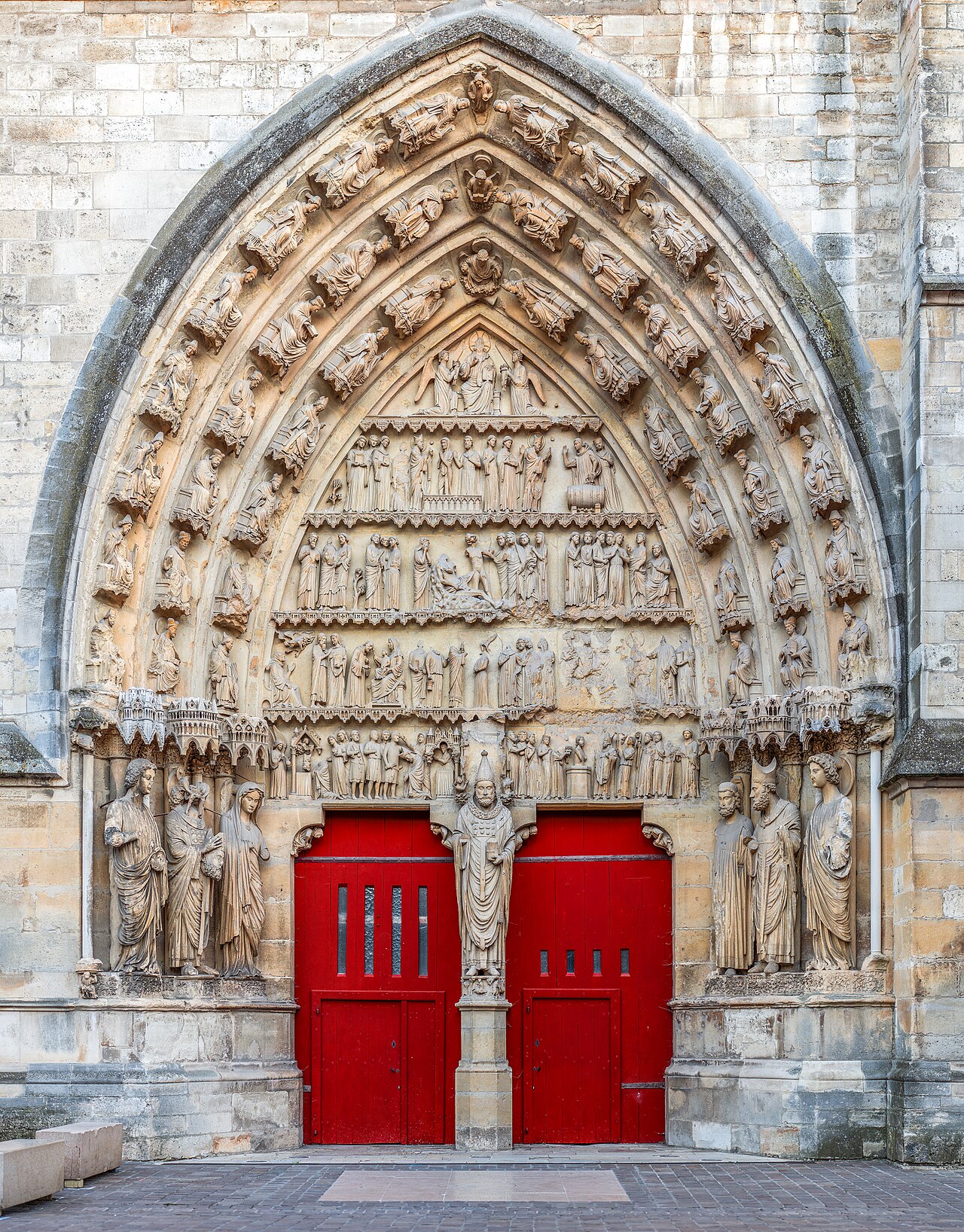
Chalets beside the cathedral, with Champagne country on the doorstep.
Austria & Switzerland
 Austria
Vienna
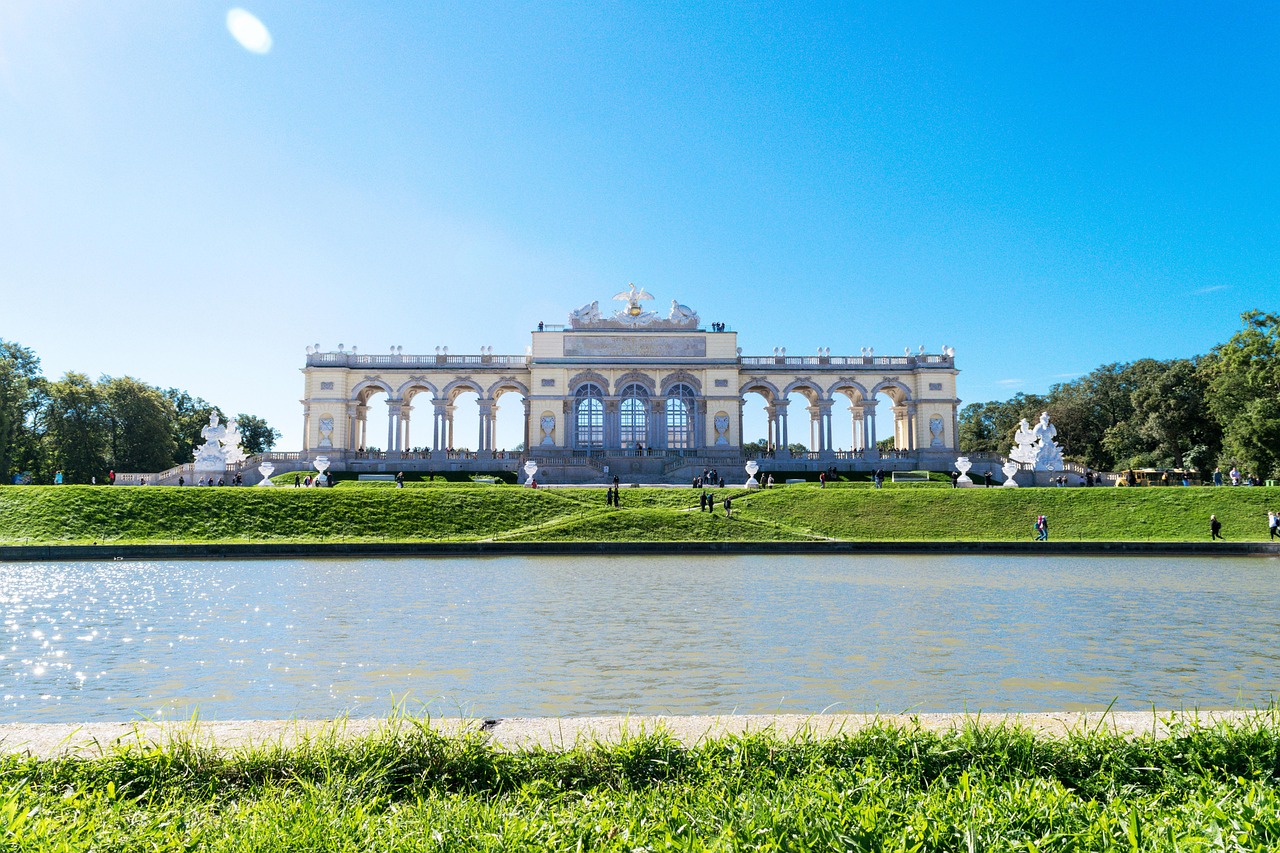
The big market in front of the Rathaus, plus Schönbrunn, Spittelberg and plenty of hot punch.
 Austria
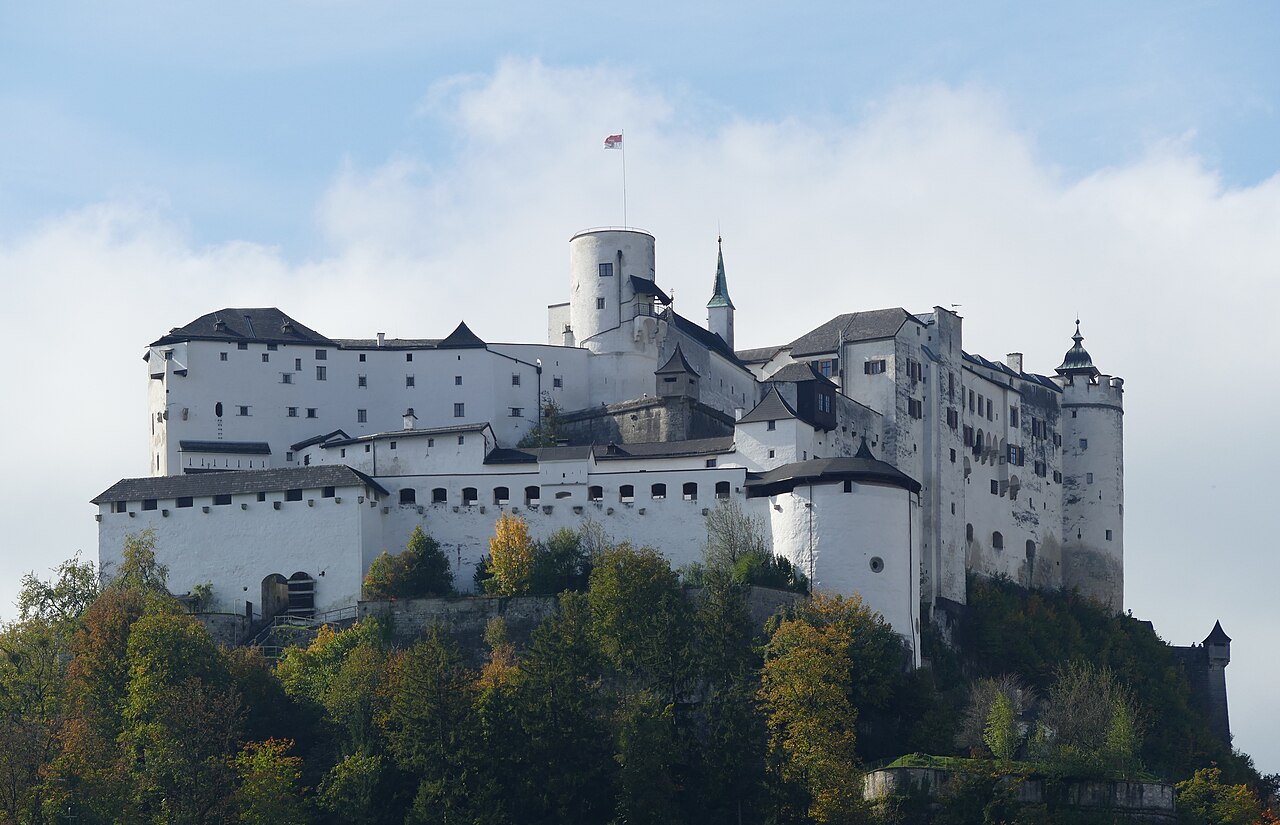
Salzburg
Stalls around the cathedral and Residenzplatz, close to where Silent Night was first sung.
 Austria
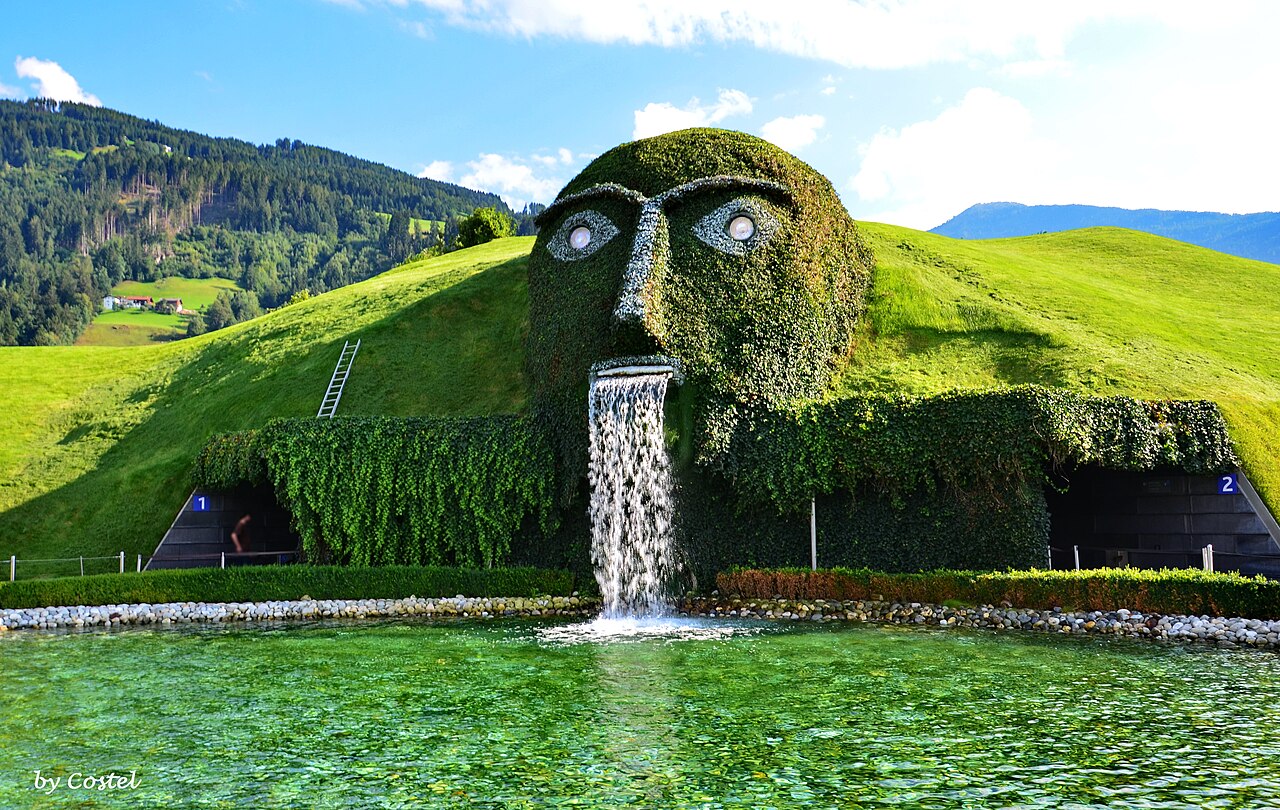
Innsbruck
An old-town market under the Golden Roof, with the Alps rising behind.
 Market tour
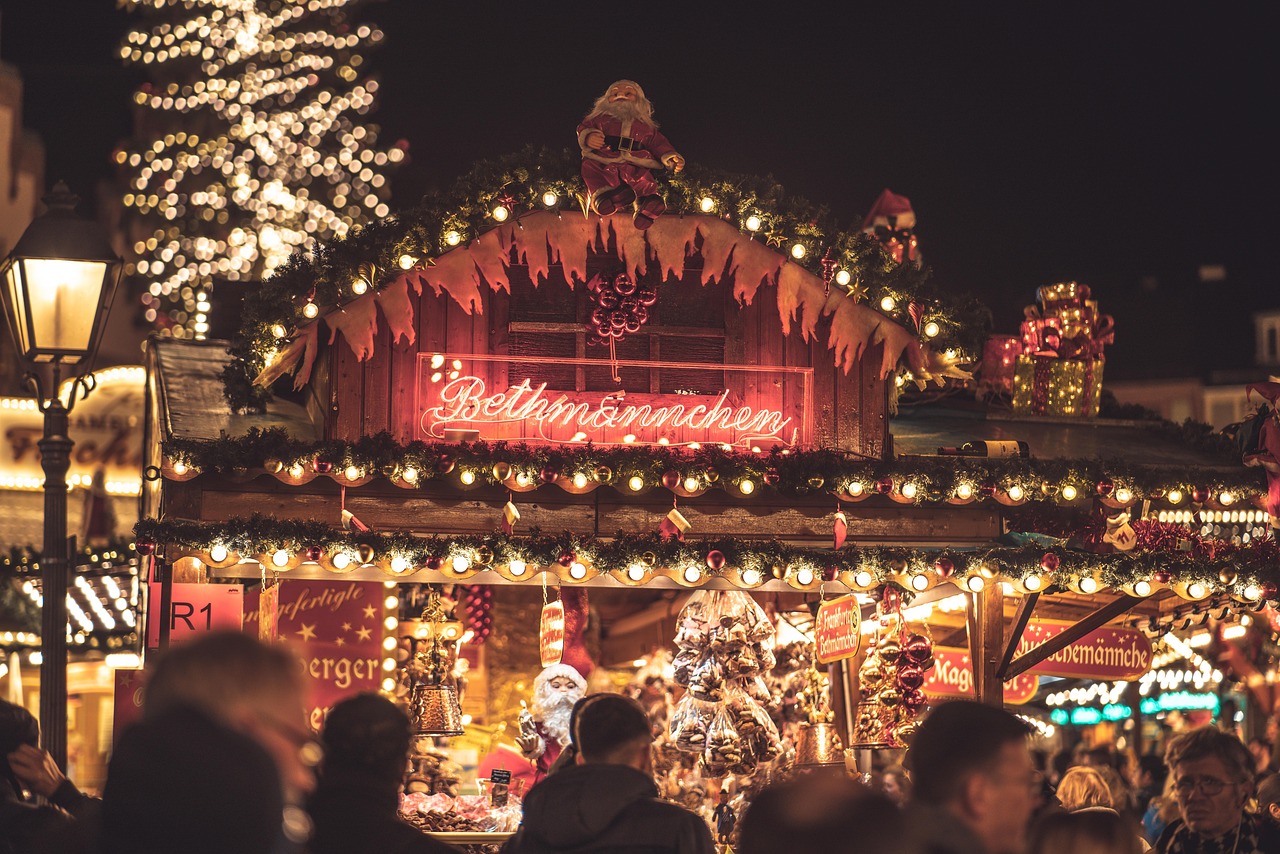
Basel
Barfüsserplatz and the Münsterplatz host one of Switzerland's biggest markets.
 Market tour
Zurich & Lucerne
An indoor market in the main station and a singing Christmas tree in the old town.
Central & Eastern Europe
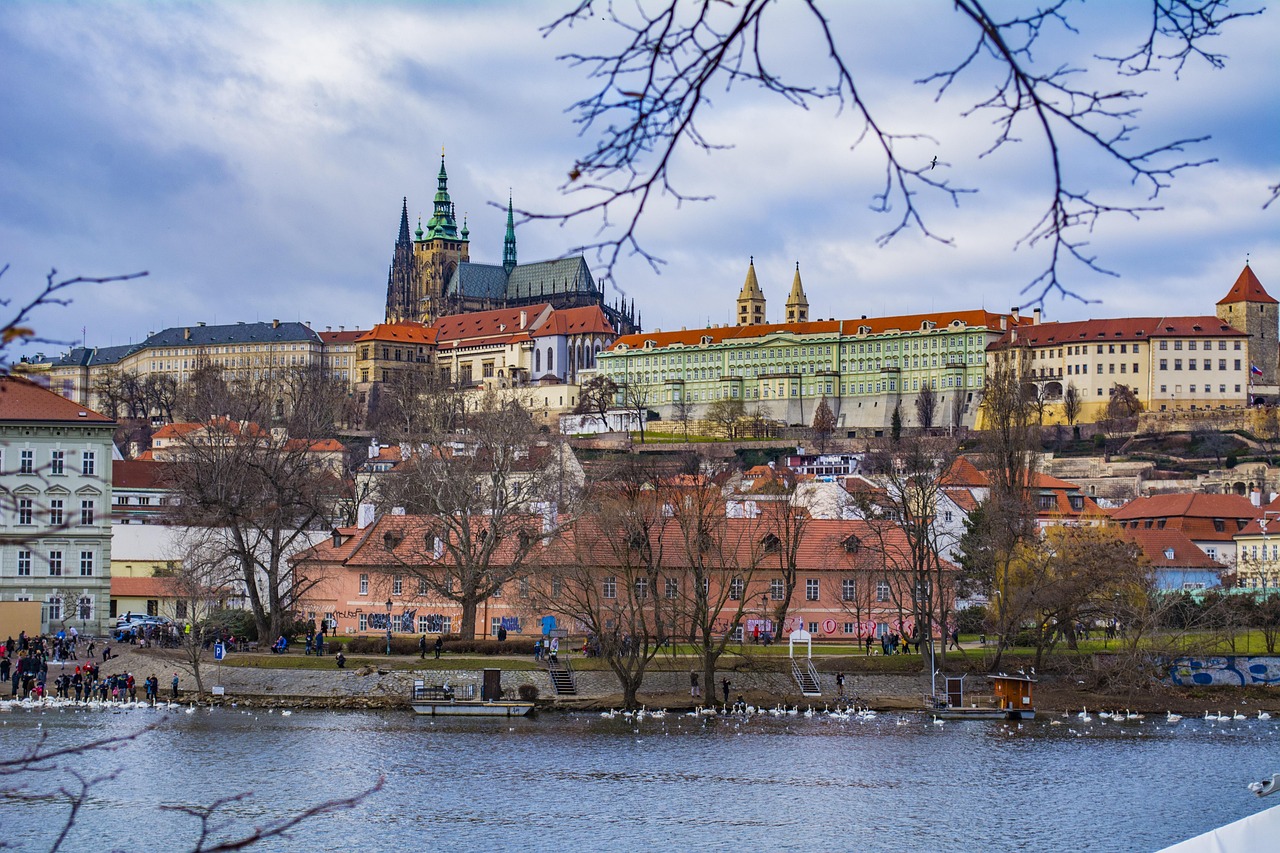 Czechia
Prague
Old Town Square with a giant tree in front of the Týn Church, mulled wine and Czech carols.
 Hungary
Budapest
Vörösmarty Square and the square in front of St Stephen's Basilica, with light shows on the facade.
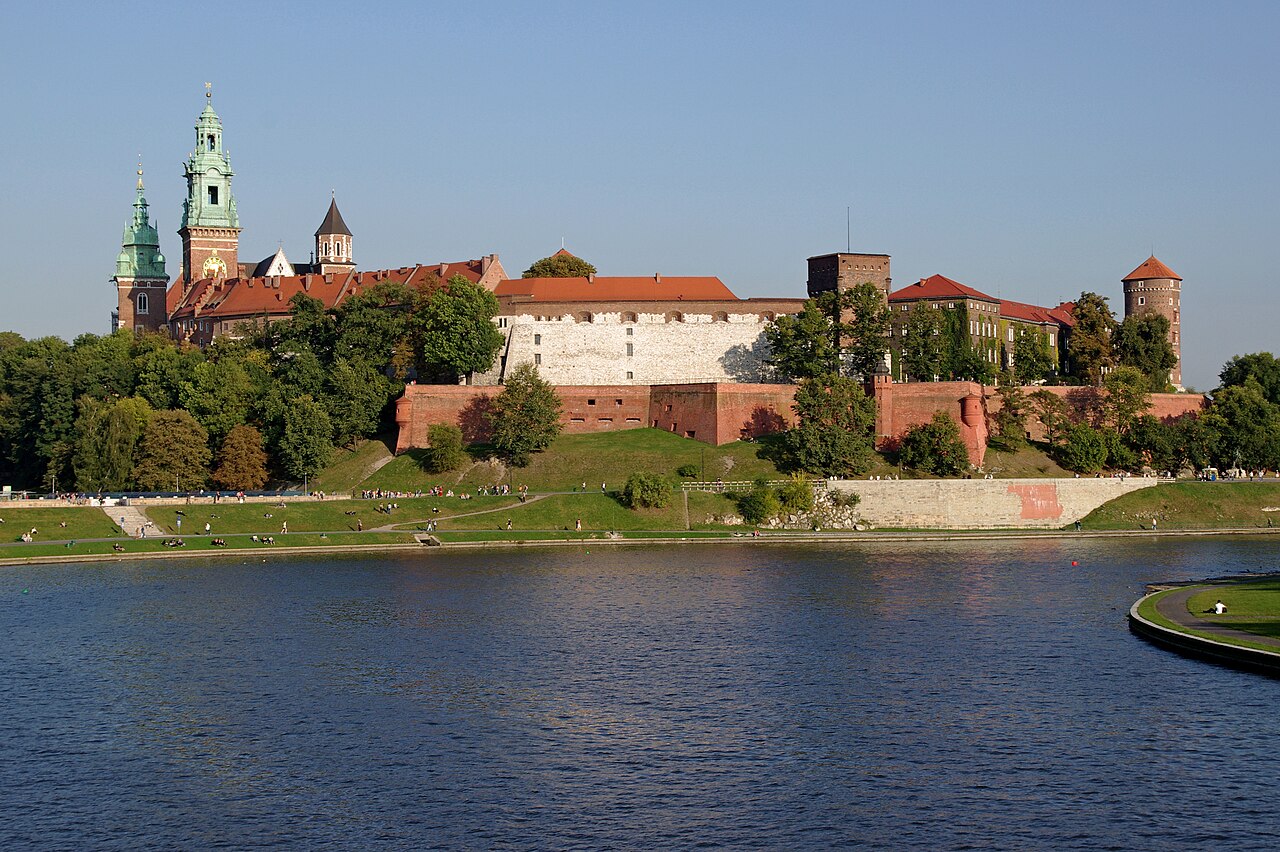 Poland
Kraków
Wooden stalls around the Cloth Hall on one of Europe's largest medieval squares.
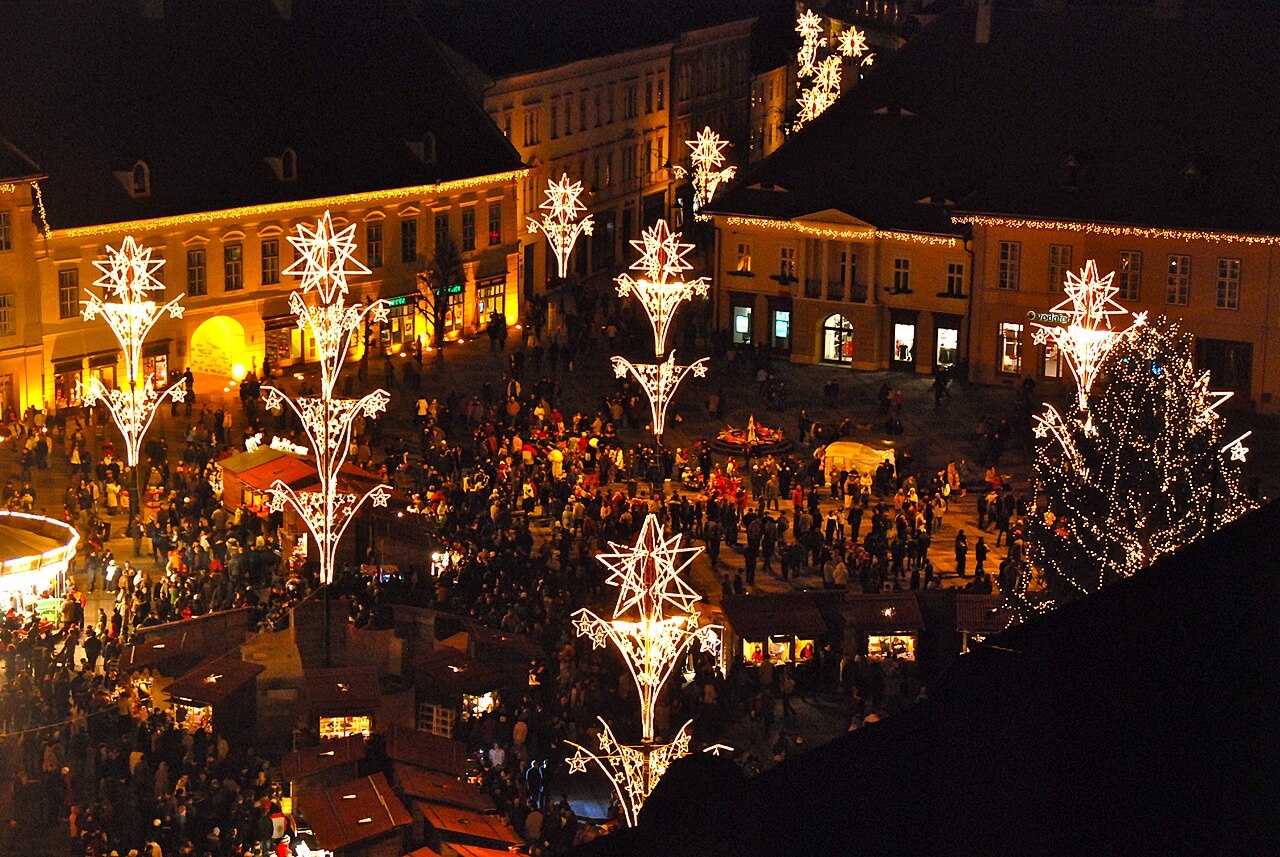 Market tour
Sibiu
A Transylvanian market on the Large Square, with a skating rink and Saxon rooftops all around.
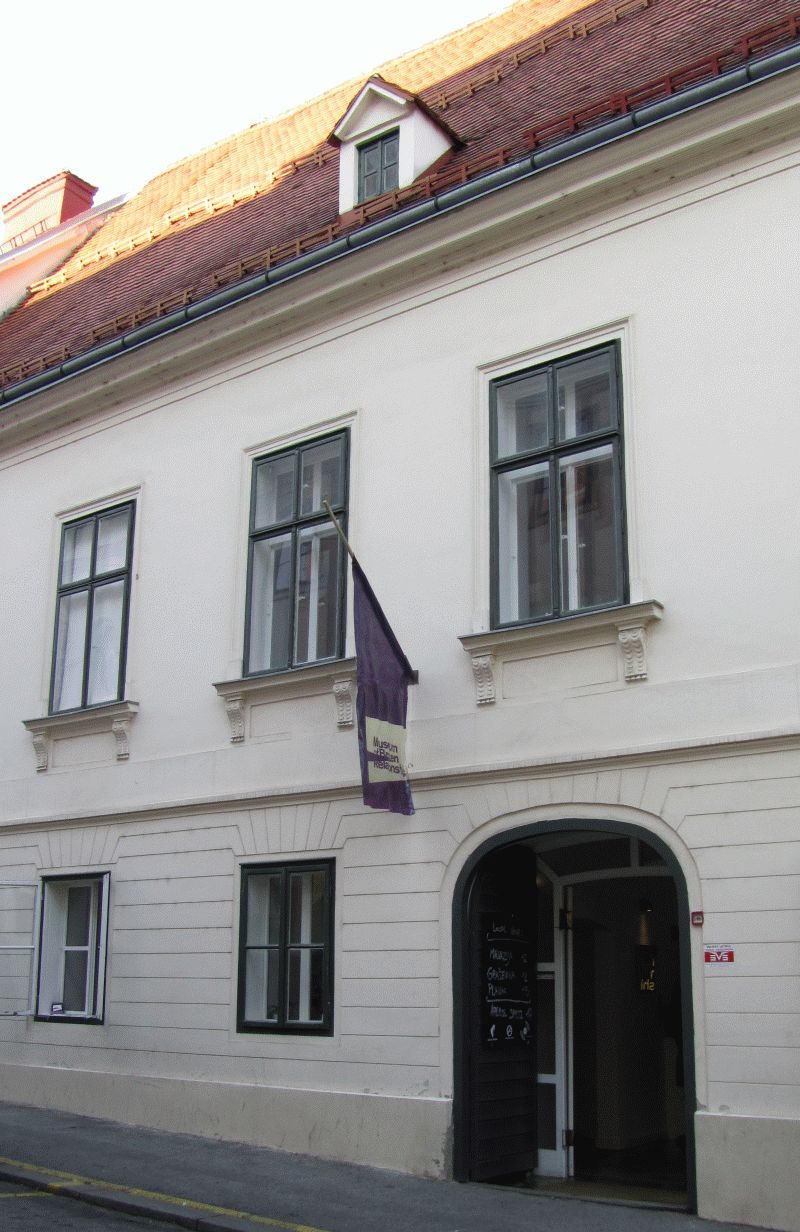 Croatia
Zagreb
Advent in Zagreb has topped reader polls of Europe's best Christmas markets several times.
 Slovenia
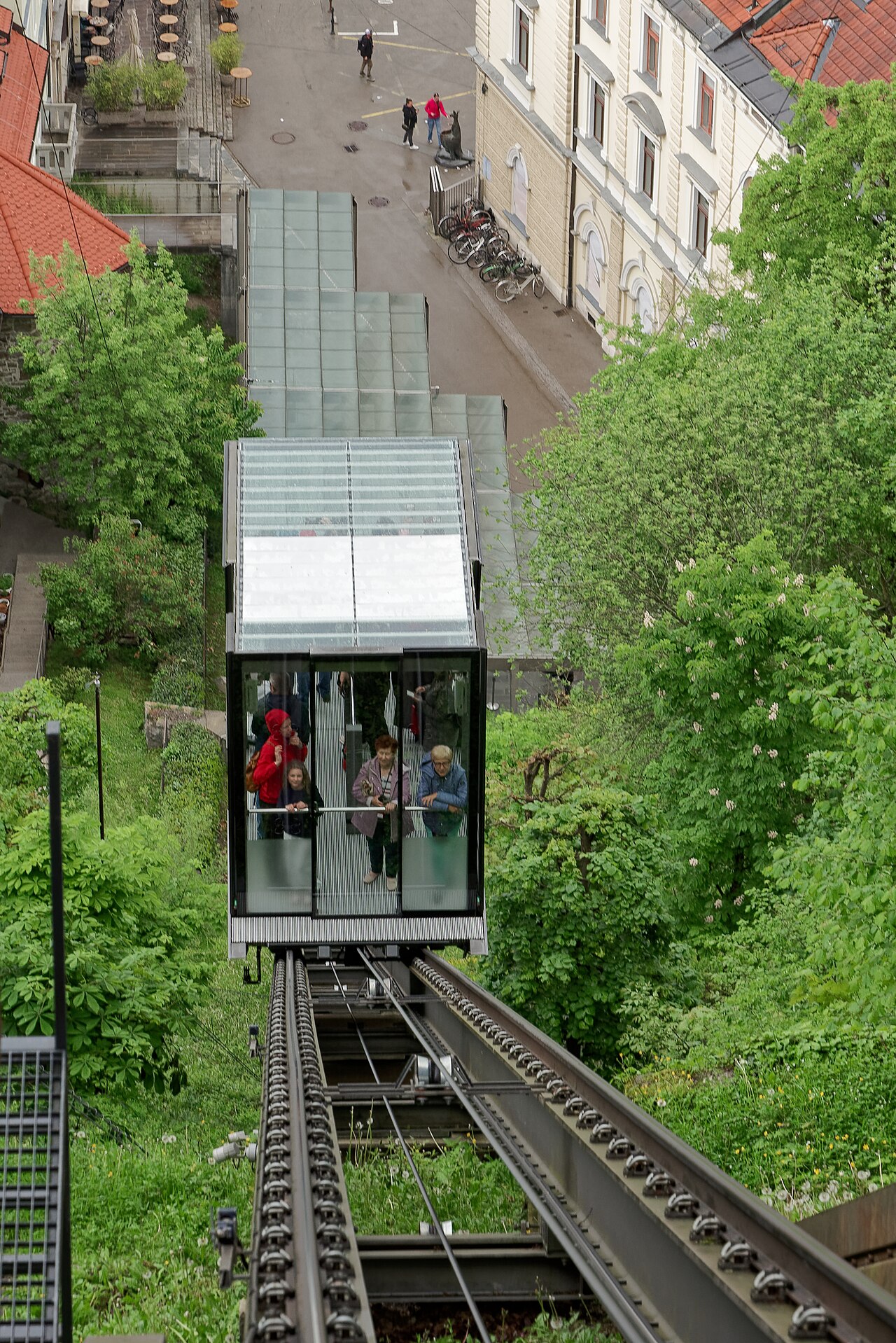
Ljubljana
Lights along the river and stalls on the embankments of the small, walkable old town.
 Estonia
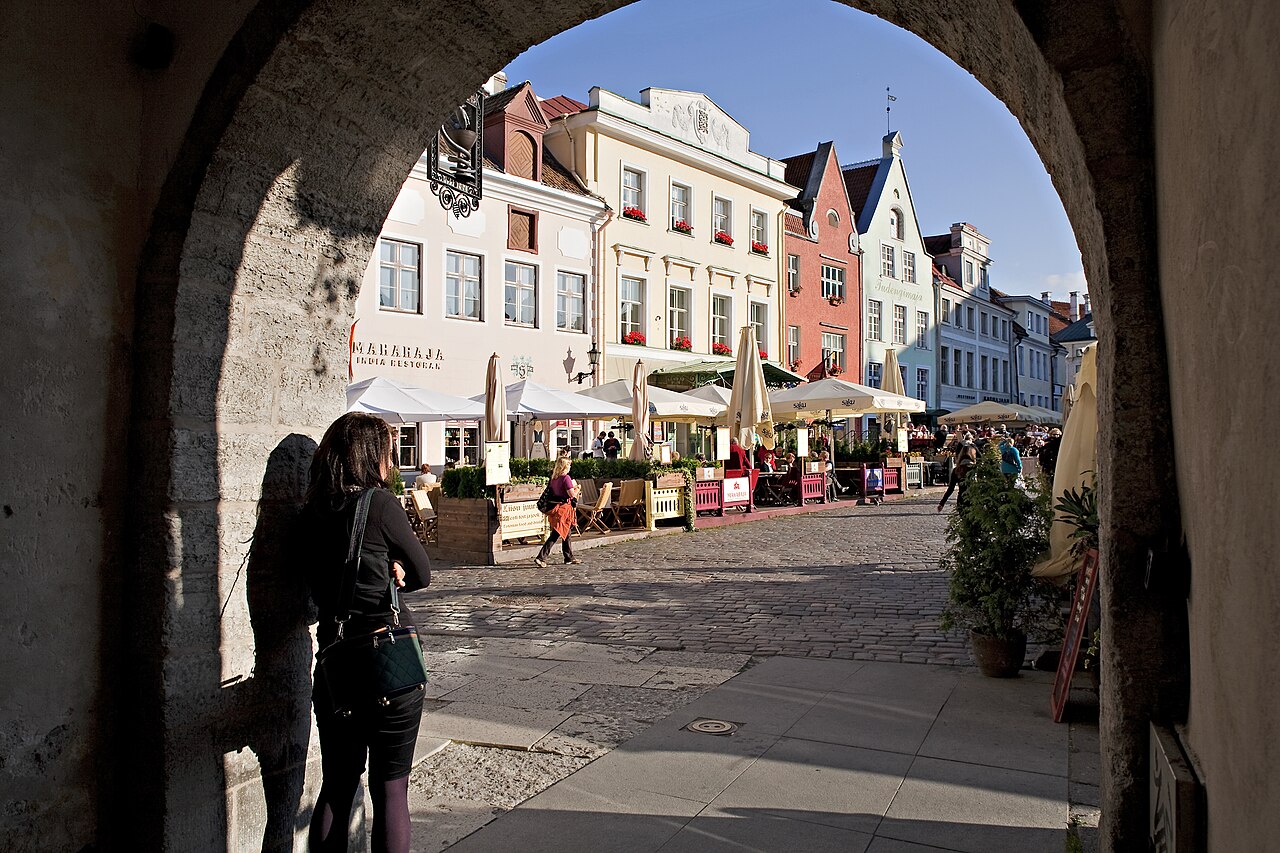
Tallinn
Town Hall Square in the medieval old town, which claims one of the first public Christmas trees.
 Latvia
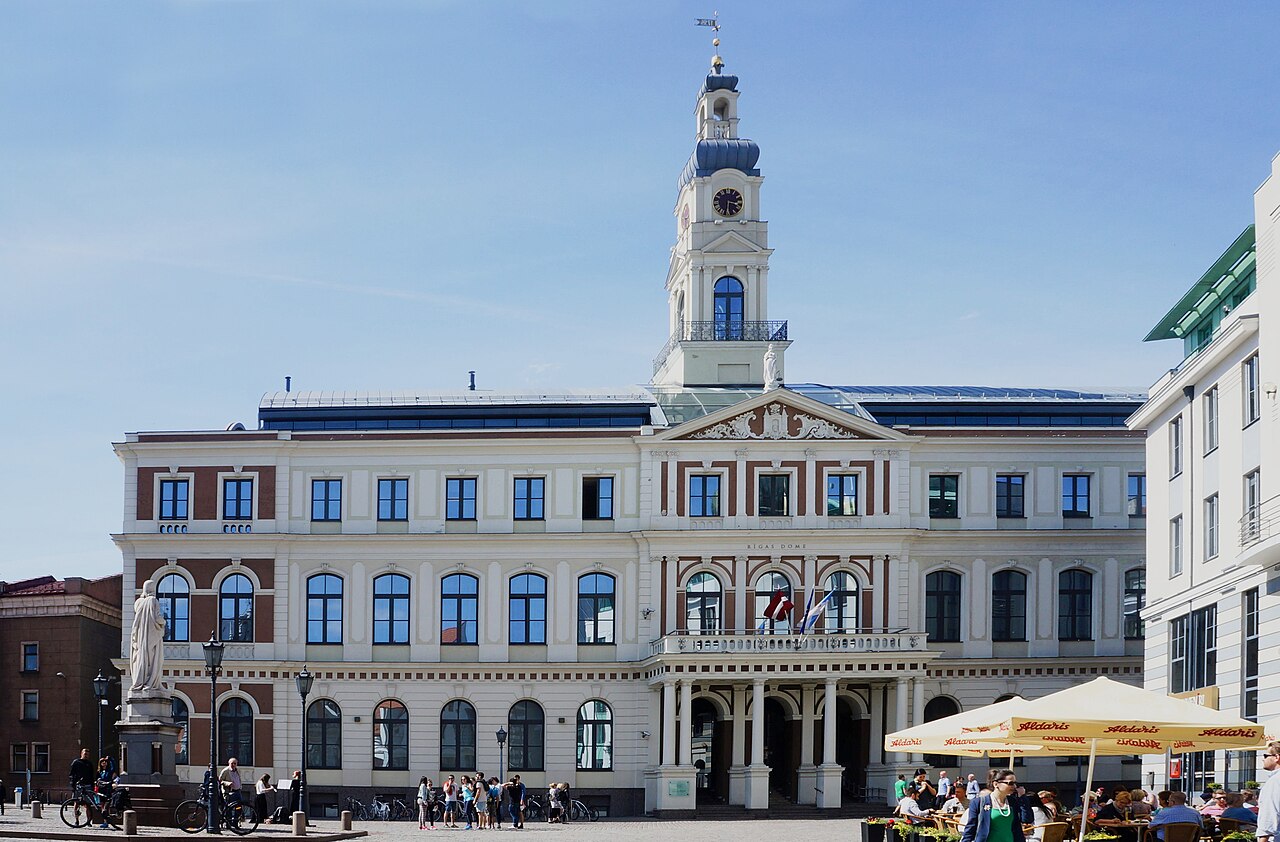
Riga
Riga also claims the first decorated Christmas tree, and holds its market on Dome Square.
 Lithuania
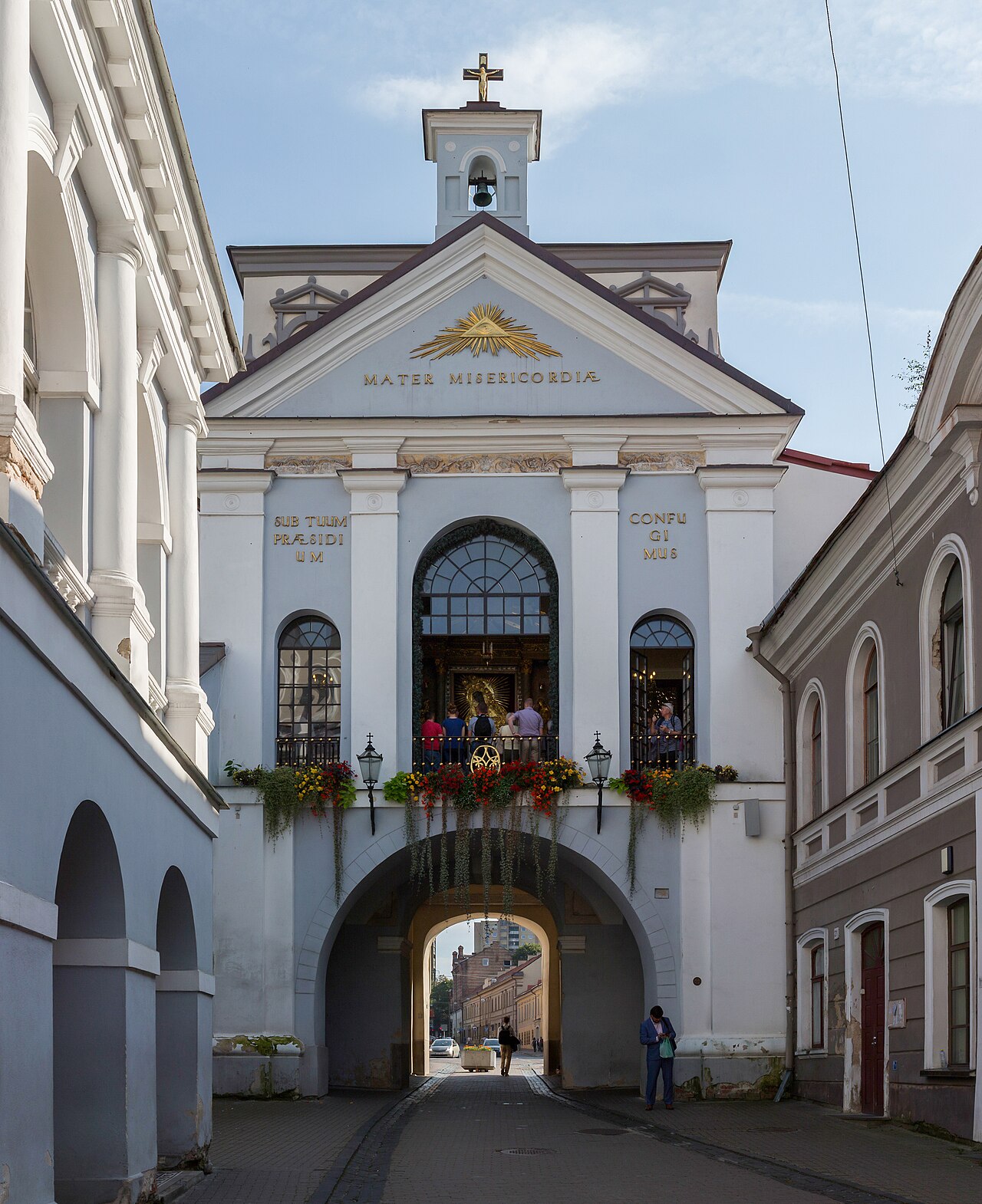
Vilnius
A tall tree and market on Cathedral Square in the baroque old town.
Scandinavia
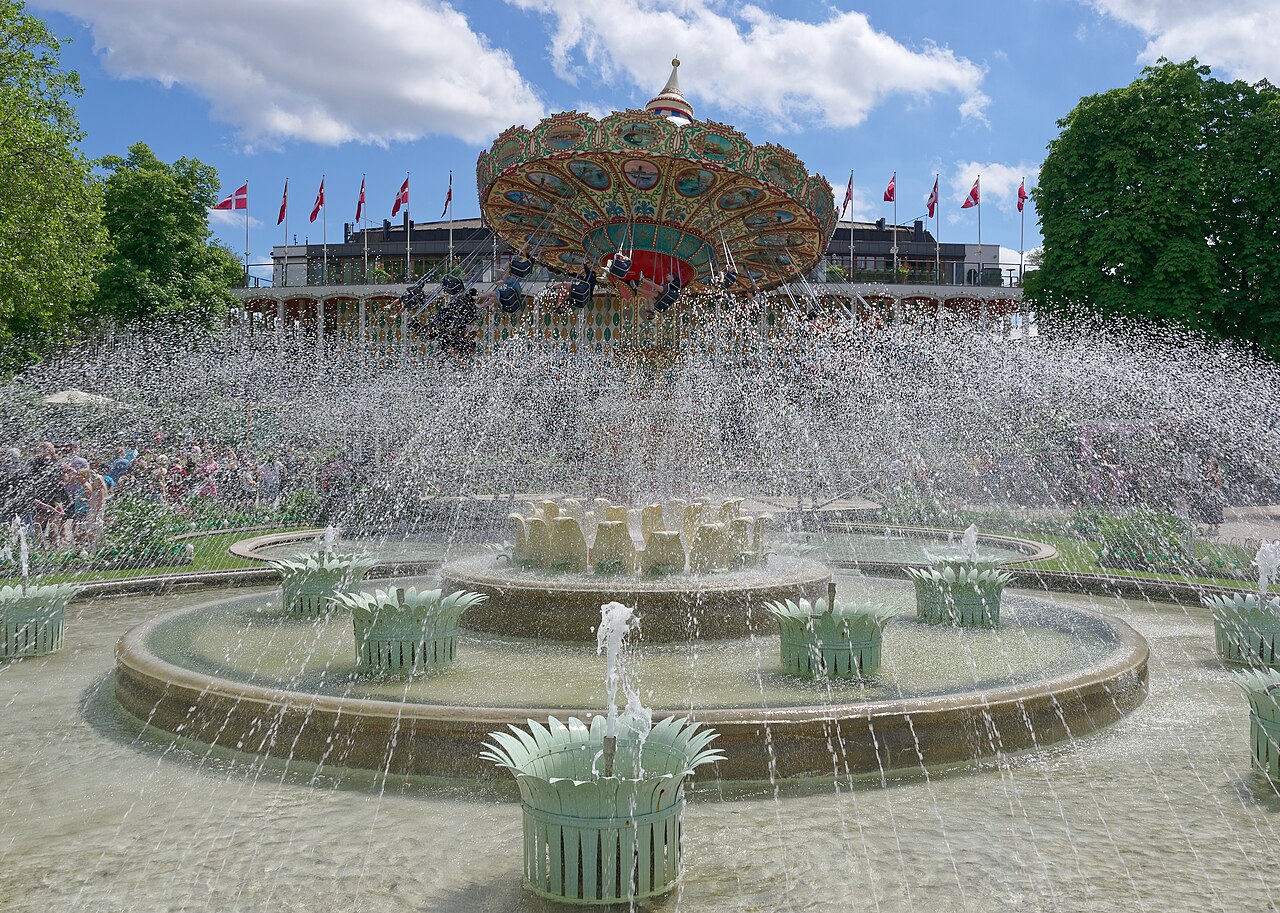 Denmark
Copenhagen
Tivoli Gardens turns into a Christmas world, and the harbour at Nyhavn fills with stalls.
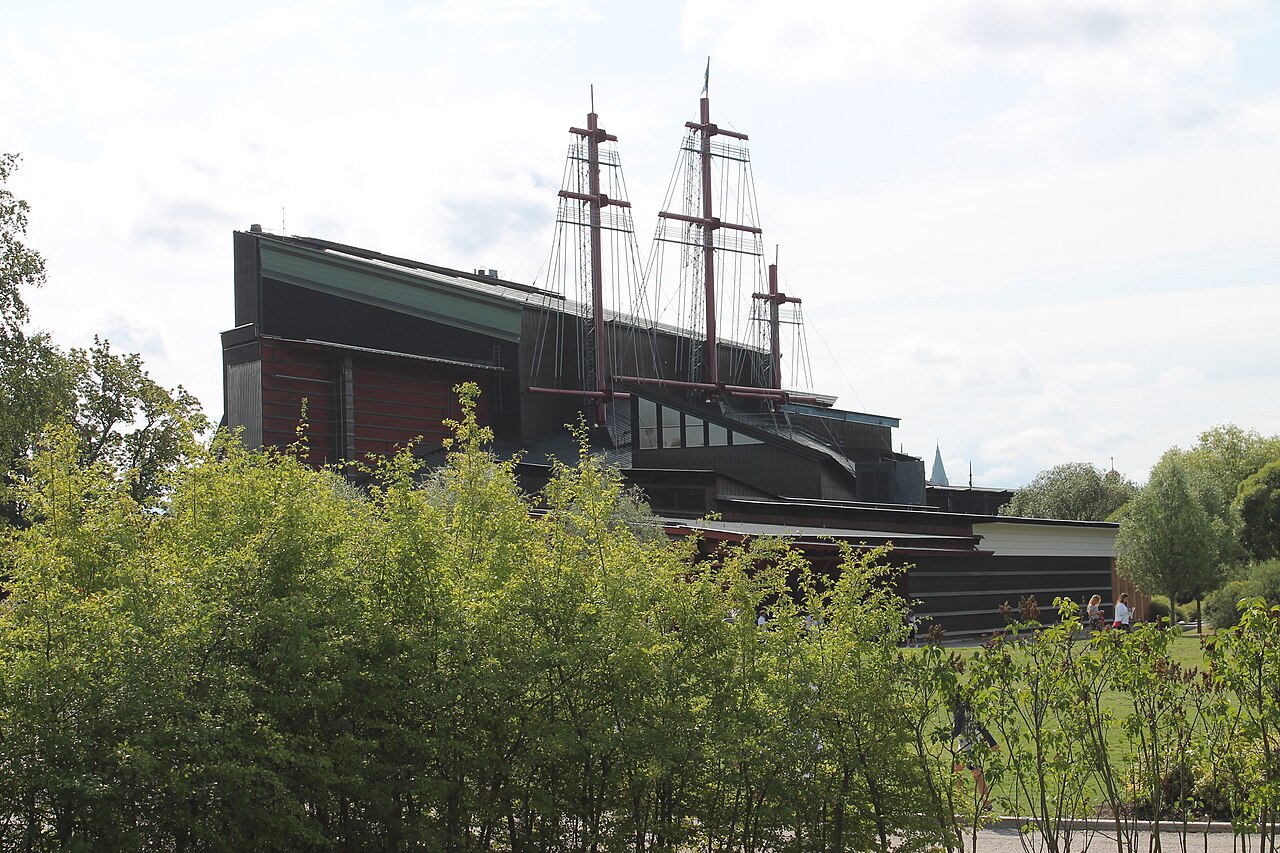 Sweden
Stockholm
Old-fashioned markets at the Skansen open-air museum and on Stortorget in Gamla stan.
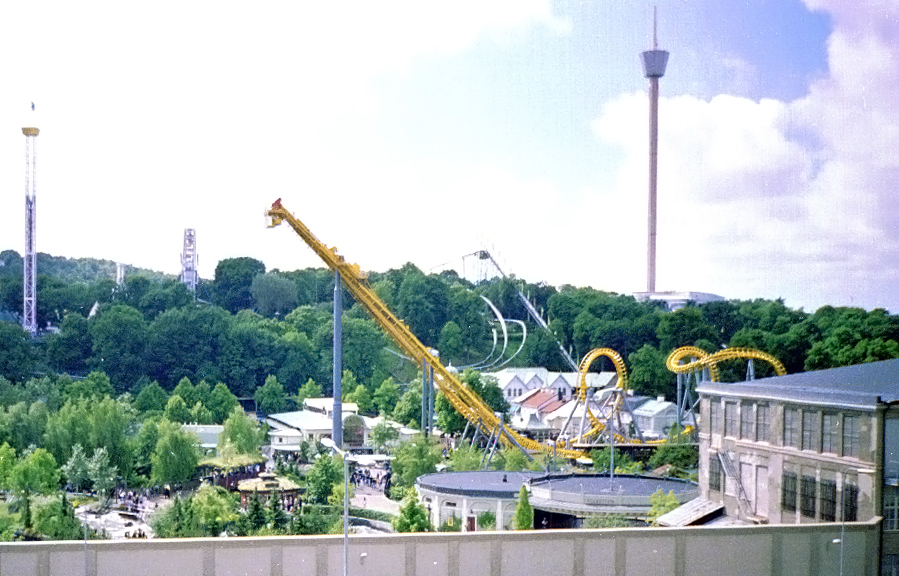 Sweden
Gothenburg
The Liseberg amusement park puts on one of Scandinavia's biggest Christmas markets.
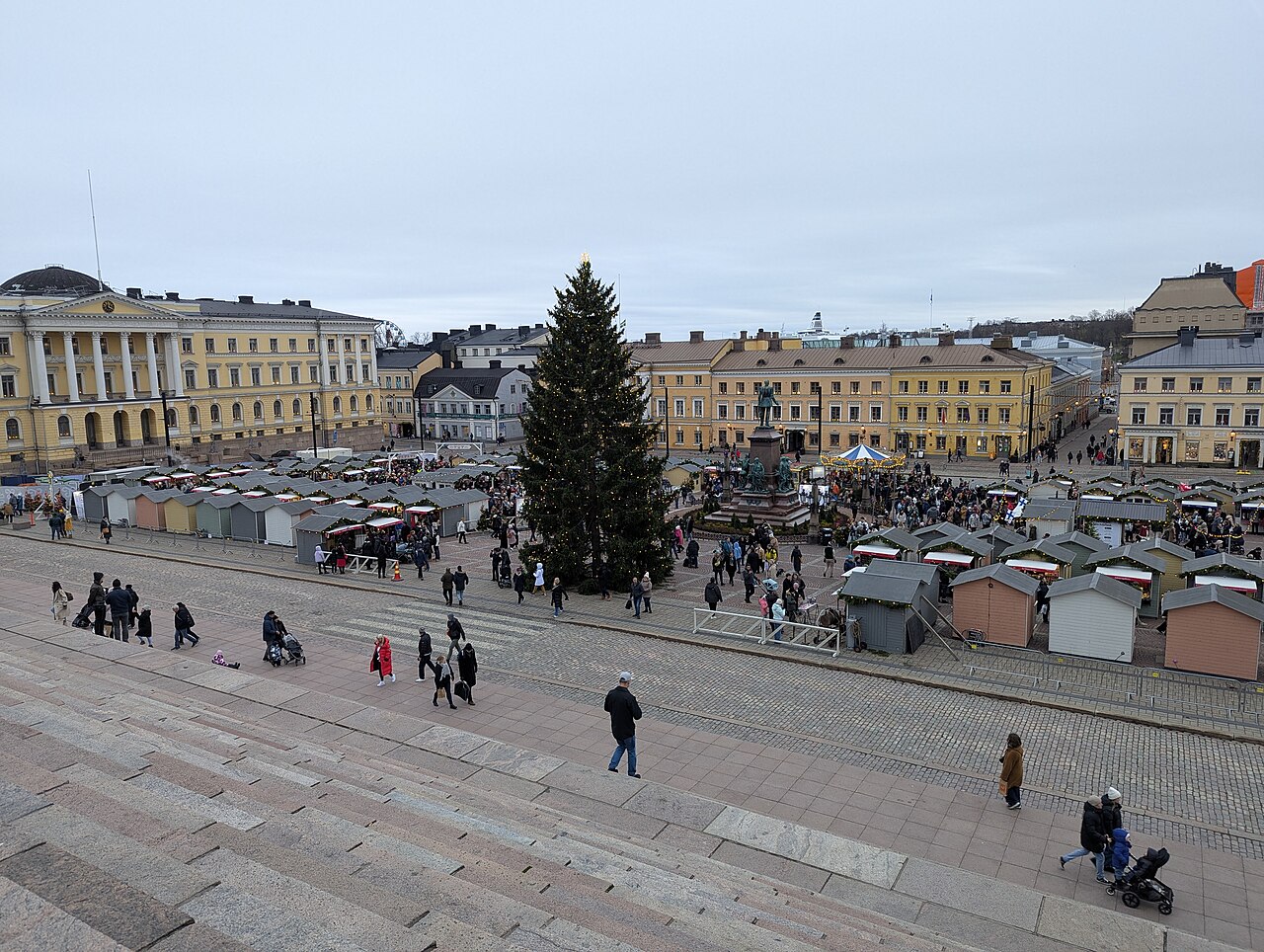 Market tour
Helsinki
The Christmas market on Senate Square, under the white cathedral.
Belgium, the UK & Ireland
 Belgium
Brussels
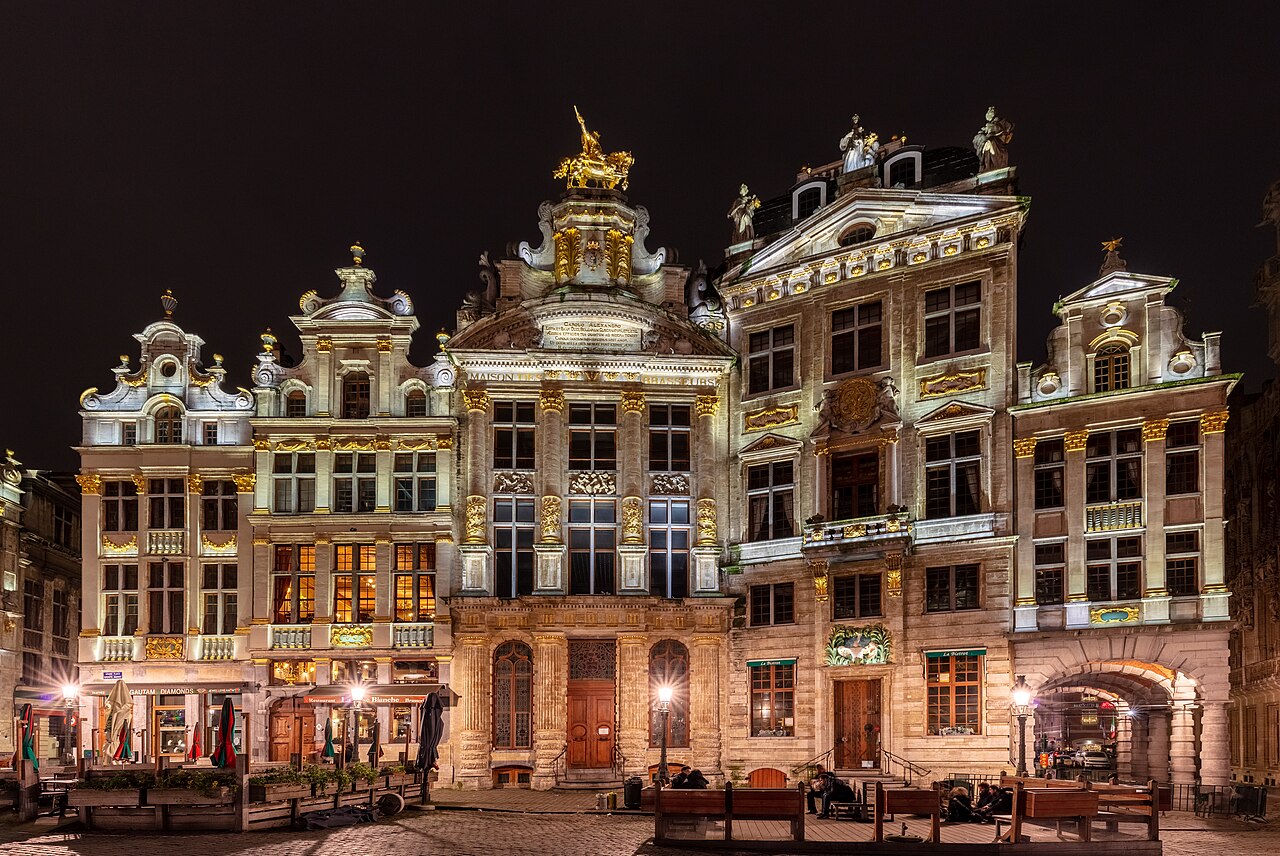
Winter Wonders runs from the Grand-Place, with its tree and light show, to Place Sainte-Catherine.
 Belgium
Bruges
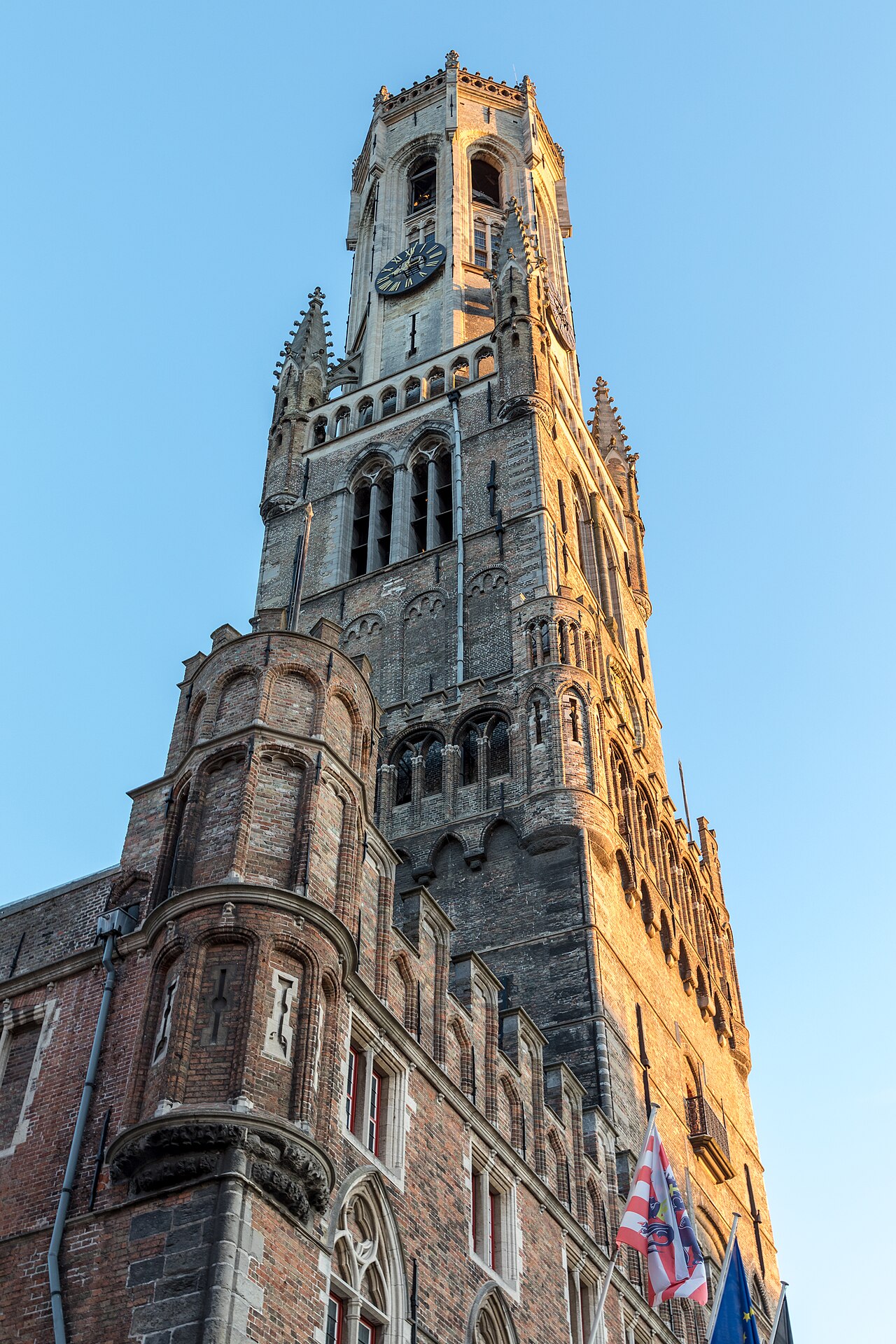
Stalls and skating on the Markt below the belfry.
 United Kingdom
Edinburgh
Princes Street Gardens, a big wheel and the castle lit up above.
 Market tour
Bath & the Cotswolds
Chalets of local makers around the abbey and the Roman Baths.
 United Kingdom
York
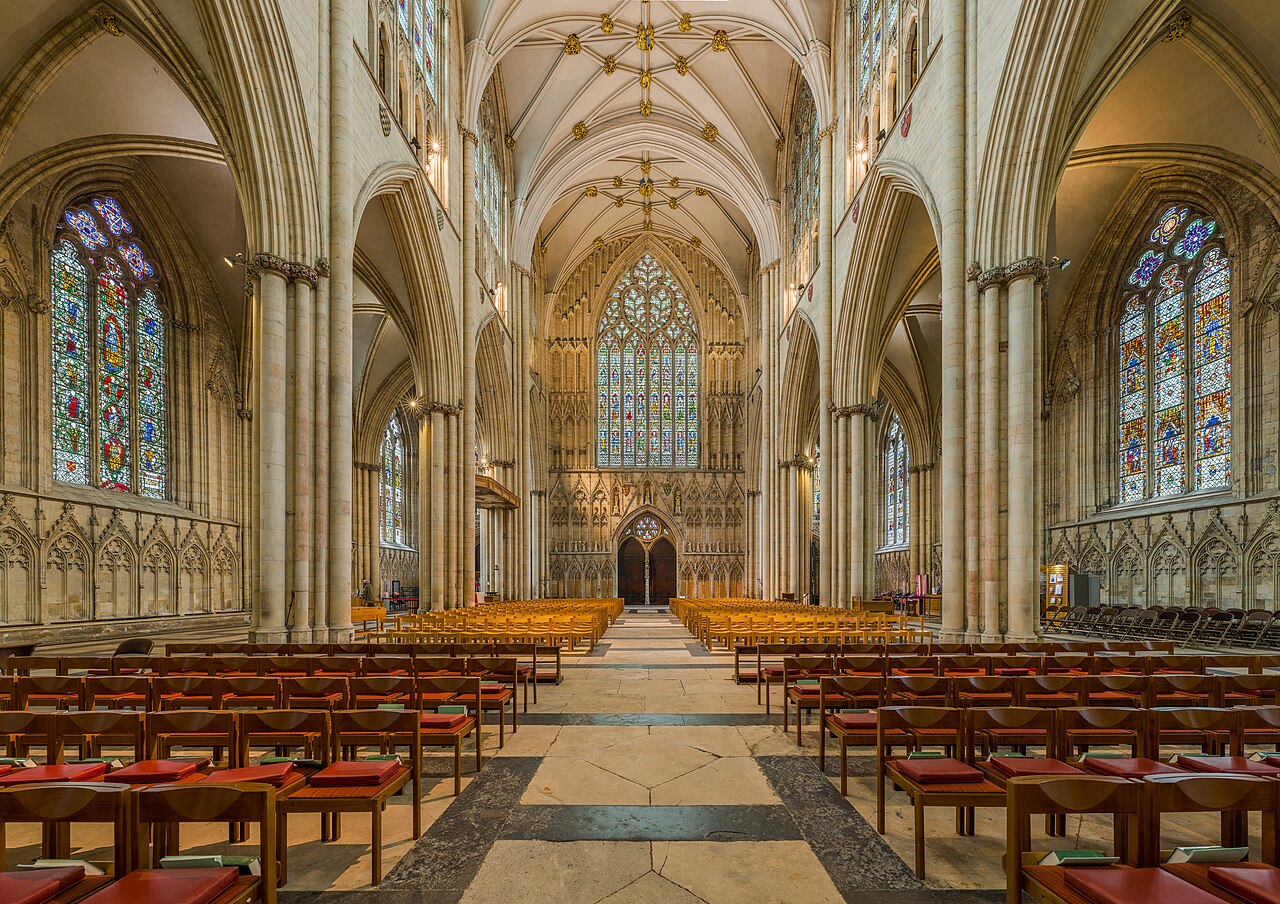
The St Nicholas Fair in the medieval streets around the Minster.
 United Kingdom
Manchester
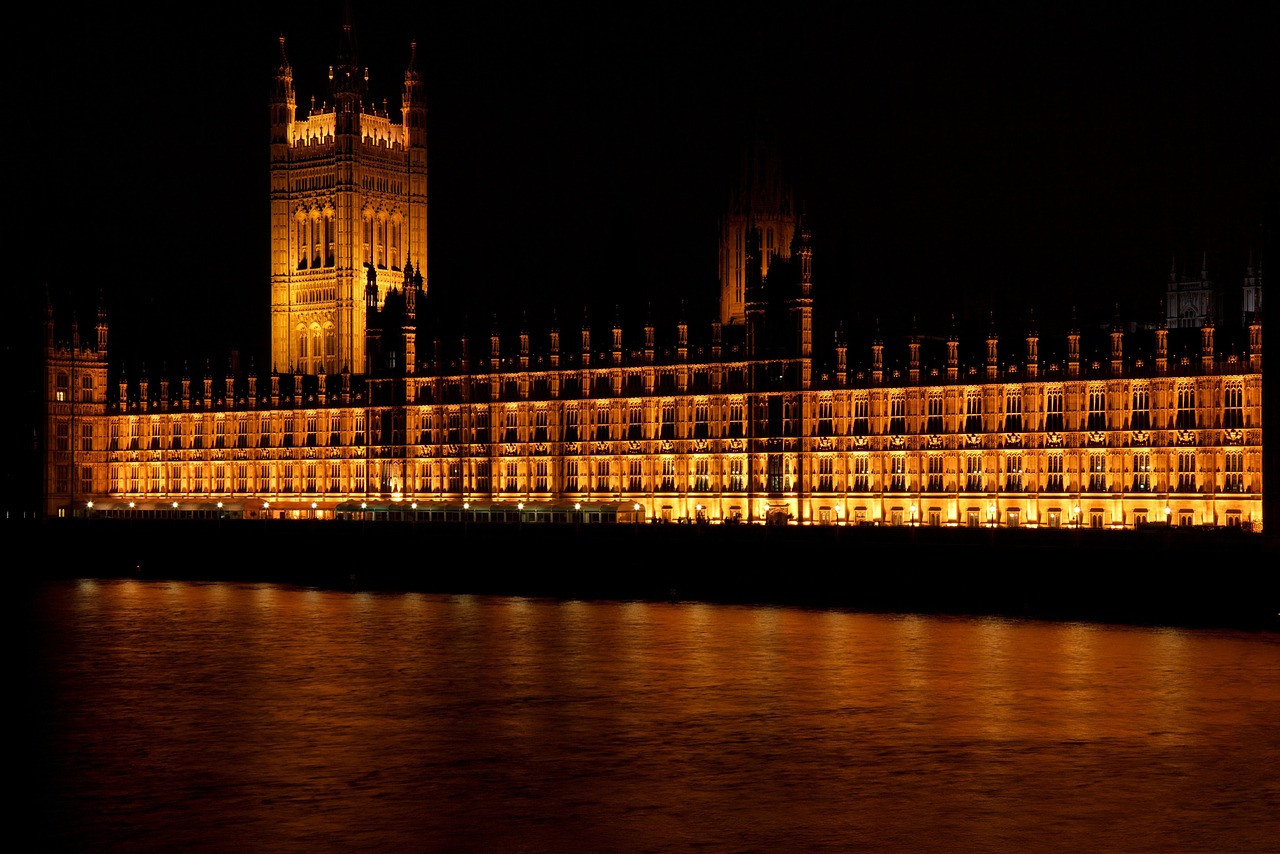
Markets spread across the city centre, one of the biggest in the UK.
 United Kingdom
London
Winter Wonderland in Hyde Park and smaller markets along the South Bank.
 Market tour
Galway & Cliffs of Moher
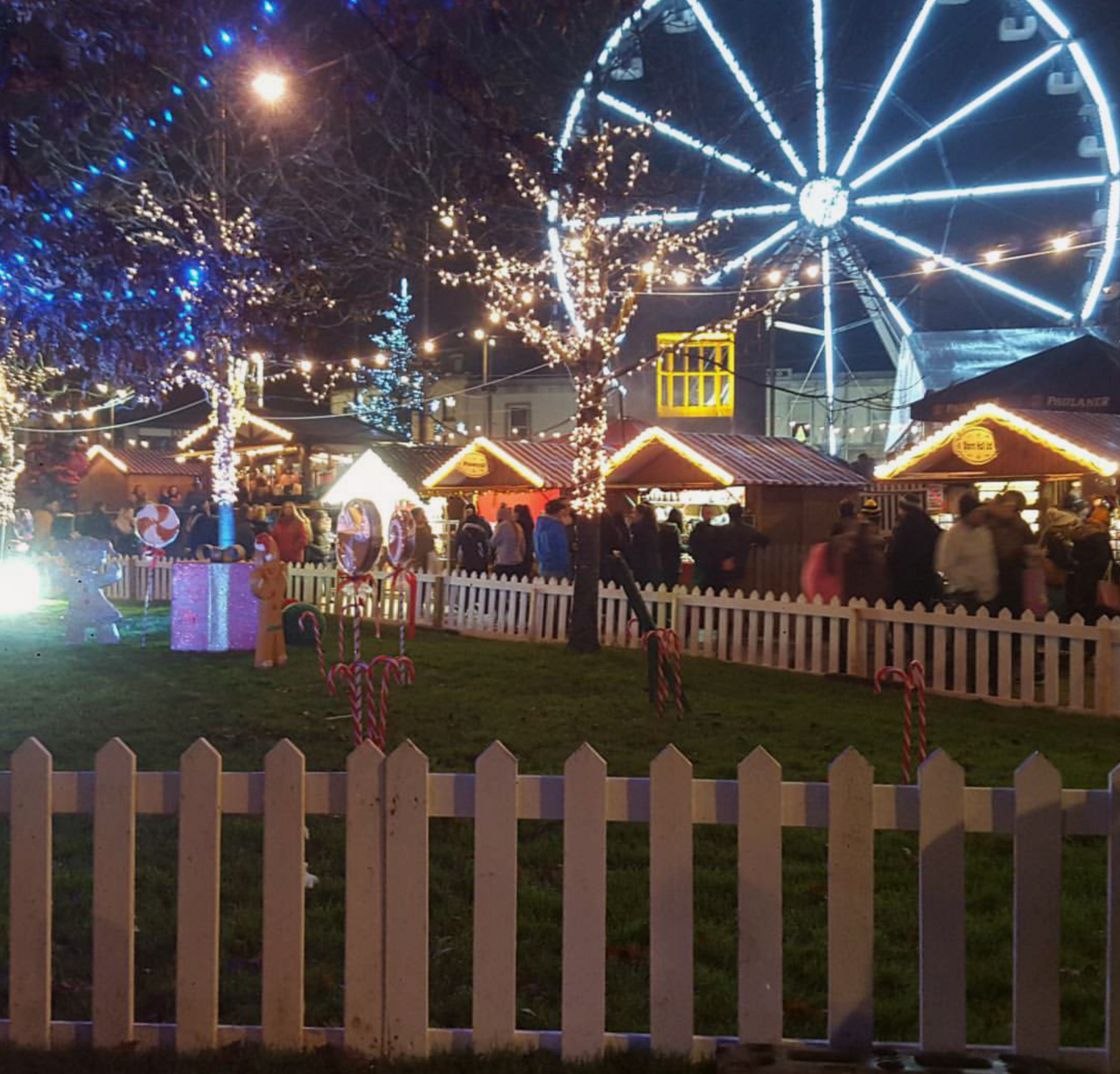
A lively market and big wheel on Eyre Square.
North America
 Market tour
Chicago
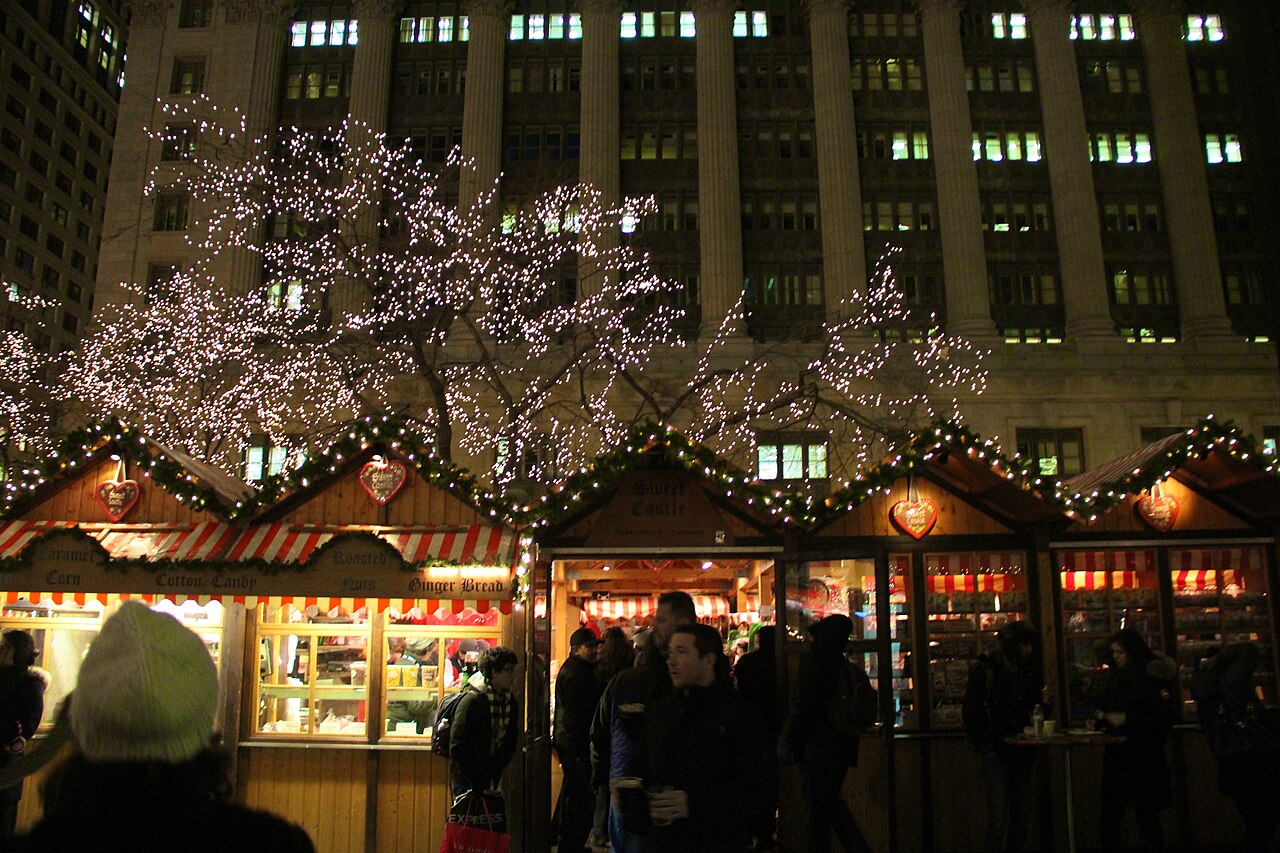
The German-style Christkindlmarket, with mugs that collectors come back for each year.
 United States
New York City
The Winter Village in Bryant Park, the Union Square market and the Rockefeller Center tree.
 Canada
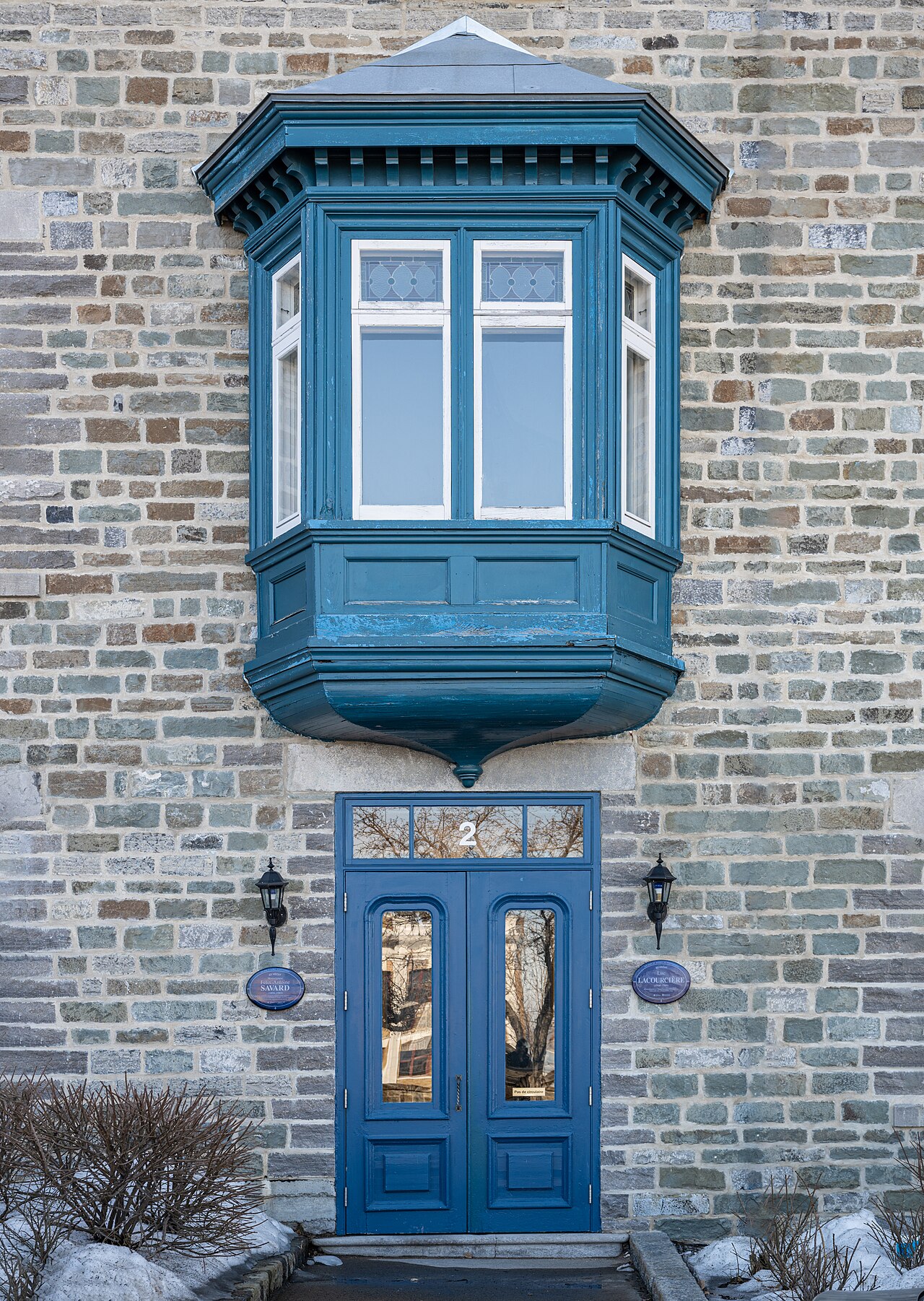
Quebec City
A German Christmas market in the snowy streets of the walled old town.
 Canada
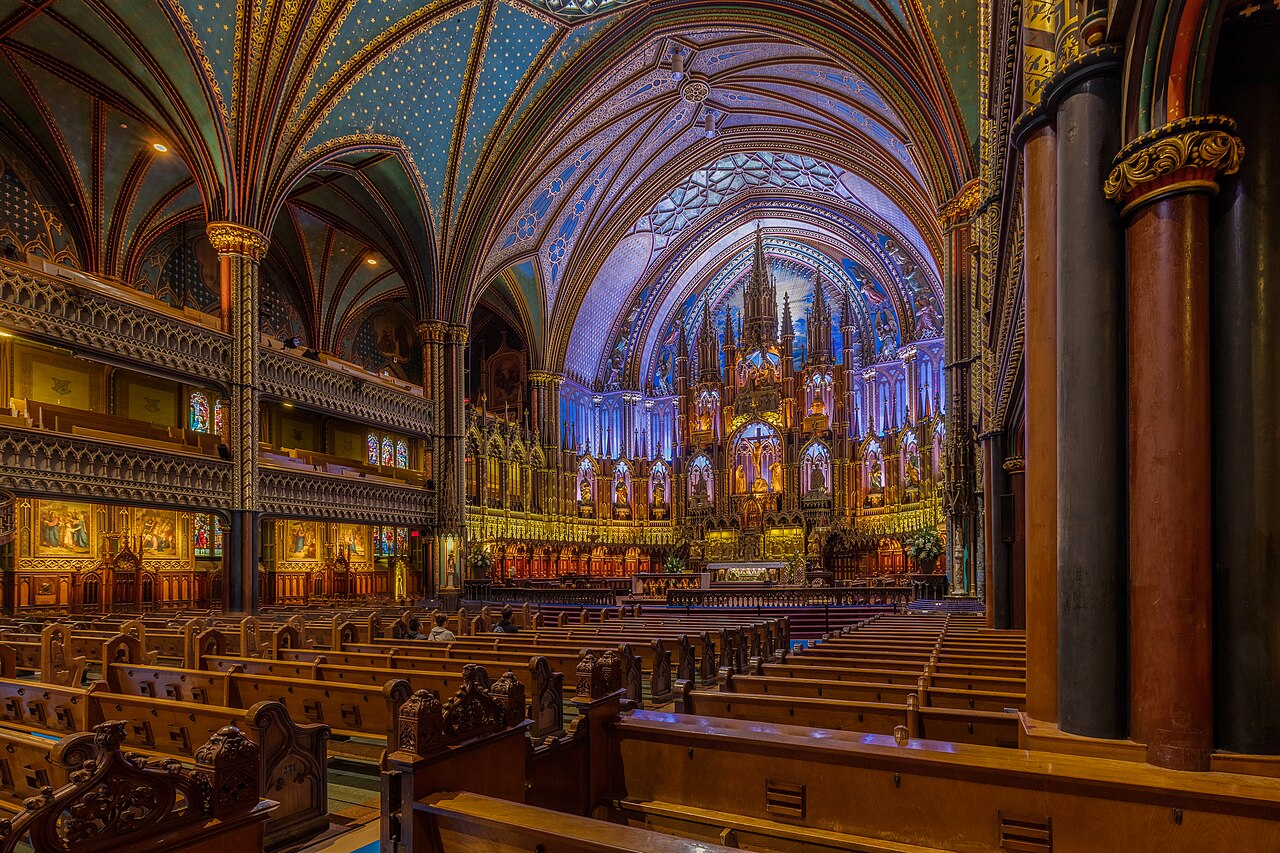
Montreal
Holiday markets and lights around the Old Port and the city centre.
Planning tips
A Christmas market is at its best when you treat it as an evening out rather than a shopping trip. Stalls sell hot mulled wine, grilled sausages, roasted nuts, gingerbread and handmade ornaments, and the real pleasure is wandering between them as the lights come on. Most open in late November and run until Christmas Eve or a little after, so first-weekend visits are quieter and the last weekends before Christmas are the busiest and most festive.
For a first trip, pick a compact region and base yourself in one city. Germany is the heartland, with Nuremberg, Dresden, Cologne and Munich among the classics, and the trains between them are frequent and easy. Alsace in France puts Strasbourg and Colmar close together, Vienna, Salzburg and Innsbruck make a lovely Austrian loop, and Prague, Budapest and Krakow offer lower prices and a different flavour. Choose a city with a market in its old square and a second one a short train ride away.
Eat as you go. Try the regional speciality at each stop, such as Nuremberg gingerbread, Dresden stollen, tarte flambee in Alsace or chimney cake in Central Europe, and sip mulled wine in the deposit mug that most markets use, which you can return or keep as a souvenir. For gifts, look for handmade wooden toys, candles, ceramics, woollen goods and local sweets, which are far nicer than the identical mass-produced items.
Crowds are the main hazard. Visit in the late afternoon and early evening for the lights, but go on a weekday if you can, since Friday and Saturday nights are packed. Wear warm layers, waterproof shoes and gloves, and carry a little cash, because some stalls do not take cards. Book accommodation early, as hotels in popular markets fill months ahead, and allow extra time for stations and trains on busy weekends.
Questions
When is the best time to visit Christmas markets?+
Late November to early December gives you the best balance of atmosphere and space. Markets usually open in the last week of November, and the first weeks are calmer than the final weekends before Christmas. Weekdays are quieter than weekends, and late afternoon gives you the lights. Check each market's own dates, as they vary by city.
Which city has the best Christmas market?+
It depends on what you like. Nuremberg and Dresden are famed for tradition, Strasbourg and Colmar for a fairytale setting among half-timbered houses, Vienna for grandeur, and Prague and Budapest for value and atmosphere. For a first trip, a pair or trio of nearby towns in one region usually beats trying to find a single best market.
How many days do I need for a Christmas markets trip?+
Three or four days is enough for one city plus an easy day trip, while five to seven days suits a small circuit such as Bavaria or Alsace. Most markets can be seen in a couple of hours, so the extra time is for the old town, museums and food. Trains between nearby cities make an itinerary easy to build.
Should I bring cash to a Christmas market?+
Yes, carry some, even though cards are accepted more widely each year. Many small stalls, especially those run by individual makers, prefer cash or have patchy card machines, and queues can be long at busy times. Bring small notes and coins, and keep your valuables secure in a crowd.