City breaks
Canadian city breaks
From maritime harbours to prairie capitals: the best Canadian cities for a few days, with food, museums and nature close by.
Ontario
CanadaToronto
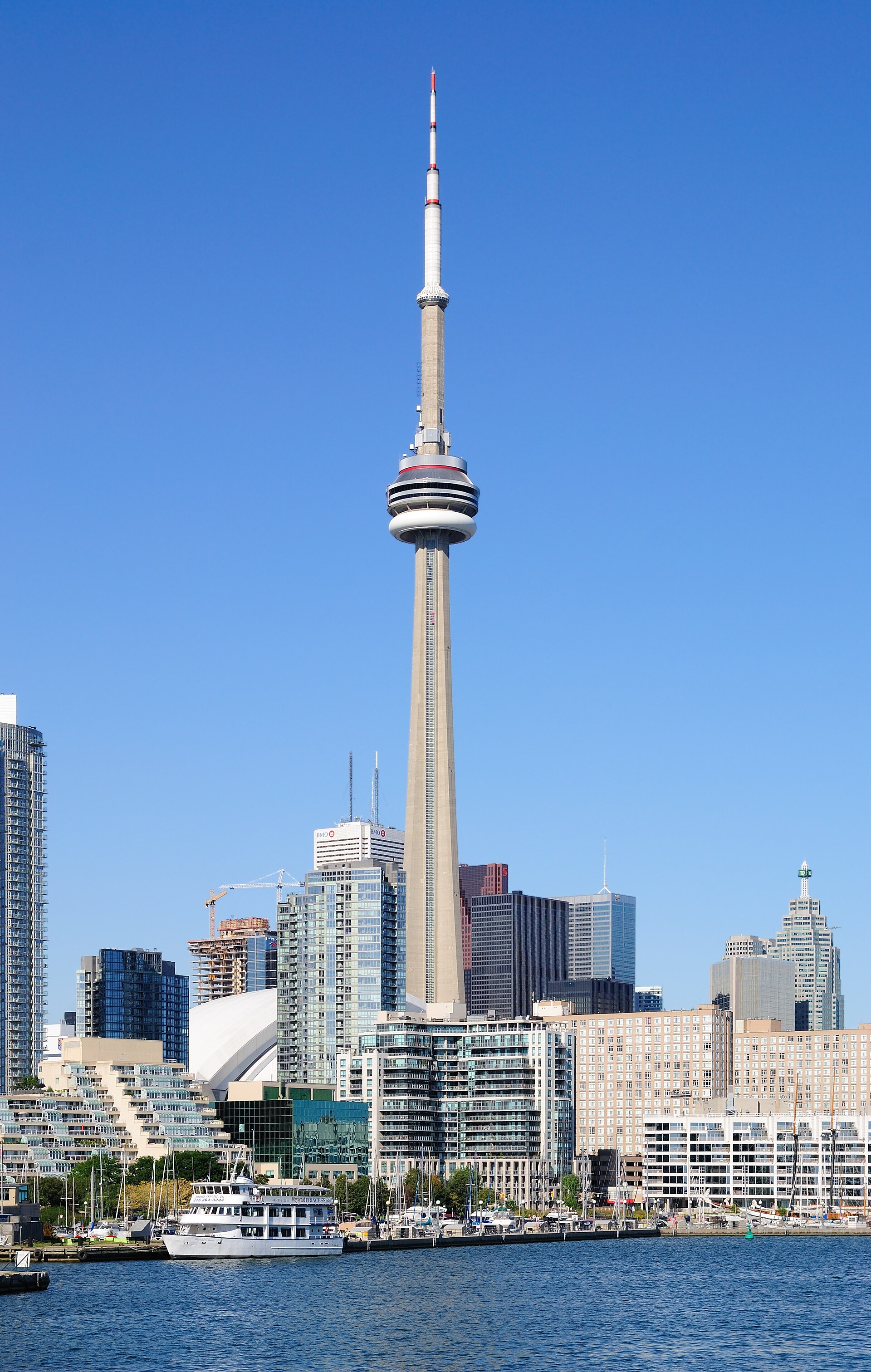
The CN Tower, Kensington Market and food from everywhere.
 Canada
Ottawa
Parliament, national museums and skating on the Rideau Canal in winter.
 Canada
Kingston & 1000 Islands
A limestone city and island cruises on the St Lawrence.
 Canada
Stratford (Ontario)
A summer theatre festival in a riverside town.
The Prairies & the West




Atlantic Canada


Planning tips
Canadian cities are far apart, so the best city break usually picks one region and stays there. Toronto is the obvious choice for first-timers who want food, theatre, museums and neighbourhoods from every corner of the world, and it works well alongside Niagara or a short rail hop to Ottawa. Ottawa is smaller and calmer, ideal for travellers who love national museums and a walkable capital, and it is especially charming in winter when the Rideau Canal becomes a skating route. Kingston and Stratford suit couples and slow travellers who prefer a small historic town to a metropolis.
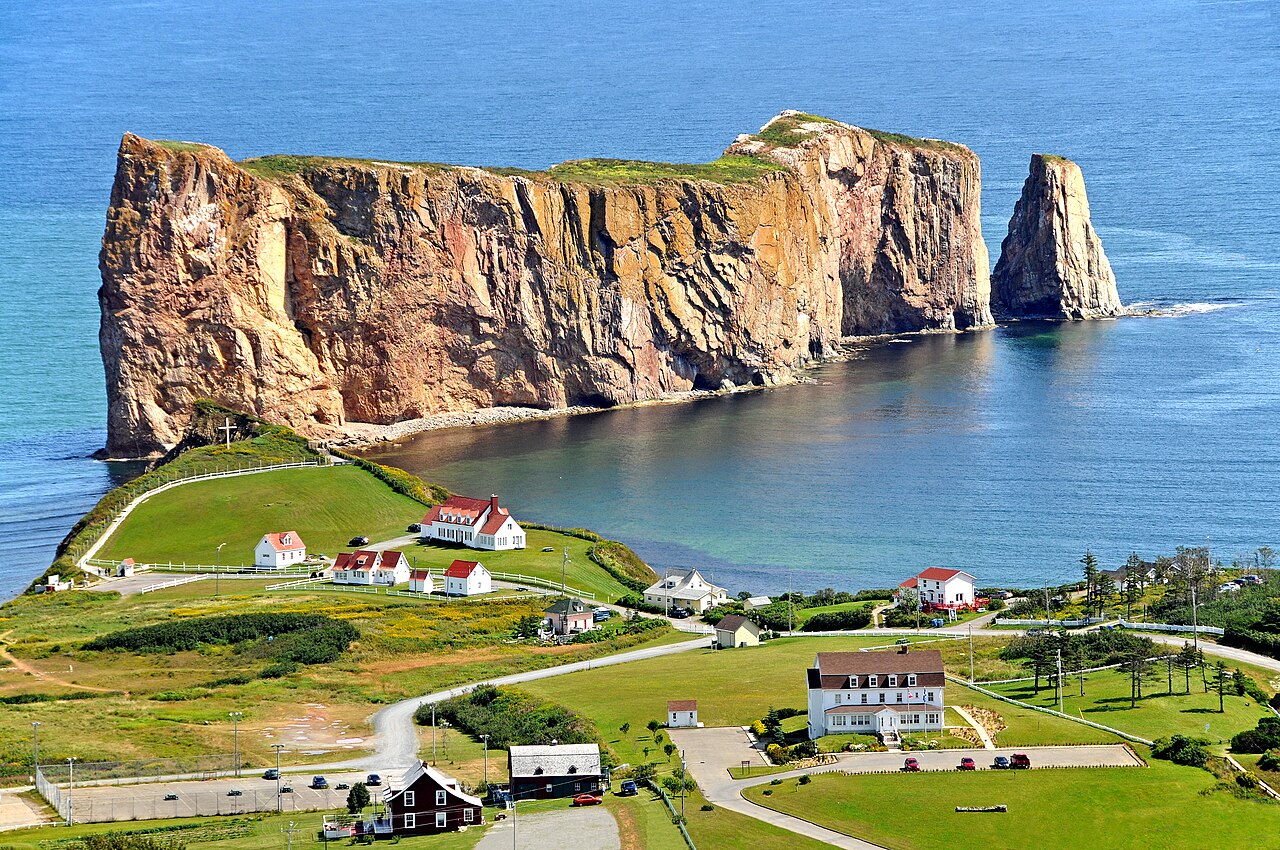
If mountains are the draw, Calgary is the practical base: you can combine a couple of city days with the Rockies, though you will want a car or a tour to reach Banff comfortably. Edmonton and Winnipeg are best for travellers who enjoy museums, festivals and a local, unhurried feel rather than headline sights. On the Atlantic side, Halifax and St. John's are the pick for seafood, live music and sea views, and both pair naturally with coastal drives. Bay of Fundy and Gaspe are really nature trips, so treat them as add-ons for a road trip rather than a pure city stay.
Season matters more in Canada than almost anywhere. Summer is the easy time for festivals, patios and coastal scenery, and early autumn brings colour in Ontario and Quebec with fewer crowds. Winter is cold, but it suits skating, cosy restaurants and ski access, as long as you pack properly and allow for snow delays. Spring can be unpredictable, especially in the Atlantic provinces, where fog and chilly winds linger.
Allow two or three nights for most cities, and add extra time when you want a day trip. Distances are big, so check flight or train times before you stack two cities, and consider a car in the Prairies and Atlantic Canada. Book summer festivals and Calgary's biggest events well ahead, and remember that some attractions in smaller towns close or reduce hours in the off-season.
Questions
Which Canadian city is best for a first visit?+
Toronto is the easiest first choice, with a huge range of food, museums, theatre and neighbourhoods, plus Niagara within day-trip distance. Ottawa is a good calmer alternative if you prefer national museums and a walkable centre. If you want mountains nearby, Calgary is a strong base for the Rockies.
How many days do I need in a Canadian city?+
Two to three nights is enough for most Canadian cities, giving you time for the main sights, a good meal or two and a wander. Add a day for excursions such as Banff from Calgary, Niagara from Toronto or the Bay of Fundy from the Maritimes. Long distances between cities mean it is better to do fewer places well.
When is the best time to visit Canada for a city break?+
Summer is the easiest season, with festivals, patios and long daylight. Early autumn is lovely for colour and quieter streets. Winter is cold but suits Ottawa's skating and ski trips from Calgary, provided you pack warm layers. Spring is changeable, especially on the Atlantic coast, so build in flexibility.
Do I need a car to explore Canadian cities?+
Not in the larger downtowns. Toronto and Ottawa are easy with public transport and walking, and Halifax's centre is compact. A car becomes useful for Calgary's mountain trips, the Prairies, the Bay of Fundy and Gaspe, where public transport is limited. Check parking costs at your hotel before you book a rental.