Accra is a great city for eating, and much of the best food is cheap, quick and cooked in front of you. Ghanaian cooking is built on rich stews and soups, starchy sides pounded or fermented from cassava, plantain, maize and yam, hot pepper sauces and plenty of fish. The dishes below are the ones to look for, together with practical advice on how to enjoy them safely and where the city's food culture comes together.
Jollof rice
The dish that starts arguments across West Africa. Ghanaian jollof is rice cooked in a spiced tomato and pepper base, usually served with chicken, fish or beef and a side of salad, fried plantain or coleslaw. Everyone has an opinion about whose is best, and trying it at a few places is part of the fun. If you want to understand how it is made, the home cooking class in Osu teaches jollof alongside soup, fufu and kelewele.
Waakye
A breakfast and lunch staple, waakye is rice and beans cooked together until the rice turns a deep reddish-brown. It is served with a pile of sides, which might include fried fish, boiled egg, spaghetti, gari (grated cassava), a spicy shito pepper sauce and sometimes meat. Look for stalls with queues in the morning, where the pot has been simmering since early and the turnover is high.
Fufu, banku and kenkey
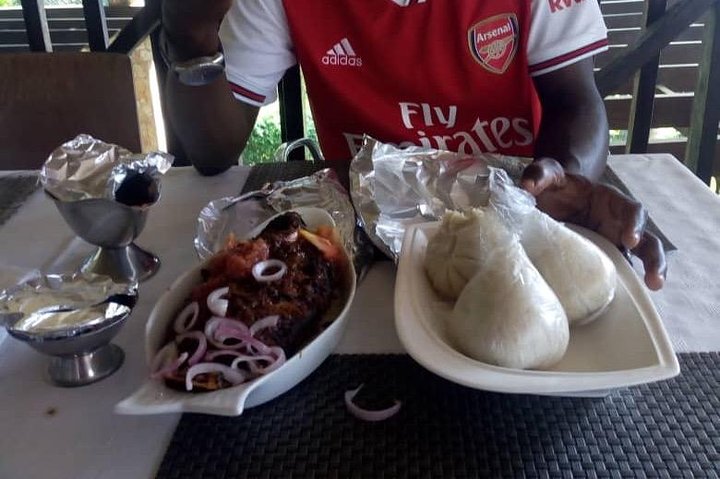
These are the starchy staples that carry the soups. Fufu is pounded cassava and plantain, shaped into a smooth ball and eaten with light soup, groundnut soup or palm nut soup. Banku and kenkey are made from fermented corn and cassava dough, and they are traditionally served with grilled tilapia and a fiery pepper sauce, or with fried fish and shito. Eat with your right hand, tearing a small piece, rolling it and dipping it into the soup. Fufu pounded by hand is tough work, as visitors to a cooking class soon discover.
Red red, kelewele and street snacks
Red red is a stew of black-eyed peas cooked in red palm oil, served with fried ripe plantain. Kelewele is cubed plantain fried with ginger, pepper and spices, sold on street corners in the evening and a favourite late snack. Grilled skewers of spiced meat, often called kebab or chichinga, and roasted plantain with groundnuts are also easy to find. Fried yam with pepper sauce makes a good light meal.
Markets and where to eat
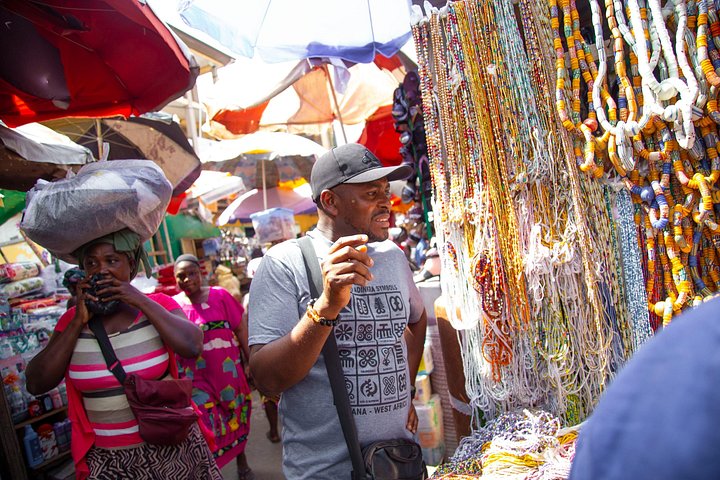
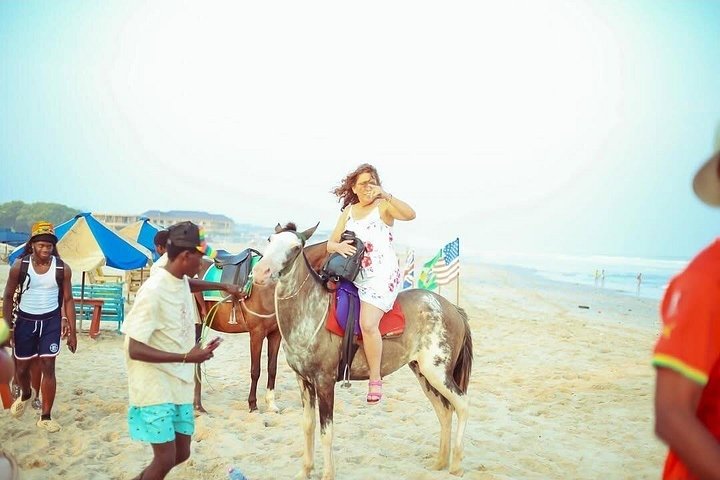
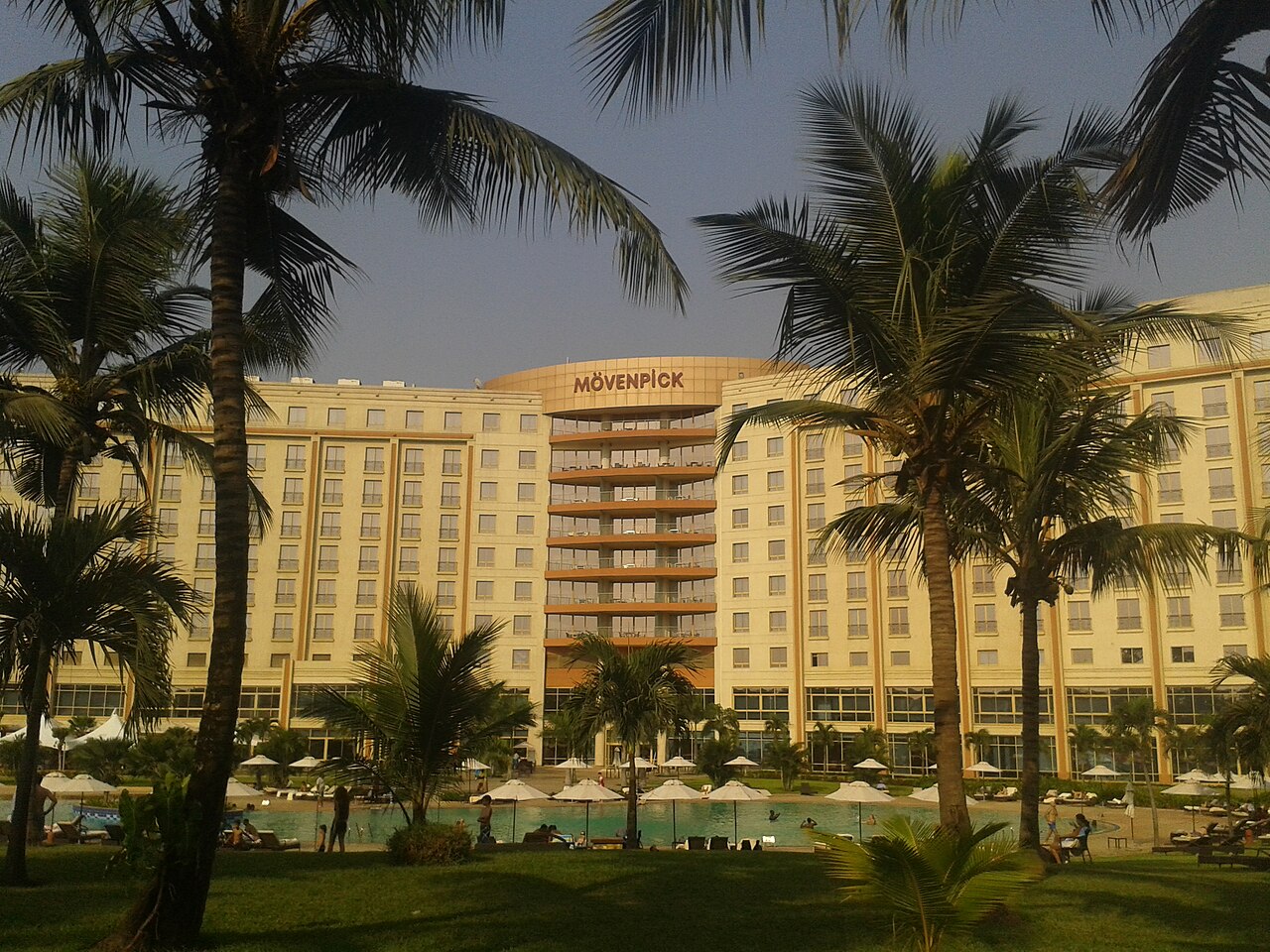
Makola Market is the heart of everyday food in Accra, with stalls selling fresh produce, spices, smoked fish and prepared dishes. A guided walk helps you navigate it and try small tastings. Osu is the neighbourhood for restaurants, cafes and nightlife, with Oxford Street as its busiest strip, and it offers everything from local chop bars to international menus. Near the sea at Jamestown and Labadi, you will find grilled fish and live music at weekends. Hotels such as the Kempinski and the Mövenpick Ambassador also run good restaurants if you want air conditioning and a quiet table.
Drinks
Sobolo is a chilled drink made from hibiscus petals, often spiced with ginger and cloves, and it is refreshing in the heat. Palm wine is tapped from palm trees and best tried fresh and from a trusted seller. Ghana also brews its own lagers, which are served very cold, and locally made spirits are common at bars. Bottled water is widely sold, and visitors are advised to drink it rather than tap water.
Eating safely
Choose busy stalls where food is cooked fresh and turned over quickly, and prefer dishes that are served hot. Ask for pepper on the side if you are unsure, since Ghanaian pepper sauces can be very strong. Wash or sanitise your hands before eating, especially when you are eating with your fingers, and carry small cedi notes, because stalls rarely have change for large bills. If you have allergies, learn the words for fish, groundnut and shellfish, as these are common ingredients.
A simple food plan
For a short stay, try waakye at breakfast, jollof and grilled fish at lunch, kelewele in the evening and a bowl of fufu with light soup one night. Add a cooking class on a slow morning, a market tour for tastings, and an evening in Osu. You will go home with new favourites and a few recipes.