Accra is hot and humid all year because of its position on the Gulf of Guinea, so there is no cold season to avoid. The question is really about rain, dust and crowds, and about which festivals you want to catch. The pattern below is a general guide that repeats every year, so you can plan with confidence and then check the forecast closer to your dates.
The dry season, November to March
This is the high season and the most comfortable time for sightseeing. Rain is rare or light, roads are easier on day trips to the coast and humidity is lower than at other times. Between roughly December and February the harmattan, a dry wind from the Sahara, can bring a dusty haze, cooler mornings and sometimes disrupted flights, though in Accra the effect is mild compared with the north. March is usually the hottest month, so plan outdoor sights early in the day. If you want to hike at Shai Hills, cruise on Lake Volta or walk the Kakum canopy, this is the best window.
The main rainy season, April to June
In the south, April to June are the wettest months. Rain often arrives in heavy bursts, sometimes flooding roads and slowing traffic, but between showers the city is green and the air is clearer. This is low season for tourism, so hotels can be better value and sights quieter. Pack a light rain jacket, allow extra time for transfers, and keep a flexible plan for outdoor days such as Aburi and Kakum. Paths at the canopy walk and the gardens can be slippery, so wear shoes with good grip.
July and August: a lull and a festival season
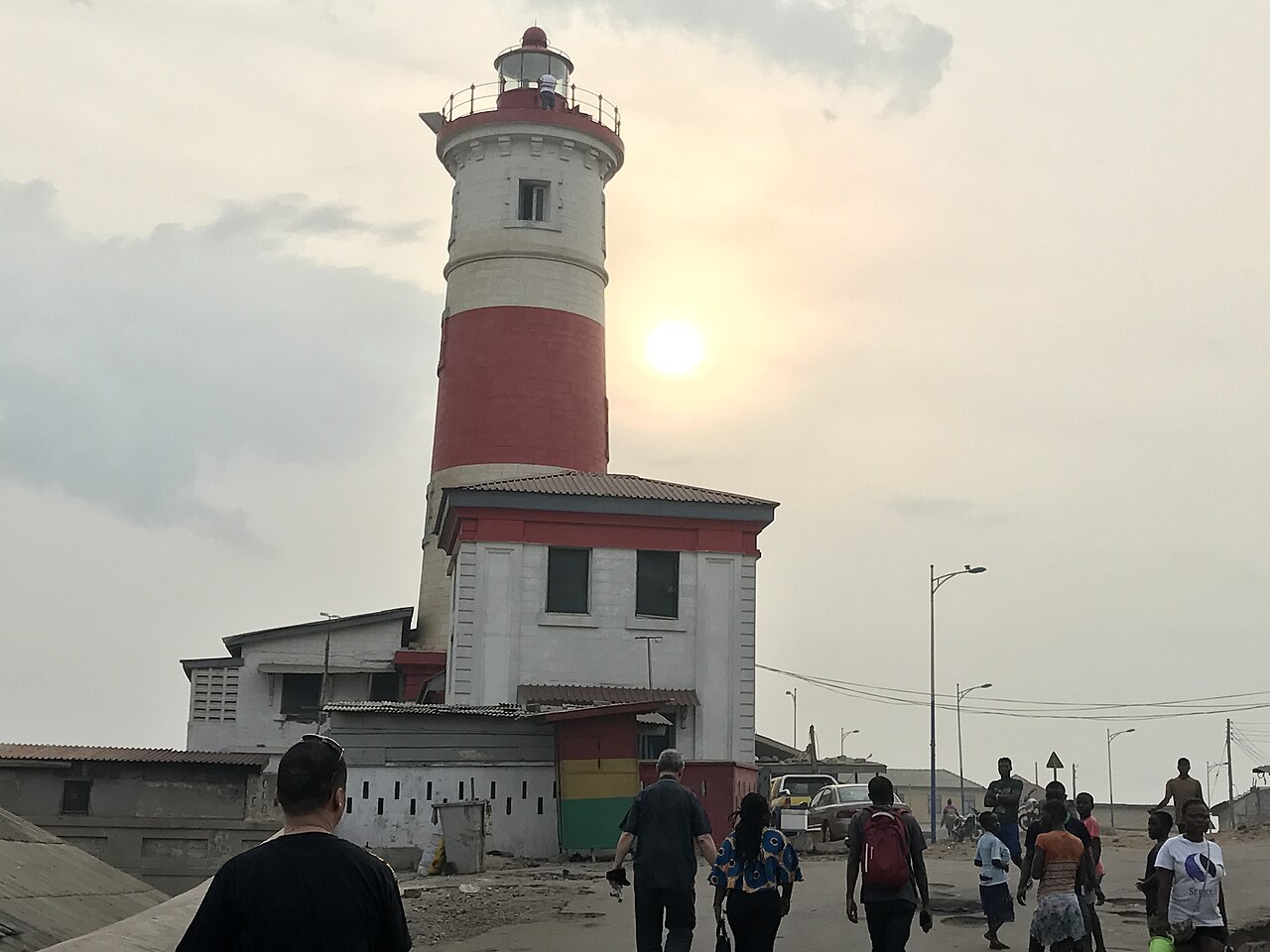
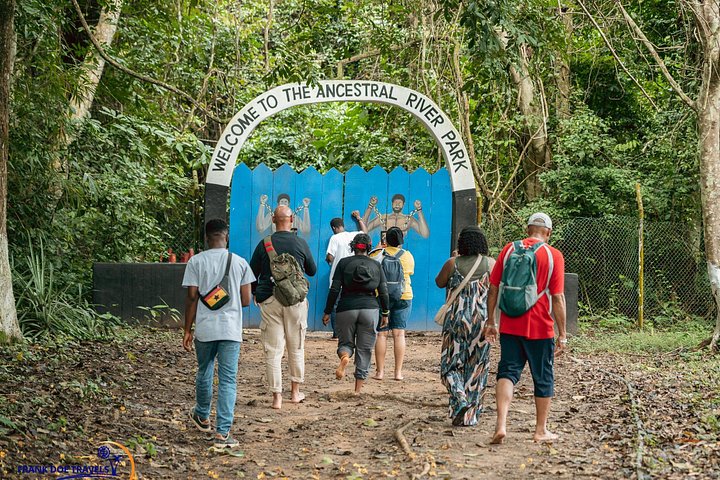
Rain eases in July and August, and the weather can be warm and often dry. This is a lively time culturally, with Republic Day on 1 July, a season of Pan-African and Emancipation Day events around Cape Coast, and the Emancipation Day durbar at Assin Manso on 1 August. Homowo, the harvest festival of the Ga people, takes place in Accra in August, and the Chale Wote Street Art Festival fills the streets of Jamestown with murals, music and performance. International visitors, especially from the diaspora, are more numerous in these months, so book hotels and tours ahead.
September and October: shoulder season
The shorter rains return in September and October, but they are lighter than the main season, and crowds are smaller. Harvest festivals are held in several regions, and prices can be good. This is a pleasant time for travellers who do not mind the occasional shower and want a quieter Accra.
December and the festive season
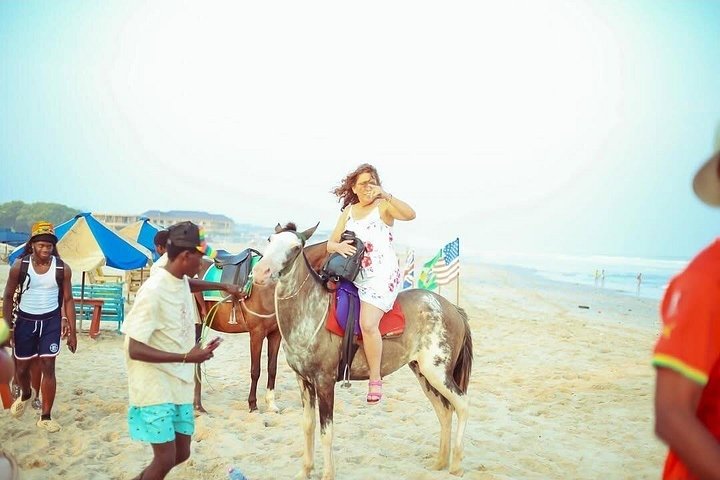
December is the busiest time in Accra, as Ghanaians living abroad return home and the city fills with concerts, parties and beach events, often known as Detty December. Expect higher hotel prices, heavier traffic and full restaurants, and book flights, hotels and tours early. The weather is dry and the atmosphere is excellent if you enjoy music and crowds.
Key dates across the year
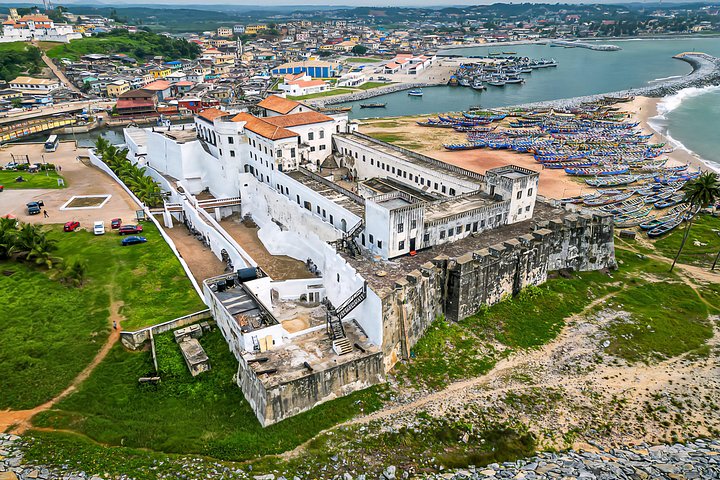
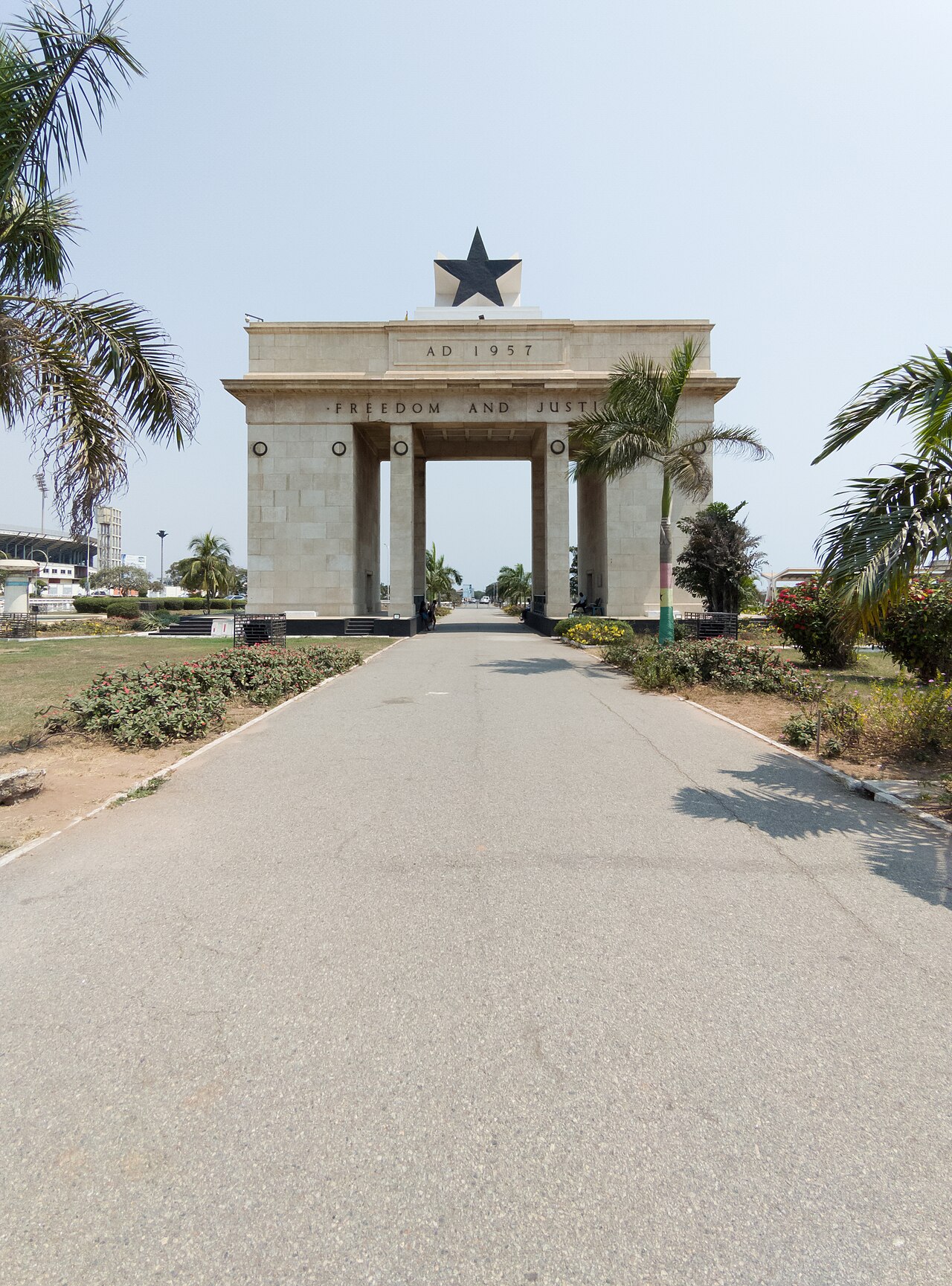
Independence Day on 6 March is celebrated at Independence Square and Black Star Gate and is a good time for the independence sights. The Emancipation Day durbar at Assin Manso on 1 August, Homowo in August and the Chale Wote festival are highlights of mid-year, and the December festive season rounds out the calendar. Public holidays can close museums and some shops, so check opening hours around them.
How to choose
For the easiest sightseeing and day trips, choose November to March, avoiding the very busy December weeks if you dislike crowds. For lower prices and green scenery, choose April to June but accept the rain. For culture and heritage events, choose July and August. For a balance of weather and quiet, choose September and October. Whenever you come, carry sun protection, a hat, insect repellent and water, plan the strongest sights for the morning and keep the afternoon heat for museums, lunch and the pool.
What to pack
Light cotton clothing, a hat, sandals plus closed shoes for hiking and the canopy walk, a light rain layer, insect repellent and a small day bag for water. Dress modestly for memorial sites and castles. Check Ghana's entry and health requirements well before you travel, as they can change.