Keoladeo National Park, better known as the Bharatpur Bird Sanctuary, sits just across the Rajasthan border about 55 km from Agra and is one of the best-known birdwatching sites in India. The land was once a royal hunting reserve for the maharajas of Bharatpur, who flooded low-lying ground to attract wildfowl, and the marsh-and-woodland mosaic that resulted is now a protected wetland and a UNESCO World Heritage Site. Hundreds of bird species have been recorded here, from painted storks and sarus cranes to owls, kingfishers and raptors, and in the cooler months the water fills with migratory ducks and geese that have flown in from far to the north. You do not need to be a serious birder to enjoy it. The park is flat, green and quiet, the paths are shaded by acacia and kadam trees, and the pace is slow in a way that suits a break from a busy Agra itinerary.
Most visitors cover the park on a cycle rickshaw driven by a trained naturalist guide, or on a bicycle hired near the entrance, since motor vehicles are not allowed beyond the gate. The guides know where the nesting colonies, the owl roosts and the resident pythons are, and they usually carry a spotting scope you can look through.
Binoculars make a big difference, so bring a pair if you own them, and a hat, water and sun protection. Expect a ride of two to four hours along the main causeways, with plenty of stops to watch the birds. Photography is straightforward, and a modest zoom lens will do for most subjects.
Timing matters more than anything else. The migratory season from roughly October to February is the classic time, when the wetlands are busiest and the winter air is pleasantly cool, while March and April are hot but can still be good for resident species. Water levels depend on the rains and on how much water is released into the marshes, so the amount of open water changes from year to year, and in a dry spell parts of the park can look sparse.
Early morning is the best time of day for activity and light. A private day trip from Agra usually includes air-conditioned transport, a naturalist or guide, and the park entry arrangements, and it commonly leaves early so that you reach the gate while the birds are still active.
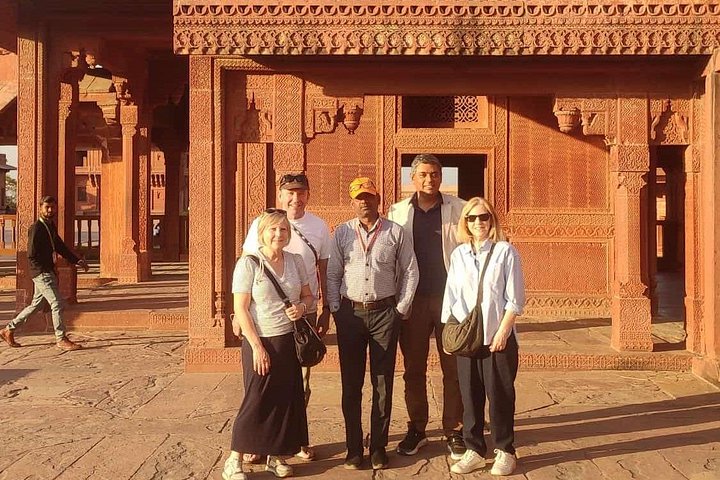
Plan the day realistically. The drive from Agra takes around an hour and a half to two hours each way, so a full outing is a long day, and it is often combined with a stop at Fatehpur Sikri on the way. Check with your operator what is included before you book, including entry fees, rickshaw hire and any camera charges, and confirm that the park is open on the day you want to go.
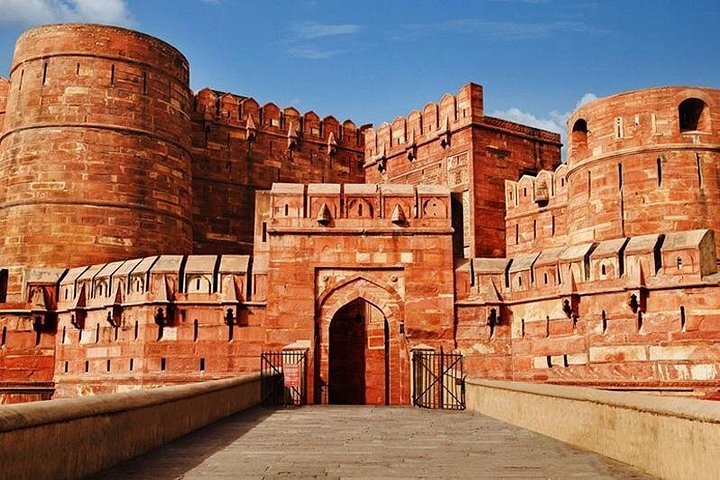
If you are a keen birder, consider an early start and stay for the whole morning; if you are a casual visitor, a shorter ride is enough. The sanctuary suits families with children who like animals, and it pairs well with a quieter day after the Taj Mahal and Agra Fort.
What to expect
The experience
A private day trip from Agra by air-conditioned car, then a guided ride by cycle rickshaw or bicycle along shaded causeways between the marshes.
Best time
October to February for migratory birds and cool weather, and the early morning hours of any day for the most activity.
How long
About eight hours door to door, including the drive each way and two to four hours inside the park.
Tips
Bring binoculars, a hat and water, wear neutral colours, start early, and confirm what the trip includes before you go.
Quick picks
- Best for
- Birdwatchers, photographers and nature lovers who want a calm break between monument days.
- Families
- A good outing for children who enjoy animals, though the day is long and the drive takes up much of it.
- Couples
- A peaceful rickshaw ride through the marshes in the cool early morning.
- Pair with
- Fatehpur Sikri on the same day, since it lies roughly on the road to the park.
- Time needed
- A full day with early departure.
Good questions
How far is Bharatpur from Agra?+
The sanctuary is about 55 km from Agra, roughly an hour and a half to two hours by road depending on traffic and the route.
When is the best time to visit?+
The migratory season from about October to February is the classic time. Early morning is best at any time of year, and water levels vary with the rains.
How do you get around inside the park?+
Motor vehicles are not allowed beyond the gate, so visitors use cycle rickshaws with a guide, hire bicycles or walk the paths.
Do I need to be a birdwatcher?+
No. The park is flat, shaded and relaxed, and a guide will point out the main species, so it works well for beginners as well as keen birders.
Can I combine it with Fatehpur Sikri?+
Yes, many day trips from Agra stop at Fatehpur Sikri on the way. Ask your operator whether this suits your pace, as it makes for a long day.