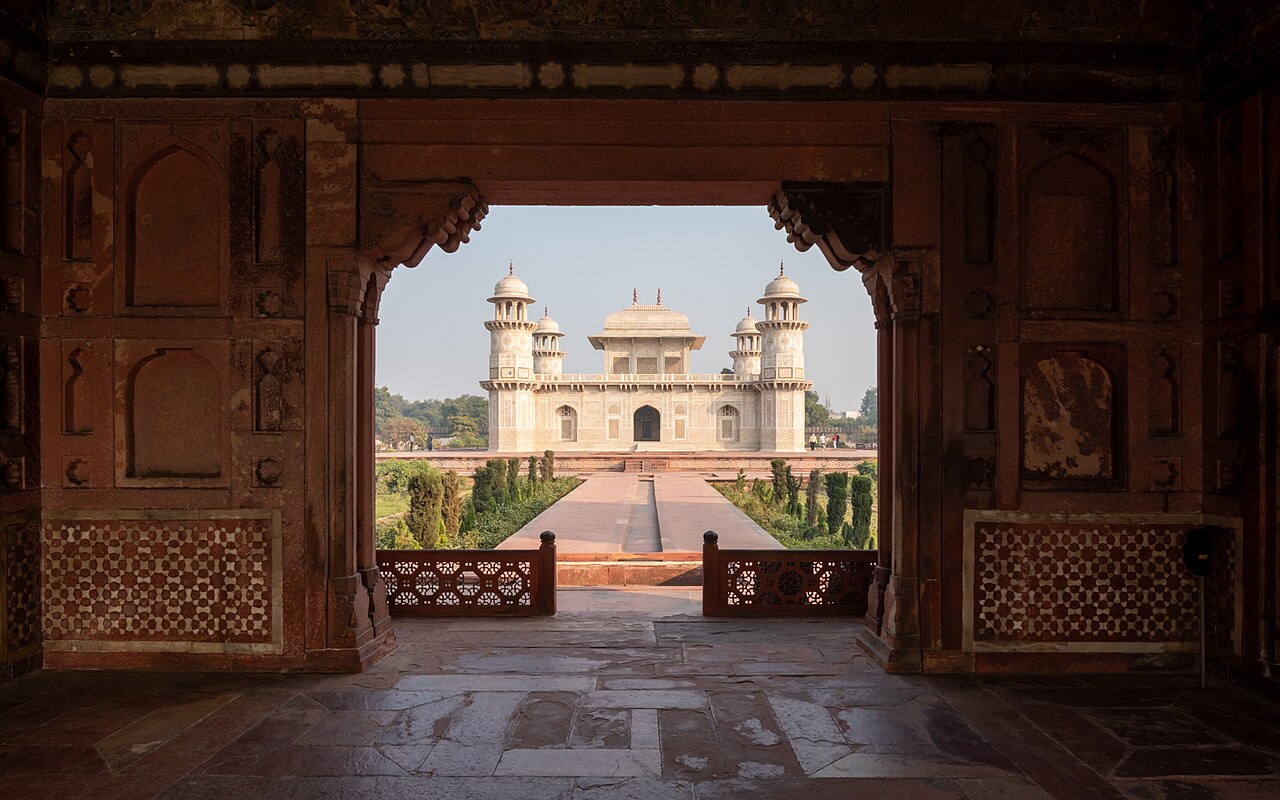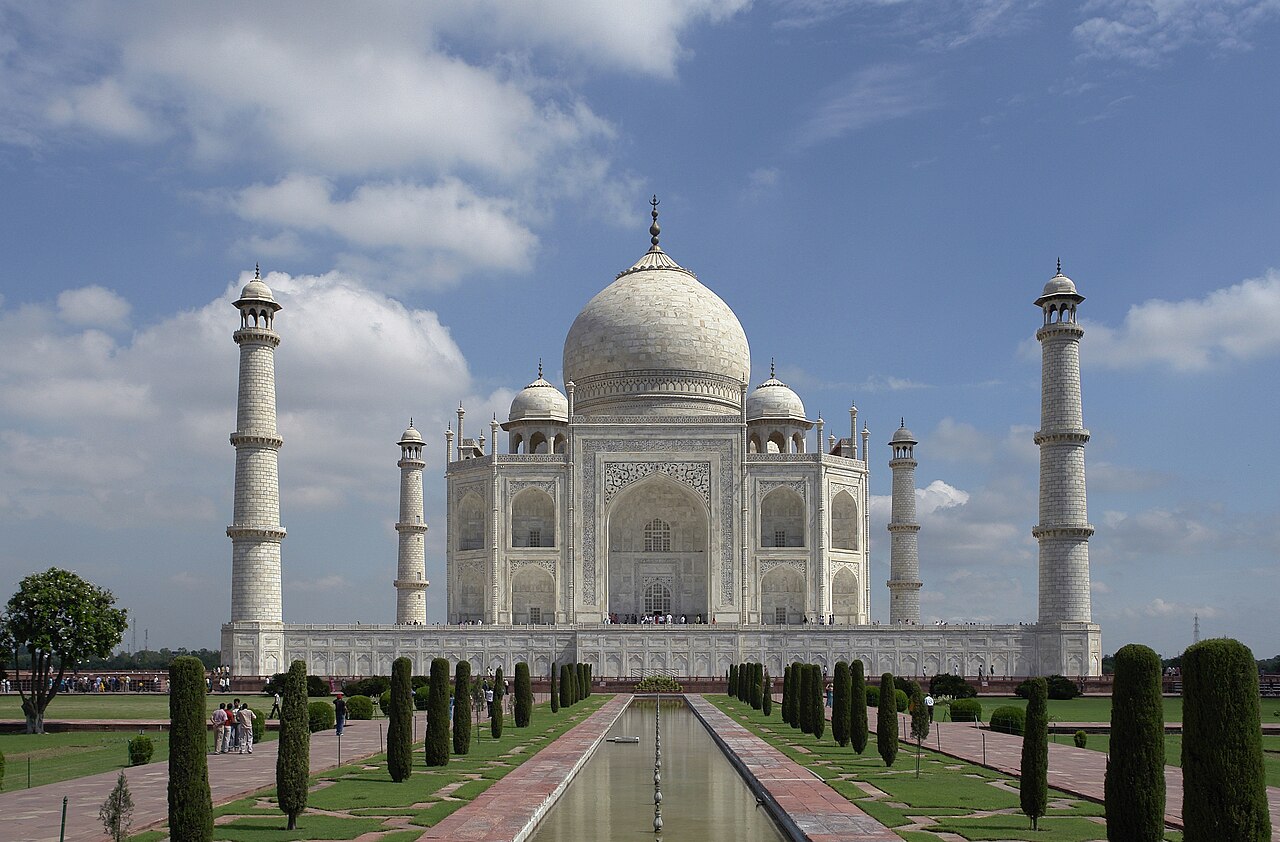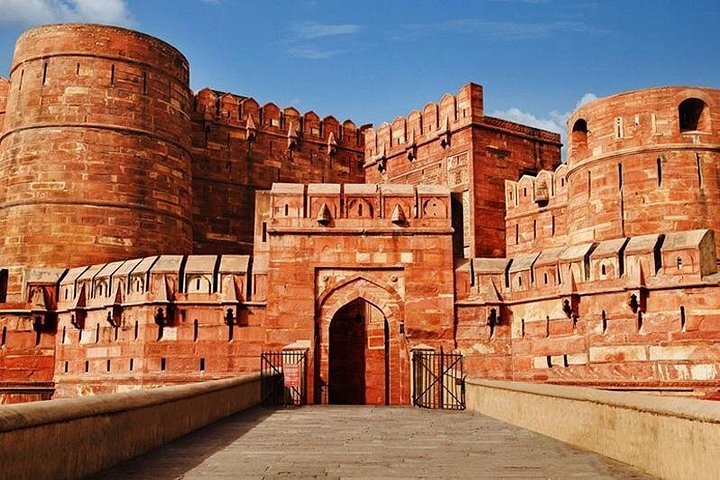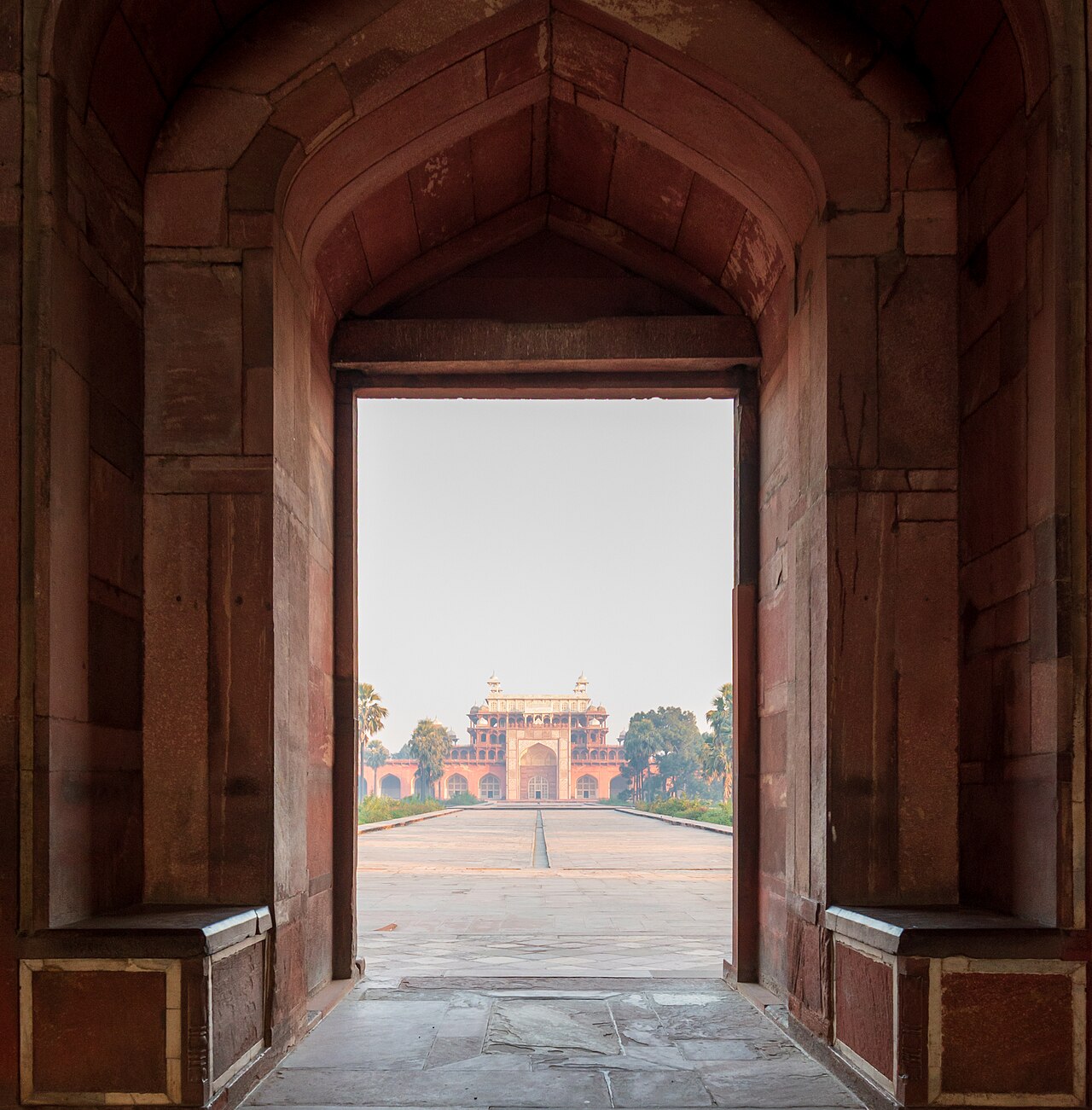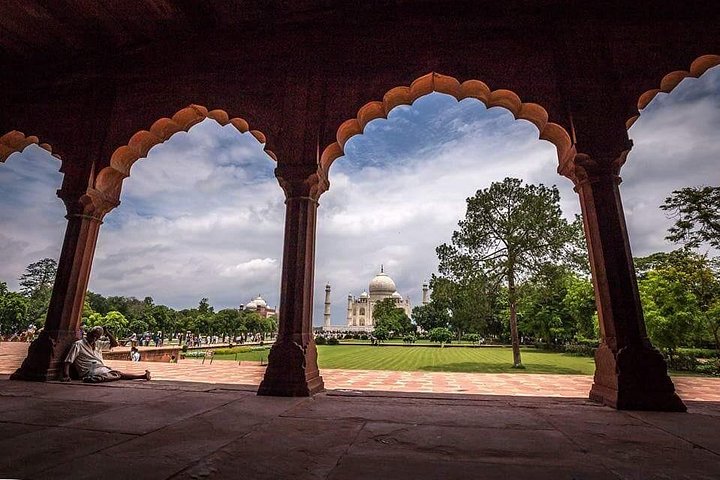
Many visitors tour Agra's monuments without really understanding what they are looking at, and a conversation with a historian is the cure. In this experience you sit over tea with a local expert who talks you through Mughal architecture: the Persian garden plan, the logic of symmetry, the shift from red sandstone to white marble, the craft of pietra dura inlay and the way each emperor left a different mark on the city. You can ask questions, compare Akbar's sandstone confidence with Shah Jahan's refinement and understand why the Baby Taj was a stepping stone to the Taj Mahal. The format is relaxed and personal, and it makes an excellent first stop in Agra, because everything you see afterwards makes more sense. It also works as a thoughtful rest after a hot day of sightseeing.
What the conversation covers
Topics usually begin with the arrival of the Mughals and the way they blended Persian, Central Asian and Indian styles. You may discuss the char bagh garden layout, the use of domes, arches and chhatris, and the importance of water. The historian can explain how marble was carried from Makrana, how craftsmen shaped semi-precious stones into flowers, and how calligraphy was used on the Taj Mahal to create perspective effects.
A useful orientation
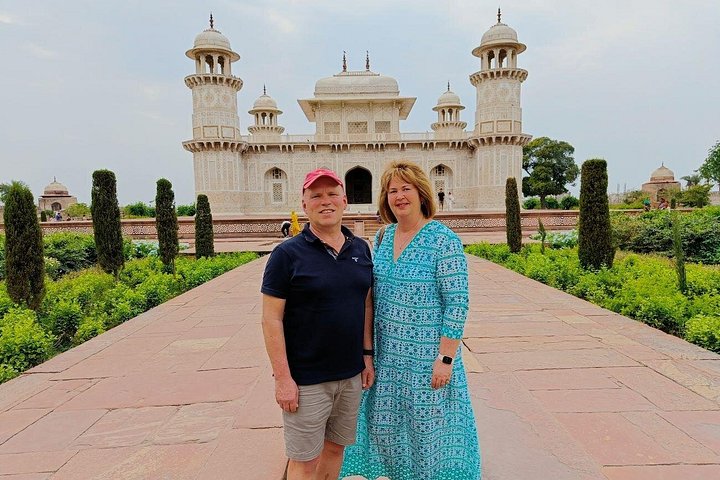
If you do the talk early in your stay, you can use what you learn to read the buildings for yourself. You will notice the proportions at Itmad-ud-Daulah, the red sandstone vigour of Agra Fort and the planning of Fatehpur Sikri with fresh eyes. Many guests bring photographs or questions from earlier visits, which turns the talk into a conversation rather than a lecture.
Tea and setting
Tea is served in a comfortable setting, often a home or a quiet cafe, with snacks that vary by host. If you prefer coffee or a cold drink, ask in advance. Sessions are small, which makes it easy to ask detailed questions, and the pace is unhurried. Tell the host about dietary needs, and ask whether pick-up from your hotel is included.
Who will enjoy it
History lovers, architecture students, photographers and anyone who has ever stood in front of a monument and wondered what they were meant to notice will benefit. It suits travellers who prefer words and ideas to physical activity, and it is a good choice for a hot afternoon or for a Friday, when the Taj Mahal is closed. Combine it with the old-city walk or a visit to a marble inlay workshop for a full picture of the craft behind the buildings.
Getting more from it
Write down a short list of questions before you go, such as why the Taj Mahal is white while Agra Fort is red, or how the inlay was made, and take photographs of buildings you have already seen to discuss. If you are interested in a particular era, say so when you book, so that the historian can focus on Akbar, Jahangir or Shah Jahan.
Afterwards, revisit a monument with your new knowledge, and you may find that familiar buildings reveal details you missed the first time. It is also a pleasantly quiet activity for a day when the weather is too hot for outdoor touring.
What to expect
The experience
A conversation with a local historian over tea about Mughal architecture, gardens, inlay and the story of Agra's monuments.
Best time
Early in your stay or on an afternoon when you want a break from the heat.
How long
One to two hours.
Tips
Bring questions or photographs, mention dietary needs, and ask whether hotel pick-up is included.
Quick picks
- Best for
- History and architecture lovers who want to understand what they are seeing.
- Families
- Better for teenagers and adults than for young children.
- Couples
- A calm, thoughtful way to spend an afternoon.
- Pair with
- A visit to Itmad-ud-Daulah and the Taj Mahal.
- Time needed
- An afternoon, about two hours.
Good questions
Do I need to know anything about Mughal history?+
No. The conversation starts from the basics and goes as deep as you wish.
Is it a lecture?+
It is closer to a conversation, and you are encouraged to ask questions.
Is tea included?+
Tea and light snacks are usually served, but check the details when you book.
When is the best time to do it?+
Early in your stay, so that you can apply what you learn to the monuments you visit afterwards.
Is it suitable for children?+
It suits teenagers and adults better than young children.