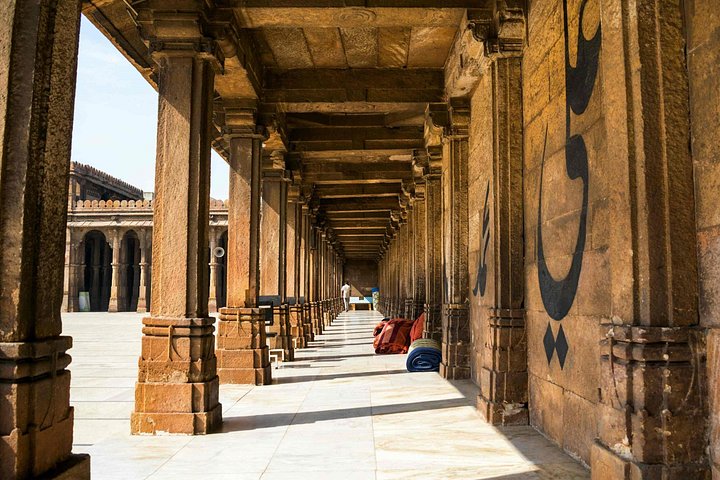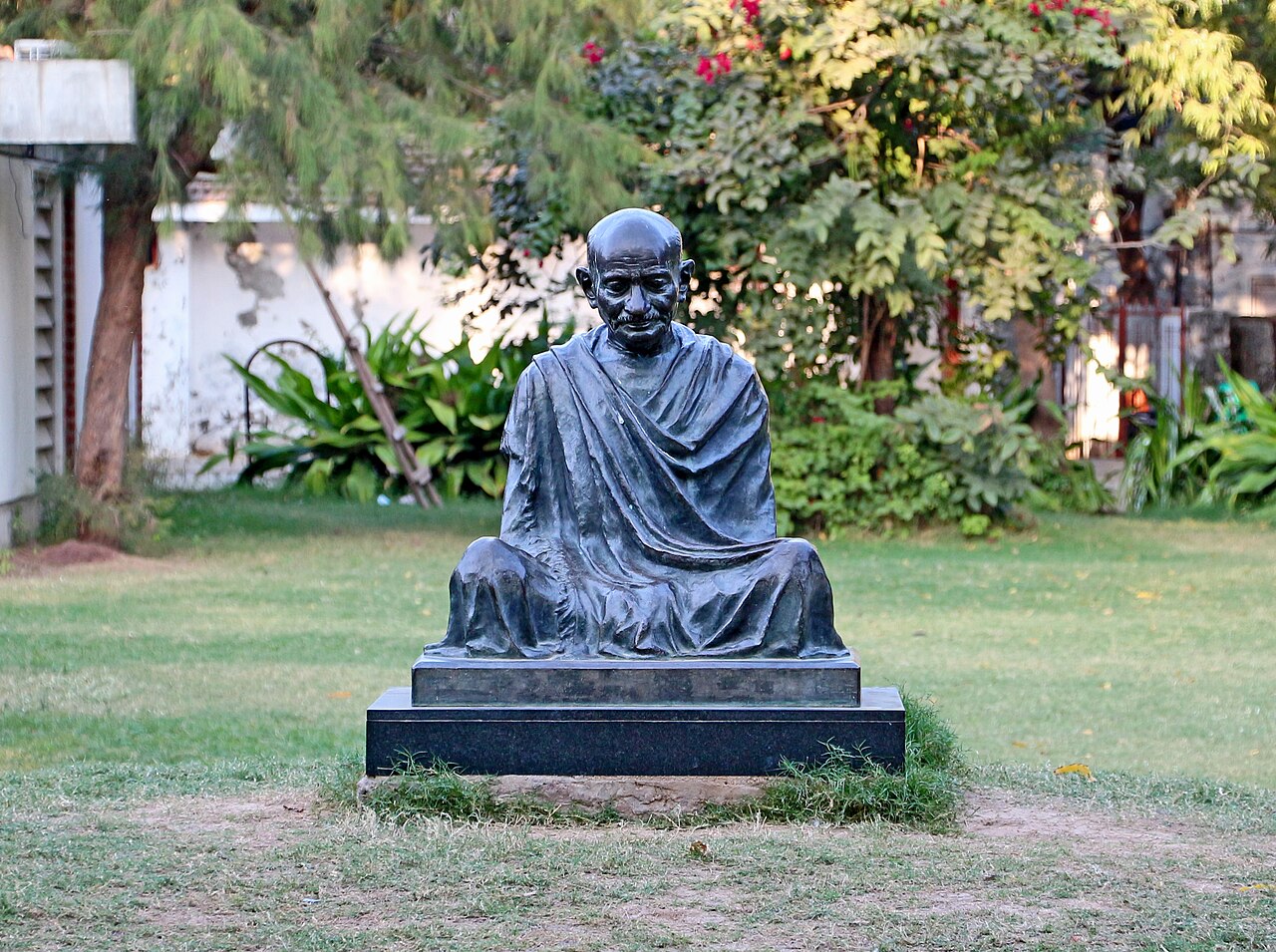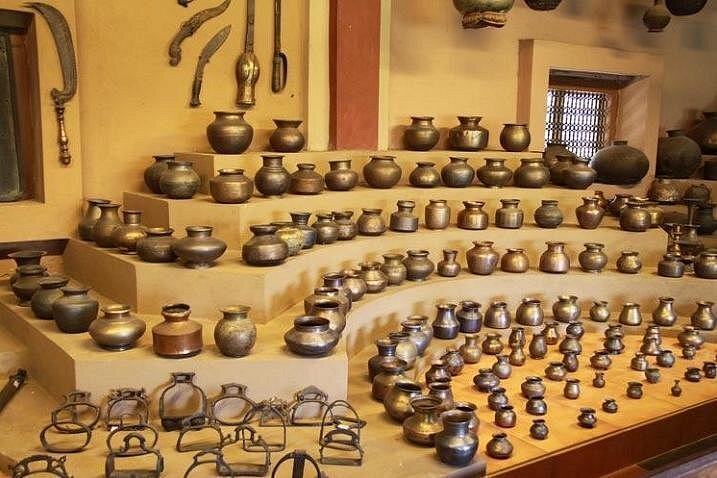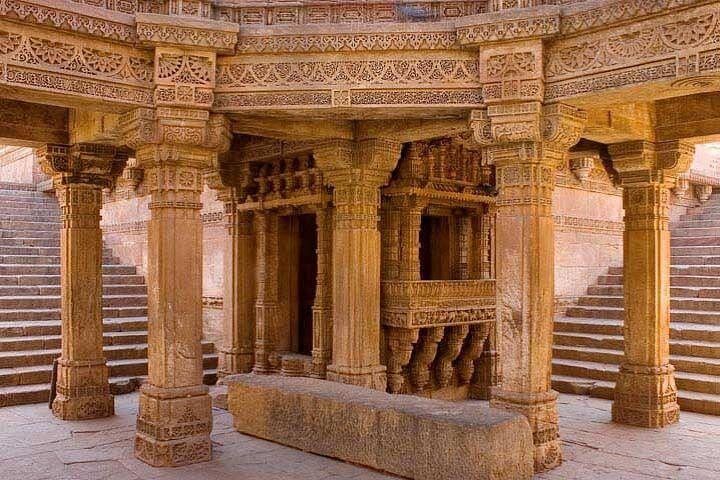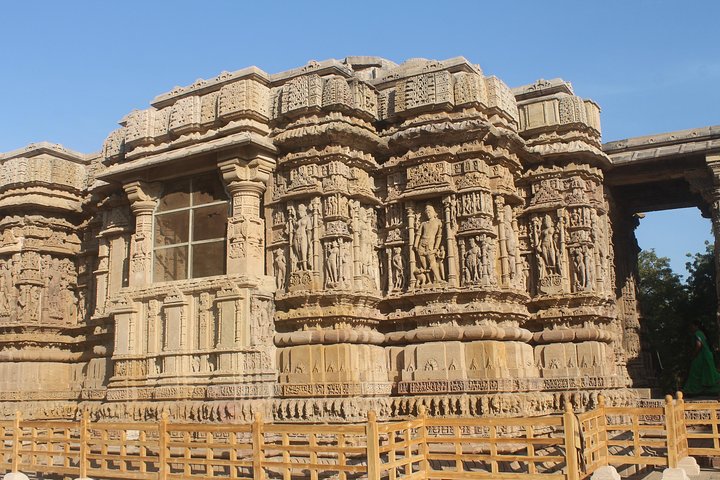
The Calico Museum of Textiles is widely regarded as the best textile museum in India and one of the finest of its kind anywhere. Founded in 1949 by the Sarabhai family, who were pillars of Ahmedabad's industry and culture, it sits in the leafy grounds of the Sarabhai estate at Shahibaug and occupies a historic haveli whose carved wooden fronts are themselves part of the display. The collection spans centuries of Indian cloth: royal costumes, brocades, embroidery, block prints, tie-dye, bandhani, patola silk, Kashmiri shawls and ritual hangings used in temples. Ahmedabad was once known as the Manchester of India for its textile mills, and the museum shows the craft traditions that came before mechanisation and the ones that survive.
How it works
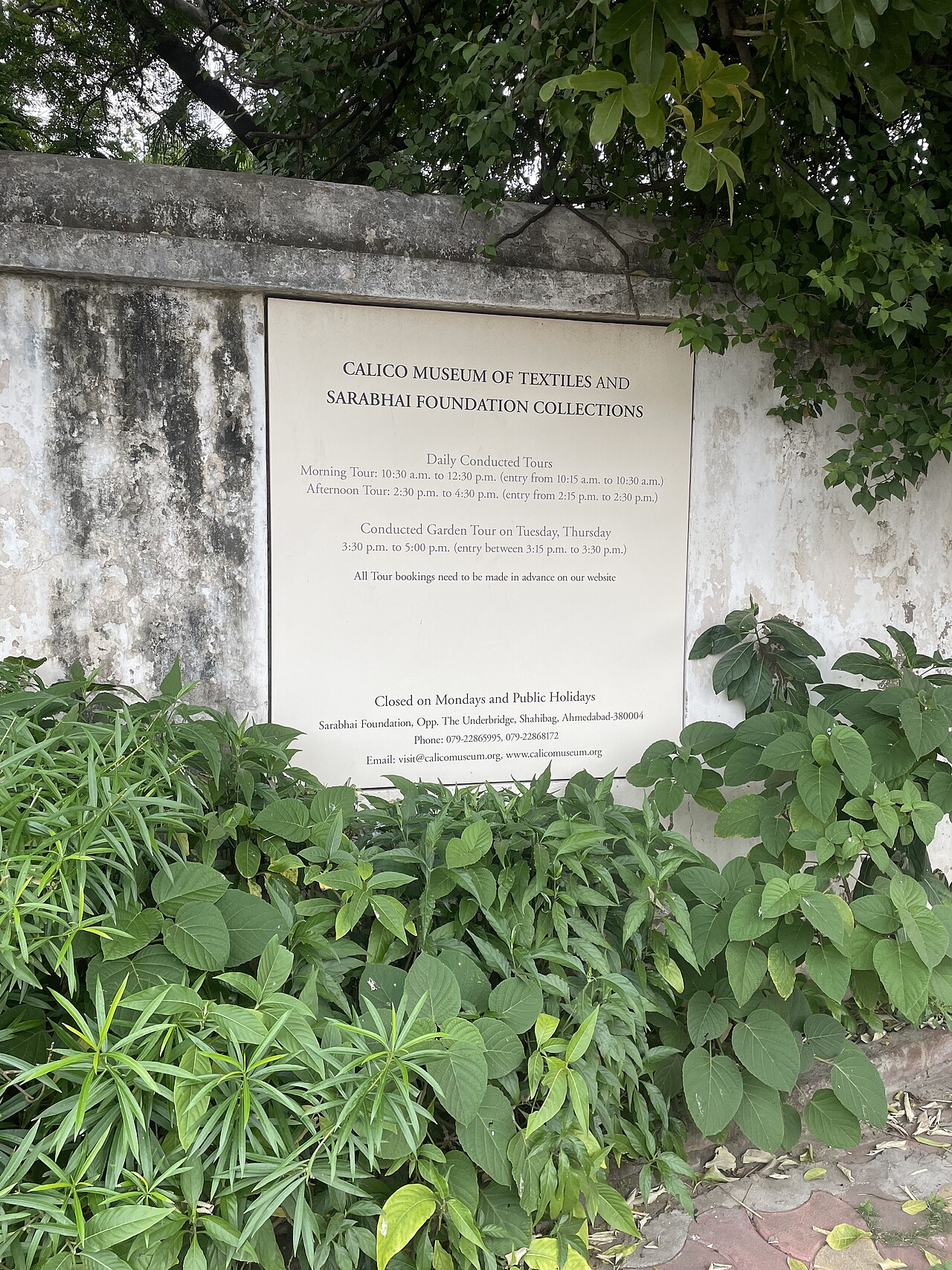
The museum is visited on guided tours only, usually in small groups led by trained guides. There are typically separate tours for the textile galleries and for the haveli collection of carved wooden architecture and sculpture. Places are limited, so reserve in advance through the tourism board or the museum's booking process and arrive on time.
The museum is closed one day each week and on public holidays, and timings can change, so confirm before you set out. Photography is not allowed inside, and bags may need to be left at the entrance.
What to expect
The tours are slow, detailed and informative, so allow a couple of hours for each. You walk through rooms of dyed and woven cloth while the guide explains techniques, symbolism and regional styles. The textiles are displayed in low light to protect them, and the atmosphere is hushed. The guides are knowledgeable, but the tours can feel formal; this is a place for people who enjoy craft, design and history rather than a quick look. Younger children may find it hard going, and there are age restrictions for some tours.
Making the most of it
Wear comfortable shoes, arrive early for the tour, and read a little about Indian textiles beforehand. Afterwards, walk through the old city to see the dyers and block printers still at work, or go to the bazaars around Law Garden to shop for textiles. Visitors who loved the museum often add a visit to a craft workshop on the outskirts of the city to watch block printing or bandhani being made.
If you only have one museum day in Ahmedabad, this is the one to book, and it works well on a morning before a heritage walk in the afternoon.
Good to know
The museum is part of a wider cultural family of institutions founded by the Sarabhai family, including design, dance and science organisations, and Ahmedabad's modern creative reputation owes a lot to them. The grounds themselves are leafy and quiet, a welcome break from the traffic. The museum shop sells books and cards, and the tourism board offers information about tours.
Wear modest clothing, as the haveli and its collection are treated with great respect. If a tour is fully booked, ask about alternative slots on other days, and consider visiting craft markets in the city to see living traditions similar to those on display.
What to expect
The experience
Small guided tours through the textile galleries and the haveli collection, with no photography and limited places.
Best time
Morning tours are quieter; arrive in good time for the allotted slot.
How long
Two to three hours depending on which tours you take.
Tips
Reserve ahead, confirm the weekly closing day, and leave large bags outside.
Quick picks
- Best for
- Craft, fashion, design and textile enthusiasts.
- Families
- Better for older children; very young children may find the guided format tiring.
- Couples
- A quiet, absorbing couple of hours in cool galleries.
- Pair with
- A walk through the old city dyers and block printers.
- Time needed
- Half a day.
Good questions
Do I need to book in advance?+
Yes. Tours are small and places limited, so reserve ahead through the booking route given by the tourism board or museum.
Can I take photographs?+
No, photography is not allowed inside the galleries.
Is the museum open every day?+
No. It closes one day a week and on public holidays, so confirm the schedule before visiting.
How long is a tour?+
Each tour usually takes around an hour and a half, and many visitors take two.
Is it suitable for children?+
There are age limits on some tours and the format is formal, so it suits older children better.