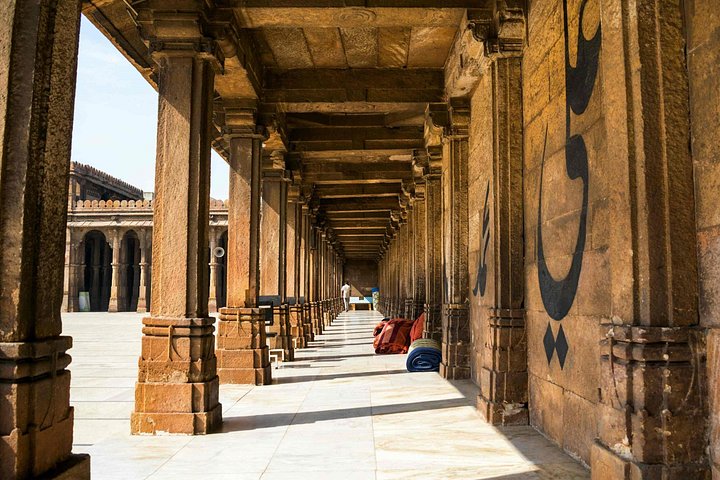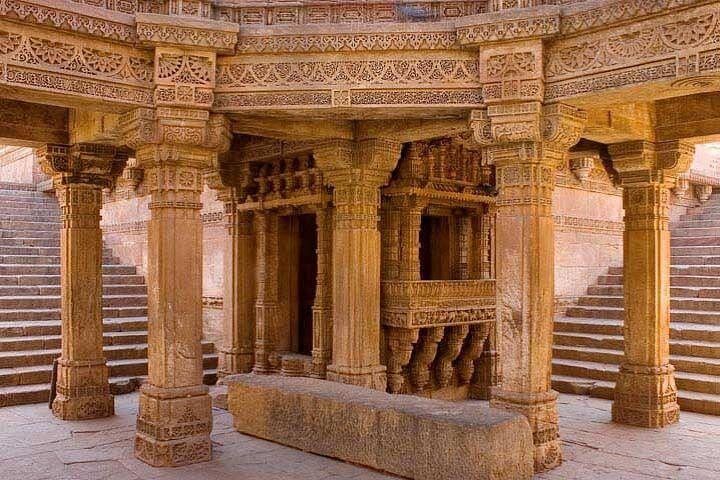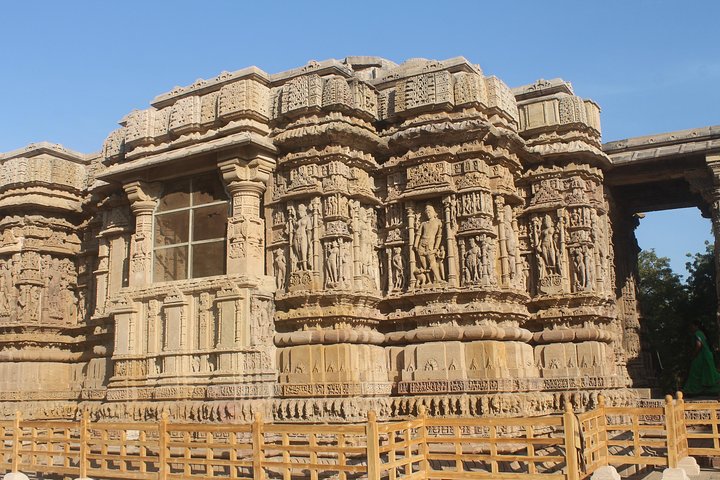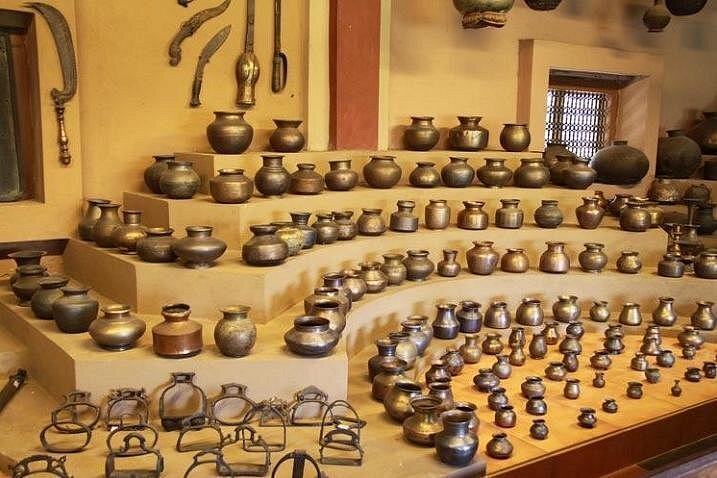
Sarkhej Roza is a peaceful architectural complex on the south-western edge of Ahmedabad, built in the fifteenth century around the tomb of the Sufi saint Ahmed Khattu Ganj Baksh, spiritual adviser to Sultan Ahmad Shah. Later, Sultan Mahmud Begada added a mosque, a large stepped tank, palaces and his own tomb, and the grounds became a retreat for Gujarat's royals. The architecture is a graceful mix of Hindu, Jain and Islamic styles, with pillared pavilions, delicate stone lattice screens, carved brackets and wide courtyards opening onto the water. The buildings have a calm, airy quality, and the sunken tank gives the whole composition a sense of space. The modern architect Le Corbusier admired the site, and it is said to have influenced his work in India. Nearby, the Vishalla Utensils Museum collects thousands of traditional vessels from across Gujarat, housed in a gently designed complex.
How it works
The roza, as the complex is known, is a protected monument that is usually free or very low cost to enter, and open during daylight hours. It is about eight kilometres from the centre, easy by rickshaw or taxi, and many half-day tours include it with the museum and a traditional dinner at the Vishalla restaurant next door, where meals are served in a village-style setting. The museum has its own small entry fee. Dress modestly at the shrine and remove shoes where asked.
What to expect
The complex is open, airy and unhurried. Walk the colonnades, look at the stone lattice, watch locals visiting the saint's tomb and sit by the tank. Fridays can be busy with devotees. The utensils museum contains pots, pans, lamps, grinders and storage vessels in copper, brass, clay and wood, grouped by region and function, and it surprises visitors with the beauty of everyday objects. Photography is usually allowed outdoors, but follow signs inside.
Making the most of it
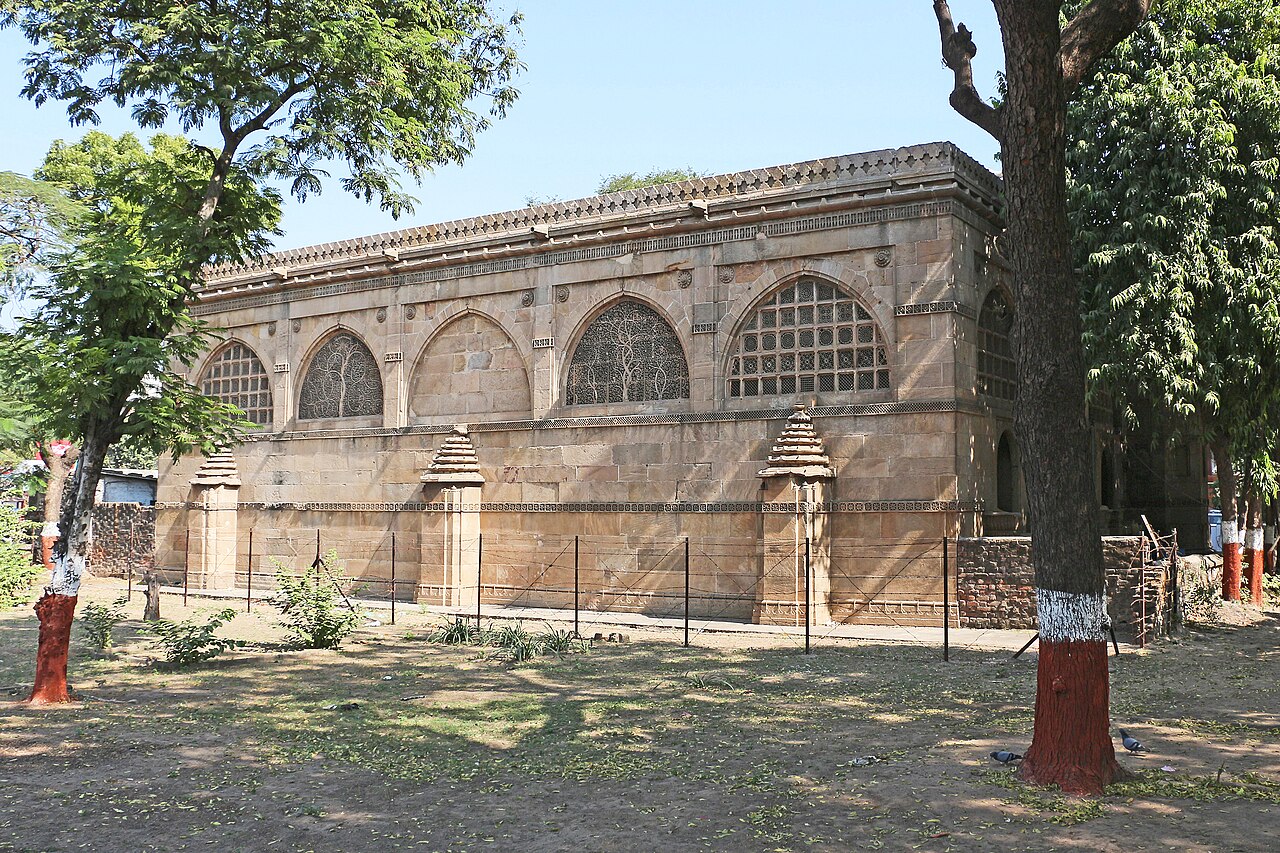
Choose the late afternoon for soft light and then stay for dinner. The mix of royal tombs, Sufi devotion and folk craft gives a fuller sense of Gujarat than the headline monuments alone. If you enjoy the stonework, compare it with the Sidi Saiyyed Mosque and the Jama Masjid in the old city. A guide adds context on the saint, the sultans and the way the site influenced later architects.
Good to know
The area around Sarkhej is residential and traffic can be heavy on the main road, so allow extra time at rush hours. Be sensitive to worshippers, keep your voice down and avoid pointing cameras at people praying. The museum is closed one day a week, so check ahead. A scarf or shawl is handy for covering your head at the shrine, and sturdy sandals make it easy to slip shoes off and on.
More to know
The saint buried here, Ahmed Khattu Ganj Baksh, was the spiritual guide of Sultan Ahmad Shah, and it was he who is said to have inspired the founding of the city on the Sabarmati. The great tank is a fine place to watch the light change, and egrets and kingfishers sometimes visit its edges.
The Indian modernist Balkrishna Doshi designed the Vishalla complex, which blends traditional village forms with a modern sensibility, and the dinner there, eaten sitting on the floor with a brass thali, is one of the city's memorable cultural evenings. Reserve a table in advance if you plan to stay for dinner, as the restaurant is popular with groups.
What to expect
The experience
A relaxed visit to the roza's pavilions, tombs and tank, followed by the utensils museum, sometimes ending with a village-style dinner.
Best time
Late afternoon for gentle light; weekday mornings for quiet.
How long
Two to three hours with the museum.
Tips
Dress modestly, take shoes off where asked, and check the museum's weekly closing day.
Quick picks
- Best for
- Architecture lovers who like quiet, uncrowded monuments.
- Families
- Open courtyards suit children, and the museum is full of curious objects.
- Couples
- A tranquil lakeside stroll and dinner.
- Pair with
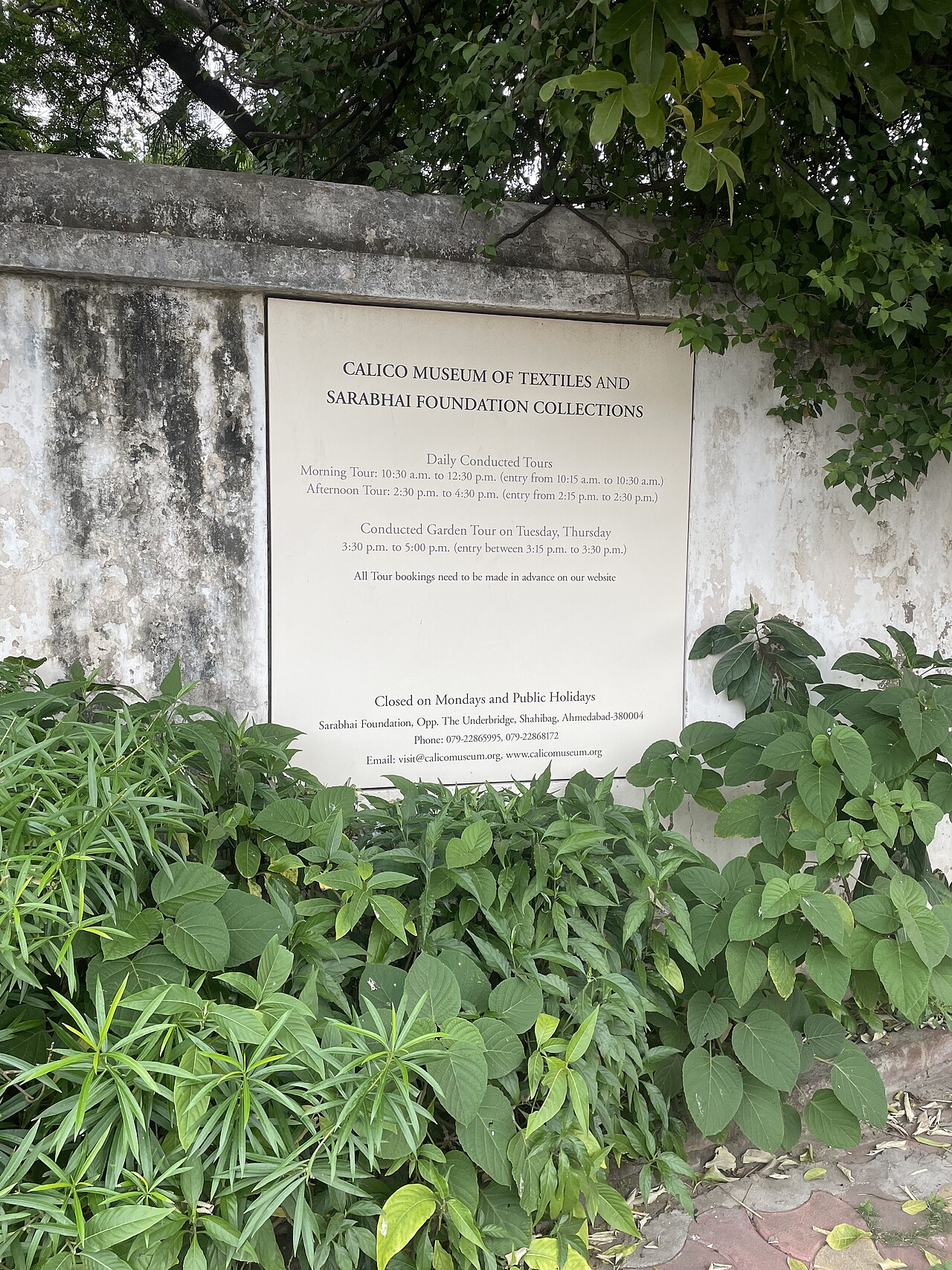
- Sidi Saiyyed Mosque and the Calico Museum.
- Time needed
- Half a day.
Good questions
Who is buried at Sarkhej Roza?+
The Sufi saint Ahmed Khattu Ganj Baksh, along with Sultan Mahmud Begada and his family.
How far is it from the city centre?+
About eight kilometres, around 30 minutes by road.
What is the utensils museum?+
A museum of traditional household vessels from across Gujarat, set in a landscaped complex beside the roza.
Is it free to enter?+
The roza is typically free or low cost; the museum charges a small fee.
Is it a good place for dinner?+
Yes, a traditional Gujarati restaurant operates next to the museum in a village-style setting.