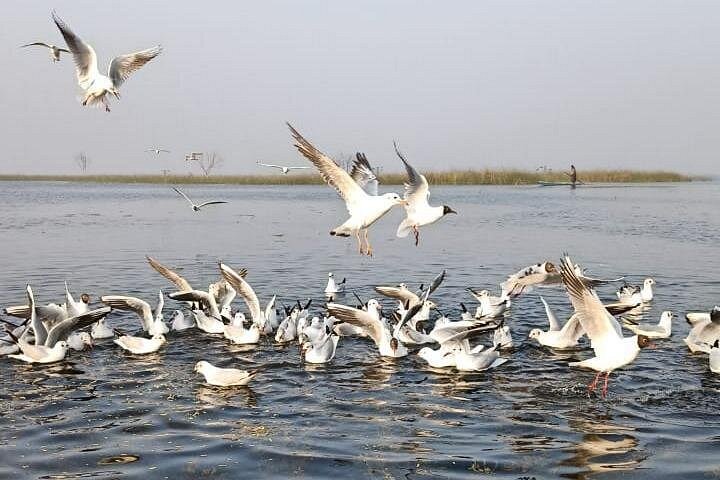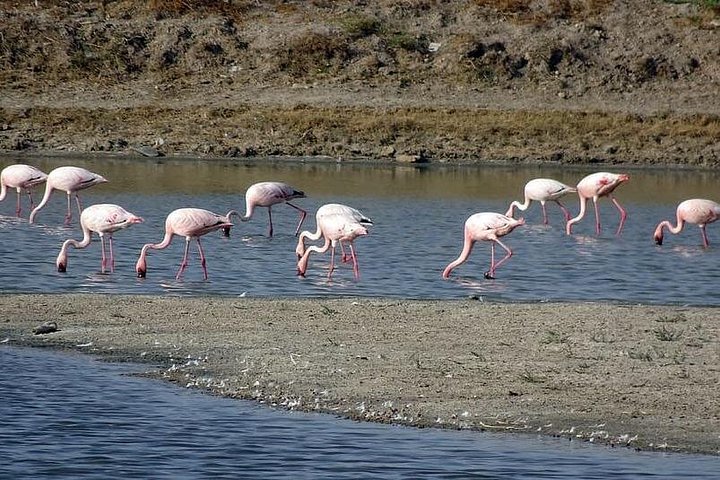
The Little Rann of Kutch is a vast, flat salt marsh in western Gujarat, and its wildlife sanctuary is the last stronghold of the Indian wild ass, a handsome, fast-running animal found nowhere else in the world. During the monsoon the Rann floods, and when the water recedes it leaves a cracked white plain broken by raised islands called bets. Here, on a morning or afternoon safari, you can see herds of wild ass galloping across the horizon, along with nilgai, chinkara gazelles, desert foxes, wolves, jackals and several kinds of owl and harrier. In the winter, migratory birds, including flamingos, pelicans, cranes and ducks, gather in the wetlands. The landscape itself is the main attraction: an empty horizon, big skies and a silence broken only by wind and wings.
How it works
The entry points, such as Dhrangadhra and Bajana, are about two to three hours by road from Ahmedabad. Day excursions start early, with a jeep safari of two to three hours inside the sanctuary, led by a naturalist driver, followed by a visit to salt pans where families called agariyas harvest salt by hand. Overnight stays in lodges are popular, since they let you do both a dawn and a dusk safari. The sanctuary is typically open from October to roughly June and closes during the monsoon, so check the season.
What to expect
Bumpy rides in open jeeps across dusty tracks, bright sun and wide views. Dress in neutral colours, wear sunglasses, a hat and scarf against the dust, and carry plenty of water. Sightings are not guaranteed, but the wild ass is easy to find. Binoculars and a long camera lens add to the enjoyment. Safaris are less crowded than tiger reserves, and the guides are usually well informed about birds and plants.
Making the most of it
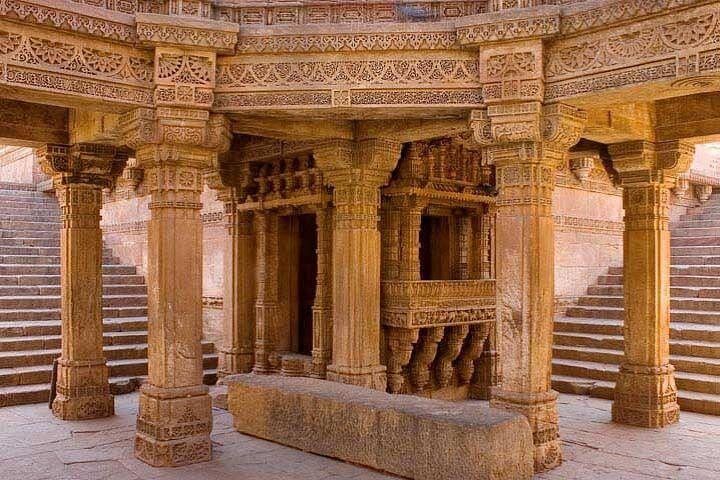
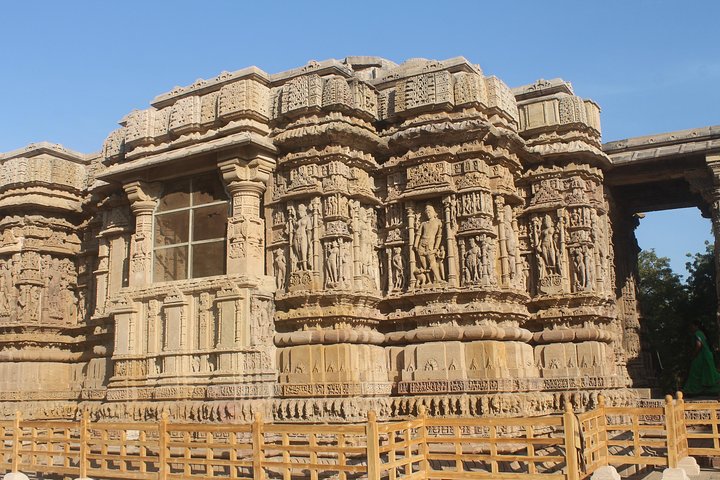
Aim for the cooler months from November to February for the best birdlife and comfortable temperatures. Early morning and late afternoon are the best times for wildlife and photography. If you can, combine the safari with a visit to a nearby stepwell, a village craft stop or the Modhera and Patan circuit. A day trip is possible but tiring, so consider staying overnight if you can spare the time.
Good to know
The salt pans are a hard place to earn a living, and visitors are asked to be respectful when photographing workers. Plastic should not be left behind, and noise should be kept low. The sanctuary is a protected area, and permits are handled by operators. Children over about six usually enjoy the open-jeep experience, though the heat and dust can tire them quickly.
More to know
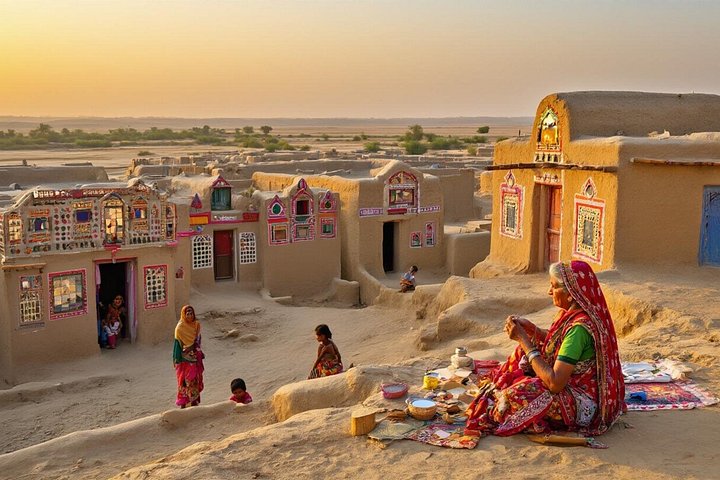
The sanctuary covers close to five thousand square kilometres, making it one of the largest wildlife reserves in India, and the wild ass population has recovered strongly from a low in the 1960s thanks to protection. The nearby villages are home to communities of salt workers, Rabari herders and craftspeople, and some lodges can arrange visits that show embroidery, mirror work and block printing.
In winter the evenings can be chilly, so bring a warm layer for the drive back. A guided safari with a naturalist adds enormously to the experience, since much of the wildlife is easy to miss without a trained eye.
What to expect
The experience
A jeep safari through the sanctuary with a naturalist driver, usually followed by a salt pan visit.
Best time
November to February for birds and mild weather; early morning or late afternoon for wildlife.
How long
Two to three hours on safari within a full-day excursion.
Tips
Wear neutral clothes, bring a scarf, water and binoculars, and check the sanctuary's seasonal closure.
Quick picks
- Best for
- Wildlife, birdwatching and photography lovers.
- Families
- Older children who enjoy jeep rides and animals.
- Couples
- Wide skies and a sunset over white salt.
- Pair with
- A stepwell or Modhera on a longer trip.
- Time needed
- A full day, or an overnight stay.
Good questions
What can I see in the Little Rann?+
Indian wild asses, nilgai, chinkara, desert foxes, wolves and many birds, including flamingos in winter.
When is the best time to visit?+
From November to February for cool weather and migratory birds.
Is the sanctuary open all year?+
No. It closes during the monsoon, so check the season.
How far is it from Ahmedabad?+
Roughly two to three hours by road, depending on the entry point.
Is it a good trip for children?+
Yes for older children, though the heat and dust can be tiring.