Amman looks like a modern city of white concrete, but it is one of the oldest continuously inhabited places in the Middle East, and its history is layered on hills you can walk. If you like ruins and stories, you can spend several days here without repeating yourself, and most of the best sites sit within an hour of the center. This guide arranges them by period so you can see how the city changed hands and why it matters.
The Bronze and Iron Ages: Rabbath Ammon
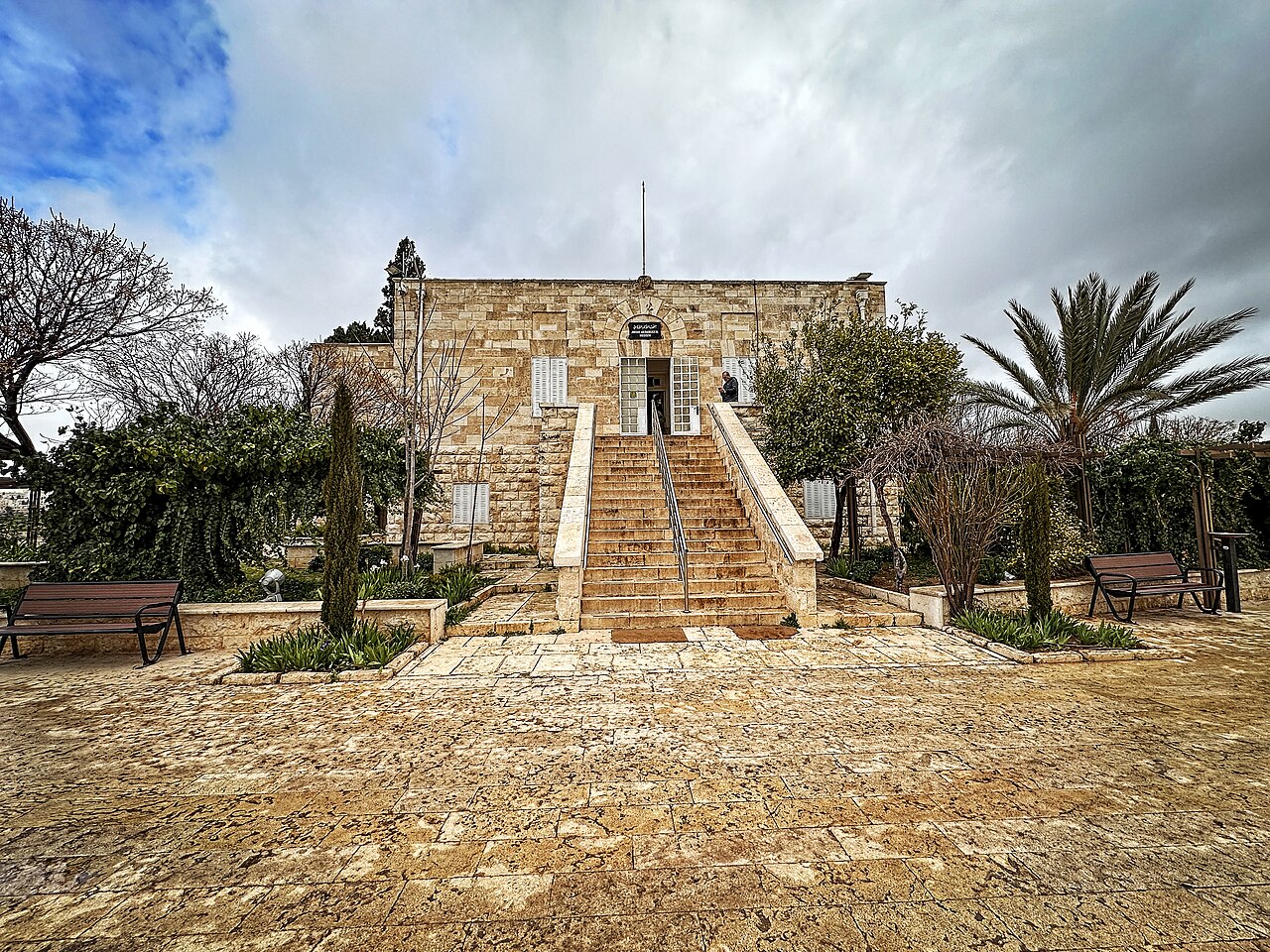
The earliest story belongs to the Ammonites, who made their capital, Rabbath Ammon, on the hill that is now the Citadel. Their kingdom appears in the Hebrew Bible, and traces of walls and a large water system survive on the hilltop. The Jordan Museum shows statues from Ain Ghazal, among the oldest large human figures ever made, which put the region’s story back thousands of years before the Romans arrived. Begin here to understand how long people have lived on this ground.
The Hellenistic and Roman world: Philadelphia
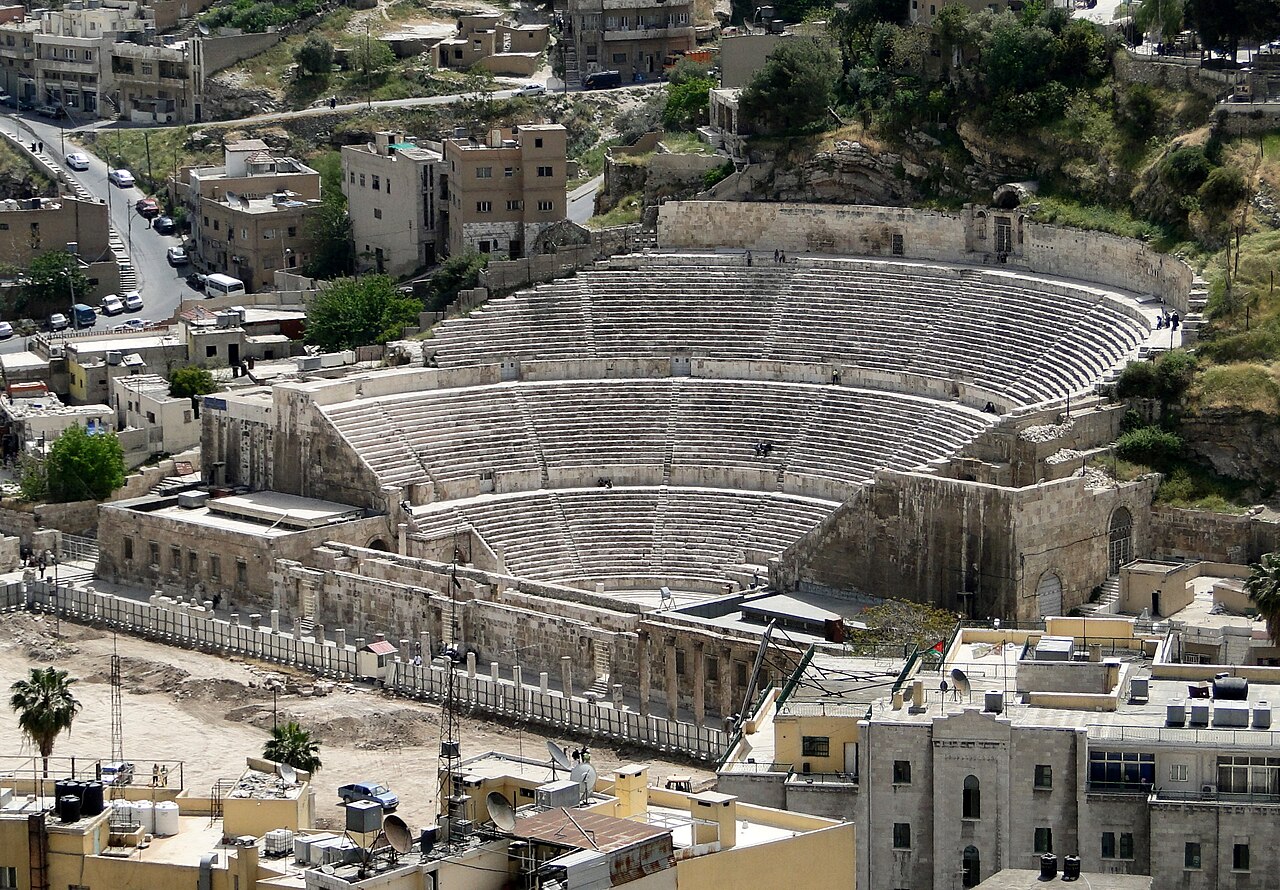
After Alexander’s successors, the city was renamed Philadelphia, and under the Romans it joined the Decapolis, the league of ten cities in the region. The Roman Theatre, built into the hillside, and the smaller Odeon beside Hashemite Plaza are the most visible remains, while the Temple of Hercules on the Citadel gives you a sense of the scale of the Roman city. Just outside Amman, Iraq al-Amir shows the earlier Hellenistic taste for fortified country palaces, and Jerash, Umm Qais and Ajloun add to the picture of Roman and medieval life in the north.
The Byzantine centuries
Christianity left churches and mosaics rather than vast monuments. On the Citadel you can see the ruins of a Byzantine church, and a short drive away Madaba holds the famous mosaic map of the Holy Land, with Mount Nebo overlooking the Jordan Valley. The Cave of the Seven Sleepers on the edge of Amman belongs to this period too, and links to stories that Christians and Muslims both tell.
The Umayyad era
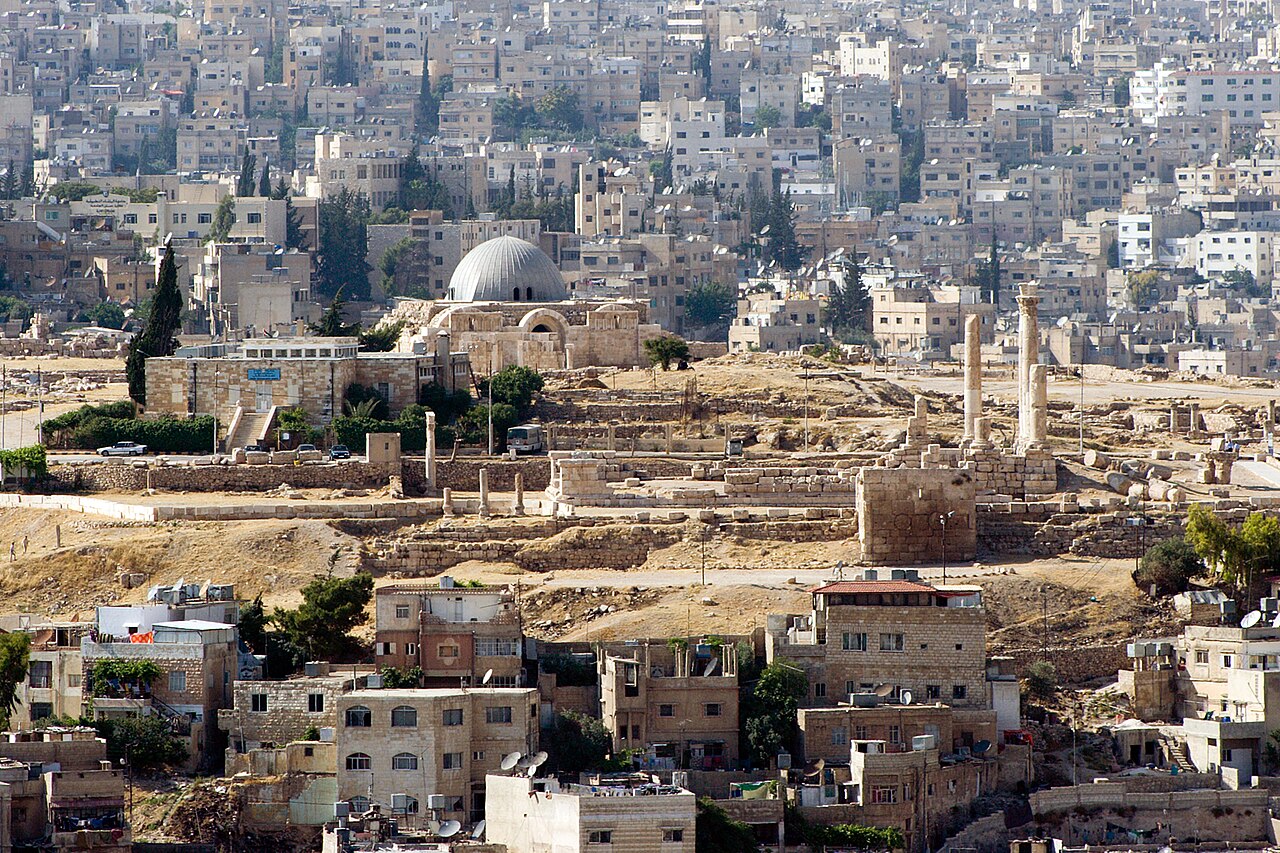
In the early eighth century the Umayyad caliphs built an audience hall and a palace complex on the Citadel, with a grand colonnaded street, a cistern and a domed building that is one of the best early Islamic structures in Jordan. Out in the eastern desert, they built hunting lodges and bathhouses such as Qasr Amra, with its frescoes, and Qasr Kharana. Seeing the Citadel palace first and the desert castles afterward helps you understand how these rulers combined city and country life.
Crusaders, Ayyubids and Mamluks
The medieval chapter shows in the castles of the north: Ajloun, built in the 1180s for Saladin’s forces to command the highlands, and Kerak and Shobak farther south. They were part of a chain of fortresses that signaled danger across the region.
The modern city
Amman became a small village of Circassian settlers in the late nineteenth century, and then a capital in the twentieth. Downtown’s souks and mosques, the Hashemite Plaza and the old stairways between neighborhoods tell this story. The Jordan Museum and the Royal Automobile Museum fill in the modern kingdom.
A suggested order
Day one: the Jordan Museum in the morning, then the Citadel, the Roman Theatre and the Odeon in the afternoon. Day two: the Eastern Desert Castles and a visit to Azraq. Day three: Jerash and Ajloun, or Umm Qais. Day four: Iraq al-Amir and Madaba. If you only have two days, take the first and a Jerash trip.
Practical tips
Wear sturdy shoes, since the ancient paving is uneven. Carry water and sun protection, because most sites have little shade. Dress modestly, particularly at religious sites. In winter, sites close earlier, so start in the morning. Consider the Jordan Pass if you plan to visit several sites, but check what it covers before you buy. A guide is worth the cost at the larger sites, because much of the history is invisible without explanation.
Where to stay
Staying near the Citadel and Downtown puts you among the oldest streets, while Abdali and Jabal Amman suit travelers who want comfort and restaurants. Our where-to-stay guide compares the main areas, and the hotel pages list rooms in each.
Travel conditions
Check the current government travel advisory for Jordan before you book, and choose flexible rates where you can.