The William Paca House is one of the finest eighteenth-century houses in Annapolis, and its garden is the real surprise. William Paca, a wealthy lawyer, signed the Declaration of Independence for Maryland and later served as the state's governor. He built the five-part Georgian mansion in the mid 1760s, a symmetrical brick house with a central block and flanking wings that reflected the taste of the colonial elite. After falling into other uses and nearly being demolished for a hotel, it was saved and restored by preservationists in the twentieth century. Inside, rooms have been furnished with period pieces and paint colors based on research, and guides explain how the family lived and how enslaved and free workers kept the household running. The extraordinary two-acre garden has been recreated from archaeological evidence and Paca's own documents, with terraced parterres, a wilderness area, a fish-shaped pond and a Chinese Chippendale bridge. It is a rare example of an eighteenth-century American pleasure garden and one of the most photogenic places in the city.
House tours are guided and usually last under an hour, with the garden open for independent wandering. Spring brings blossoms and early summer roses, while autumn gives golden light and cooler walking. Garden access is often available separately from the house tour, which suits visitors on a short schedule. Hours and tour times vary with the season, so check before you go.
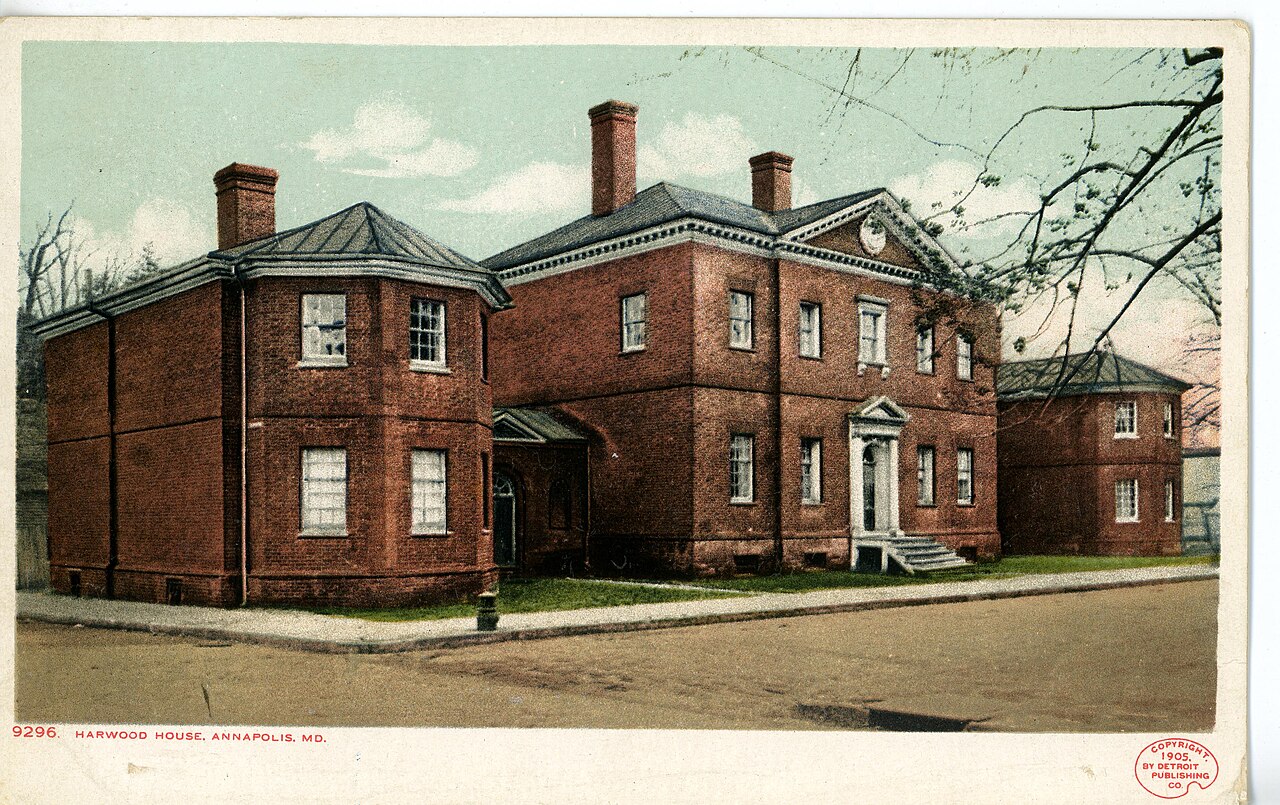
The house sits on Prince George Street, a short walk from the State House and the Naval Academy gate. Combine it with the nearby Hammond-Harwood House, another Georgian masterpiece, to compare how different patrons expressed wealth and taste. Historic Annapolis, the nonprofit that runs the Paca House, also offers other sites and events, so look at what is on during your visit.
Practical notes
The property has garden paths with steps and uneven surfaces, so allow extra time if mobility is a concern. Interior photography rules vary, so ask the guide. Special events, weddings and school visits can limit access on some days. Dress for the weather since the garden is outdoors, and take a hat in summer. For families, the garden's pond and bridge hold children's interest better than the house rooms.
The house itself repays attention to detail. Look for the symmetrical five-part plan, with a central block and connecting hyphens leading to the wings, and the fine woodwork and plasterwork that show the skill of local craftsmen. Interpretive displays place the family's comfort alongside the labor of the enslaved people who cooked, cleaned and gardened, and the best guides do not shy away from that tension.
Archaeological digs in the garden uncovered original paths, pond foundations and plant remains, which is how the restoration could be so accurate. It is a good example of how careful research can bring a lost landscape back.
Seasonal events add variety, from garden tours and lectures to candlelit holiday evenings in winter. If you visit in the shoulder seasons you may have the garden almost to yourself, which makes it a calm counterpoint to busy City Dock. Pack a camera, because the terraces, the pond and the little bridge frame beautifully against the brick of the mansion. Allow time to sit on a bench and watch the light move across the parterres before heading back to the streets of the historic core.
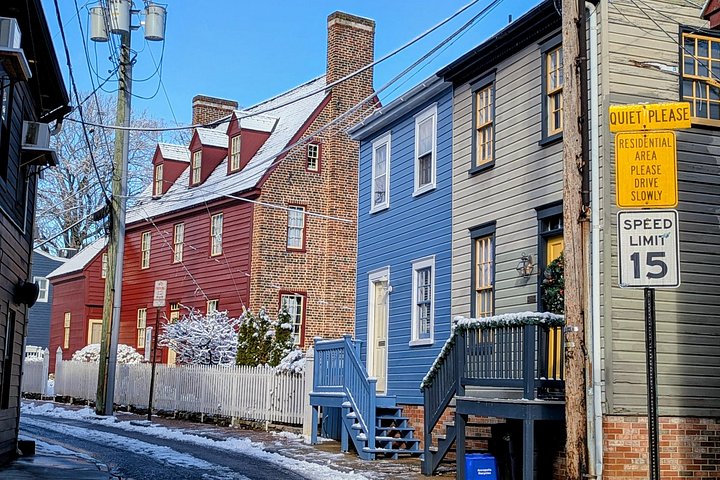
The neighborhood around the house also deserves a look. Prince George Street runs toward the Naval Academy gate, lined with restored townhouses and small inns, and the short distance to the Hammond-Harwood House means two of the city's most important Georgian buildings can be seen on a single morning. For families with older children, a scavenger-style walk between the two sites is a fun way to keep everyone engaged.
What to expect
The experience
A guided tour of a Georgian mansion followed by free time in a restored eighteenth-century garden.
Best time
Spring and early summer for the garden; check seasonal hours.
How long
About an hour, longer if you linger in the garden.
Tips
Check opening hours, wear comfortable shoes and ask about garden-only access.
Quick picks
- Best for
- History and garden lovers, especially anyone interested in colonial architecture.
- Families
- The pond and bridge entertain children, though the house tour is best for older kids.
- Couples
- A peaceful, photogenic stop for two.
- Pair with
- The Hammond-Harwood House, the State House and a walk on Prince George Street.
- Time needed
- One hour.
Good questions
Who was William Paca?+
A Maryland signer of the Declaration of Independence and later governor, who built the house in the 1760s.
Can I visit only the garden?+
Often yes; the garden may be available separately from the house tour, so check the day's options.
How long does the visit take?+
Allow an hour for the tour and garden, longer to linger.
Is the garden original?+
It was recreated from archaeological and documentary evidence on the original site.
Is it accessible?+
Some areas have steps and uneven paths. Contact the site ahead for advice.