Pipe Spring is a small national monument with a big story, set on the Kaibab Paiute Reservation about half an hour from Kanab on the remote Arizona Strip. Everything here revolves around water: a reliable spring in an arid land that drew the Ancestral Puebloans and the Kaibab Paiute for centuries, and later Mormon settlers, who built Winsor Castle, a fortified sandstone ranch house, directly over the spring in 1870 to 1872. Visitors can see the fort, historic cabins and a living history garden growing settler and native crops; walk the short Ridge Trail for views across the Arizona Strip; meet the ranch's Texas Longhorns; and spend time in the visitor center and museum, which tells both the Paiute and the pioneer sides of the encounter rather than only one. Ranger talks, living history demonstrations and seasonal events bring it to life, and in fall visitors may even harvest free produce from the garden. Admission is a modest per-person fee, payable by card only, with a portion shared with the Kaibab Band of Paiute Indians; America the Beautiful passes are accepted. It makes a thoughtful, uncrowded hour or two on the drive between Kanab and the Grand Canyon's North Rim road, and a good counterweight to a week of pure scenery.
The tension at Pipe Spring is the reason to visit. For the Kaibab Paiute, the spring was a homeland resource used for generations; for Latter-day Saint settlers, it was a strategic water source for cattle ranching on the Arizona Strip, and the church-owned ranch that grew here supplied beef and dairy for the St. George temple effort.
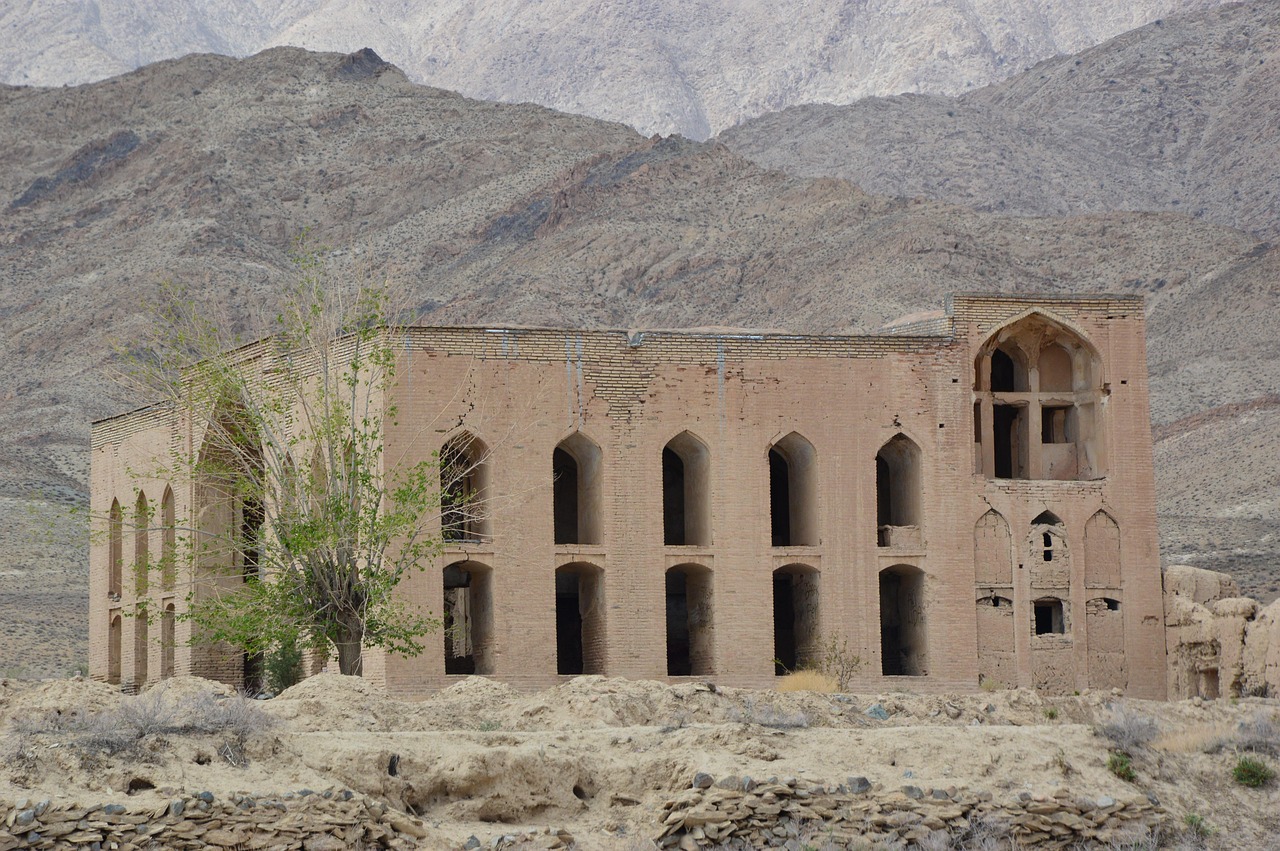
Winsor Castle, with its thick sandstone walls, gun ports and courtyard enclosing the spring, was built during a period of conflict in the region. It later housed the first telegraph office in Arizona Territory, linking this remote ranch with church headquarters in Salt Lake City, and it became a refuge for polygamous families hiding from federal marshals.
The name has its own legend
In the 1850s, the story goes, the frontiersman William Hamblin shot the bottom out of a tobacco pipe here on a bet. President Warren G. Harding proclaimed the site a national monument in 1923. The monument's interpretation, developed in partnership with the tribe, presents these overlapping histories honestly, including the loss of water and land the Paiute experienced.
A visit is easy to pace. Start in the museum for context, then tour the fort and its rooms — the parlor, kitchens and the cheese-making and telegraph rooms are evocative — and walk out to the ponds, orchard and garden. The Ridge Trail loop climbs a little above the site for a view over the vast Arizona Strip toward the Kaibab Plateau. Families can pick up a Junior Ranger booklet, and the park's calendar includes star parties and special events on certain dates.
Practicals
From Page, drive US 89 west to Kanab, then south to Fredonia and west on State Route 389 to the monument — allow about an hour and forty-five minutes from Page, or half an hour from Kanab. Cash is not accepted. Hours vary seasonally, so check before you go. Mind the clocks: the monument is in Arizona and keeps Arizona time year-round, so in summer it runs an hour behind Kanab, a few miles away in Utah.
There is little food along State Route 389, so bring a picnic or plan lunch in Kanab or Fredonia. Pair it with Coral Pink Sand Dunes or Best Friends for a full Kanab-area day, or with the Vermilion Cliffs drive on the way back toward Page.
What to expect
The experience
A small national monument with a visitor center and museum, tours of the 1870s Winsor Castle fort built over the spring, historic cabins, a heritage garden, longhorn cattle and a short ridge trail.
Best time
Spring and fall for comfortable walking; check the calendar for living history days and ranger programs. Fall brings garden harvest time.
How long
One to two hours on site.
Tips
Bring a card — cash is not accepted. Start in the museum for context before touring the fort. Combine with Kanab sights; services on the Arizona Strip are sparse.
Quick picks
- Best for
- Travelers who want the human history behind the scenery.
- Families
- A real fort, longhorns and a Junior Ranger booklet make history tangible for kids.
- Couples
- A quiet, thoughtful stop with views across the Arizona Strip and few crowds.
- Pair with
- Coral Pink Sand Dunes and Best Friends Animal Sanctuary near Kanab.
- Time needed
- An hour or two, plus driving.
Good questions
What is Winsor Castle?+
A fortified sandstone ranch house built over Pipe Spring by Mormon settlers in 1870 to 1872. Its thick walls enclose the spring, and visitors can tour its rooms.
How much does it cost?+
A modest per-person fee, card only, with part of each fee going to the Kaibab Band of Paiute Indians. America the Beautiful passes are accepted.
How does the monument address Paiute history?+
The museum was developed with the Kaibab Paiute and presents both the tribe's long relationship with the spring and the settlers' story, including the effects of settlement on the Paiute.
How far is it from Page and Kanab?+
About half an hour from Kanab via Fredonia and State Route 389, or roughly an hour and forty-five minutes from Page.
Is it good for kids?+
Yes — the fort, garden and longhorns are engaging, and the Junior Ranger program gives children a mission during the visit.