Antwerp sits at the centre of one of the best-connected train networks in Europe, and that makes it an easy base. Brussels, Mechelen, Ghent and Bruges are all reachable from Antwerp Central without changing trains on most days, and you can be back in time for dinner on the Eilandje. Here is how to choose, and how to avoid spreading yourself too thin.
Mechelen: the best short trip
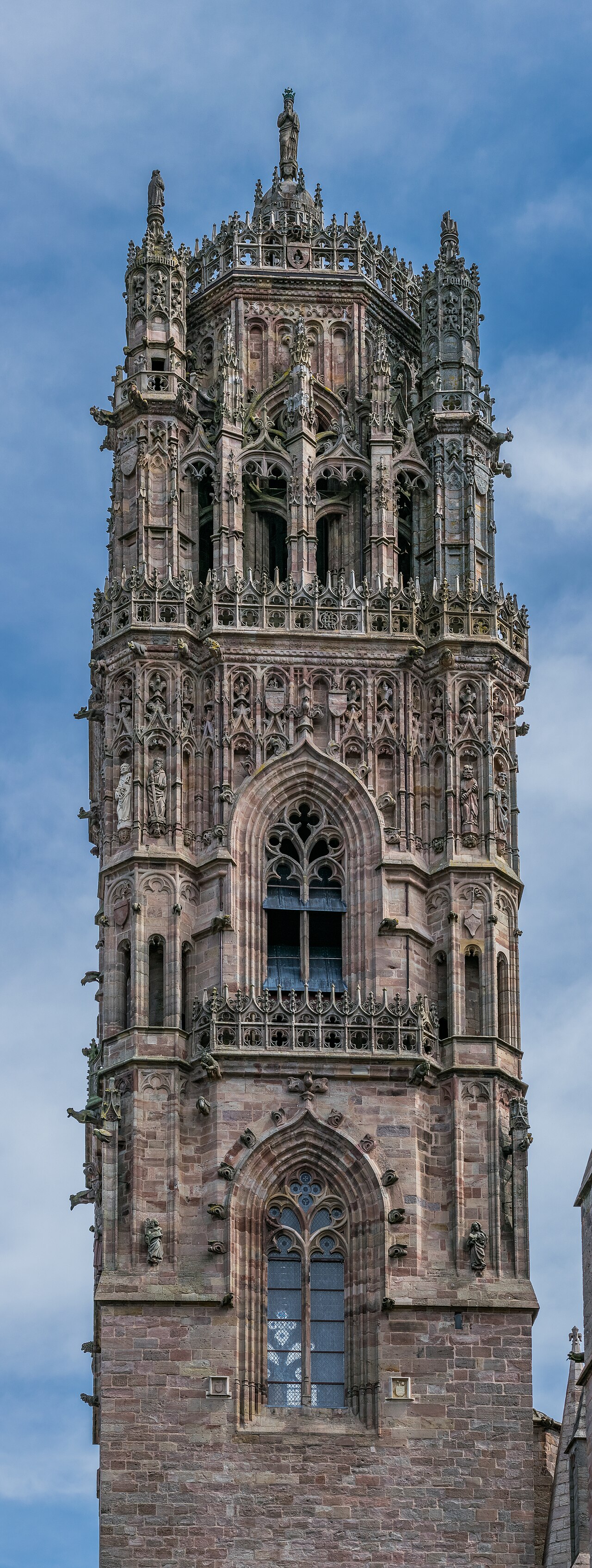
Mechelen is the closest and most rewarding half-day or full-day outing, with a journey of roughly twenty to thirty minutes. It has a handsome Grote Markt, St Rumbold’s Cathedral and a calm, uncrowded old town, and it packs in more than most people expect. Het Anker Brewery and Distillery sits inside the Great Beguinage, a UNESCO World Heritage Site, and its guided visit ends with two tastings. The Toy Museum Mechelen is a charming stop for families and for grown-ups who remember their own childhoods, and Technopolis is a hands-on science centre that keeps children busy for hours. Kazerne Dossin, the memorial and museum on the Holocaust and human rights, is a serious and important visit on the site of the former transit camp. Pick two or three of these, not all four, and let the day breathe.
Planckendael: animals without the city
ZOO Planckendael is run by the same organisation as the Antwerp Zoo and is a big, green, park-like zoo near Mechelen. It suits families who want a full day outdoors, and it combines naturally with Mechelen if you have energy left. Check the website for the current opening pattern and how to get there from the station, as the details depend on the season.
Ghent: medieval canals and a livelier student feel
Ghent is a short train ride away and is often described as a more relaxed, less polished alternative to Bruges. Its canals, castle and churches are best explored on foot, and the old harbour area has a good café culture. Allow a full day, start early and book any timed church or museum tickets before you go. Ghent works well if you have already seen the Antwerp Cathedral and want a different kind of medieval city.
Bruges: the postcard, best seen early or late
Bruges is a little further, so treat it as a full day. It is also the busiest of the four, and the central streets fill with day visitors in the middle of the day. Arrive on an early train, walk the canals and the Markt before the crowds build, and keep the afternoon for a boat, a museum or a quiet walk towards the outer ring. Overnight stays are lovely, but a day trip is entirely doable from Antwerp.
Brussels: for the capital, not for a rush
Brussels is the quickest of the big cities from Antwerp, and the trains also serve Brussels Airport. It is a better choice for a full day of museums, the Grand-Place and food than for a quick hour between connections. Antwerp itself is the better choice for fashion and diamonds, so use Brussels for comic strips, Art Nouveau and the Magritte and Old Masters museums.
Tickets and timing
Belgian trains run frequently between these cities, and you can buy tickets at the station machines, in the national railway app or at the counter. A same-day return is usually the simplest option, and weekend and group offers sometimes apply, so check what is current before you buy. Avoid the heaviest commuter trains if you carry luggage or a pushchair, and note that last trains back are late enough for dinner but not for a long evening out, so check the final departure before you settle in.
Which one should you pick?
If you have one day and like beer, history and a quiet town, choose Mechelen. If you have children, add Planckendael or Technopolis. If you want the famous canal postcard and can start early, choose Bruges. If you want a livelier city with fewer coaches, choose Ghent. If you want museums and the capital, choose Brussels. Whichever you pick, leave Antwerp itself for the other days: the cathedral, the KMSKA, the MAS and the Eilandje deserve at least two unhurried days, and the city’s own Monday closures are easy to plan around if you use Mondays for a trip out.