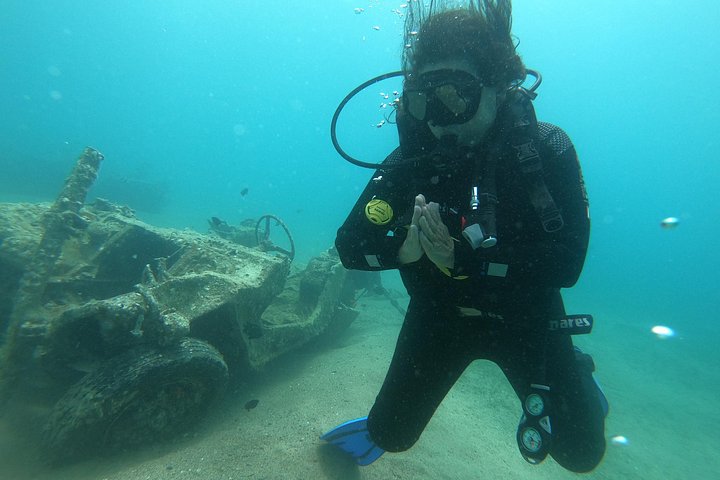
If you have always wanted to try scuba but never had the chance, Aqaba is one of the gentlest places to start. The Gulf of Aqaba is warm, sheltered and often very clear, and shallow reefs begin close to shore, so a beginner can have a proper dive without the long transfers that make some destinations tiring. This private diving experience is designed for people who are new to diving: an instructor or guide gives you a briefing, fits you with equipment, practises basic skills in shallow water and then takes you out to look at the reef. Because it is private, you get personal attention and a pace that suits you, which matters if you feel nervous about breathing underwater. You do not need a certificate, but you should be in reasonable health, comfortable in the water and willing to follow instructions carefully. Expect to see hard and soft corals, anemonefish, parrotfish and shoals of small reef fish, and sometimes a moray or turtle if luck is on your side.
How an introductory dive works
The session usually begins on land with a safety briefing and a medical questionnaire, followed by a demonstration of equipment, breathing and hand signals. In calm shallow water the instructor checks that you are comfortable clearing your mask and equalising your ears. Then you swim out over the reef, staying close to your guide and at a modest depth.
The dive itself may last thirty to forty-five minutes, but the whole outing, including preparation and changing, takes longer. If you decide you enjoy it, ask whether the centre can credit part of the experience towards an entry-level course, since many dive centres in Aqaba teach certified courses in English.
Who it suits
Adults and often older children, subject to the operator's minimum age, which for introductory dives is commonly ten years old. People with certain health conditions, such as asthma, heart problems, ear and sinus issues or pregnancy, may be unable to dive, so answer the medical form honestly and ask a doctor if unsure.
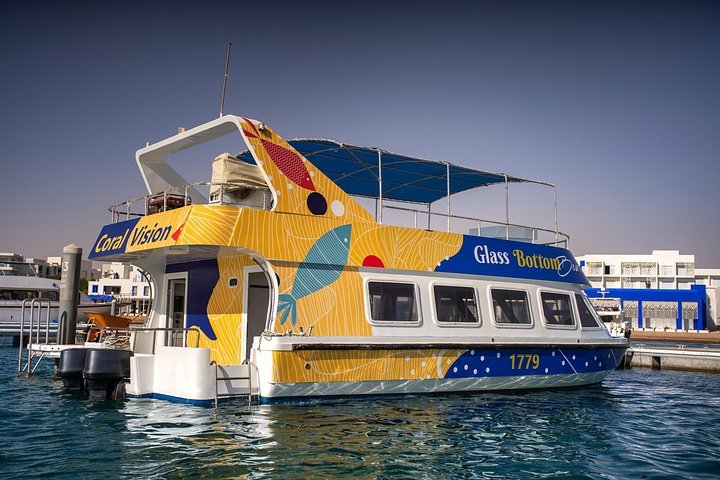
Do not fly for the period recommended after diving, and do not plan a balloon flight, mountain hike or other high-altitude excursion immediately afterwards. If you would rather not go deep, a snorkelling trip or glass-bottom boat is a gentler way to see the reef.
What to bring
Swimwear, a towel, reef-safe sun cream, a rash vest or thin wetsuit in the cooler months and a change of clothes. Most centres supply mask, regulator, fins, tank and wetsuit, but confirm what is included, and ask about pickup from your hotel. Leave jewellery behind and avoid alcohol the night before. Do not touch or stand on corals, because they are fragile and slow to recover, and keep your hands close to your body while you swim so you do not damage the reef.
Making the most of it
Morning dives usually have calmer water and good visibility, and spring and autumn offer the most comfortable air and water temperatures. If you are travelling with a partner who would rather not dive, the same operator may offer a snorkelling option so you can share the day. Pair the dive with a relaxed afternoon at South Beach, then save the Wadi Rum desert for the following day.
For the best experience, tell the instructor if you feel anxious at any point, because a good guide will slow down, stay close and make sure you enjoy it. Confirm the schedule, equipment, insurance and cancellation terms with the operator when you book.
What to expect
The experience
A private first-time scuba experience with an instructor, covering a briefing, basic skills and a guided reef dive.
Best time
Morning for calm water; spring and autumn for comfortable conditions.
How long
Around two to three hours including preparation; confirm with the operator.
Tips
Be honest on the medical form, bring a towel and rash vest, and never touch coral.
Quick picks
- Best for
- First-time divers who want a guided taste of the Red Sea without a course.
- Families
- Check the minimum age with the operator; snorkelling is an easier choice for younger children.
- Couples
- A shared first dive, or one dives while the other snorkels if the operator offers it.
- Pair with
- South Beach and Marine Park, a glass-bottom boat or the Cedar Pride dive later in your stay.
- Time needed
- Half a day.
Good questions
Do I need a certificate?+
No, an introductory dive is for beginners and is done under close instruction, but you must meet health and age requirements.
Is it safe if I cannot swim well?+
You should be comfortable in water. Tell the instructor about any worries so they can adjust the plan.
What will I see?+
Corals, anemonefish, parrotfish and small reef fish, with occasional larger visitors. Sightings vary by day.
What is the minimum age?+
It differs by operator and is commonly around ten for introductory dives, so confirm when you book.
Can I fly or go to altitude afterwards?+
Follow the dive centre's guidance on waiting after a dive before flying or ascending to altitude.