The Bushiribana ruins are what remains of a gold smelter built in 1872 by the Aruba Island Gold-mining Company to process ore from the Seroe Plat region. VisitAruba says the works operated for only about ten years, but the stone construction was solid enough that the walls, chimneys and arches still stand on the north coast near the village of Bushiribana. The ruins sit on a rocky shore where the Atlantic arrives hard and cold compared with the calm Caribbean side, and the empty window openings frame the sea in a way that photographers love. It is one of the best places on the island to see Aruba's gold-mining past, an era that is easy to miss on the beach coast. Walking around the site, you pass massive stone walls, the remains of the furnace works and views over a coastline of black rock and white surf. According to the tourism page, the site is open to the public with no admission fee, although visitors could until recently walk through the ruins and access may have changed, so check the current situation before you go. Guided tours and jeep safaris often stop here.
What to see
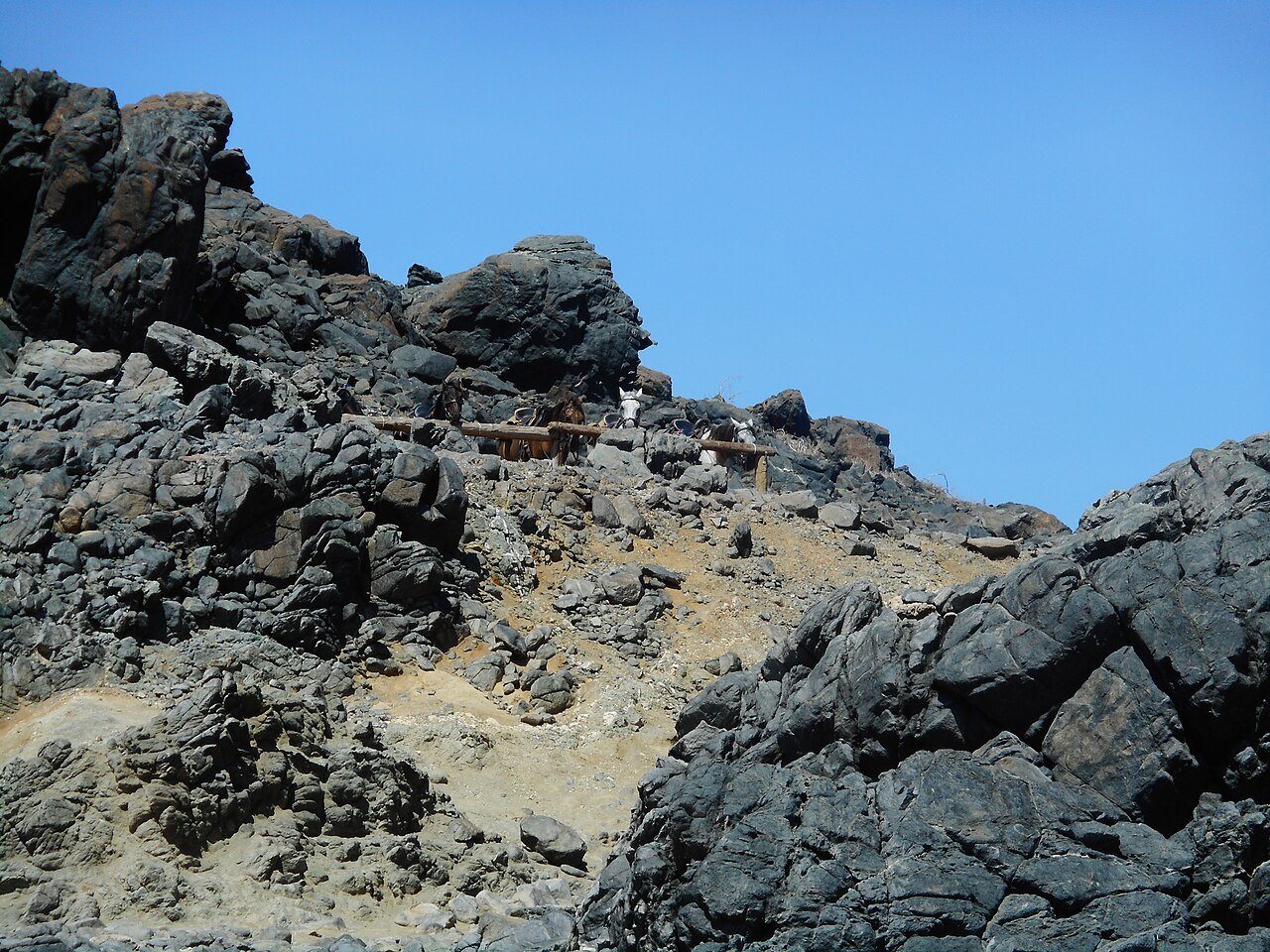
The ruins are compact but dramatic. Thick stone walls rise from the rock, with arches and the stump of a chimney, and you can still make out how the smelter was laid out to take ore in and heat it. The setting is the real attraction: low scrub, wave-cut rock and a constant sea breeze give a feeling of space and age. The ground is uneven and rocky, so walk carefully and keep children close. Respect the structure by not climbing on fragile walls.
How to get there
The site is on the north coast, reached by car or taxi, with parking nearby, and it is a regular stop on guided island tours and Arikok jeep safaris. If you are driving yourself, keep to the main roads, since side tracks on this coast can be rough. The Ayo and Casibari rock formations, the Alto Vista Chapel and the California Lighthouse are all within easy reach, so the ruins make a good anchor for a day on the north side.
Practical notes
Shade is minimal, so wear a hat and sturdy shoes, apply sunscreen and bring water. Do not swim near the ruins, because the surf is strong and the shoreline is rocky. The tourism page does not give opening hours, and it notes that access has changed in the past, so ask your hotel or tour operator for the current position before making a special trip. Late afternoon light is the most flattering for photographs, and weekdays are quieter than the middle of the day when tour vehicles cluster.
Who it suits
History fans, photographers and anyone who wants to see the less manicured side of Aruba. Allow about half an hour on site. Pair it with a visit to the Alto Vista Chapel and the lighthouse for a compact half-day loop, or add the Natural Pool and Arikok National Park if you are joining a longer jeep safari.
Travelers who prefer to stay on the sand may want to skip it on a windy day, but for anyone interested in how the island once made its living, it is one of the most evocative stops.
What to expect
The experience
A self-guided look at the stone ruins of an 1872 gold smelter on a rocky stretch of the north coast, with sea views through the old window openings.
Best time
Late afternoon for the best photographs, or a weekday morning for fewer tour vehicles.
How long
About twenty to forty minutes on site.
Tips
Wear sturdy shoes, bring water, stay out of the surf and check whether walking through the ruins is currently allowed.
Quick picks
- Best for
- Visitors interested in Aruba's gold-mining history and rugged coastal scenery.
- Families
- Fine for older children who can manage uneven ground; keep them away from the shoreline.
- Couples
- Dramatic backdrop for photos, best combined with a sunset at the lighthouse.
- Pair with
- Alto Vista Chapel, California Lighthouse and the Arikok and Natural Pool safari.
- Time needed
- Half an hour on site, or half a day for a full north coast loop.
Good questions
What are the Bushiribana ruins?+
They are the remains of a gold smelter built in 1872 to process ore from the Seroe Plat region. It operated for only about ten years.
Is there an admission fee?+
VisitAruba says the site is open to the public with no admission fee.
Can I walk through the ruins?+
Visitors could until recently, but access may have changed, so check the current position with your hotel or tour operator.
Is it safe to swim there?+
No. The shoreline is rocky and the surf is strong, so enjoy the view and swim at a sheltered beach instead.
How do I get there?+
By car or taxi, with parking nearby, or as a stop on a guided island tour or jeep safari.