Casibari and Ayo are Aruba's best-known rock formations, and they look like nothing else on an island of beaches. Giant boulders, many of them taller than a house, rise abruptly from the flat, dry interior, piled together as though dropped by a giant. The Aruba Tourism Authority describes the Ayo formations as monolithic rock boulders near the village of Ayo, with pathways in place so visitors can climb and explore, and says the area was once considered a sacred site by the island's original inhabitants. Original rock drawings, dating back thousands of years, can be found there, which turns a scenic stop into a window on Aruba's earliest history. Casibari lies a few kilometers away, and visitors can climb its large boulders too, for views across the cactus-covered plain toward the Hooiberg hill. Together the two sites show the interior of the island, far from the surf and sunbathers. They are easy to combine because they are close to each other, and both are standard stops on island tours and jeep safaris. The tourism page does not state hours or fees, so check locally before you go.
Why go
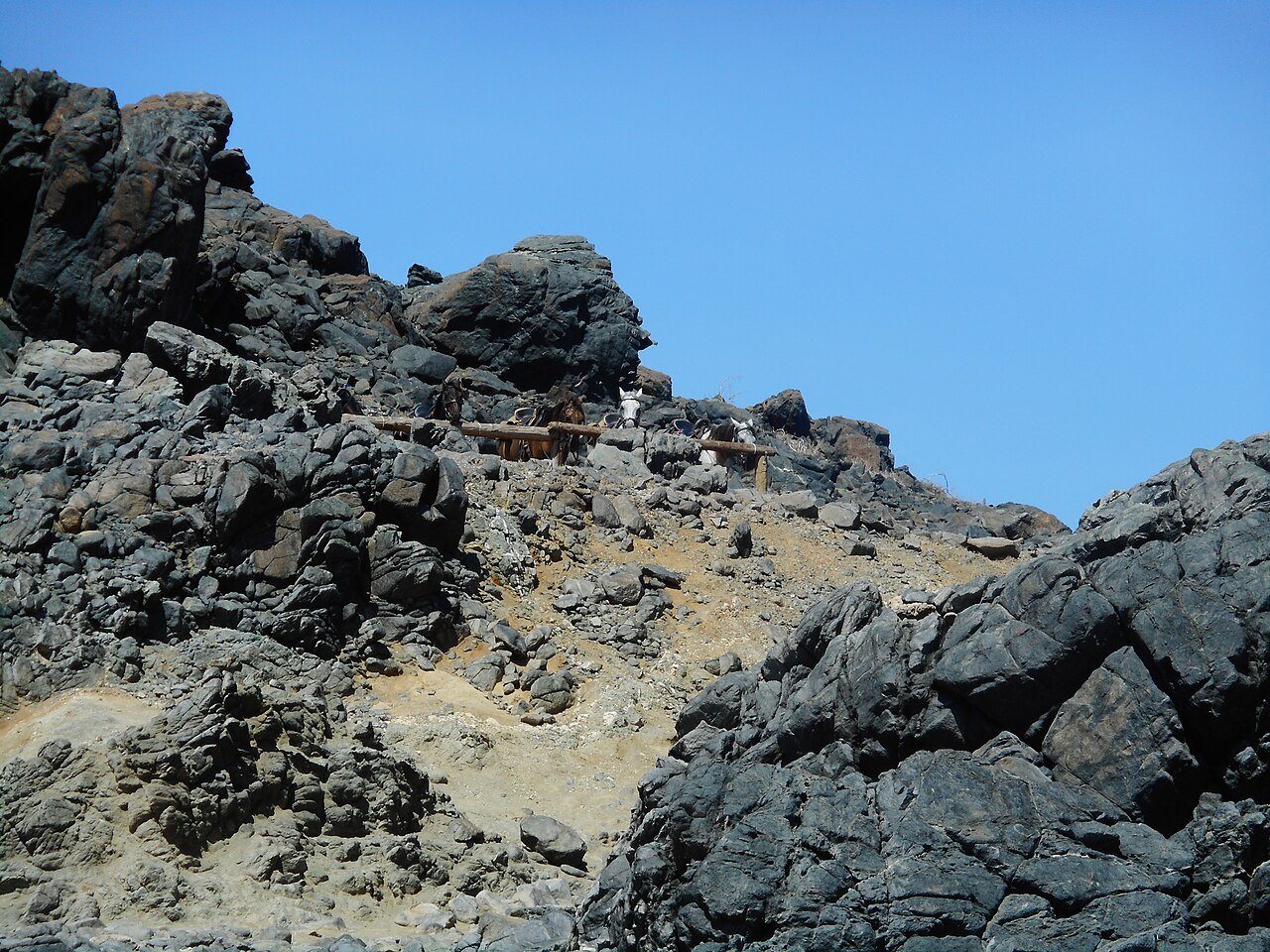
The formations are one of the most photogenic and unexpected sights in the Caribbean. The boulders are weathered into smooth, rounded shapes, and winding paths and steps lead up and around them, with narrow passages between the stones and small viewpoints on top. Cactus and scrub grow in the gaps, and iguanas and lizards sun themselves on the warm rock. The view from the top of the larger boulders stretches over flat countryside to the sea in one direction and the distinctive shape of the Hooiberg in the other.
Ayo and the rock drawings
The Ayo formations are the more rugged and less developed of the two, and they are tied to the island's Indigenous history. The original drawings are faint, so look carefully and keep your hands off the rock, because oils from skin can damage old pigment. Stay on the paths, take rubbish with you and treat the site as the place of cultural importance that it is.
Practical notes
Wear shoes with good grip, since the rock is smooth and can be slippery, especially if there has been rain. There is almost no shade, so bring a hat, sunscreen and plenty of water, and avoid the hottest part of the afternoon. Climbing is at your own risk, and small children need close supervision on the steeper steps.
Early morning is cooler and quieter, and tour groups tend to arrive late morning. Both sites are in the center of the island, a short drive from Oranjestad and the hotel areas, so a rental car, taxi or guided tour all work.
Combining it
The formations fit naturally with the Bushiribana ruins, the Alto Vista Chapel and the lighthouse in a loop of the north and interior, and with the Aruba Ostrich Farm, which is not far away. Allow forty-five minutes to an hour for each cluster if you like to climb and take pictures, or about an hour for both if you are short on time. For anyone who wants to understand the geology and history of Aruba beyond its beaches, this is the easiest and most rewarding stop.
What to expect
The experience
Self-guided scrambles over two clusters of giant boulders, with paths, steps and viewpoints, plus ancient rock drawings at Ayo.
Best time
Early morning for cooler temperatures and fewer groups; avoid the hottest hours of the afternoon.
How long
About forty-five minutes to an hour per site, or one to two hours for both.
Tips
Wear grippy shoes, bring water and a hat, do not touch the rock drawings and supervise children on the steeper steps.
Quick picks
- Best for
- Travelers who want an easy, free adventure and a glimpse of Aruba's interior and Indigenous history.
- Families
- Great for active children who like to climb; hold hands on the steeper steps and avoid wet rock.
- Couples
- Climb for the views over the plain, then continue to the chapel and lighthouse for sunset.
- Pair with
- Bushiribana ruins, Alto Vista Chapel and the Aruba Ostrich Farm.
- Time needed
- One to two hours, depending on whether you visit one site or both.
Good questions
What are the Casibari and Ayo rock formations?+
They are two clusters of giant boulders in the island's interior. The tourism authority says the Ayo area was once considered sacred by the island's original inhabitants.
Can you climb the rocks?+
Yes. Pathways are in place so visitors can climb and explore, but the rock can be slippery, so wear shoes with good grip.
Are there ancient drawings?+
Yes, original rock drawings dating back thousands of years can be found at Ayo. Look but do not touch.
Is there an entrance fee?+
The tourism page does not state hours or fees, so check locally before you go.
How far are they from the beaches?+
They are in the center of the island, a short drive from Oranjestad and the main hotel areas.