Northern Tanzania has a reputation for being expensive, and the park fees and vehicle costs behind a safari are real. But a trip built from single days gives you plenty of ways to keep costs down, because you control how many costly park days you take, and you can fill the rest of the trip with excellent cheaper outings. Here is how to do it sensibly.
Choose your park days carefully
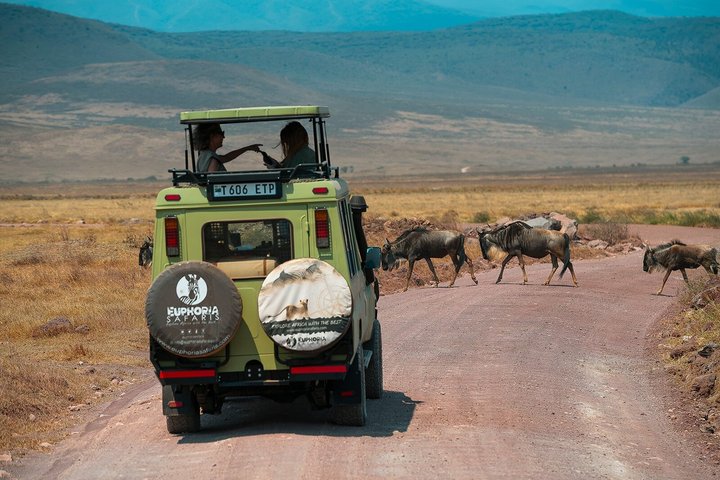
The park days are the expensive part, because park fees are charged per day and change, and you also pay for the vehicle and guide. Limit yourself to one or two. If you only do one, Ngorongoro Crater or Tarangire gives the most for the day. Joining a shared or group tour usually costs much less than going private, because the vehicle and fees are split. The trade-off is less flexibility on timing and the company of other travellers. Ask how many people are in the vehicle, since a safari car with a pop-up roof works best with a window seat for everyone.
Fill the other days cheaply
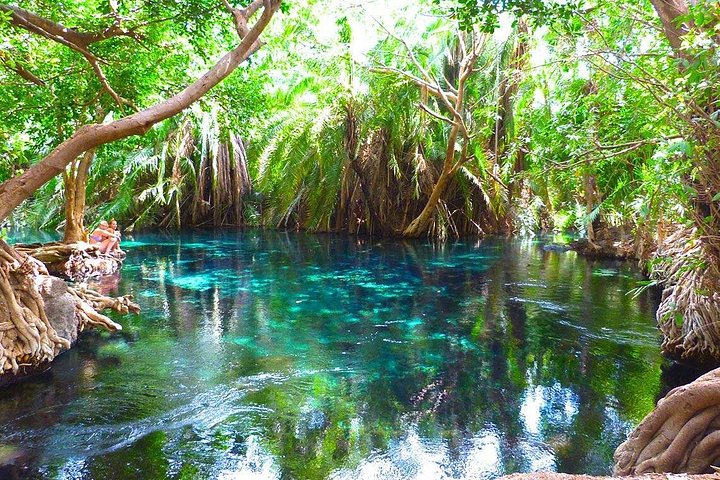
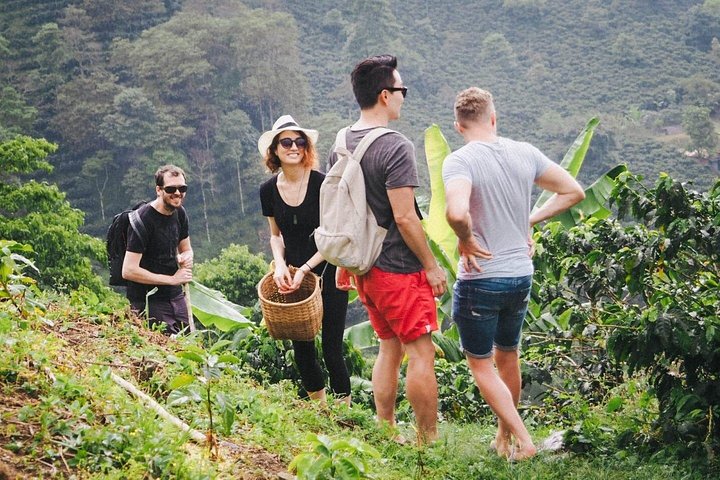
Some of the best days cost far less than a park. A guided walking tour of Arusha is inexpensive and an excellent orientation. A cooking class and market tour is affordable and includes a meal. The Materuni waterfalls and coffee tour and the Napuru waterfalls route combine a walk, a waterfall and coffee for a modest price, and a cycling tour of a crater near Arusha gives you a few hours of village life on two wheels. The Chemka hot springs are a cheap, popular swim. The Cultural Heritage Centre is a browse rather than a ticketed sight, though you may be tempted to buy.
Know what the price includes
The biggest budget trap is a low headline price that leaves out park fees, lunch or the guide's fee, which you then pay at the gate. Ask every operator what is included, and get the answer in writing. Compare like with like: a price that includes fees may be better value than a cheaper price that does not. Be cautious of very cheap deals with unclear details, and use operators with clear information and good reviews.
Sleep simply
Arusha Backpackers Hotel on Sokoine Road is the cheapest bed in this guide, with dorms and private rooms, a rooftop terrace and a free continental breakfast. It is social and central, with shared bathrooms and some noise, so bring earplugs. In Moshi, Keys Hotel is a good-value hotel with a pool and a free breakfast, and Kilimanjaro Wonders Hotel offers a pool and a rooftop bar at a moderate price. Arusha Serena Hotel gives a quiet garden setting with a free breakfast, and it is a step up in comfort. Staying one or two nights in a better hotel at the start or end of the trip, and simple places in between, balances the budget.
Eat like a local
Market stalls and simple restaurants serve ugali, rice, beans, chapati and grilled meat at a fraction of hotel prices. Eat food cooked fresh in front of you, drink bottled water and carry snacks for long drives. Breakfast included in your room rate saves money, and a packed lunch on a day tour covers the middle of the day.
Get around cheaply
Taxis and ride apps are inexpensive in Arusha, and it is worth agreeing the fare in advance if there is no meter. Between Arusha and Moshi, shared minibuses exist but are crowded and slower, and a private driver for the day is more comfortable and not much dearer when split between several people. Do not self-drive on a first trip.
Where not to cut corners
Do not skimp on safety, a licensed guide for park and mountain days, travel insurance or sensible sun protection. Tip your guides and drivers fairly at the end of each day, as tips are a major part of their income. Avoid pressure from touts and book through a reputable operator, ideally one recommended by your hotel.
A sample budget week
Two nights in the hostel, a walking tour, a cooking class, one shared park day, a Materuni waterfalls day, a Chemka swim and a quiet day at the Cultural Heritage Centre. That gives you a rich week, with one big safari and several inexpensive highlights.