Food in northern Tanzania is simple, filling and better than many visitors expect. Home cooking is built on maize, rice, beans, bananas and vegetables, with grilled meat, spices and fresh fruit. Restaurants range from market stalls to hotel dining rooms, and the best approach is to mix them. Here is how to eat well in Arusha and Moshi on a trip built around single-day outings.
Start with the staples
Ugali, a stiff maize porridge eaten with the hands, is the national staple and usually comes with stewed greens, beans or meat. Pilau is spiced rice with meat, often served at celebrations. Chapati, a flat fried bread, is the everyday carbohydrate, and mandazi are lightly sweet fried doughnuts. Nyama choma, grilled meat, is eaten with kachumbari, a fresh tomato and onion salad, and a cold drink. Ndizi, cooking bananas, appear stewed with meat or beans, especially in the Kilimanjaro foothills where the Chagga people grow them.
Learn it in a kitchen
A cooking class and market tour is the quickest way to understand all this. You walk through a market, buy ingredients and cook with a local host, then eat what you made. It is the best first or last-day activity, and it teaches you what to order afterwards. Vegetarians do well, because bean, vegetable and rice dishes are common, but tell the operator in advance.
Street food and markets
Arusha's markets and roadside stalls sell grilled maize, roasted cassava, fruit, samosas and chips with eggs. A guided walking tour is the easiest way to try them, because the guide chooses stalls that are busy and clean. As a rule, eat food that is cooked hot in front of you, peel your own fruit and avoid anything that has sat out in the sun. Carry small notes, as vendors rarely have change for large ones.
Coffee country
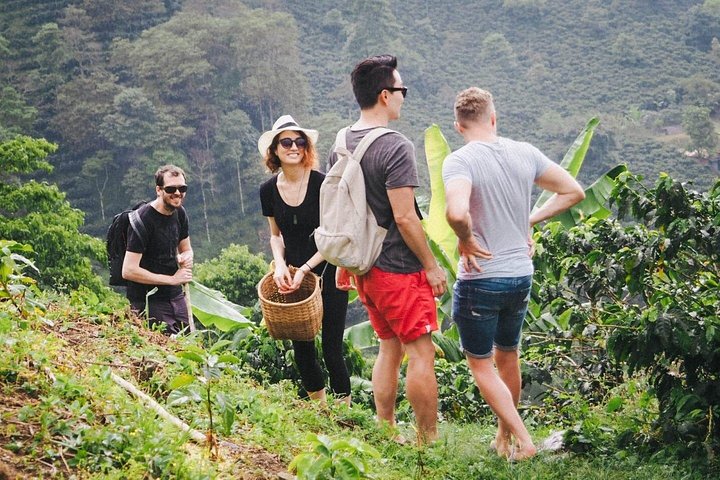
The slopes of Kilimanjaro and Mount Meru produce arabica coffee, and a farm visit is a highlight. On the Materuni tour the beans are roasted over a fire, pounded and brewed in front of you, and the Napuru route offers a similar ceremony closer to Arusha. Buy a bag directly from the family if you like it, and ask how to store it for the journey home. In town, many cafés serve good local coffee, and tea with milk and spices is common.
Hotel meals
Safari days start early, so a good hotel breakfast matters. Several hotels in this guide include breakfast, including Elewana Arusha Coffee Lodge, Lake Duluti Lodge, Arusha Serena Hotel and Keys Hotel in Moshi, while Mount Meru Hotel offers a buffet for a surcharge. Dinner at lodges is usually set menu or buffet and caters well for vegetarians if you ask. Eating out on at least one night is worth doing, as it is the best way to try local flavours that hotel menus soften.
On safari days
Day tours normally include a picnic lunch, often a boxed lunch with sandwiches, fruit and a drink. Ask what is in it, especially if you have dietary needs, and guard it from birds and monkeys in the parks. Carry extra water and snacks for long drives, because stops are limited.
Drinks
Bottled water is the safe choice for visitors. Fresh juices are widely sold, and a cold local lager is a standard accompaniment to nyama choma. Fruit sodas are popular. Ask hotels about whether ice is made from filtered water. Alcohol is available in most restaurants and hotels, but it is best avoided before a long hike or a dawn start.
Practical notes
Tipping about ten per cent in restaurants is common if service is not included, and a few notes for the cook at a home class is appreciated. Check allergy information carefully, because labelling is not always reliable. If you have a sensitive stomach, start gently and build up. Most travellers do well by keeping to freshly cooked food and drinking bottled water.
A food itinerary
If you want to build a day around eating, start with a coffee farm walk in the morning, add a market tour at midday and finish with a cooking class or a nyama choma dinner. Spread the richer meals across the trip, and keep lighter days for hikes and long drives.