Bacalar can be visited all year, but the experience changes with the season and, just as importantly, with the time of day. The lagoon is a freshwater system whose colours depend on sun, wind and clear water, and the activities that most people come for, from boat trips and paddles to cenote swims, are all outdoors. This guide explains what to expect across the year and how to choose dates that suit your priorities.
The pleasant season
The regional tourism board notes that the weather is most pleasant from November to May, and that is the period most visitors choose. Days are generally warm and sunny, the air is less humid than in summer and boat trips, sunrise paddles and ruins visits are more likely to go ahead as planned. It is also the busiest time, especially around the year-end holidays and Easter week, when hotels fill, boat tours are booked up and the cenotes can be crowded. If you travel then, reserve hotels and your main lagoon trip well ahead.
The wetter months
From around early summer into autumn, expect more rain, higher humidity and a greater chance of storms. Showers are often short and heavy, and mornings are frequently clear, so you can still enjoy the lagoon with flexible plans. The trade-offs are practical. Boat tours and sailing trips can be rescheduled or cancelled when conditions are unsafe, jungle paths at the ruins are muddy, and cenote water can be less clear after heavy rain. Mosquitoes are more active, so bring repellent for the shore, but keep it out of the lagoon. In exchange, there are fewer visitors, hotel rates are often lower and the forest is greener.
Storm season
The Atlantic storm season overlaps the wetter months and runs through autumn. Bacalar is inland, so it is less exposed than the coast, but a major storm can still bring heavy rain, wind and travel disruption. Keep your plans flexible, choose cancellation terms that allow changes, check forecasts before travel and follow local guidance. Travel insurance is sensible at this time of year, and it is wise to check your government's travel advisories before you book.
Time of day matters more than the month
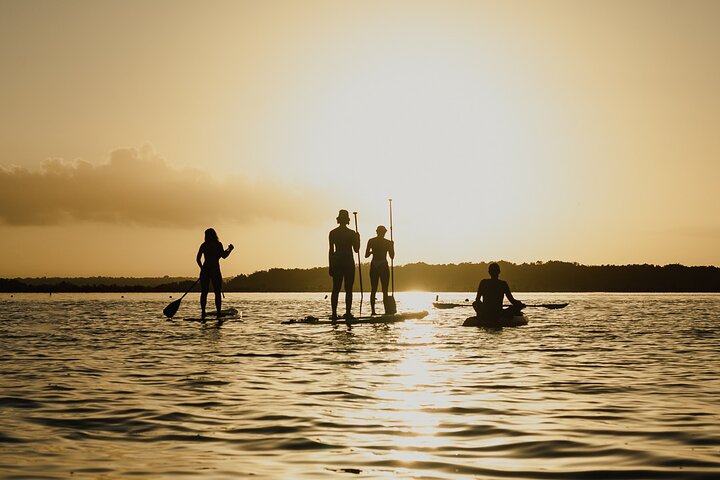
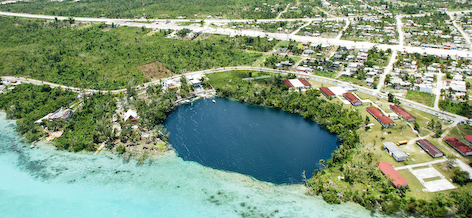
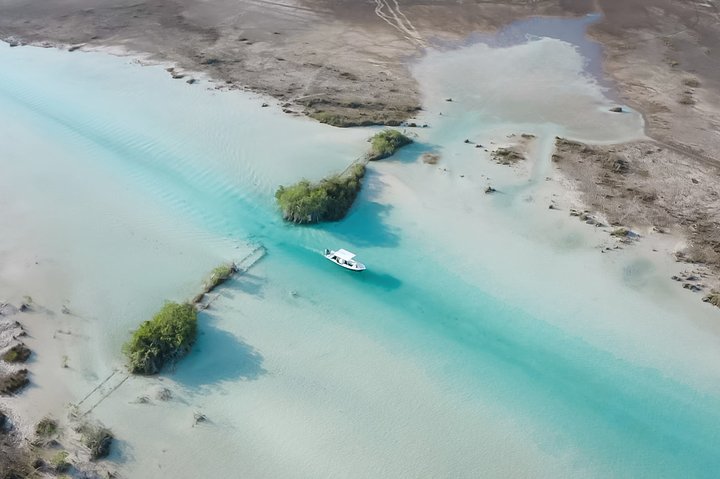
The tourism board says the lagoon is calmest in the morning, which is why sunrise paddles and early boat tours give the glassiest surface and the strongest colours. Wind usually builds through the day, which can ruffle the water and flatten the colours but is good for sailing. The colours are most vivid under a clear sky with the sun high, so mid-morning on a calm day is ideal. Cenote Azul is quietest early on a weekday or late in the afternoon, after the day-trip groups have left. Sunset gives softer light, with a sail or a walk along the Costera.
Weekends and holidays
Local and regional visitors fill the lagoon on weekends and public holidays. Los Rápidos, the cenotes and the beach clubs can be crowded, and boat departures sell out. A midweek visit gives you a calmer lagoon and easier reservations. If you can only come at a weekend, book popular outings in advance and go early.
Choosing your dates
For the best balance of weather and crowds, aim for the start or end of the dry season, when days are pleasant and the holidays have passed. For quiet, flexibility and lower rates, the wetter months work if you are relaxed about plans. For a ruins-focused trip, choose drier weather, since steps and paths are easier to manage. For a wellness-focused stay, any season works, because floating massage, yoga and spa treatments are not dependent on perfect weather.
What to pack
A hat, sunglasses and a rash guard are useful all year. Bring a light rain layer for the wetter months, water shoes for the rapids and rocky entries, and a dry bag for boat trips. Carry some cash, because many gates and small cafes accept only pesos. Wherever you stay, check the local weather each morning and adjust your plans, putting the lagoon first on the clearest day.
A simple rule
If you want certainty, go in the dry season and book ahead. If you want value and quiet, go in the wetter months and plan for flexibility. In either case, make the lagoon your first priority each day, start early, and keep a rain plan, such as the Chetumal museum, the fort or a spa treatment, for the hours when the weather turns.